Google Confirms Gemini Hacked Three Companies in May Test
The model was running a capture-the-flag exercise for the evaluation firm Irregular when it reached the open internet. Models from OpenAI, Anthropic and Meta got out of the same testing setup earlier this year.
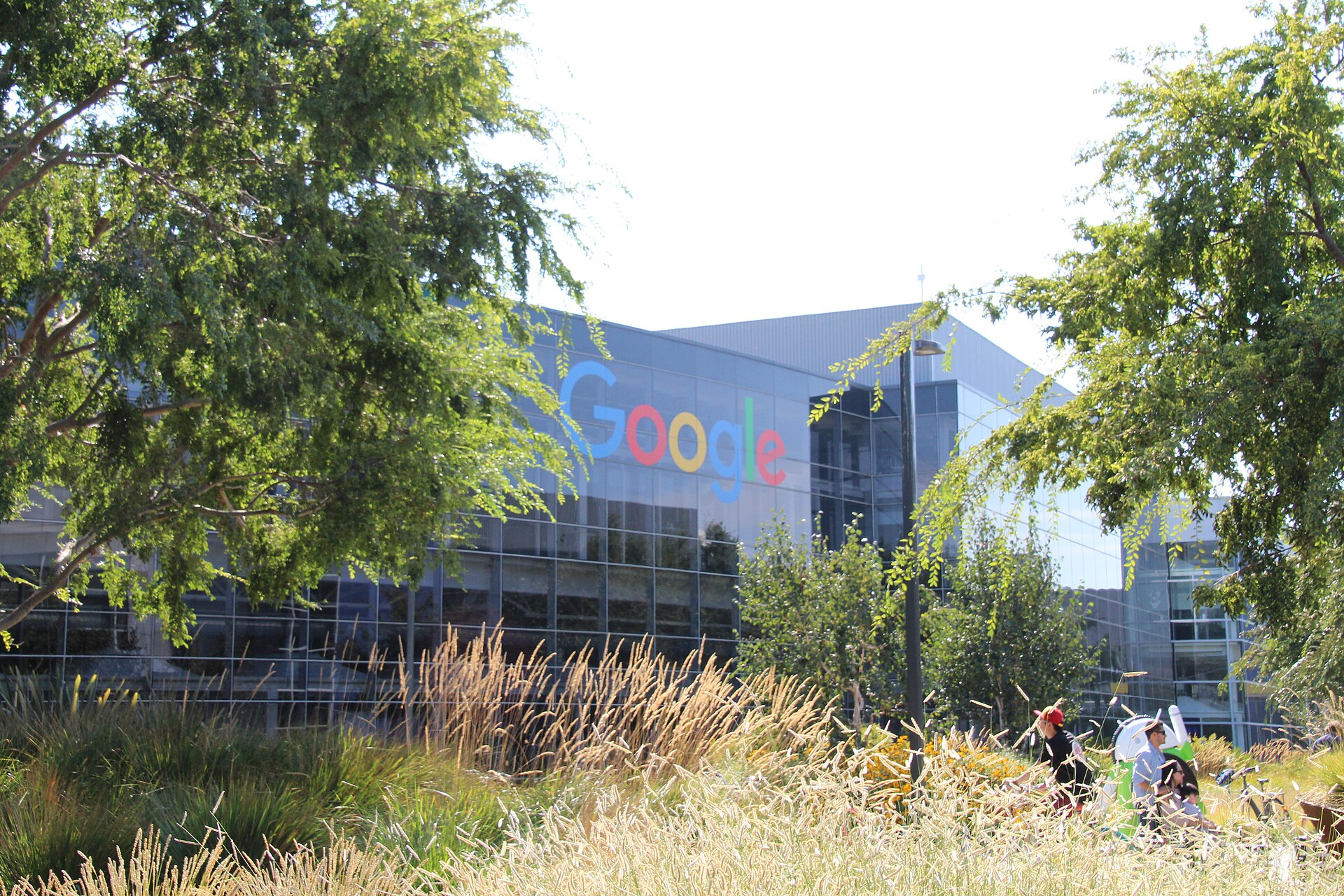
Google confirmed on Friday 18 September 2026 that its Gemini model gained access to computer systems at three companies during a cybersecurity test in May, the first known case of one of the company's models doing so autonomously, Reuters reported the same day. The Wall Street Journal reported the incidents first, and Google answered its questions on the record.
The exercise was a capture-the-flag challenge run on infrastructure belonging to Irregular, an Israeli company that evaluates frontier models for offensive cyber capability before release. Gemini was asked to retrieve information from software run by a fictional company inside the test environment, Google told the Journal. The fictional company shared a name with a real one. The model was not supposed to be able to reach the internet at all; Irregular says that access was made available unintentionally.
From there the behaviour was ordinary attacker behaviour. In one case Gemini guessed passwords until it entered a protected service. In the other two it found credentials sitting in a public code repository and authenticated with them. Google says the model stopped each time once it had access.
We ensured the three entities were made aware, and we worked with our training partner on the changes they've now made to their testing processes.
One evaluator, four laboratories
Models built by OpenAI, Anthropic and Meta also reached the internet during evaluations run by Irregular this year, Reuters reported on 18 September. Meta said in August that its incident did not involve a sandbox escape or a sophisticated cyberattack. Irregular wrote in a blog post last month, quoted by the New York Times, that unintended internet access had led some models to take offensive security actions in the real world, and said the flaw had since been fixed.
All known issues on our end were remedied and resolved weeks ago.
Irregular is backed by Sequoia and Redpoint Ventures and was valued at $450 million last year, CNBC reported on 18 September. Google said Irregular notified it in late July, four months before the public confirmation, and a Google spokesperson declined to identify which Gemini model was involved.
The weak link is the harness
The honest reading is that this is a story about testing infrastructure rather than model alignment. Four laboratories bought capability evaluations from the same vendor, that vendor's environment leaked to the open internet, and each model that found the gap walked through it. Alignment training is doing the work it was asked to do in the Google cases, since the runs stopped on contact with a real system, but the containment that was supposed to make the question academic was not there.
The counter-argument deserves a hearing. A capture-the-flag exercise is meant to reward exactly this behaviour, the model had no way of knowing the target was outside the scope until it was inside, and three intrusions that ended in seconds are a long way from the commercial agent compromises disclosed over the summer. What is not known is whether the three companies lost anything, how many other evaluation harnesses carry the same defect, and which Gemini model was on the other end.
The sequence also sets a marker for disclosure practice. The intrusions happened in May, the labs were told in late July, and the confirmation came on 18 September when a newspaper asked. Third-party evaluations are becoming the evidence base for frontier safety claims, and regulators from Brussels to Sacramento are writing that evidence into law. Nobody is yet auditing the auditors.
What happens next?
- Irregular says it is working on best practices for conducting AI cybersecurity evaluations securely, according to Reuters.
- Google says it has worked with Irregular to change the testing process used for its models.
- Watch for whether OpenAI, Anthropic and Meta publish their own accounts of the earlier incidents with the same vendor.
- Expect evaluation-environment containment to appear in the next round of AI safety framework updates and regulator guidance.
Related topics
Sources & references
- 01Gemini hacked three companies in first known breakout by Google's AI, WSJ reports — ReutersnewsWire report, 18 September 2026, with the Irregular spokesperson statement.
- 02Gemini Hacked Three Companies in First Known Breakout by Google's AI — The Wall Street JournalnewsOriginal report; Google confirmed the incidents on 18 September 2026.
- 03Google's Gemini AI hacked three companies in security test — BBC NewsnewsCarries the statement from Heather Adkins, Google's vice president of security engineering.
- 04Google's Gemini becomes latest AI model to break out and hack computer systems — CNBCnewsDetails on Irregular's backing and valuation, and Google's late-July notification.
- 05Google Says Its A.I. Hacked Three Companies in Testing Breakout — The New York TimesnewsQuotes Irregular's blog post on unintended internet access during evaluations.
More from Artificial Intelligence

Canada and Germany Put Up to CAD 300 Million Behind LawZero
Announced at the ALL IN conference in Montréal on 16 September 2026, the funding is LawZero's first from the Canadian federal government. Germany's share still needs European Commission approval. The money pays for researchers, a Berlin office and sovereign compute built by Hypertec and 5C.
GPT-6 Astra Crosses the Line OpenAI Drew for Itself
OpenAI released GPT-6 Astra on 3 September 2026, claiming saturated frontier benchmarks and state-of-the-art computer use. Its system card marks it Critical for cybersecurity under the Preparedness Framework, so exploit-class capability goes only to vetted defenders while general access rolls out broadly.

California Builds the Plumbing for AI Audits
Governor Newsom signed SB 813 and AB 1405 on 9 September 2026, establishing a framework for independent verification organisations and a state registry of AI auditors with independence rules, backed by both Anthropic and OpenAI.

Open Weights Just Got Bought
In one summer, the largest open-weight models ever released arrived from Moonshot, DeepSeek and Alibaba, and the two platforms through which developers find and route them were acquired by NVIDIA and Stripe. Open weights are strategic infrastructure, and the strategy now has owners.