The Plan to Replace Meta Staff With AI, and Why It Collapsed
Meta modelled cutting some teams by up to 60%, ran one wave of layoffs, then cancelled the second the night before. Its own metrics show why: AI-generated code up 220%, shipped features up 36%, incidents up 40%.
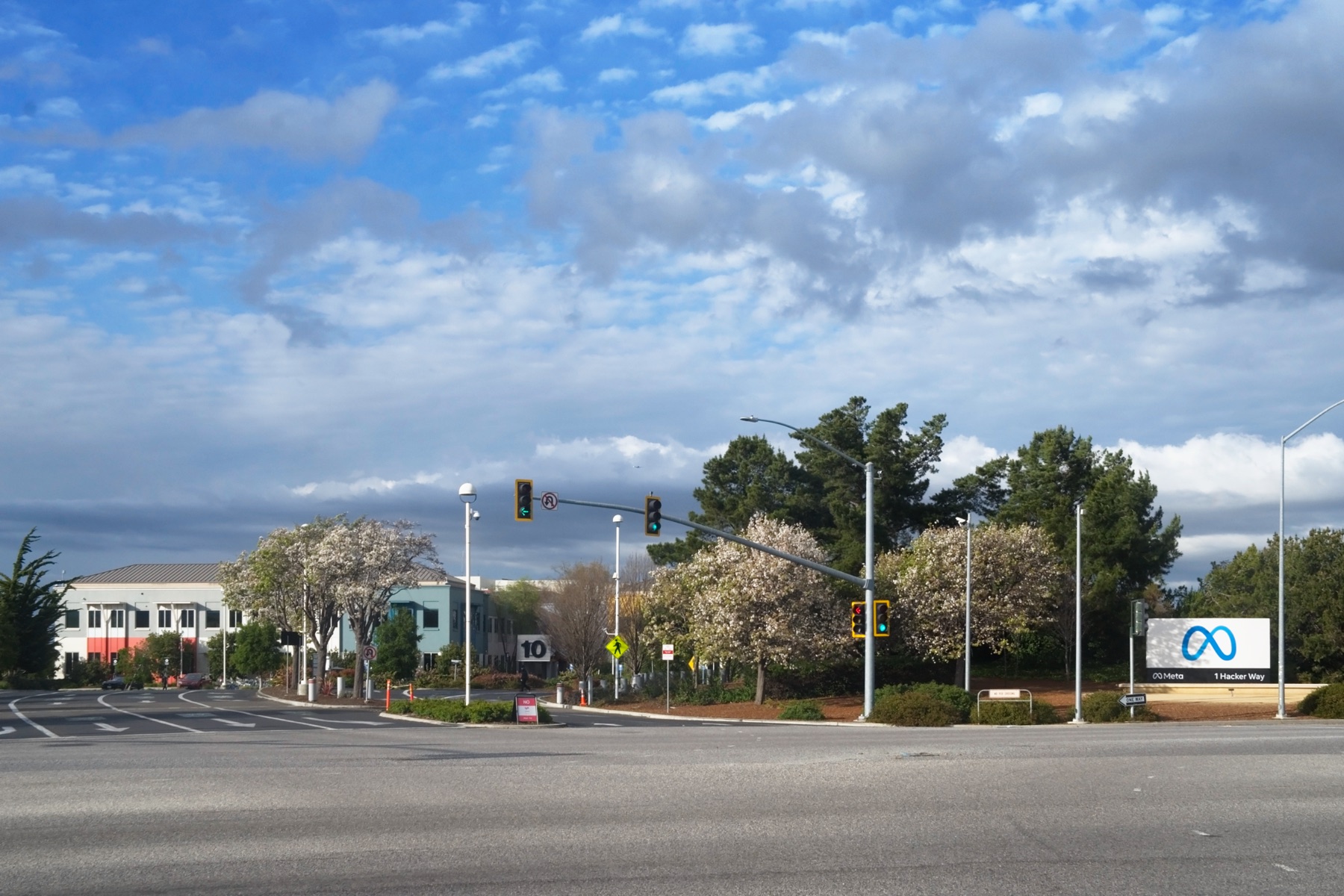
Every conversation about AI-first companies eventually reaches the same question: what happens when the largest employers actually try it? Reuters has now documented the most ambitious attempt to date, inside Meta, based on scores of internal documents, posts and recordings and more than twenty sources. The company confirmed the project. The project did not survive contact with the company's own data.
What Project OT was
According to Reuters, at a January leadership retreat at Mark Zuckerberg's Hawaii compound, Meta drew up Project OT, for Organization Transformation. It envisioned AI taking over much of the daily work performed by thousands of human employees, overseen by what the documents called talent-dense human cadres. Scenario planning explored cutting many teams by as much as 60%; one HR executive projected a reduction as large as or larger than the roughly 25% cuts of three years earlier. The restructuring was to run in two waves, in May and November.
Meta's statement to Reuters confirms the outline while narrowing it: 'As part of our company restructuring earlier this year, we asked some teams to conduct a scenario planning exercise looking at the potential impact of redeployments, open role closures and cuts.' The company said Project OT was a year-long cost-cutting and team-redesign project, that it never intended to lay off 60% of the whole workforce, and that the second wave was cancelled before an overall number was set.
What the data showed
In early June, per a post by Meta's chief technology officer Andrew Bosworth cited by Reuters, code changes to internal platforms were up 220% year on year, but changes that delivered new or upgraded user-facing features were up only 36%. Infrastructure teams had warned of reliability problems from March; an April internal post said unchecked AI agents were performing 'large-scale, disruptive actions that humans are unlikely to execute'. Major technical and security incidents rose 40% year on year and time spent firefighting rose 70%, according to internal posts. Meta declined to comment on that data. In early June, hackers exploited Meta's new AI customer-support bot to access high-profile Instagram accounts.
Meta's internal AI metrics, as reported by Reuters. Change: Code changes to internal platforms 220%, Changes delivering user-facing features 36%, Major technical and security incidents 40%, Time spent firefighting 70%.
How it ended
Hours before the first wave on 20 May, Zuckerberg called off the November wave. Meta proceeded with the 10% cut the next morning, and Zuckerberg posted that he did not expect other company-wide layoffs this year. Reuters reports that employee backlash was fuelled by plans to log keystrokes and mouse movements for AI training, and by the reliability and security problems the tools were causing; Zuckerberg told a July town hall that agentic technology was not proceeding at the pace he had hoped but should improve within three to six months. Engineers were reassigned to a new Applied AI Engineering unit writing software puzzles as training data; headcount in some engineering units fell by as much as 30% by the end of May, and Meta says the unit's data helped train a model released in July.
The context is a company that was not in trouble. Reuters notes Meta's net income rose 22% in the first half of 2026. Elsewhere, the same report lists Oracle shedding 21,000 jobs in its fiscal year, PayPal cutting nearly 5,000 in May to accelerate AI adoption, and Block cutting about 40% in February. On 2 September Uber announced 3,300 layoffs, its largest since 2020, without citing AI.
Who benefits, who is at risk
Beneficiaries: employees at companies that now have a public precedent for what happens when agent throughput is mistaken for delivered output; vendors of agent observability and reliability tooling. At risk: executives who committed to AI-driven headcount targets before measuring feature delivery and incident rates, and the workforce plans built on them.
What happens next?
- Other large employers quietly revise AI headcount targets against feature-delivery and incident metrics.
- Agent reliability and containment become budget lines in engineering organisations.
- Meta's Applied AI Engineering unit becomes a template for redeploying rather than removing engineers.
- Investors ask for output metrics, not code-volume metrics, when companies cite AI productivity.
Related topics
Sources & references
- 01Mark Zuckerberg had a bold plan to replace Meta staff with AI. Here's how it imploded — Reutersnews
- 02How Meta's AI workforce transformation plans went kaput — Reutersnews
- 03Uber to cut 3,300 jobs in overhaul — Reutersnews
More from Future

What Coding Agents Teach Us About the Future of Work
Coding got agents first because it has a feedback loop. The lessons about specification, review and trust apply to law, finance and operations next.