Binance Saw $3.64bn of Net Outflows on Its First Day Back
The exchange restarted withdrawals in phases from 0600 GMT on 1 November, three days after attackers took about $6.3 billion from its hot wallets. Net outflows reached $3.64 billion in the first nine and a half hours, which Binance put at 2.1 per cent of assets under management.
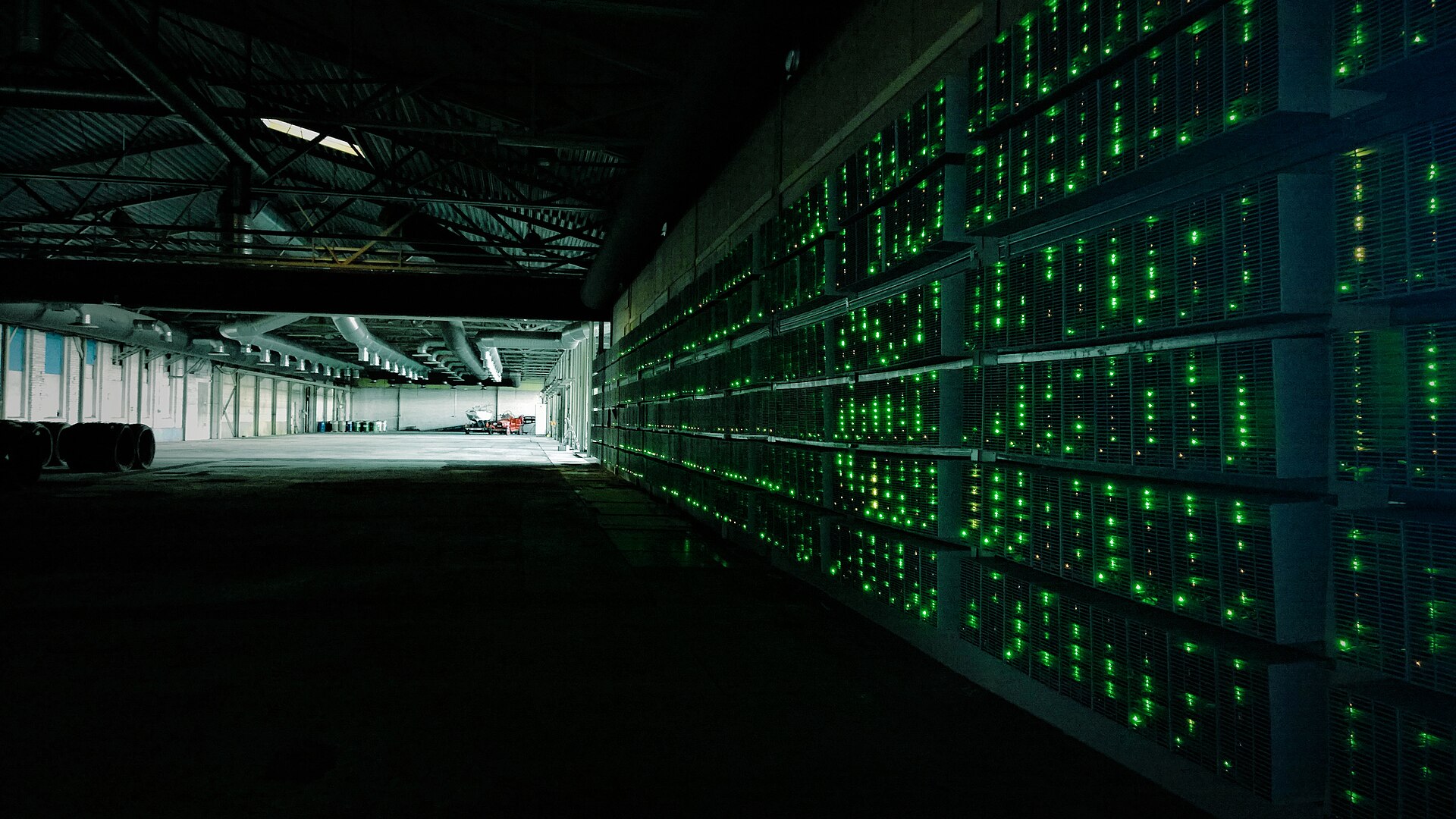
Binance reopened cryptocurrency withdrawals in phases on 1 November 2026 and customers took out $3.64 billion more than they put in over the next nine and a half hours. The exchange, the largest in the world by volume, said in a post on X that the net figure covered 0600 to 1530 GMT and amounted to 2.1 per cent of its $171 billion of assets under management, Reuters reported. Withdrawals had been frozen for more than two days after attackers drained about $6.3 billion from hot wallets on 29 October, the largest cryptocurrency theft on record.
The restart was staged. Reuters reported that the first phase began between 0600 and 0900 GMT, with the bitcoin network going live first, and CNN reported that 15 digital currencies, among them bitcoin, ether and Solana, had been restored by 7:36 a.m. US Eastern time, with further assets and networks to follow as security checks completed. Deposits had been working again for several days before that.
Today, we're beginning the phased resumption of withdrawals, taking a careful approach to ensure services return safely and securely.
Replaced, not recovered
The 95 per cent coverage figure Binance published on 1 November is a statement about replacement rather than recovery. The exchange said on 31 October that it had reached 90 per cent, up from 80 per cent the day before, by spending its own money to buy new tokens: part of the roughly $1 billion Secure Asset Fund for Users, a bitcoin reserve it keeps for breaches, part of its futures insurance fund, and corporate treasury cash. In total it set aside about $6.34 billion internally. The remaining tokens are the least liquid, which Binance says is why they take longer to source in the required amounts.
On 31 October it also took a fresh proof-of-reserves snapshot, timed at 0000 GMT, covering ten tokens including bitcoin, ether, tether, BNB, Solana, USD Coin, XRP, USD1, RLUSD and Zcash, so that holders could verify backing of at least one to one. Separately, cryptocurrency firms working with the exchange froze about $3 billion of the stolen assets on-chain, according to CNN.
A laptop, and a gap in the public account
Teng said on 30 October that the breach was a "complex attack" involving a compromised laptop and malicious software designed to delete evidence of its own activity, which he said made tracing and investigating harder. Binance's earlier account pointed to a compromised engineer's machine as the entry point. What has not been set out publicly is how access to one endpoint became authority to move assets across ten blockchains, and that is the question other custodians need answered rather than the headline number.
The shape of it is the pattern of the autumn. Stolen GitHub tokens put a poisoned LiteLLM build on PyPI and Docker for under three hours in October, as Parallax Nexus reported on 26 October, with the attackers spending harvested cloud credentials hours later. In both cases the signing or release path, not the perimeter, was the thing that failed.
The FBI has attributed the theft to North Korea, Reuters reported, and the blockchain analytics firms TRM Labs and Chainalysis have pointed to the state-linked group known as TraderTraitor. At about $6.3 billion the haul is roughly four times the previous record, the $1.5 billion taken from Bybit in February 2025. The judgment that matters for users is narrower than the attribution: Binance has put its own balance sheet between the theft and its customers and the first day of withdrawals did not break it, with a spokesperson telling Reuters that volumes spiked and then showed "a sharp downward trend". Whether that holds depends on a mechanism the exchange has not yet described.
What happens next?
- Binance says it will keep buying the remaining illiquid tokens through market and over-the-counter channels until coverage reaches 100 per cent for every affected asset.
- The exchange has said it will rebuild the Secure Asset Fund for Users to about $1 billion after drawing on it.
- Remaining assets and networks are due to be restored for withdrawal in further phases as security checks complete.
- A full technical account of how the compromise reached Binance's signing path has not been published.
Related topics
Sources & references
- 01Binance sees spike in customers pulling funds out after covering bulk of stolen $6.3 billion — Reutersnews1 November 2026; 95 per cent coverage, the withdrawal spike and the Binance spokesperson's statement
- 02Binance resumes bitcoin withdrawals after covering bulk of stolen US$6.3 billion — The Straits Times, from Reutersnews1 November 2026; phased restart and the FBI attribution to North Korea's TraderTraitor unit
- 03Binance says it has covered 90% of losses from $6.3 billion hack — Channel NewsAsia, from Reutersnews31 October 2026; the $6.34bn set aside, SAFU and futures insurance fund use, proof-of-reserves snapshot at 0000 GMT on 31 October and Teng's description of a complex attack
- 04Binance withdrawals resume following $6 billion hack — CNNnews1 November 2026; 15 currencies restored by 7:36 a.m. ET, about $3 billion frozen on-chain and Teng's posts on X
More from Security
CISA Adds the Two Ivanti Flaws That Complete the Root Chain
CISA added CVE-2026-111357 and CVE-2026-118527 to its Known Exploited Vulnerabilities Catalog on 30 October 2026. Both entries say the flaws chain with CVE-2026-104935, listed 17 days earlier, completing the path to root that Volexity documented.
CISA Confirms PHP2Shell Is Being Exploited in the Wild
A researcher at Perplexity got a working shell against a honeypot on 24 October 2026. Two days later CISA reversed its position on PHP2Shell, while declining to say who has been compromised or how many production systems are affected.

Mirai Operators Join PHP2Shell Attacks, No Breach Confirmed
The two critical PHP engine flaws known as PHP2Shell have drawn botnet traffic, a working ASLR bypass and an attacker toolkit left publicly browsable, yet no vendor has reported a successful in-the-wild compromise as of 23 October 2026.
Attackers Are Escalating to Root Through a Japanese Web Firewall
A command injection flaw in the SiteGuard Server Edition web application firewall, CVE-2026-106931, is being exploited to run commands as root or SYSTEM. JPCERT/CC alerted users on 14 October 2026 and the vendor told support customers on 29 September.