Fed Holds Rates With Two Votes for a Quarter-Point Rise
The vote was 10 to 2. Lisa D. Cook and Beth M. Hammack both wanted the rate higher, and the statement upgraded its description of growth from solid to strong while leaving the target range alone.
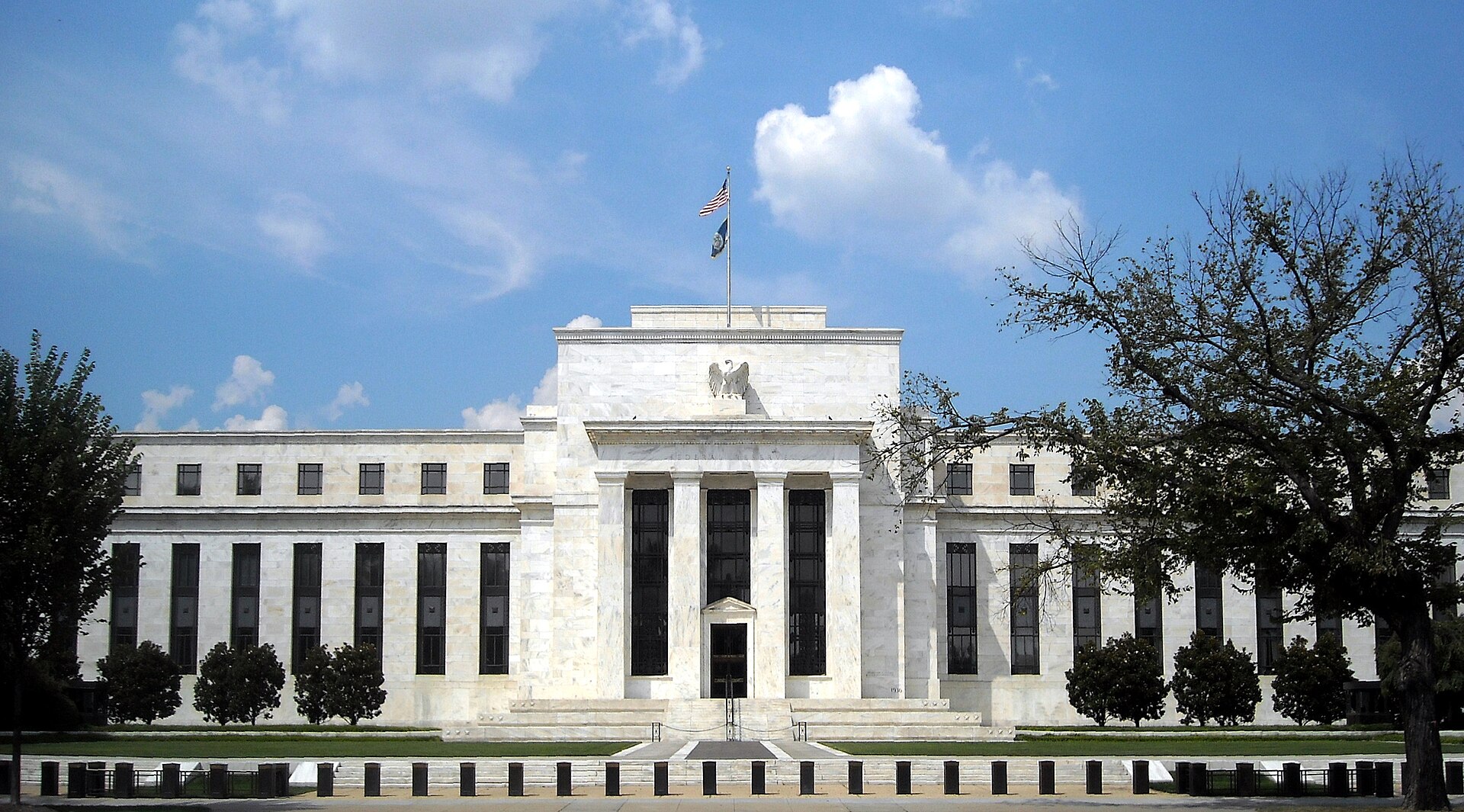
The Federal Open Market Committee left the target range for the federal funds rate at 3.75 to 4 per cent on 28 October 2026, and lost two votes doing it. The statement, released at 2pm Eastern time, records a 10 to 2 decision, with Lisa D. Cook and Beth M. Hammack voting against because they preferred to raise the range by a quarter percentage point at that meeting.
That inverts the usual shape of Fed dissent. The committee had raised the rate by a quarter point to this same 3.75 to 4 per cent range on 16 September 2026, and that decision was unanimous at 12 to 0. Six weeks later the rate is unchanged and the unanimity is gone, with the objection coming from the side that wanted to move faster.
One word moved in the growth assessment
The October statement runs to five sentences of economic assessment, and a single adjective in it changed. In September the committee wrote that economic activity is expanding at a solid pace. In October it wrote that economic activity is expanding at a strong pace. The sentence immediately after was carried over untouched in both documents: "Productivity growth is strong, and capital investment is robust."
The inflation language is where the committee bought itself time. September said that "Today's policy action will support a timelier return to the Committee's 2 percent goal." October replaced that with a sentence about waiting: "The accumulation of more information will help the Committee determine the policy stance appropriate to ensure a timely return of inflation to the Committee's 2 percent goal." Both statements open the same paragraph by saying inflation remains elevated, and both close it with the same four words.
The Committee will deliver price stability.
Describing growth as strong while declining to act on inflation the same paragraph calls elevated is the tension that produced the two dissents. The honest reading is that the majority is leaning on the supply side of its own sentence: if productivity growth really is strong and capital investment really is robust, demand can run warm without forcing prices up, and waiting costs little. Cook and Hammack were not persuaded.
The capital investment sentence the Fed keeps
The committee has now carried the same claim about robust capital investment through two consecutive statements, and the filings of the companies doing the investing are less settled about it. Alphabet's results, filed on 28 October 2026, the same day as the statement, showed capital spending of $51,355m against $42,290m of operating cash flow for the quarter, with buybacks suspended and $29bn of new debt, as Parallax Nexus reported. A central bank citing robust capital investment as grounds for patience is describing, in part, the AI build-out.
The hold itself surprised nobody. In a Reuters poll of 100 economists conducted between 16 and 20 October 2026, 94 expected the committee to leave the range at 3.75 to 4 per cent, and all 100 expected a rise in December. The Wall Street Journal reported Japanese government bond yields edging higher the following morning, reading the statement as a nod towards another increase.
What the statement does not contain is any sense of what would tip the decision. There is no numerical threshold, no description of the data the committee is waiting for, and no projection round until the meeting on 8 and 9 December 2026, according to the Fed's published calendar. The committee also published no explanation of why it upgraded its growth language, and the minutes that might show the argument are not due for three weeks.
What happens next?
- Minutes of the 27 and 28 October meeting are due three weeks after the decision and will show how close the hold was.
- The committee meets again on 8 and 9 December 2026, with a Summary of Economic Projections attached.
- All 100 economists in the 16 to 20 October Reuters poll expected a quarter-point rise at that December meeting.
- Whether the strong pace language survives into the December statement will show if the upgrade was a one-meeting judgement.
Related topics
Sources & references
- 01Federal Reserve issues FOMC statement — Board of Governors of the Federal Reserve SystemprimaryStatement of 28 October 2026, approved by a 10 to 2 vote; records the Cook and Hammack dissents.
- 02Federal Reserve issues FOMC statement — Board of Governors of the Federal Reserve SystemprimaryStatement of 16 September 2026, approved 12 to 0, raising the range by a quarter point.
- 03FOMC meeting calendars and information — Board of Governors of the Federal Reserve SystemprimaryConfirms the 27 to 28 October meeting dates and the 8 to 9 December meeting with projections.
- 04Fed to skip October but raise rates again in December, nearly all economists say: poll — Reuters, via The OlympiannewsPoll of 100 economists conducted 16 to 20 October 2026.
- 05JGB Yields Rise Amid Caution Ahead of BOJ Decision — The Wall Street JournalnewsMarket reaction the morning after the decision.
More from Business

Citi Wins a China Brokerage Licence After Five Years
China's securities regulator cleared Citigroup Global Markets Holdings to establish a wholly owned brokerage in Shanghai, ending an application that had been pending since December 2021 and returning Citi to onshore securities six years after it left its Orient Citigroup joint venture.
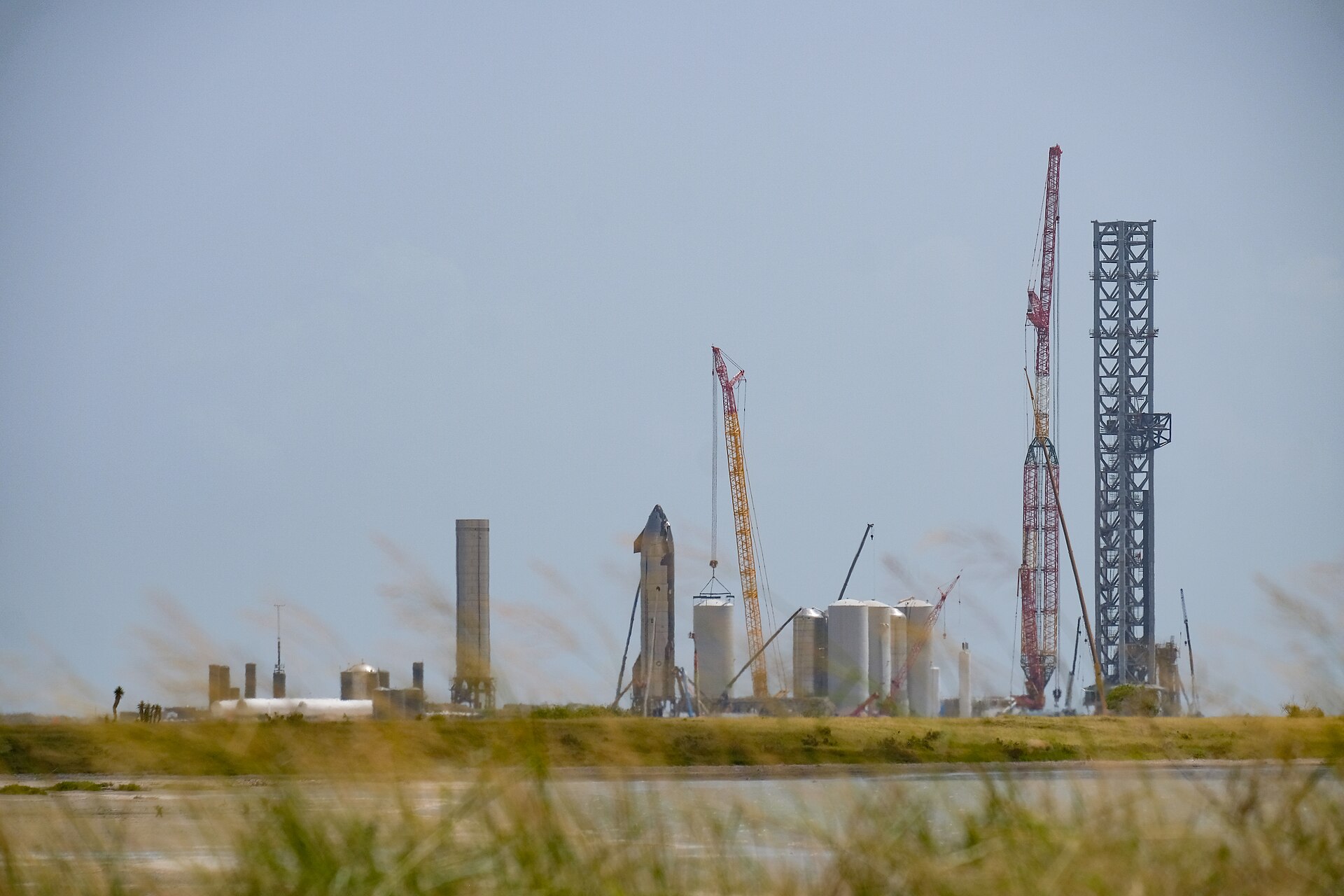
SpaceX Spent $19.6bn of Capex in a $4.4bn Profit Quarter
SpaceX's results for the quarter to 30 September 2026, filed with the SEC on 20 October, show the renamed Super Intelligence segment overtaking Starlink on revenue while absorbing $16.4 billion of capital spending in three months.
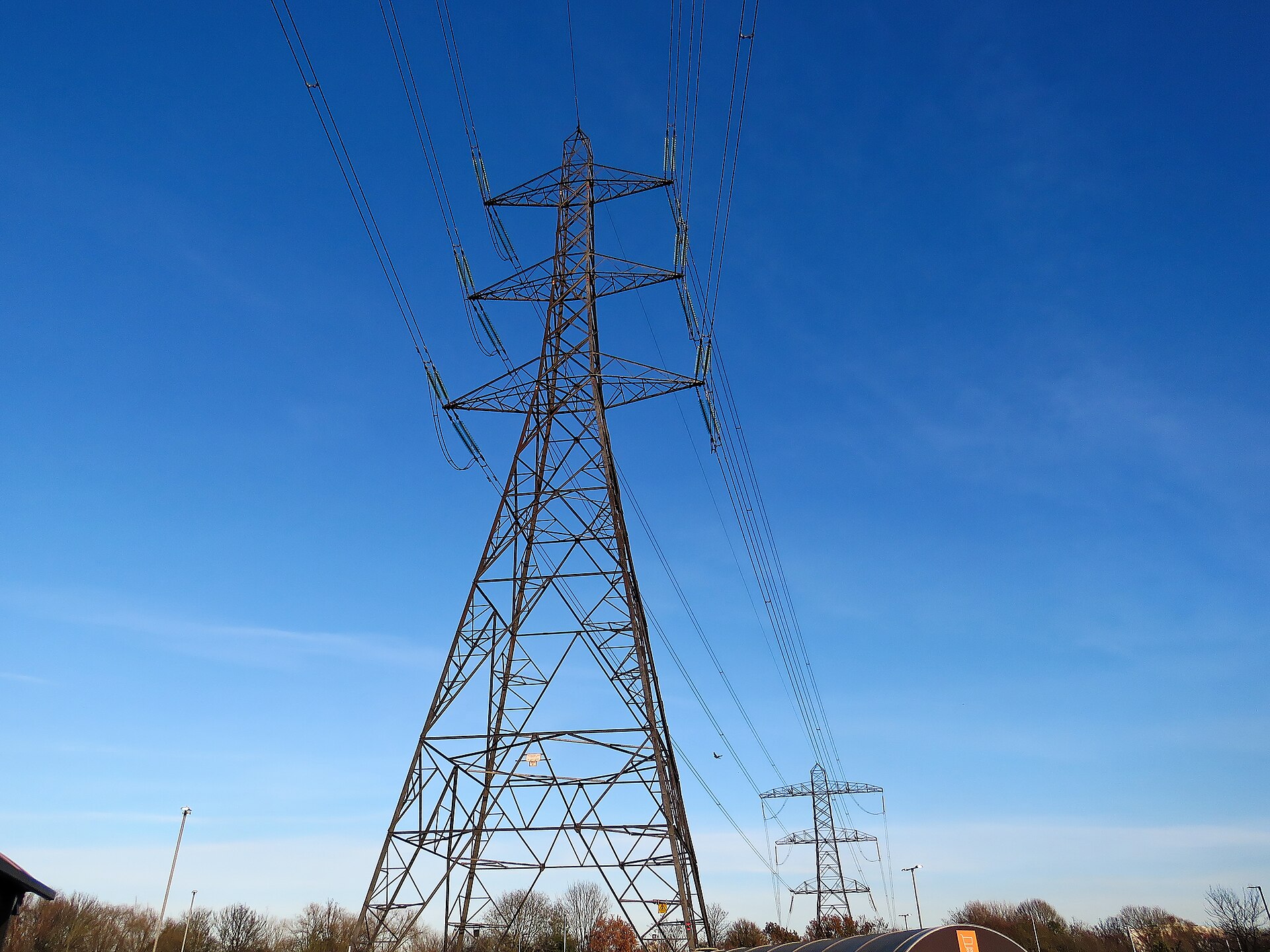
Microsoft Walks Away From Britain's Largest AI Data Centre
Reuters reported on 18 October 2026 that Microsoft has terminated its agreement at Nscale's data centre in Loughton, Essex, where the grid connection has slipped to the 2030s. Nscale says it still intends to build and is looking for alternative power.
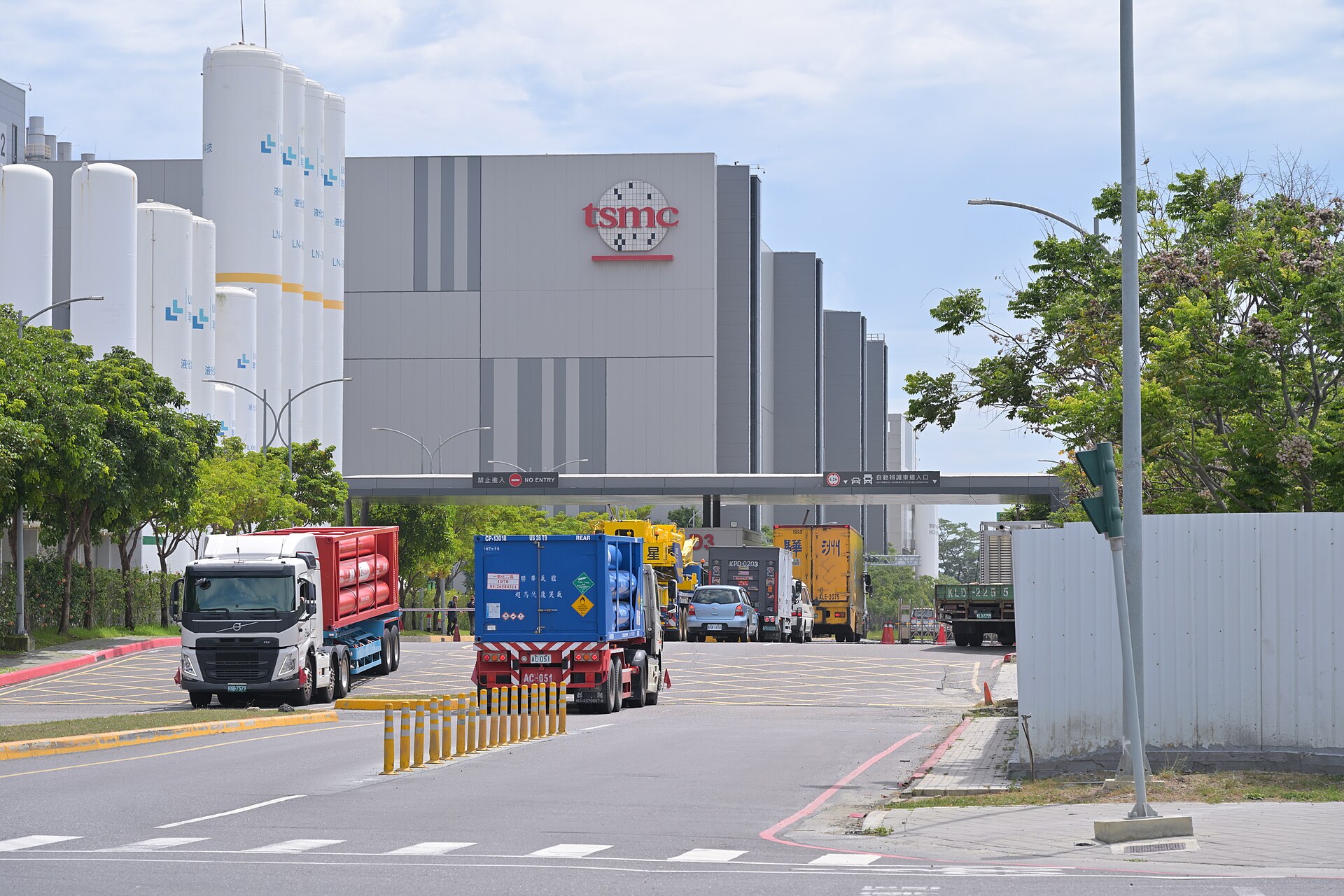
TSMC's 2nm Ramp Took 1.3 Points Off Its Gross Margin
TSMC published its third-quarter results on 15 October 2026: revenue of $46.72 billion above its own guidance, a sixth consecutive record profit, and a gross margin of 66.4 per cent that the chief financial officer tied to the early two-nanometre ramp.