DARPA Gets Hands-On Access to Microsoft's Majorana Qubits
Microsoft opened a 15,000 square foot quantum centre in the University of Maryland's Discovery District on 22 September 2026 and will house a topological system there for the agency to test under a programme asking whether any approach reaches utility scale by 2033.
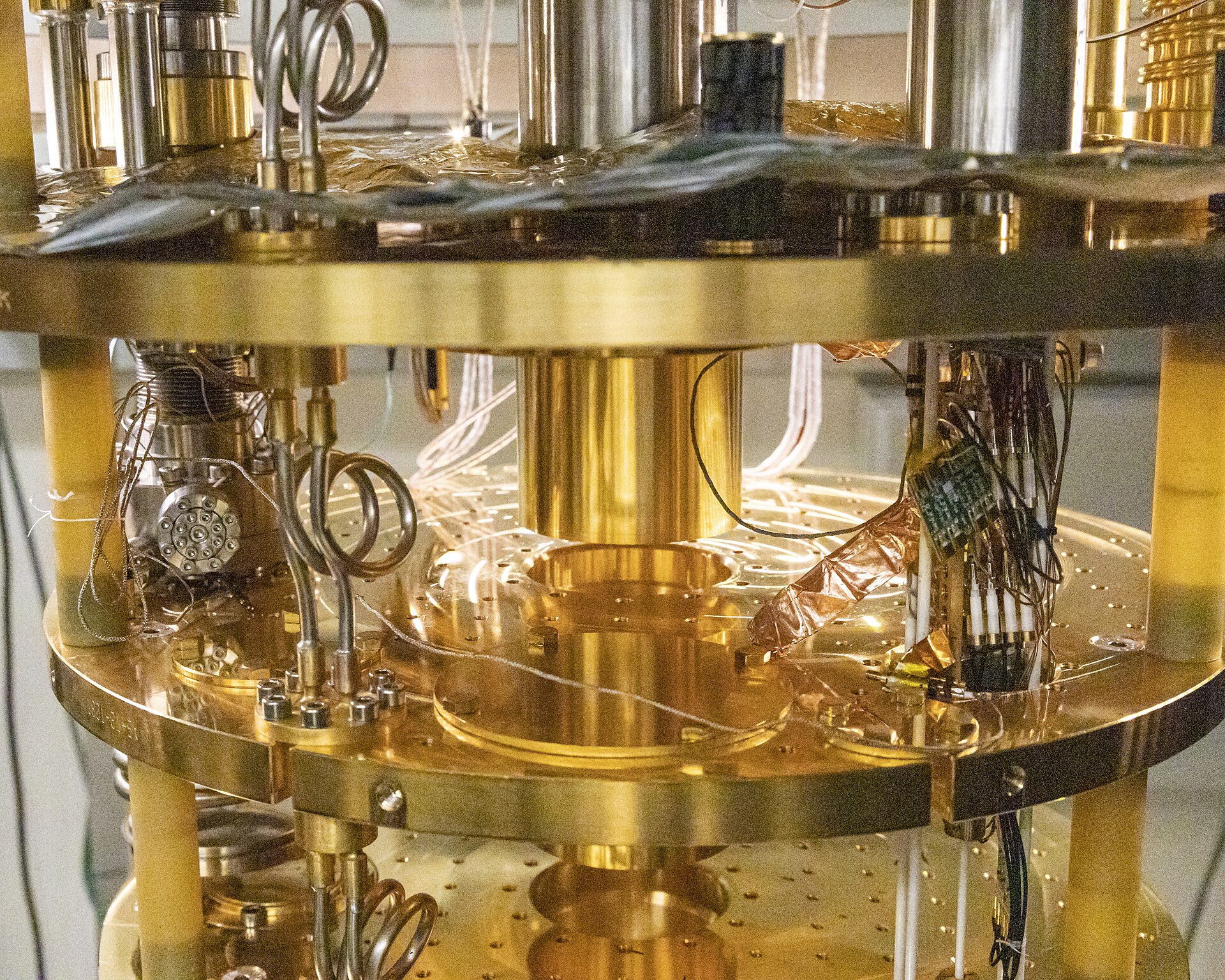
Microsoft said on 22 September 2026 that it has opened a 15,000 square foot quantum research centre in the University of Maryland's Discovery District and will give the Defense Advanced Research Projects Agency on-site access to its latest topological quantum system, including qubits built on the company's Majorana 2 chip. The building holds Microsoft's own research space, laboratories for partner companies, a dedicated DARPA testing area and a training lab.
The access runs through DARPA's Underexplored Systems for Utility-Scale Quantum Computing programme, which sits inside the agency's Quantum Benchmarking Initiative. DARPA's programme page states that the initiative "seeks to determine whether it's possible to build an industrially-useful computer by 2033", and that companies progress through three stages, the last of which has them work with the government to verify and validate that their design can be constructed as drawn and operated as intended. Microsoft says it is among the companies that have reached that stage.
The point is who does the measuring
Microsoft's topological approach is a minority bet. Where IBM and Google have built on superconducting qubits, Microsoft has pursued qubits whose error resistance is meant to come from the physics of the device rather than from layers of correction bolted on afterwards. It introduced Majorana 2 as its second-generation topological chip and said a new material stack, replacing aluminium with lead, improves performance. Those are the company's own figures, produced on the company's own hardware, and parts of the physics community have been openly sceptical of the claims underneath them.
That is what makes the handover more interesting than the ribbon cutting. DARPA writes on its programme page that the initiative is "not a competition between performers" and that it exists to provide unbiased third-party verification and validation of a company's path to a utility-scale machine. Microsoft has now put a working system in a room where an outside team with hardware, control, software and applications expertise can run its own tests on it. According to Microsoft, the evaluation effort also involves the Air Force Research Laboratory, the Johns Hopkins University Applied Physics Laboratory and the Los Alamos, Oak Ridge, Lawrence Berkeley and Lawrence Livermore national laboratories.
A makerspace, postdocs and a workshop series
The rest of the centre is aimed at the shortage of people who can work across cryogenics, control electronics, calibration and software at once. Microsoft is opening a quantum hardware makerspace with initial partners including AMD, Bluefors, Intel, IQM, Fermi National Accelerator Laboratory, Riverlane and Quantum Motion, and says participants will be expected to work through practical problems across the stack rather than theory or software alone. The company is also funding its first quantum postdoctoral positions at the university and plans an annual workshop series on measurement-based quantum computing, the approach in which the results of measurements determine what the machine does next.
Maryland's state-backed Capital of Quantum Initiative acquired and renovated the Discovery Center building, and Microsoft, the university and the initiative designed the quantum facility inside it. DARPA signed an agreement with the state on quantum research in 2025, before any of this concrete existed.
What the announcement does not contain
No qubit count. No error rate. No date for DARPA's verdict. The honest reading is that this is a credibility transaction as much as a research one: Microsoft has spent two years making claims that outside physicists would not take on trust, and handing the machine to a government evaluator is the only move that settles the argument on someone else's terms. The counter-evidence worth holding onto is that nobody, Microsoft included, has yet demonstrated a broadly useful fault-tolerant quantum computer that consistently beats classical hardware on commercially important work, and DARPA's own framing is that it is evaluating every viable approach for which funding exists rather than backing this one.
What happens next?
- DARPA runs its Stage C verification and validation work on the Majorana 2 system at the Maryland site, with no publication date announced.
- Microsoft has said future chips can be swapped into the installed system, so the centre becomes the venue for testing successors to Majorana 2.
- The Quantum Benchmarking Initiative's Stage A topic solicitation stays open until 30 November 2026, keeping the field of evaluated approaches wider than the finalists.
- Independent results, when they come, will show whether topological qubits deliver the error resistance Microsoft has claimed for them.
Related topics
Sources & references
- 01QBI: Quantum Benchmarking Initiative — DARPAprimaryProgramme page. Source of the 2033 goal, the three-stage structure and the verification and validation remit. Checked 23 September 2026.
- 02DARPA, State of Maryland sign agreement to propel quantum research — DARPAprimary2025 agreement underpinning the Maryland siting.
- 03Microsoft Gives DARPA Access to Majorana System, Opens Maryland Quantum Research Center — The Quantum Insidernews22 September 2026. Reports the Microsoft blog post by Charles Tahan, Partner, Microsoft Quantum, including the facility size, partners and participating laboratories.
- 04Microsoft provides DARPA access to quantum system at new Maryland center — Crypto Briefingnews22 September 2026. Notes that earlier DARPA evaluations were conducted remotely and that the installed system is designed to be upgradable.
More from Technology
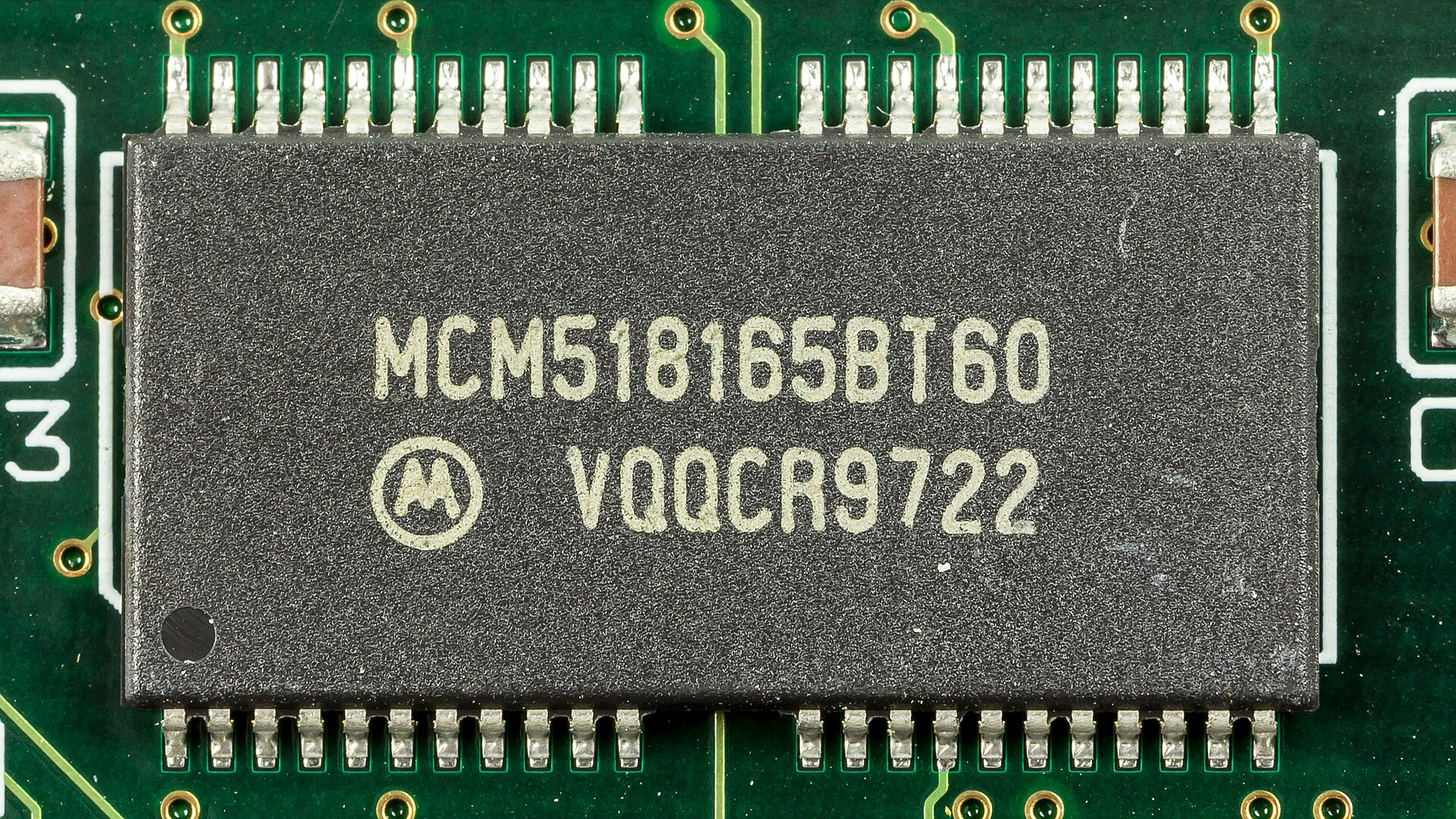
CXMT Puts an 11.95-Nanometre DRAM Platform Into Production
CXMT said on 20 September 2026 that its fifth-generation DRAM platform has entered mass production with the memory array's critical spacing cut to 11.95 nanometres, achieved with quadruple patterning rather than the extreme ultraviolet tools US export controls keep out of China. The company published no yield figure.
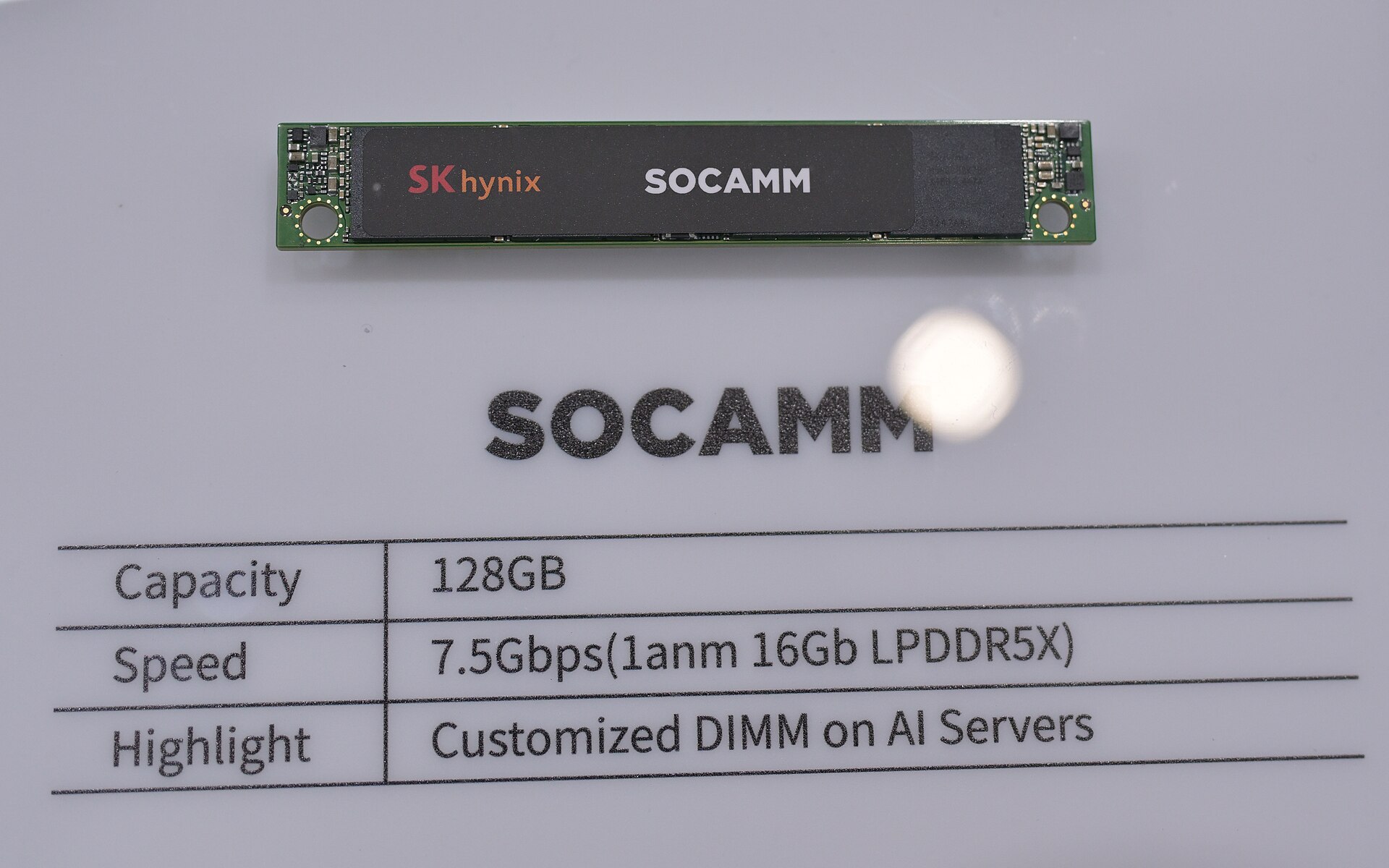
SK Hynix Weighs Making Memory Chips at Intel's Ohio Site
SK Hynix is in talks with Intel about manufacturing memory chips in the United States for the first time, three people familiar with the discussions told Reuters on 16 September 2026. One option is leasing part of Intel's Ohio complex, whose two plants have slipped to 2030 and 2031; another is a venture with Intel and cloud firms seeking memory supply. Any deal involving HBM or DRAM could face review under South Korea's Industrial Technology Protection Act.
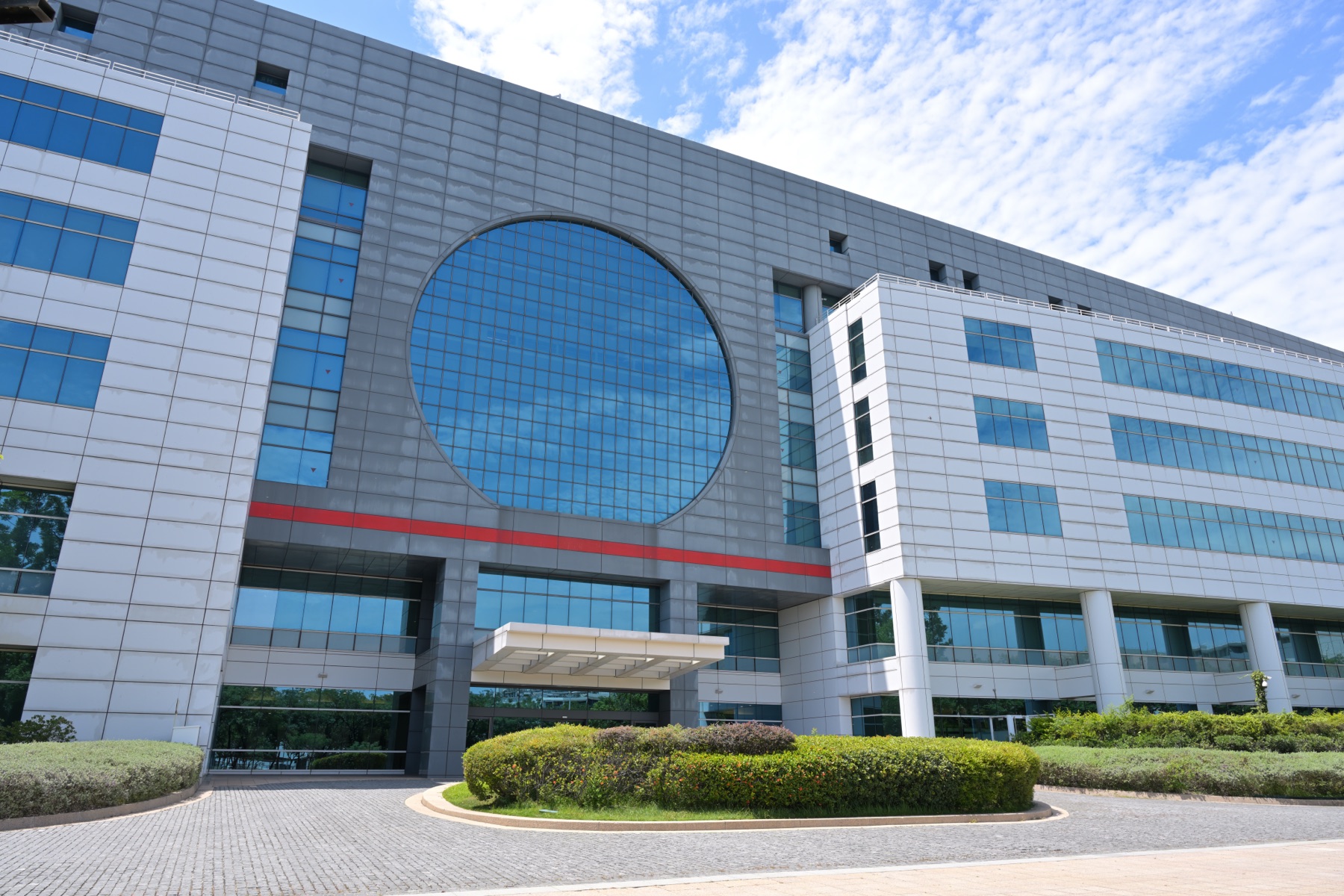
The Chip Industry Agrees to Change a Forty-Year-Old Standard
High-NA EUV's optics halve the exposure field, forcing large AI dies to be stitched from two exposures at a heavy throughput cost. On 8 September 2026 the leading-edge industry aligned on a move to 12-inch masks, with TSMC targeting High-NA in high-volume manufacturing from 2030 and Samsung planning High-NA for DRAM by 2028.
Amazon Takes a Stake in Its Next Chip Supplier
Qualcomm announced a multi-generation collaboration with Amazon on custom AI inference silicon and 1.6T optical connectivity on 8 September 2026. An SEC filing shows Amazon received a warrant for up to 25 million Qualcomm shares at $161.26, vesting in tranches tied to commercial arrangements and purchases up to a $60 billion cap.