Nvidia Floats $2,000 a Year per GPU for Agent Software
Jensen Huang put the cost of running Nvidia's AI agent software at about $2,000 per GPU per year during a question and answer session at GTC Berlin on 22 October 2026. Nvidia's existing AI Enterprise platform lists at $4,500 per GPU for a year.
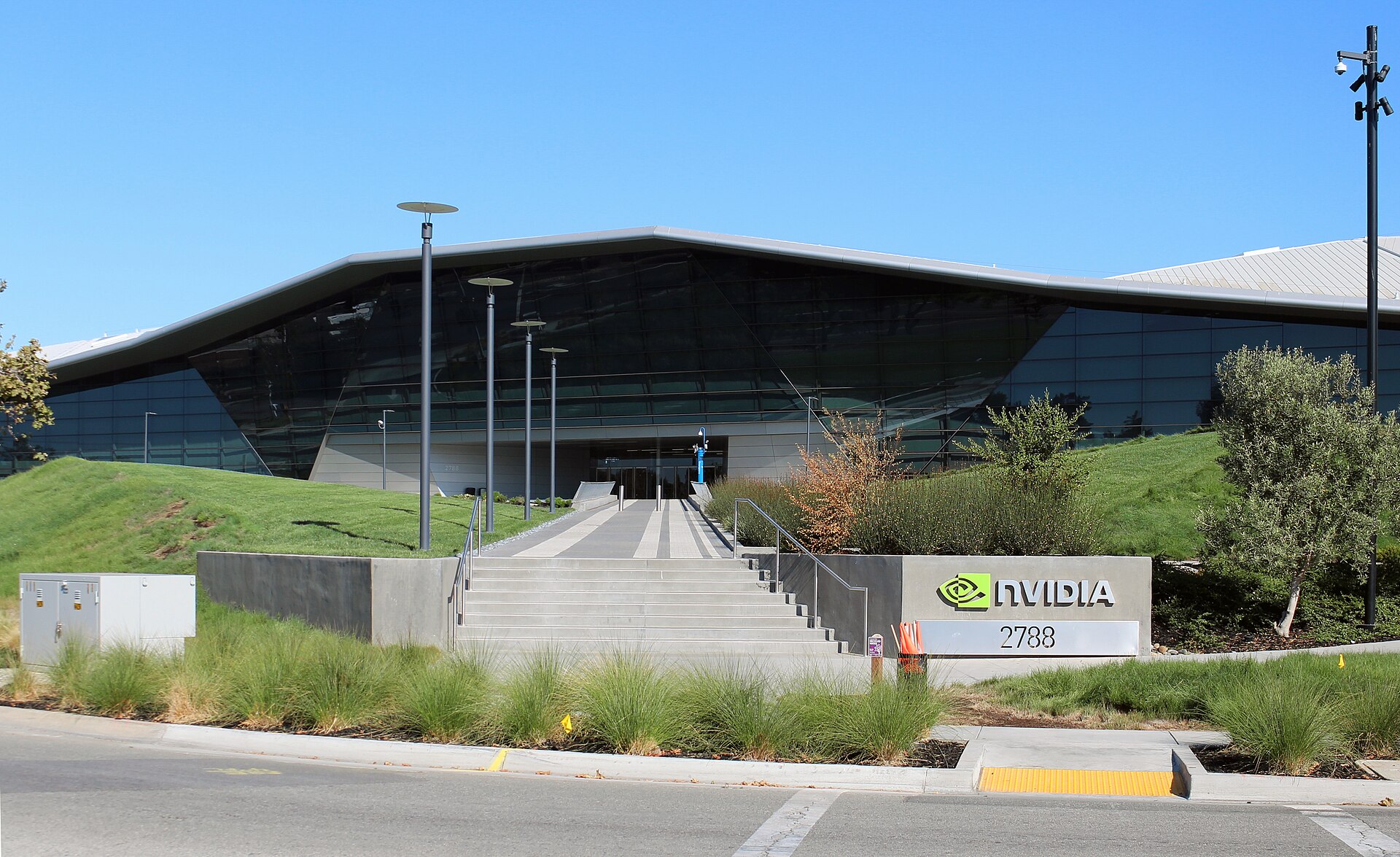
Jensen Huang put a number on Nvidia's software ambitions at GTC Berlin on 22 October 2026: about $2,000 per GPU per year to run the software that operates AI agents on what the company calls AI factories. He offered it during a question and answer session, as an illustration rather than a price list. The Register reported the remark the same day.
Software licensing will become increasingly a major part of our company's business. The way that we license will be…for example, it's about $2,000 per GPU per year to run all the software that Nvidia provides that runs agents on these AI factories.
The figure is strange in one direction. Nvidia already sells AI Enterprise at a list price of $4,500 per GPU for a one-year subscription, more than twice what Huang quoted. The company has not said whether the two cover the same products or the same licensing terms, which is why the $2,000 should not be read as a price cut on anything.
What has not been said
Almost everything that would make the number usable is missing. Nvidia has not disclosed how many GPUs would fall under the proposed fee, whether $2,000 is a standard price or an example, which software it would cover, how it would overlap with AI Enterprise, or when it might start. The arithmetic circulating since Huang spoke, five million paid licences producing $10 billion a year and $50 billion over five years, comes from FourWeekMBA rather than from Nvidia, and rests on a licence count nobody outside the company has.
Scale is the reason a software line item registers at all. The Register, reporting the GTC Berlin remarks on 22 October 2026, put Nvidia's fiscal 2026 revenue at $215.9 billion and net profit at $120 billion, and noted that net profits in the first half of fiscal 2027 were already close to the whole of the prior year. Against that, a recurring per-GPU fee is a margin question rather than a survival one.
Why the billing unit matters
Charging per GPU per year does something different from charging for a chip once. It turns an Nvidia estate into a recurring cost that scales with fleet size rather than with how hard the fleet is worked, and it arrives while large buyers are deciding whether to stay on Nvidia silicon. Huang has been arguing the broader case for a while, telling the BG2Pod podcast that "One of these days, people might not categorize us as a chip company anymore", and pointing to Nvidia's reach into networking, systems, enterprise software and AI agent security across healthcare, automotive, telecommunications and life sciences.
Microsoft unveiled Maia 300 on 12 October 2026 and said it would scale its in-house accelerator family to multi-gigawatt deployments from 2027, as Parallax Nexus reported. An annual per-GPU software charge is one more entry on the side of the ledger that custom silicon is meant to avoid, although Nvidia's software is also a large part of what makes its hardware awkward to leave.
A trial balloon with a chosen shape
The honest reading is that this was a trial balloon rather than a launch. A chief executive who meant to announce pricing would not do it in a Q&A, in a round number, below the list price of a product the company already sells, without naming the product. What cuts against dismissing it is that Huang picked the per-GPU, per-year unit out loud, in front of European customers, at an event built around sovereign AI infrastructure. Companies rarely choose a billing unit by accident.
GTC Berlin ran from 20 to 22 October 2026, with Huang's keynote on 21 October and the pricing remark coming the day after. Nvidia has published the keynote in full. It has not confirmed the $2,000 figure as pricing, and the reports that followed cite the Q&A remark and nothing else from the company.
What happens next?
- Nvidia has not published terms, scope or a start date for the fee, and has not said how it would relate to the existing AI Enterprise subscription.
- Nvidia reports its next quarterly results in the coming weeks, the first opportunity for management to be asked about software licensing on the record.
- Hyperscalers building their own accelerators, Microsoft among them, will price any recurring Nvidia software charge into the case for custom silicon from 2027.
Related topics
Sources & references
- 01Nvidia's Huang: Don't mention the AI-pocalypse — The RegisternewsPublished 22 October 2026. Originating report of the $2,000 per GPU remark, and the source of Nvidia's fiscal 2026 revenue and net profit figures.
- 02Nvidia discusses $2,000-per-GPU annual software fee for running agents on AI infrastructure — Tom's HardwarenewsAccessed 26 October 2026. Source of the verbatim quote, the AI Enterprise list price of $4,500 per GPU, the BG2Pod remark and the FourWeekMBA projection.
- 03NVIDIA Eyes Software Revenue With a $2,000 per GPU Yearly Figure From Huang — TechPowerUpnewsPublished 25 October 2026. Confirms the remark came in a GTC Berlin Q&A and was offered as an example rather than a formal price.
- 04GTC Berlin AI Conference, 20-22 October 2026 — NvidiacompanyNvidia event page, accessed 26 October 2026, for the conference dates and programme.
- 05NVIDIA GTC Berlin 2026 Keynote With CEO Jensen Huang — NvidiacompanyFull keynote published by Nvidia, posted 23 October 2026.
More from Technology

US Treasury Adds Russia and North Korea to Investment Curbs
Treasury has proposed regulations implementing the Comprehensive Outbound Investment National Security Act, expanding the outbound investment screening regime from China to Russia, Iran, North Korea and Cuba. Public comments run through 7 December 2026.
CXMT Guided to 742% Revenue Growth and Its Shares Still Fell
ChangXin Memory Technologies estimated January to September revenue of 265bn to 270bn yuan, up 742 per cent, and net profit of up to 132.5bn yuan. Its chairman proposed a buy-back of up to 2bn yuan; the shares dropped 6.5 per cent on 19 October.
Japan Will Fund $21bn of Chip Fabs the US Part-Owns
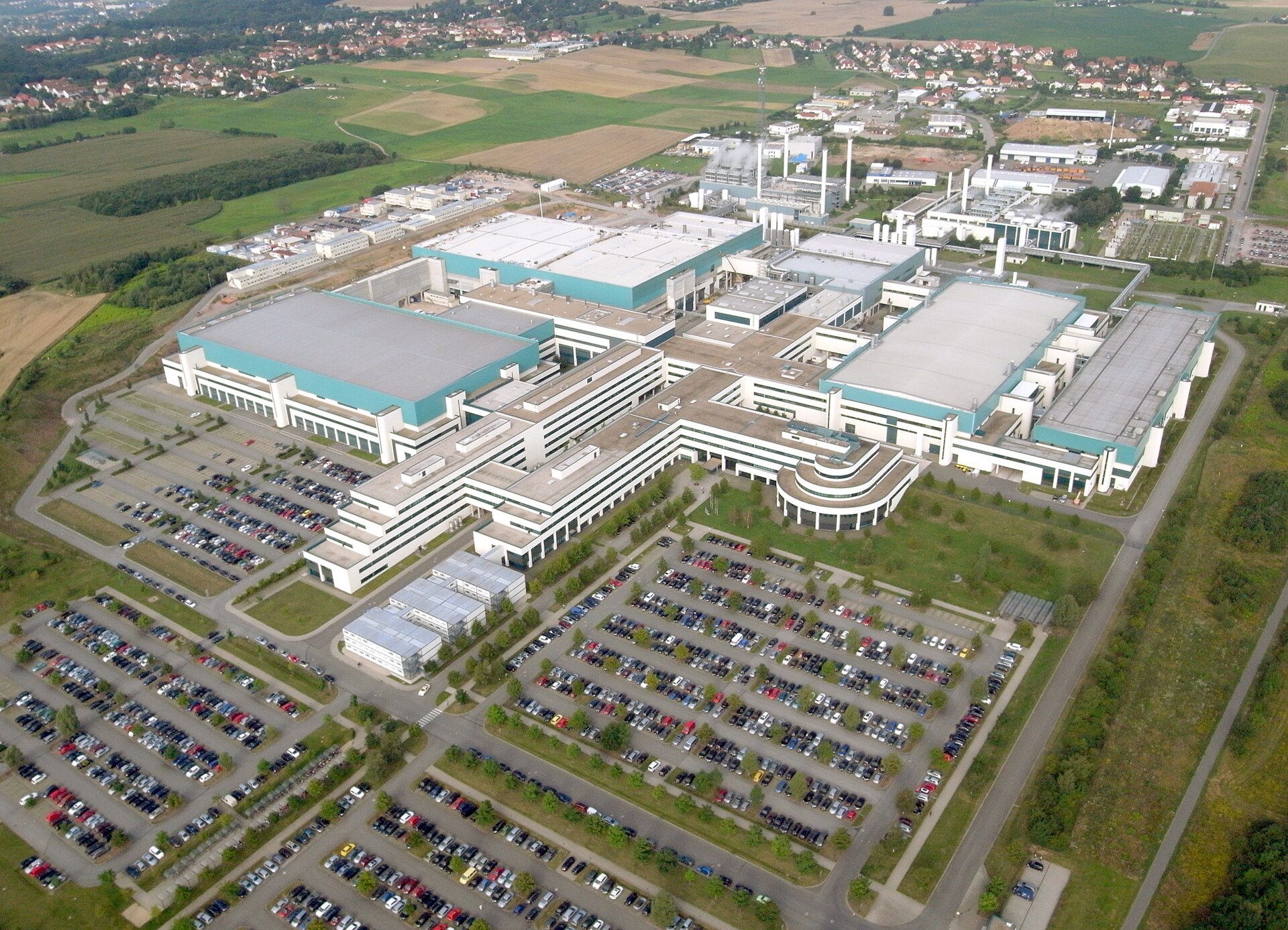
Japan will invest up to $21 billion in two semiconductor plants in New York state that GlobalFoundries will build and run but not own, the company said on 14 October 2026. Reuters reported the factories will be jointly owned by the US government and Japanese interests, and that Washington is taking a further 4 per cent of GlobalFoundries itself.

ASML Says Its 2027 and 2028 Supply Will Fall Short of Demand
ASML reported third-quarter net sales of €11,662 million and net income of €4,960 million on 14 October 2026, raised its full-year outlook to €44 billion to €45 billion, and said customers are asking about orders for 2029 and 2030. It published no quarterly bookings figure.