CXMT Guided to 742% Revenue Growth and Its Shares Still Fell
China's largest memory maker told the Shanghai Stock Exchange on 16 October 2026 that it expects nine-month net profit of 131bn to 132.5bn yuan, against a 5.28bn yuan loss a year earlier. The stock fell anyway, and the filing does not separate price from volume.
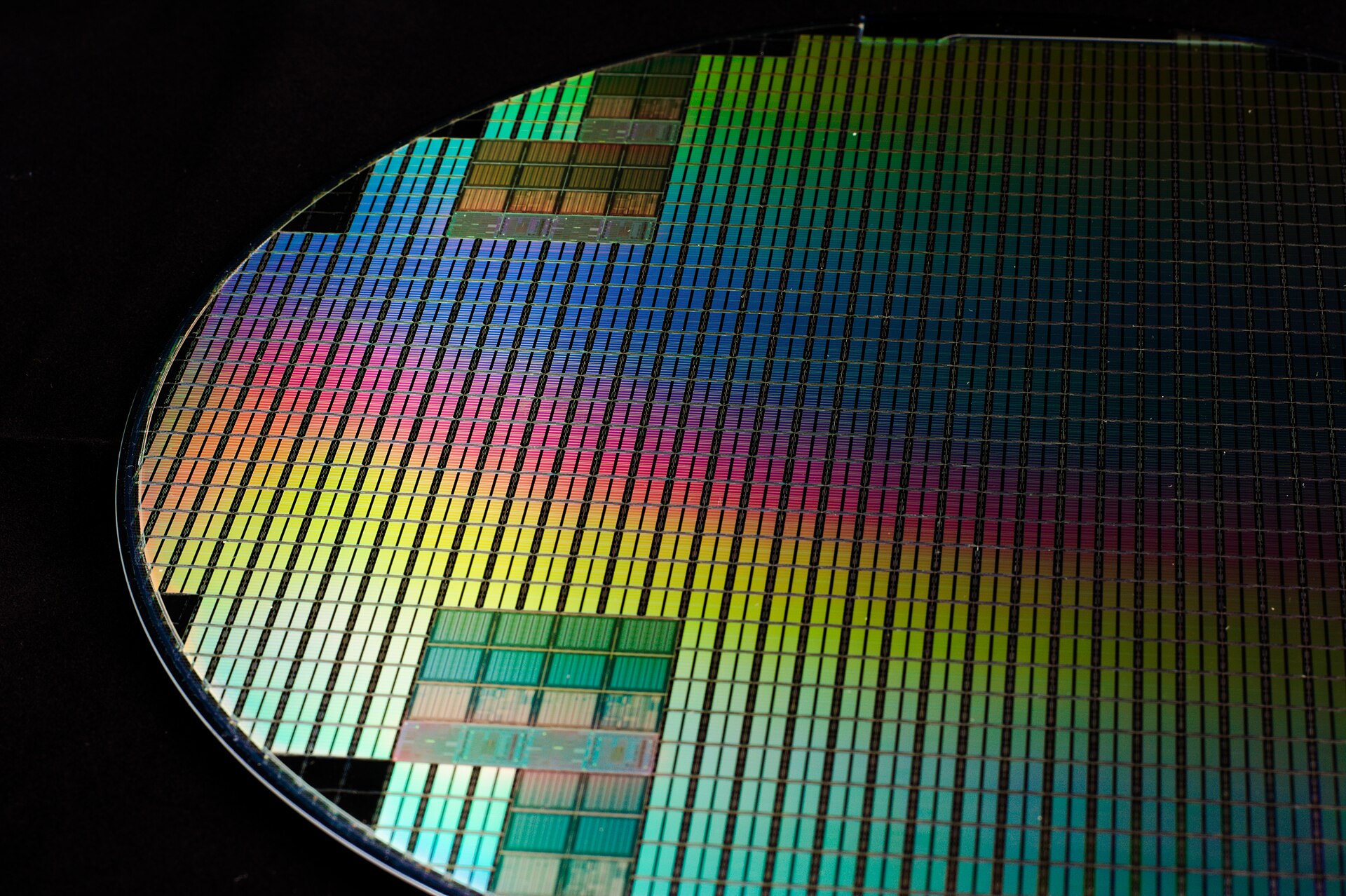
ChangXin Memory Technologies, the Hefei company that is China's largest maker of DRAM, told the Shanghai Stock Exchange late on Friday 16 October 2026 that it expects revenue of 265bn to 270bn yuan for the first nine months of the year. That is between $39.61bn and $40.36bn, and it compares with 32.08bn yuan in the same period of 2025, a rise the South China Morning Post calculated at 742 per cent.
Net profit attributable to shareholders is estimated at 131bn to 132.5bn yuan, or roughly $19.6bn to $19.8bn, against a loss of 5.28bn yuan a year earlier. The filing attributes the swing to demand for AI computing power since the second half of 2025, which it says left the DRAM market short of supply and pushed prices up sharply. The numbers are a preliminary estimate and have not been audited.
The estimate went up and the share price went down
CXMT shares fell 6.5 per cent on Monday 19 October, CNBC reported. The immediate cause was not the filing but the week before it: Bloomberg reported that a closely watched semiconductor gauge had just posted its longest run of declines since 2008, and the iShares Semiconductor ETF fell 11.8 per cent over the week, its worst since March. Memory has been the loudest part of that trade in both directions.
Alongside the estimate, chairman Zhu Yiming proposed buying back 1bn to 2bn yuan of shares, about $150m at the top end, over 12 months, pending board or shareholder approval, to fund employee incentive plans or reduce registered capital. The buy-back is the tell. A company that has just estimated almost $20bn of nine-month profit does not need to signal confidence in its earnings; it is signalling about its share price, which the SCMP reported in August had made CXMT China's most valuable listed company shortly after its July flotation.
What the nine-month figure implies for July to September
CXMT reported first-half revenue of 150.3bn yuan and net profit of 77.6bn yuan on 28 August 2026, according to Reuters. Subtracting those from Friday's estimate implies a third quarter of roughly 115bn to 120bn yuan of revenue and about 53bn to 55bn yuan of attributable profit. The first half averaged about 75bn yuan of revenue a quarter, so the implied third quarter is more than half again as large as the two that preceded it.
| Period | Revenue (bn yuan) | Net profit attributable (bn yuan) |
|---|---|---|
| First half 2026, reported | 150.3 | 77.6 |
| January to September 2026, estimate | 265 to 270 | 131 to 132.5 |
| Third quarter 2026, implied | about 115 to 120 | about 53 to 55 |
What the filing does not say is how much of that came from selling more memory and how much from charging more for it. CXMT names price increases as a cause without quantifying them, so the underlying growth in shipped bits cannot be worked out from the disclosure. The same gap ran through Samsung's and TSMC's October reporting, as Parallax Nexus noted when the two published on the same day, and it is the single most important number for judging whether these margins survive the cycle.
Fourth place, closing
Counterpoint Research data cited by CNBC puts CXMT at 10 per cent of global DRAM revenue, double its share a year earlier, which leaves it fourth behind Samsung Electronics, SK Hynix and Micron Technology. Its first-half results had already beaten its own pre-IPO guidance of 110bn to 120bn yuan of revenue by about a quarter, on the SCMP's calculation.
The honest reading is that this is a price-cycle document rather than a market-share document. State-backed capacity funded by $20bn of windfall profit is how memory booms usually end, because the supply that breaks the price is the supply the high prices paid for. CXMT has given no capacity guidance, and the audited figures are still to come.
What happens next?
- CXMT must publish audited third-quarter results; Friday's figures are preliminary and unaudited.
- The proposed 1bn to 2bn yuan buy-back needs board or shareholder approval before it can begin.
- Watch for capacity announcements from CXMT, Samsung, SK Hynix and Micron, which determine when the DRAM shortage ends.
- Western Digital, SanDisk and Micron reporting will test whether the memory price surge is still accelerating.
Related topics
Sources & references
- 01China's CXMT sees shares drop over 6% as investors look past chipmaker's profit turnaround — CNBCnewsPublished 19 October 2026; source for the filing figures, the 6.5 per cent fall and the Counterpoint share estimate.
- 02CXMT forecasts up to US$19.8 billion in 3 quarters' net income; pledges share buy-back — South China Morning PostnewsSource for the 742 per cent revenue figure and the Zhu Yiming buy-back proposal.
- 03China's CXMT Expects Over Eightfold Revenue Jump Amid Memory Squeeze — The Wall Street JournalnewsIndependent confirmation of the revenue range from the late Friday filing.
- 04China's CXMT posts first-half profit after revenue surge — ReutersnewsPublished 28 August 2026; source for first-half revenue of 150.3bn yuan and net profit of 77.6bn yuan.
- 05US Stock Futures Rise Ahead of Busy Earnings Week: Markets Wrap — BloombergnewsSource for the semiconductor gauge's longest run of declines since 2008.
More from Technology
Nvidia Floats $2,000 a Year per GPU for Agent Software
Nvidia's chief executive named a per-GPU, per-year price for the software that runs AI agents on its hardware, in remarks at GTC Berlin on 22 October 2026 first reported by The Register. The company has not confirmed the scope, the product or the start date, and the figure sits below the list price of a product it already sells.

US Treasury Adds Russia and North Korea to Investment Curbs
Treasury has proposed regulations implementing the Comprehensive Outbound Investment National Security Act, expanding the outbound investment screening regime from China to Russia, Iran, North Korea and Cuba. Public comments run through 7 December 2026.
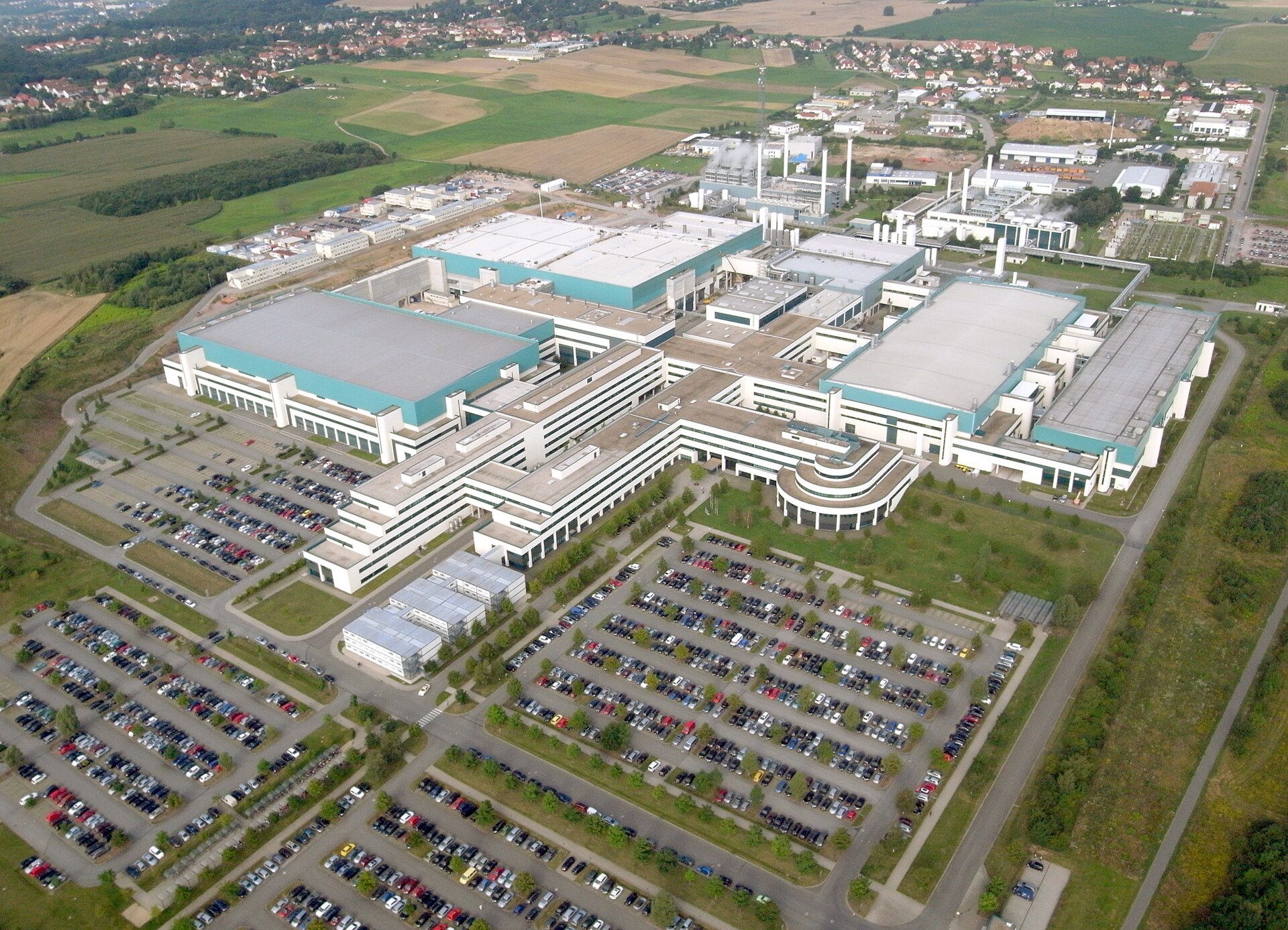
Japan Will Fund $21bn of Chip Fabs the US Part-Owns
Japan will invest up to $21 billion in two semiconductor plants in New York state that GlobalFoundries will build and run but not own, the company said on 14 October 2026. Reuters reported the factories will be jointly owned by the US government and Japanese interests, and that Washington is taking a further 4 per cent of GlobalFoundries itself.
ASML Says Its 2027 and 2028 Supply Will Fall Short of Demand
ASML reported third-quarter net sales of €11,662 million and net income of €4,960 million on 14 October 2026, raised its full-year outlook to €44 billion to €45 billion, and said customers are asking about orders for 2029 and 2030. It published no quarterly bookings figure.