Chips Earned Half of Everything South Korea Sold Abroad
Semiconductor exports reached $60.30 billion in September, 49.9% of the national total, as South Korea's monthly exports passed $120 billion for the first time.
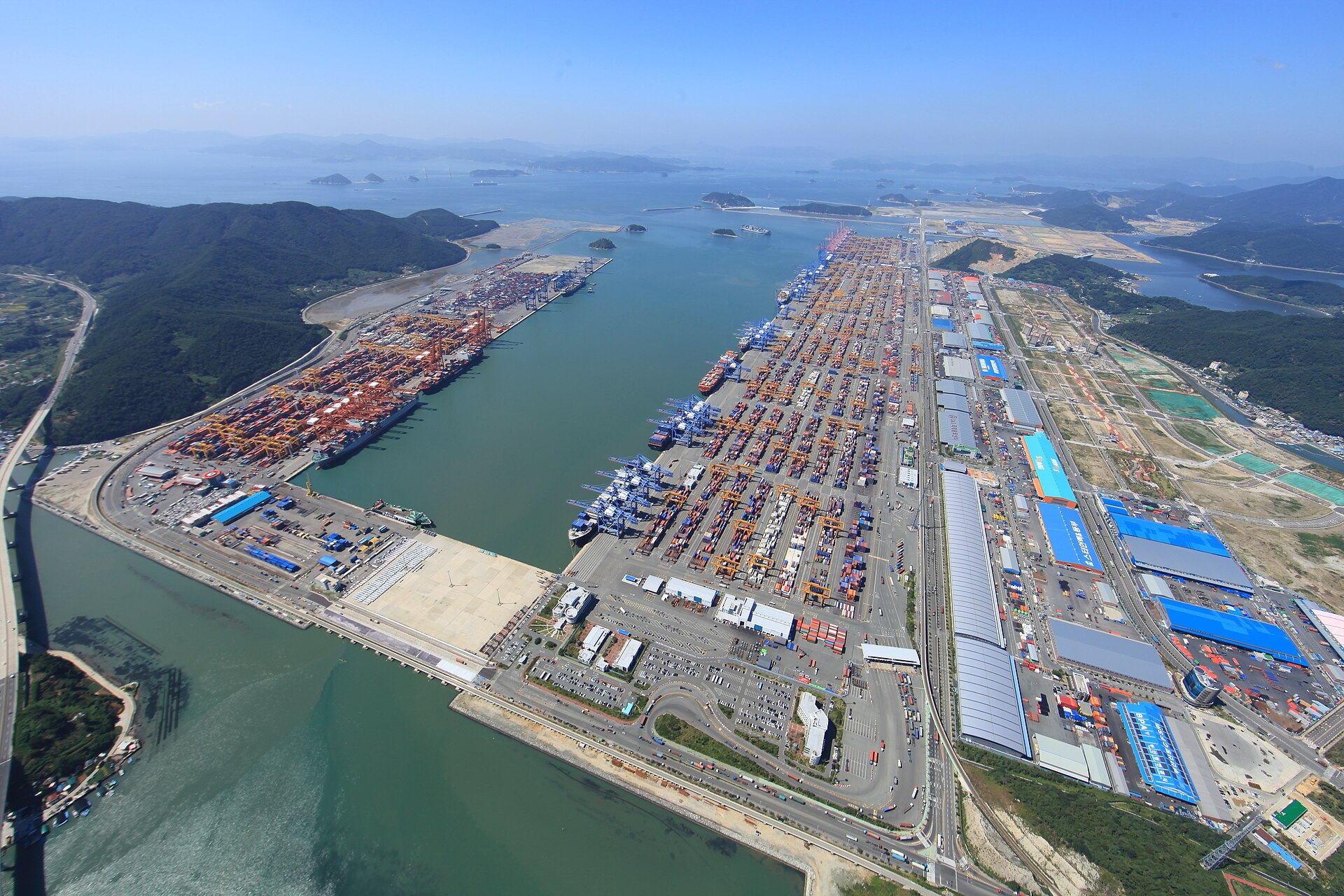
South Korea's semiconductor exports reached $60.30 billion in September, the first month above $60 billion and 49.9% of everything the country sold abroad, the Ministry of Trade, Industry and Resources said on 1 October 2026. Total exports rose 83.5% from a year earlier to $120.94 billion, also a first above $120 billion. Chips now earn close to one dollar in every two that Korea takes from the rest of the world.
The ministry put imports at $71.09 billion, up 26.0%, leaving a trade surplus of $49.85 billion, the largest it has recorded. Semiconductor exports rose 262.8% year on year and beat the previous monthly high of $46.7 billion, which had been set only in August 2026. The previous record for total monthly exports, $102.0 billion, was three months old, set in June.
What the other nineteen categories did
Strip the chips out and the month looks ordinary. Non-semiconductor exports rose 23% in September, against 262.8% for semiconductors, and exports grew in 11 of Korea's 20 key export items. Petroleum products rose 72% to $7.22 billion and ship exports gained 29.9% on deliveries of LNG carriers and very large gas carriers. Cosmetics climbed 31.4% to $1.51 billion on demand from China, the United States and the European Union. Automobiles fell 5.5% to $6.05 billion, which the ministry attributed partly to the Chuseok holiday shifting from October 2025 into September 2026, noting that average daily car exports rose 5.5%.
South Korea's September 2026 exports by selected item. Export value: Semiconductors 60.3$bn, Petroleum products 7.22$bn, Automobiles 6.05$bn, Petrochemicals 3.95$bn, Cosmetics 1.51$bn.
Cumulative exports for January to September reached $814.5 billion, a 56.8% increase on the same nine months of 2025 and already past the $709.3 billion Korea exported in the whole of last year. Trade, Industry and Resources Minister Kim Jung-kwan said the country remains on course for $1 trillion in 2026, which requires a further $185.5 billion in the final quarter. Average daily exports, adjusted for working days, rose 105% to $5.63 billion.
The price is doing the work
The ministry's own wording deserves attention. It credited both export volumes continuing to expand and contract prices maintaining their upward trend. That second clause carries most of the weight: a 262.8% rise in revenue is not 262.8% more silicon crossing a dock. Memory contract prices have risen through the year, and the same pattern appears from the supplier side. Micron reported fiscal fourth-quarter revenue of $54.2 billion on 30 September 2026 with a record gross margin of about 87%, and said customers had raised commitments under long-term supply agreements to $32 billion. Margins at that level come from scarcity.
Markets treated the data as confirmation. The KOSPI closed 1.95% higher at 6,971.35 on 1 October, its biggest daily rise since 18 September, with Samsung Electronics up 2.79% and SK Hynix up 3.21%, Reuters reported. The export figure beat a median market expectation of 62.0% growth. Korean factory activity grew in September at its strongest pace in four months, with export demand the fastest in fifteen and a half years, according to a survey cited by Reuters the same day.
What a half-share costs
The honest reading is that Korea has turned itself into a single concentrated wager on AI capital spending, with a national flag on it. A country whose largest export category is half of all exports has tied its trade balance, its currency and a large share of its equity market to one demand cycle it does not set. Analysts covering the move were more guarded than the headline suggested.
The domestic market was led by strength in the chip sector after export data. However, we still need to see if growth rates will continue to improve.
What is not known is how much of the price component lasts. Micron told investors it expects memory and storage to be much tighter in 2027 and 2028 and the industry to be supply-constrained in both years, a vendor forecast rather than an independent one. Should contract prices flatten while volumes keep climbing, the same wafers would produce a far smaller figure, and the $1 trillion target would rest on the eleven other categories growing at their present ordinary rates.
What happens next?
- October export data from the Ministry of Trade, Industry and Resources will show whether average daily exports hold above $5 billion.
- Korea needs $185.5 billion in the final quarter to reach the $1 trillion annual target the industry minister reiterated on 1 October.
- Samsung Electronics and SK Hynix report third-quarter results later in October, which will separate price effects from shipment volumes.
- Micron's fiscal first-quarter guidance of about $61.5 billion will test its claim that supply stays constrained through 2027.
Related topics
Sources & references
- 01September Exports Reach Record $120.9 Billion, Trade Surplus Hits Record $49.9 Billion — Ministry of Trade, Industry and Resources (via Korea.net)primaryOfficial ministry release of 1 October 2026 carrying the $120.94bn, $60.30bn and $49.85bn figures.
- 02South Korean shares end nearly 2% higher on record chip exports — Reutersnews1 October 2026. Source for the KOSPI close, Samsung and SK Hynix moves, the 62.0% median expectation and Micron's $32bn supply commitments.
- 03South Korea's monthly exports top US$120 billion for the first time on record chip sales — The Business Timesnews1 October 2026, citing customs office data and the 16th consecutive month of export growth.
- 04Korea's Sept. exports hit record $120.9 bil. on robust chip sales — The Korea Times (Yonhap)newsSource for the petroleum, petrochemical and cosmetics item figures and the minister's $1 trillion comment.
- 05South Korea's Exports Top $800 Billion, Near $1 Trillion Goal — ChosunnewsSource for cumulative $814.5bn, the 56.8% increase, the 49.9% semiconductor share and the $46.7bn August record.
- 06Micron now has an 88% margin on consumer memory — Tom's HardwarereportReports Micron's fiscal Q4 2026 release of 30 September 2026: $54.23bn revenue, record 87% gross margin, $61.5bn Q1 2027 guidance and the supply-constrained outlook.
More from Technology
Netlist Targets Nvidia and Google in Micron Memory Fight
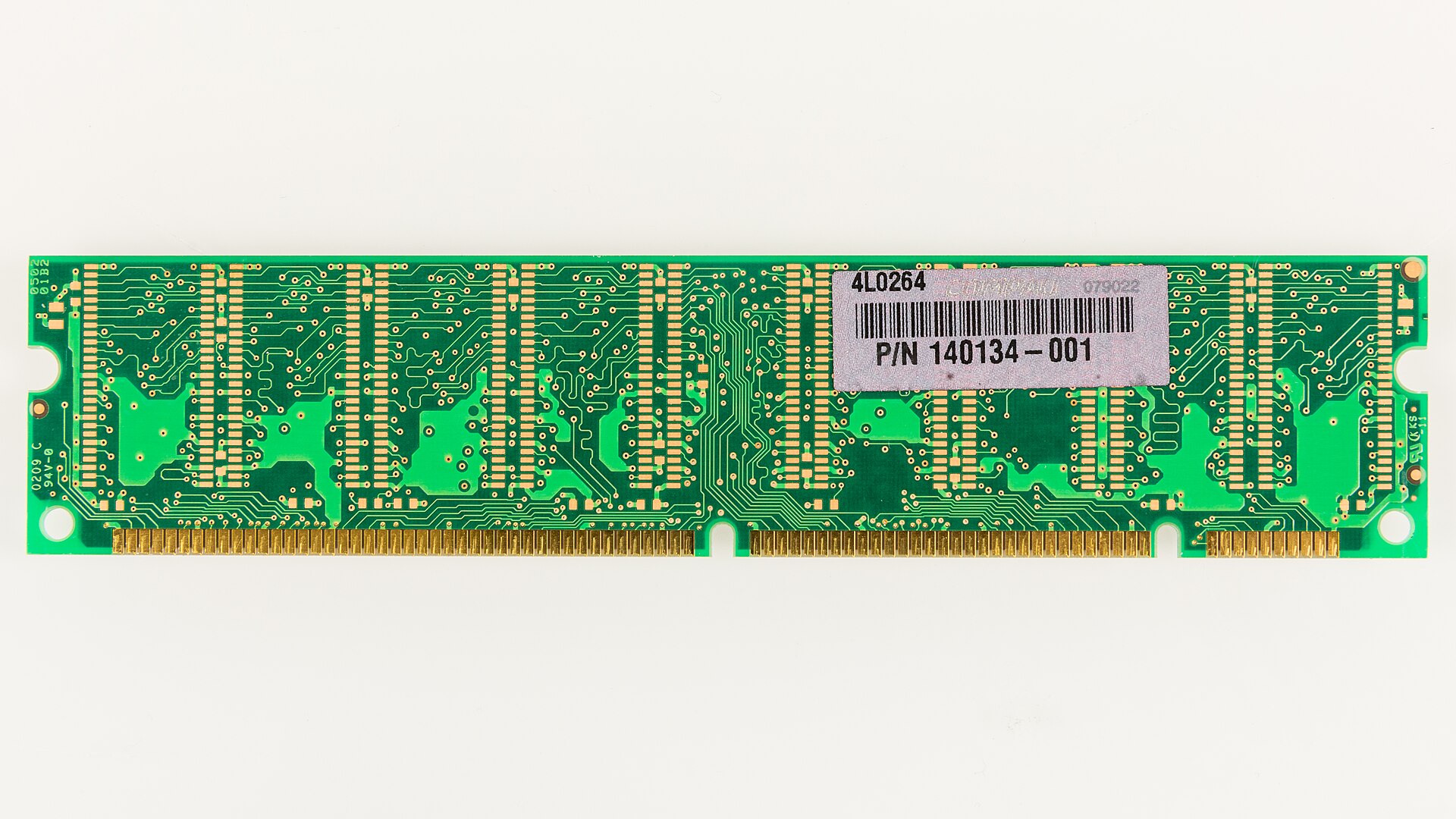
Netlist filed a complaint at the US International Trade Commission on 25 September 2026 seeking to bar imports of Micron high-bandwidth memory and of the Nvidia, Broadcom and Google hardware built around it. Two patents are asserted, and Netlist is asking for exclusion and cease-and-desist orders rather than damages.
ASML's European Revenue Share Has Fallen to Zero
ASML's European revenue share is zero in 2026, down from 1 per cent in 2025 and 5 per cent in 2024, because every fab under construction in Europe targets mature nodes that need no EUV. The company is now asking Brussels to aggregate demand rather than subsidise supply.
Europe's First Exascale Machine Gets Its European Chip
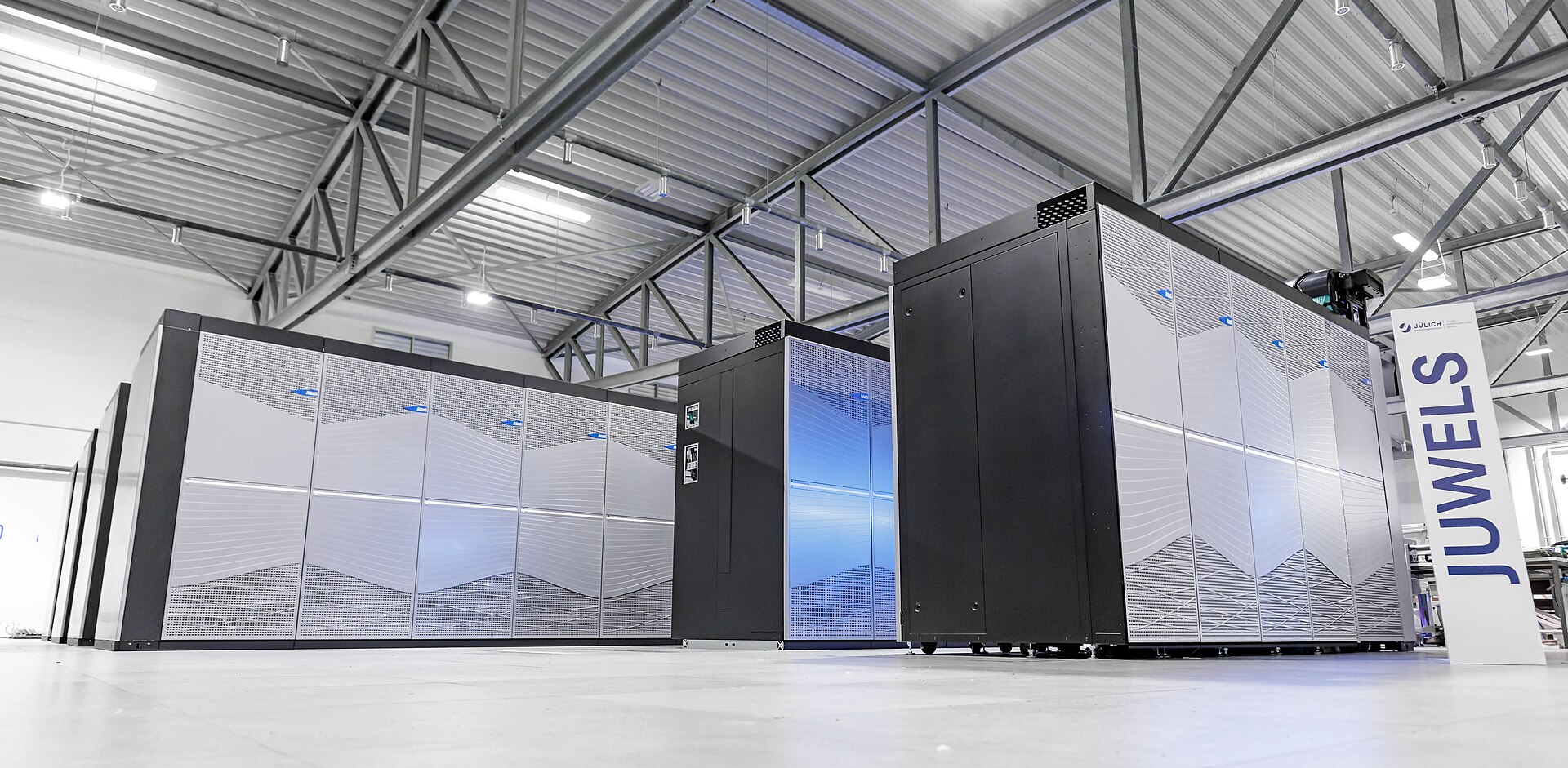
SiPearl said on 22 September 2026 that it has shipped the first Rhea1 CPU samples to Bull for integration into JUPITER at the Jülich Supercomputing Centre, the company's first Rhea1 order and its first significant revenue.
DARPA Gets Hands-On Access to Microsoft's Majorana Qubits
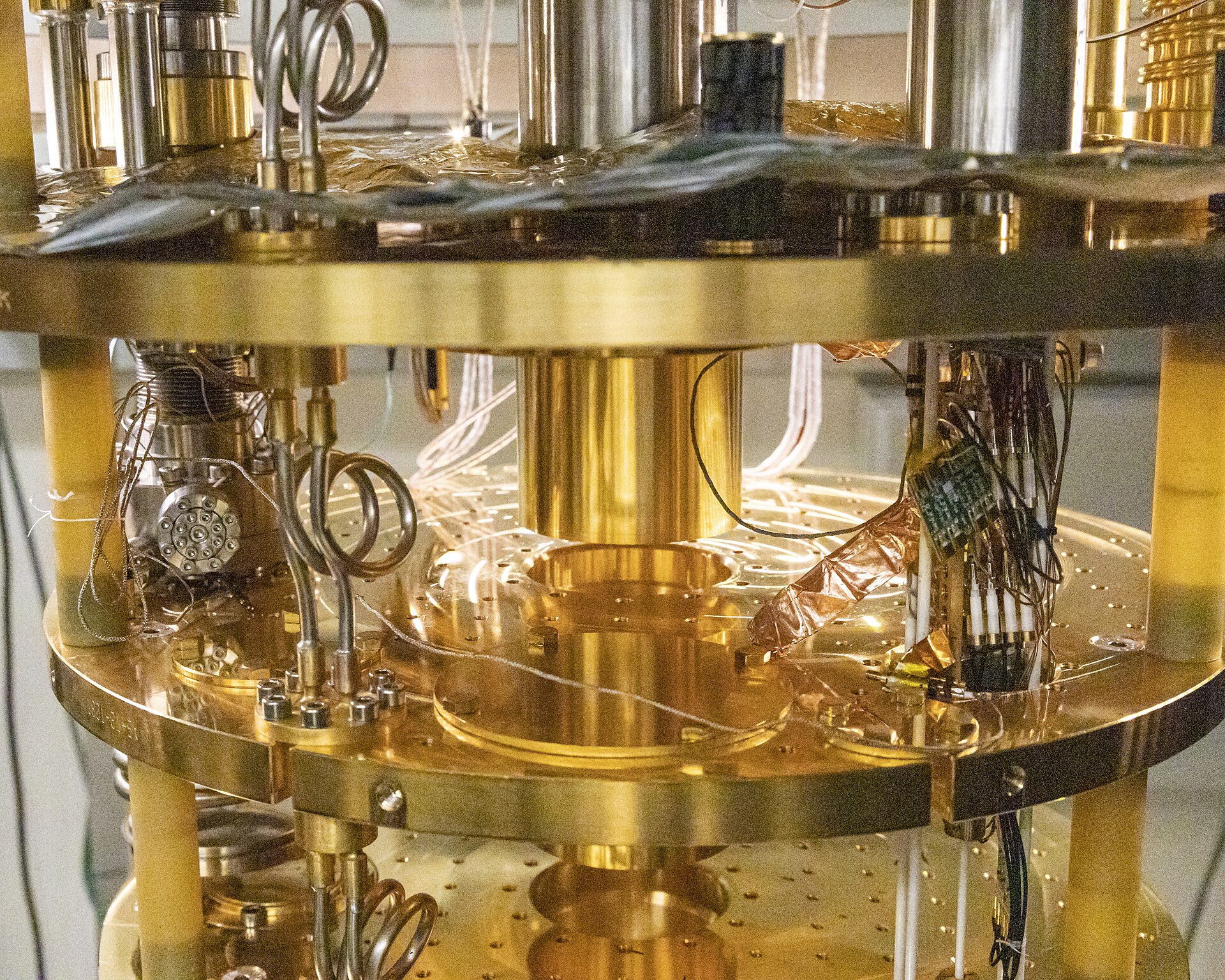
Microsoft has opened a quantum research centre at the University of Maryland and will give DARPA on-site access to its latest topological system, including qubits built on the Majorana 2 chip. The evaluation runs under DARPA's Underexplored Systems for Utility-Scale Quantum Computing programme, which asks whether any quantum approach can produce a commercially useful machine by 2033.