Onsemi Drops Its $2bn Czech Silicon Carbide Expansion
The company and the Czech Ministry of Industry and Trade announced the decision together on 6 November and blamed the global silicon carbide market. Neither side disclosed a write-down or said what becomes of the state aid.
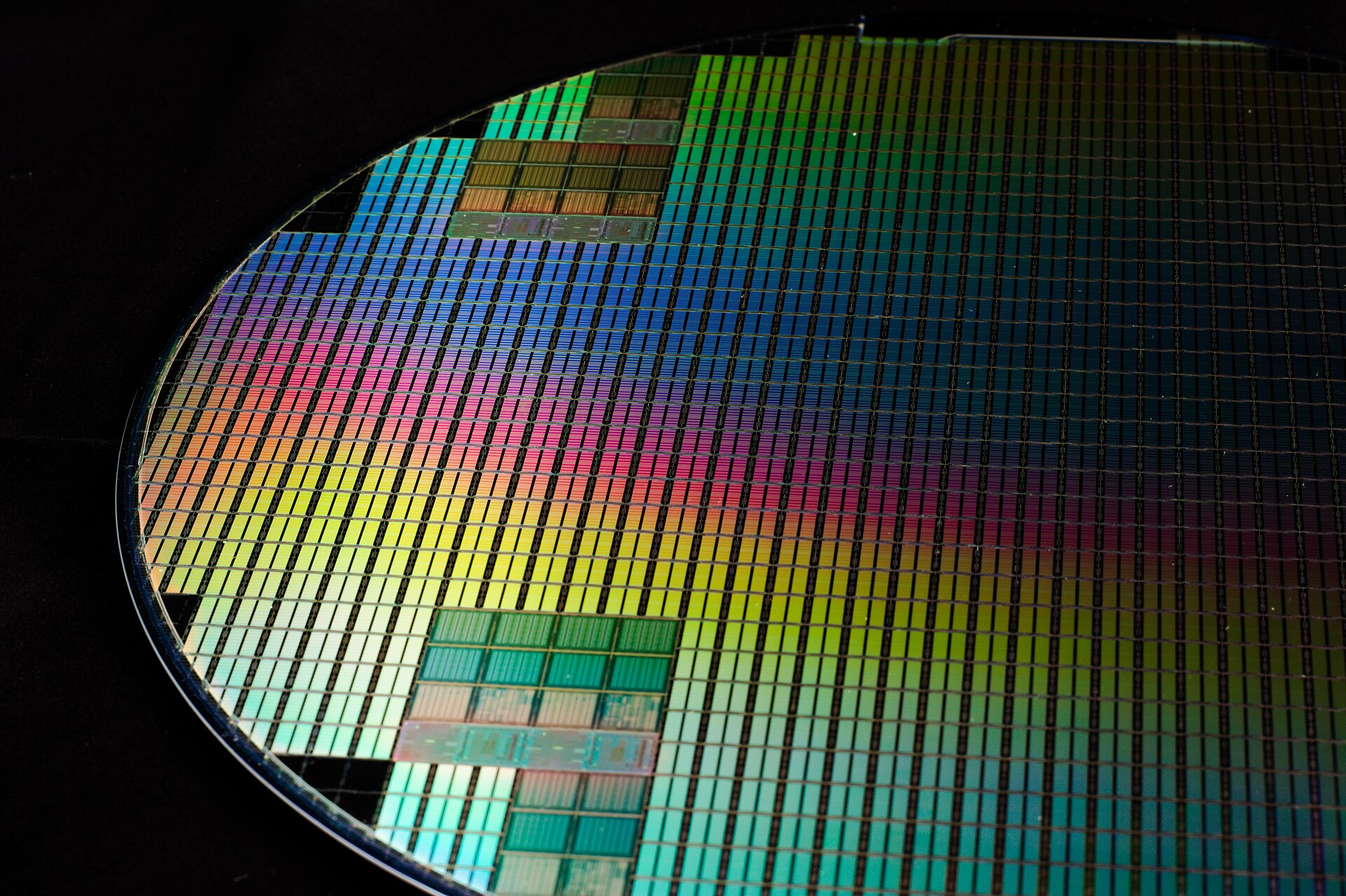
onsemi will not build the silicon carbide production line it promised in the Czech Republic. The company and the Czech Ministry of Industry and Trade confirmed together on 6 November 2026 that they will not proceed with the planned expansion to add end-to-end silicon carbide manufacturing at onsemi's site in Rožnov pod Radhostěm, in northeastern Moravia. onsemi announced the project in June 2024 as a multi-year brownfield investment of up to $2 billion in advanced power semiconductors. Radio Prague International put the Czech valuation at CZK43.5 billion.
The stated reason is the market for the material itself. onsemi said the decision "is specifically tied to the evolving dynamics of the global SiC market" and to project economics as they have changed since 2024, and that it "is not a reflection on the Czech Republic's investment environment". Existing silicon and silicon carbide manufacturing at Rožnov is unaffected and keeps running inside onsemi's global network.
The decision by onsemi not to proceed with the production expansion project in Rožnov reflects the current situation in the global semiconductor market. What is important to us is that the company's existing production in Rožnov will continue unchanged.
Silicon carbide was a bet on cars
Silicon carbide matters because it handles high voltages more efficiently than plain silicon, which is why electric vehicle drivetrains and chargers consume so much of it. An end-to-end line at Rožnov would have put wafer production, device fabrication and packaging on one site, insulating onsemi from the wafer market. The economics of that only work if the volume shows up.
The volume assumption has moved. European lawmakers voted this week to replace the 100 per cent tailpipe carbon dioxide cut that would have ended sales of new combustion cars in 2035 with an 87.5 per cent cut plus steel credits, as Parallax Nexus reported on 6 November. Each softening of a 2035 target pushes out the date by which a given quantity of power semiconductors has to exist, and a plant built for 2030 volumes cannot wait.
The growth market named in the same paragraph
Read the press release to the end and the pivot is written into it. onsemi expects Rožnov to benefit from demand growth in "auto, industrial, AI data centers and emerging applications", and anticipates continued investment and hiring at Rožnov and at its development site in Brno. A company cancelling $2 billion of capacity aimed largely at electrification, in a statement that lists AI data centres among the reasons to stay, is describing where power-semiconductor capital is going. Intel's results filed on 29 October 2026 showed the same rotation inside one company, with its data centre segment out-earning its PC segment on operating profit.
What onsemi did not say is the part a shareholder would want. The announcement carries no write-down, no charge, no figure for sunk project costs and no terms for the state support attached to the original plan. It also attaches no number or date to the further investment it promises at Rožnov and Brno, which leaves the reassurance unfalsifiable.
In Rožnov the arithmetic is simpler. Mayor Jan Kučera called the cancellation bad news for the town, the region and the country, and the company has already announced two rounds of redundancies at its Czech operations since 2025, affecting around 370 employees, according to Radio Prague International. The expansion was the thing that was supposed to follow those cuts.
The honest reading is that this is a demand story wearing a market-conditions label. onsemi has not said silicon carbide is a bad technology, and its existing lines keep producing it; it has said that paying to own the whole chain is no longer worth it at the volumes now expected. That is a narrower claim than the headline suggests, and it is the one worth testing against the company's next set of filings.
What happens next?
- onsemi's next quarterly filing would be the first place any charge, write-down or state-aid repayment relating to the cancelled project appears.
- The Czech Ministry of Industry and Trade has not said publicly whether support committed to the 2024 project is recoverable.
- onsemi has promised further investment and hiring at Rožnov and Brno without naming a figure or a date, leaving the scale of its remaining Czech commitment open.
Related topics
Sources & references
- 01onsemi and Czech Ministry of Industry and Trade Agree to Conclude SiC Expansion Project, Reaffirm Partnership — onsemicompany6 November 2026; primary announcement and source of the Havlíček quotation
- 02Onsemi cancels planned CZK43.5bn expansion in Rožnov — Radio Prague InternationalnewsSource for the CZK43.5bn valuation, the mayor's reaction and the redundancy figure
- 03onsemi Cancels Czech Silicon Carbide Expansion Plan — SemiMedianews6 November 2026; confirms the joint announcement and the continuation of existing production
- 04Onsemi Is Walking Away From a $2 Billion Chip Bet It Made in 2024 — 24/7 Wall St.news7 November 2026; notes that no write-down, charge or state-aid terms had been disclosed or filed
More from Technology
Marvell Buys Lumentum for $115bn in Stock, Closing in 2028
Marvell is paying in its own stock for the maker of lasers and optical components that AI data centres use to move data between racks, at a multiple Reuters put at about 33 times forward core operating profit against a peer median near 16.
Alphabet's Quarterly Capex Passed Its Operating Cash Flow
Alphabet's results filed on 28 October 2026 show capital spending of $51,355m against $42,290m of operating cash flow for the quarter, with buybacks suspended and $29bn of new debt. Microsoft, reporting the same day, covered a comparable capex jump out of operating cash.
Nvidia Floats $2,000 a Year per GPU for Agent Software
Nvidia's chief executive named a per-GPU, per-year price for the software that runs AI agents on its hardware, in remarks at GTC Berlin on 22 October 2026 first reported by The Register. The company has not confirmed the scope, the product or the start date, and the figure sits below the list price of a product it already sells.
US Treasury Adds Russia and North Korea to Investment Curbs
Treasury has proposed regulations implementing the Comprehensive Outbound Investment National Security Act, expanding the outbound investment screening regime from China to Russia, Iran, North Korea and Cuba. Public comments run through 7 December 2026.