EU Lawmakers Cut the 2035 Car CO2 Target to 87.5 Per Cent
The European Parliament's environment committee went below the Commission's own 90 per cent proposal on 4 November 2026 and set the van target at 80 per cent, with 7.5 points of the car gap filled by credits for low-carbon steel made in the EU.
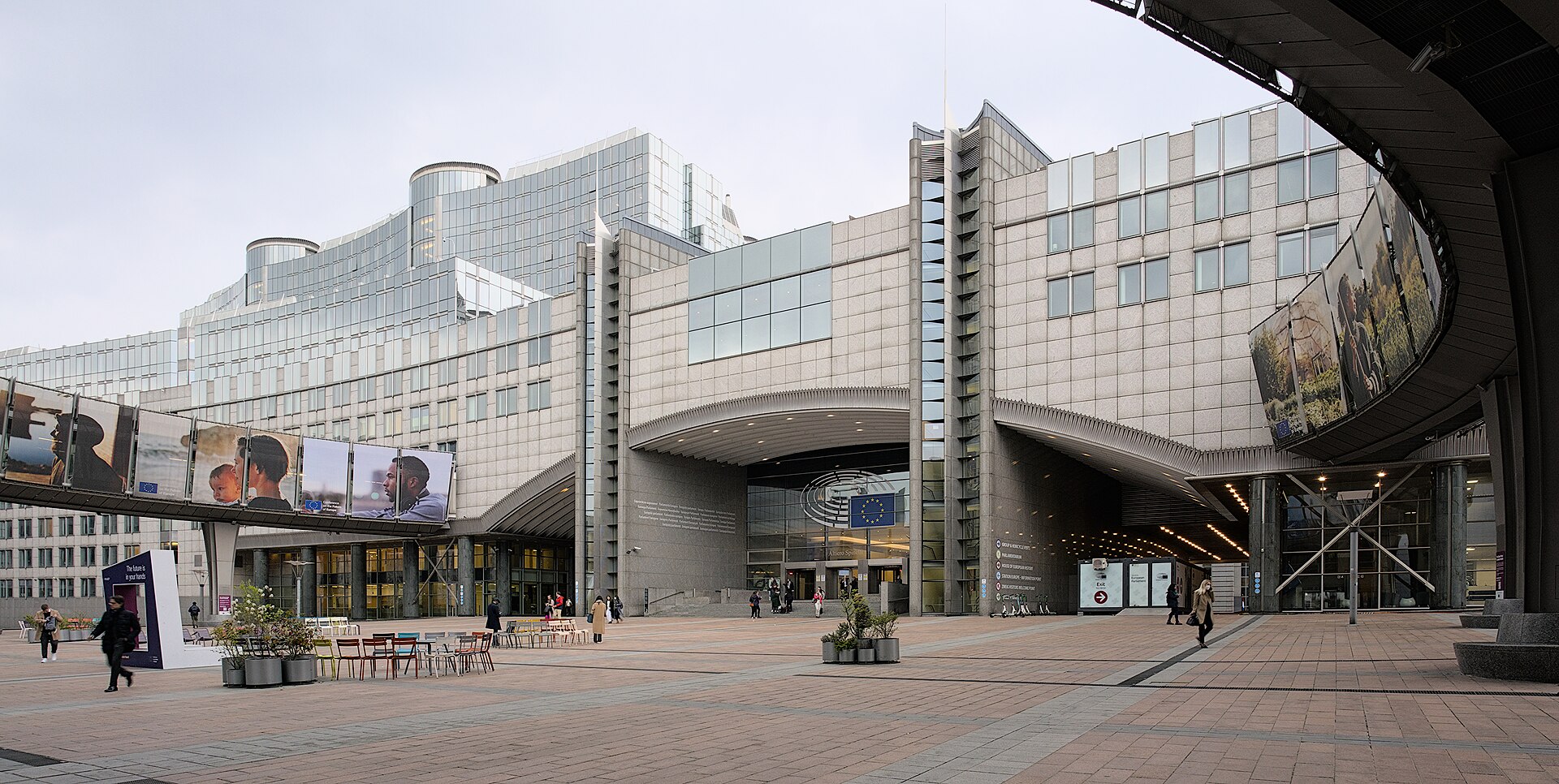
The European Parliament's environment committee voted on Wednesday 4 November 2026 to set the 2035 carbon dioxide reduction target for new cars at 87.5 per cent rather than 100 per cent, undoing the effective ban on sales of new petrol and diesel cars that the EU adopted in 2023. Manufacturers would be able to cover a further 7.5 per cent by using low-carbon steel made in the EU, taking the nominal total to 95 per cent, Reuters reported from Brussels.
The committee went below the European Commission's own position. In December 2025 the Commission had proposed softening the target to a 90 per cent cut, with the remaining 10 per cent made up from low-carbon steel and alternative fuels. The committee's figure is lower on the tailpipe and narrower on the compensation, since only steel qualifies. Small or highly efficient electric vehicles would also earn super credits, which count more than once towards a manufacturer's compliance. The target for vans falls from 90 per cent to 80 per cent, and mandatory targets for the share of zero-emission cars in corporate fleets were downgraded to aspirational goals in parallel votes the same day.
Three groups that used to vote the other way
The compromise was written by the centre-right European People's Party, the centre-left Socialists and Democrats and the centrist Renew Europe group. Those three carried the original standards through the 2019 to 2024 Parliament alongside the Greens. The transport and industry committees had already approved a similar version on 22 October 2026, so the environment committee was the last of the three to fall into line.
The EPP Group managed to bring Europe's political centre together behind a clear objective: backing our car industry, protecting European jobs and giving manufacturers the freedom to develop the best technologies.
Peter Liese, the EPP's climate policy spokesperson, framed the result as technology neutrality rather than retreat. "We want climate neutrality, but with the rules we have now agreed on, we are also ensuring technology neutrality," he said. "I am personally convinced that the future belongs to electric cars. But electric vehicles with range extenders and plug-in hybrids with a long electric range will also have a role to play in 2035 and beyond."
The objection is about investment signals, not tailpipes
Michael Bloss, a German Green MEP, called the vote a bad deal for the European car industry rather than for the climate. "While sales of electric cars are skyrocketing, the majority of the European Parliament is sending a signal of uncertainty," he told Euronews. "The fact that Social Democrats and Conservatives are helping to jeopardise investment security and industrial jobs is a contradiction that could hardly be more glaring." The campaign group T&E said the vote was another step in the wrong direction and that admitting biofuel-powered cars would divert investment away from electrification and weaken the sector against Chinese competitors.
The industrial case the EPP is answering is real. EU car production remains roughly 19 to 20 per cent below its 2019 level, according to the think tank Bruegel, against rising energy costs and Chinese competition in the segments European manufacturers had expected to defend. The vote also lands five days before COP31 opens in Antalya, where the pledges already on the table add up to a 6 per cent cut in global emissions by 2035, as Parallax Nexus reported on 27 October. The EU arrives at that summit having just loosened one of the few binding sectoral measures it could point to.
The honest reading is that 95 per cent is not 87.5 per cent plus a rounding error. A tailpipe reduction and a credit earned at a steel mill are different physical quantities, and treating them as interchangeable moves the abatement from a vehicle fleet that lasts fifteen years to an input whose carbon content is measured by a separate accounting regime. How the steel credit will be verified has not been set out.
Nothing is law yet. The full assembly votes on the auto package in December, which fixes Parliament's negotiating position, and the Council of member governments is still deliberating. France and Germany agreed in October on a 90 per cent cut with no compensatory measures and have put that to other capitals, which means the two largest car-producing member states currently sit above the committee's number. What is not known is whether the December plenary holds the 87.5 per cent figure or moves back towards the Commission's 90 per cent, and no institution has published an estimate of the additional emissions the change implies.
What happens next?
- The full European Parliament votes on the auto package in December 2026, setting its negotiating position.
- The Council of member governments is still deliberating, with France and Germany pushing a 90 per cent cut without compensatory measures.
- Trilogue negotiations between Parliament, Council and Commission follow the plenary vote before anything becomes law.
- No verification method has been published for the low-carbon steel credits that would cover 7.5 percentage points of the car target.
Related topics
Sources & references
- 01European lawmakers push to ease car CO2 emission targets — ReutersnewsReuters report by Philip Blenkinsop from Brussels, 4 November 2026, with the 87.5 per cent and 7.5 per cent figures, super credits, the fleet target downgrade and the Franco-German position.
- 02MEPs deal another blow to Green Deal with softer car emissions targets — EuronewsnewsSource for the Salini, Liese and Bloss quotes, the 80 per cent van target, the 22 October committee votes and the Bruegel production estimate.
- 03EU lawmakers back weaker 2035 car emissions target — Automotive News EuropenewsConfirms the environment committee approval on 4 November 2026 and the existing rule that only zero-emission cars could be sold after 2035.
- 04EU Lawmakers Move to Water Down CO2 Emissions Reduction Requirements for Cars — ESG TodaynewsBackground on the Commission's December 2025 Automotive Package and the 90 per cent proposal with low-carbon steel and e-fuel compensation.
More from Climate
COP17 Sets a $150m Trigger for a Fund Holding Under $9,000
The COP17 decision on digital sequence information reaffirms voluntary contribution rates of 1 per cent of profit or 0.1 per cent of revenue, defers the unresolved questions to a new working group reporting in 2028, and sets a $150 million capitalisation trigger for exceptional disbursements. Carbon Brief, reporting from Yerevan, put actual deposits at under $9,000.
Gas Fields Alone Now Exceed the Entire 1.5C Carbon Budget
Fossil fuel projects already producing or under construction hold an estimated 897 billion tonnes of carbon dioxide against a remaining 1.5C budget of 130 billion tonnes, according to analysis published on 29 October 2026. Existing gas fields on their own exceed the whole budget.

The IPCC Has No Date for AR7 and No Budget for 2027
The IPCC ended a week in Addis Ababa without agreeing when the three Seventh Assessment Report volumes will appear or how to fund them. The split is between delivery in 2028, before the next Global Stocktake, and pushing two reports into 2029.
Berlin and Paris Drop the Offset From the 2035 Car Target
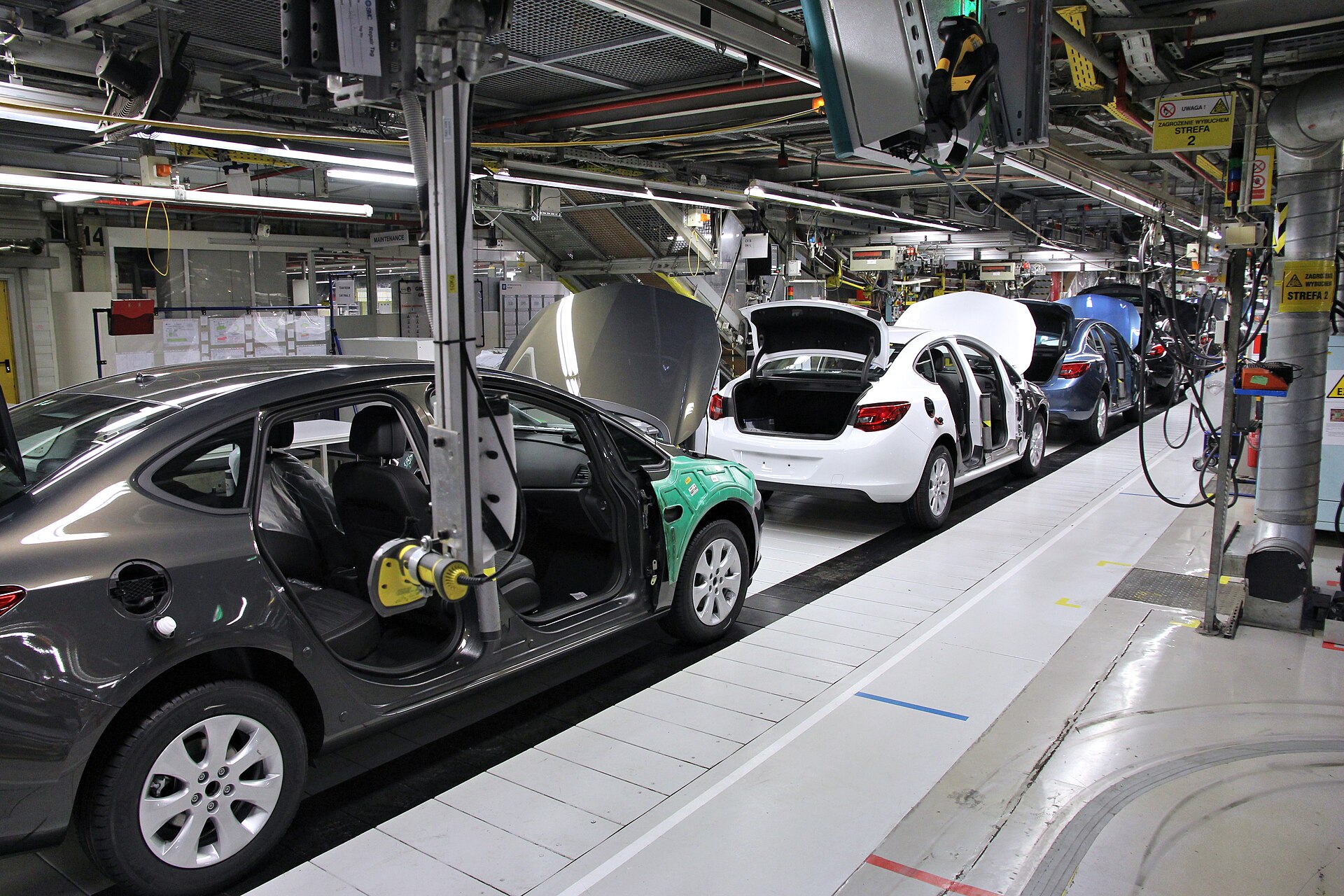
A joint Franco-German position published on 16 October 2026 would let new petrol and diesel cars stay on sale in the EU after 2035 by cutting the fleet target to 90 per cent and removing the obligation to offset the rest, in exchange for stricter Made in Europe rules on subsidies and public contracts.