COP17 Sets a $150m Trigger for a Fund Holding Under $9,000
The UN biodiversity talks in Yerevan adopted their decision on genetic data at 5.25am on 31 October 2026. It authorises early payouts from the Cali Fund once the fund reaches $150 million, roughly seventeen thousand times what is actually deposited in it.
The decision on genetic data adopted at the UN biodiversity conference in Yerevan authorises the Cali Fund to start paying money out before governments have agreed how to divide it, provided the fund first reaches $150 million. The president's text on agenda item 11, adopted without objection at 5.25am on 31 October 2026 in the seventh hour of the final plenary, grants the fund's steering committee that power "on an exceptional basis" and withdraws it again at the close of COP18. Carbon Brief, which reported from the venue, put the fund's actual deposits at under $9,000.
The Cali Fund exists to move money from companies that use digital sequence information, the genetic data derived from nature that pharmaceutical, agribusiness and cosmetics firms build products on, back to the countries and communities the biological material came from. Countries created it at COP16 in Cali in 2024 under decision 16/2, and the UN administers it through the Multi-Partner Trust Fund Office.
What the president's text actually decides
Paragraph 6 reaffirms the indicative rates agreed in Cali: 1 per cent of the profit or 0.1 per cent of the revenue of entities using digital sequence information. Those rates remain indicative and the contributions remain voluntary. Paragraph 11 clarifies that only contributions made at that level earn a Cali Fund certificate for the year concerned.
Paragraph 18 is the operative one. It lets the steering committee allocate funding before the full methodology is adopted at COP18, conditional on capitalisation reaching 150 million United States dollars, and sets out the split. Of the half directed to developing countries, 20 per cent would be shared equally among them, 10 per cent weighted by gross national income per capita on the UN scale of assessments, and 70 per cent by the Global Environment Facility's Benefits Index for Biodiversity. The other half goes to the self-identified needs of indigenous peoples and local communities, 90 per cent of it reserved for communities in developing countries, least developed countries, small island states and economies in transition.
Paragraph 3 establishes an ad hoc open-ended working group to carry the unfinished business to COP18. Countries voted during the same plenary for Quito, Ecuador, to host that meeting in 2028.
The gap between the trigger and the balance
Carbon Brief reported on 31 October 2026 that the fund held about $6,000 when the Yerevan talks opened, and that by the end pledges totalled $10,565 with under $9,000 in actual deposits. No large company in the sectors identified as reliant on digital sequence information has contributed, it said. Brazil, backed by other developing countries, argued during the talks that contributions should reach at least $200 million in the pilot phase before anyone discussed allocation.
Siva Thambisetty, associate professor of law at the London School of Economics, told Carbon Brief after the talks closed:
The Cali Fund is on life support. We leave Yerevan with an open-ended working group. It became clear that work in the run-up to COP17 was distorted by industry echo chambers, a receptive steering committee and lack of close engagement and oversight.
Not everyone read it that way. Fiji's Sivendra Michael, who chaired the consultations that produced the final text, told Carbon Brief minutes after adoption that the methodology for distributing benefits "should respect the rights of Indigenous peoples".
The honest reading is that Yerevan solved the easier half of the problem. The allocation formula in paragraph 18 is specific, numerate and genuinely negotiated, down to which index weights which share. The question of who pays, and whether anything compels them to, went to a working group that reports in two years.
What is not known is whether certificates change corporate behaviour. Industry representatives at an informal dialogue on 23 October told Carbon Brief they wanted more legal certainty before pledging further. Whether certainty was ever the binding constraint, rather than the absence of any obligation to pay, is not testable until the next contributions arrive.
The review of the mechanism's effectiveness falls due at COP18, using a methodology this same decision adopts for that single use. On the evidence of the first two years, it will be assessing a distribution system that has had almost nothing to distribute.
What happens next?
- The new ad hoc open-ended working group on benefit-sharing from digital sequence information convenes, subject to available resources, to develop the multilateral mechanism and report to COP18.
- The CBD executive secretary commissions studies on additional contribution modalities, including a products and services based pathway, and on non-monetary benefit-sharing by users.
- The steering committee begins issuing annual Cali Fund certificates on a transitional basis to contributors meeting the 1 per cent of profit or 0.1 per cent of revenue rates.
- The Subsidiary Body on Implementation takes up the study on thresholds and contribution rates at its eighth meeting.
- COP18 in Quito in 2028 reviews the effectiveness of the mechanism and is due to adopt the full allocation methodology.
Related topics
Sources & references
- 01Digital sequence information on genetic resources: President's text, draft decision submitted by the President — UN Convention on Biological DiversityprimaryAdopted text, COP17 Yerevan, 31 October 2026. Source of the $150m trigger (para 18), the 1%/0.1% rates (para 6) and the allocation splits.
- 02COP17: Key outcomes agreed at the UN biodiversity conference in Yerevan — Carbon BriefreportPublished 31 October 2026. Source of the fund balance figures, the quotes from Thambisetty and Michael, and the Brazil $200m position.
- 03Decision 16/2: Digital sequence information on genetic resources — UN Convention on Biological DiversityprimaryCOP16 decision of 1 November 2024 establishing the Cali Fund and the indicative contribution rates.
- 04Resource mobilization: draft decision submitted by the Chair of Working Group I — UN Convention on Biological DiversityprimaryCBD/COP/17/WG.I/CRP.16/Rev.1, 30 October 2026, on the wider finance mechanism negotiated alongside the DSI decision.
- 05Countries agree to scale action on 2030 nature targets at COP17, but finance issues continue to haunt implementation — WWFreportYerevan, 31 October 2026. Confirms 182 parties attending and the vote for Quito to host COP18 in 2028.
More from Climate

Gas Fields Alone Now Exceed the Entire 1.5C Carbon Budget
Fossil fuel projects already producing or under construction hold an estimated 897 billion tonnes of carbon dioxide against a remaining 1.5C budget of 130 billion tonnes, according to analysis published on 29 October 2026. Existing gas fields on their own exceed the whole budget.
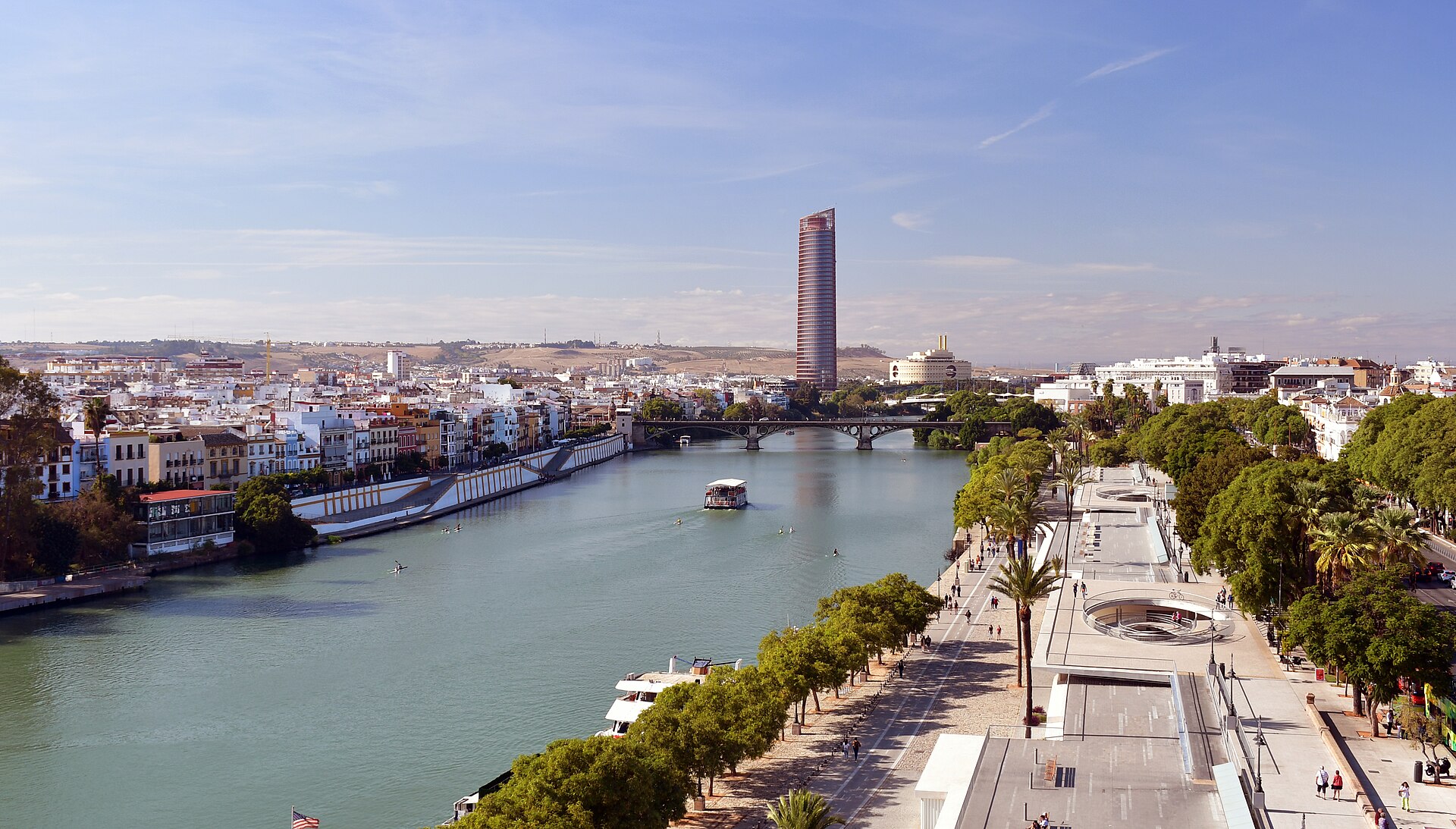
Europe's Summer Heat Killed 50,391 in 854 Cities
Researchers at Imperial College London and the London School of Hygiene and Tropical Medicine modelled heat-related mortality across 854 European cities for June to August 2026 and found the highest total the method has produced for any European summer, with roughly two-thirds of the deaths attributed to fossil fuel warming.
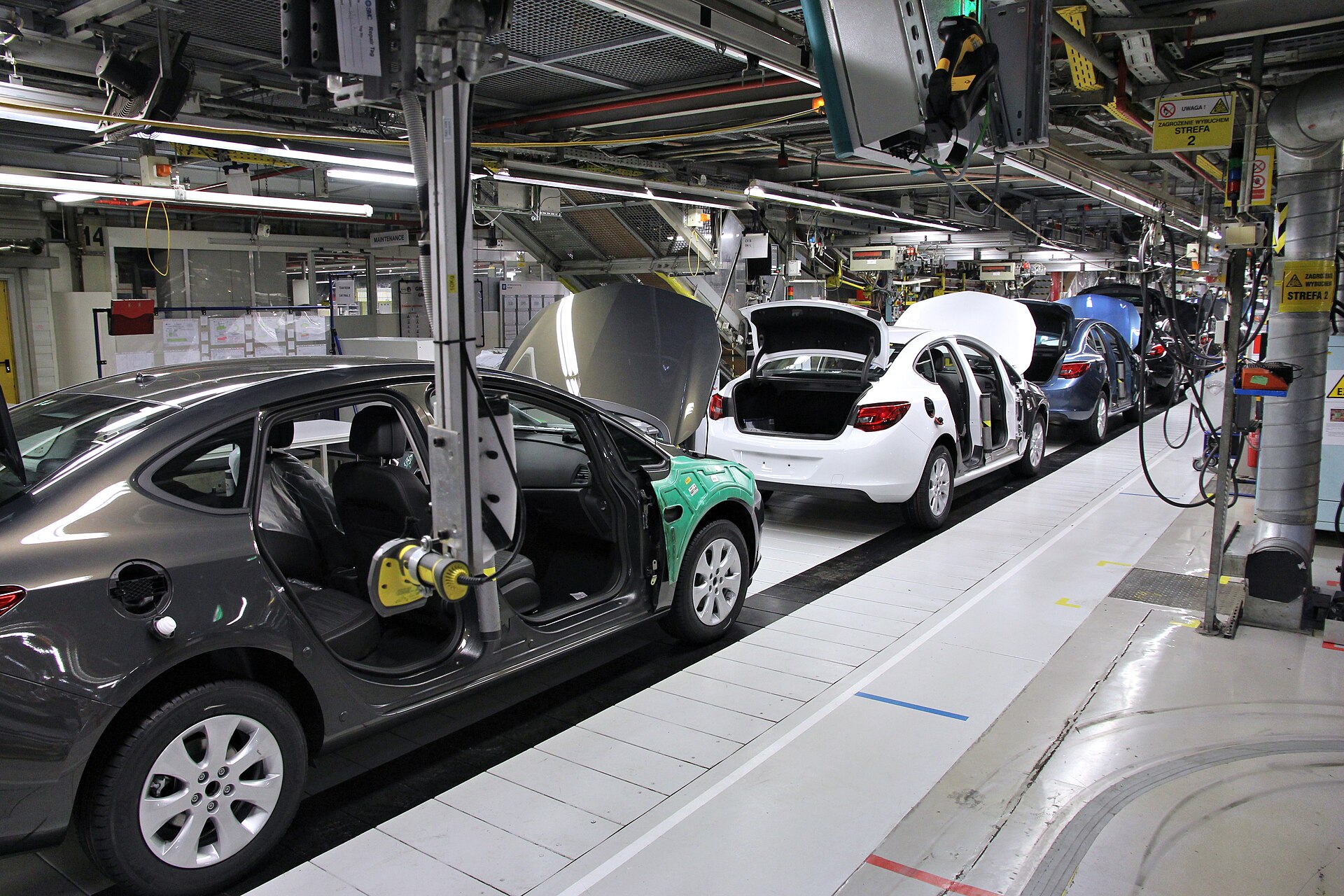
Berlin and Paris Drop the Offset From the 2035 Car Target
A joint Franco-German position published on 16 October 2026 would let new petrol and diesel cars stay on sale in the EU after 2035 by cutting the fleet target to 90 per cent and removing the obligation to offset the rest, in exchange for stricter Made in Europe rules on subsidies and public contracts.
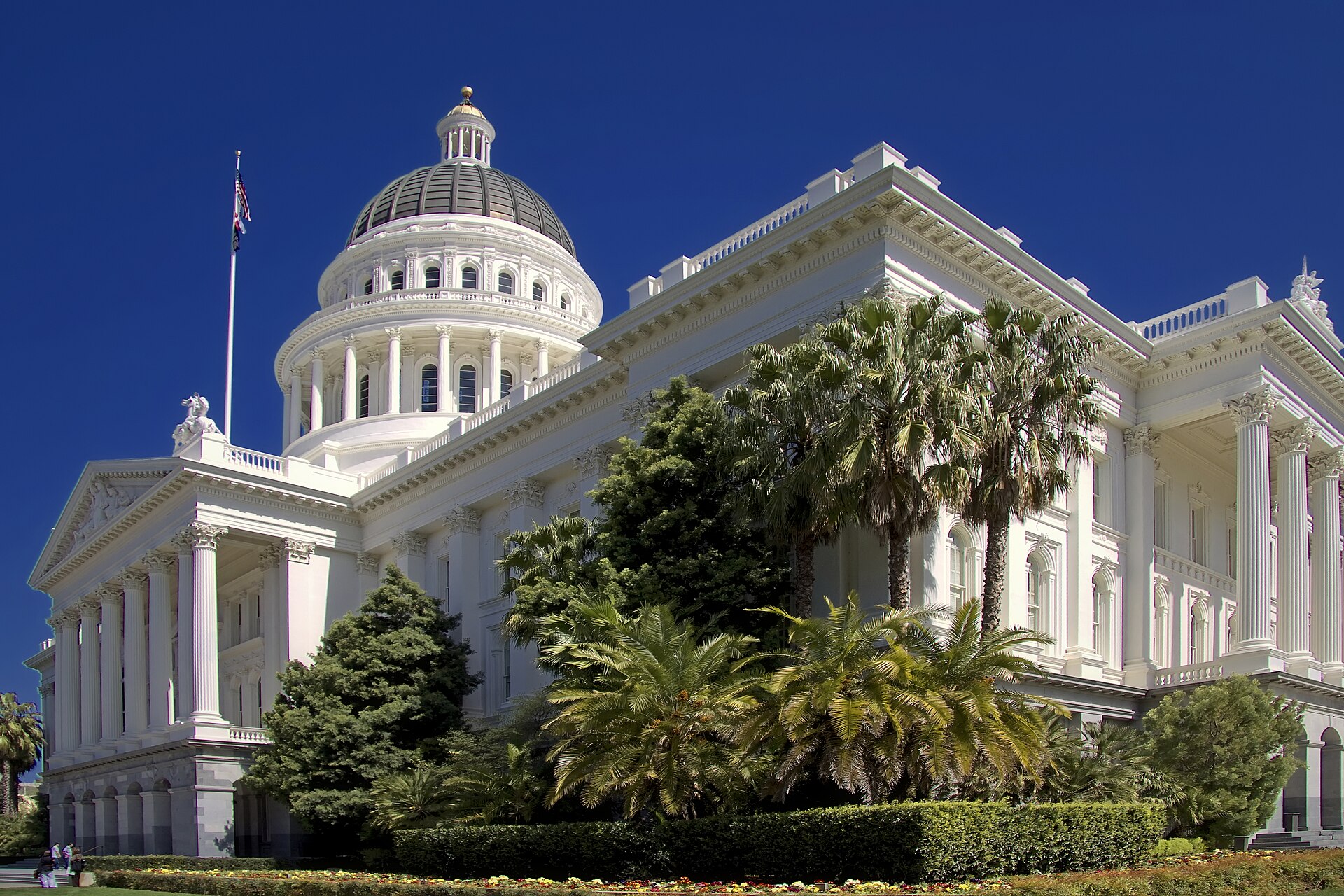
California's Emissions Rule Took Effect With 29 Days to File
California's corporate greenhouse gas reporting regulation cleared its final administrative hurdle on 12 October 2026. Companies with more than $1 billion in revenue that do business in the state now have under a month to file, under enforcement terms that let some of them file nothing at all.