Gas Fields Alone Now Exceed the Entire 1.5C Carbon Budget
Oil Change International's updated Sky's Limit analysis lands eleven days before COP31 opens in Antalya. Its headline ratio rests on a budget figure that carries a 50 per cent probability, which is the number worth watching rather than the multiple.
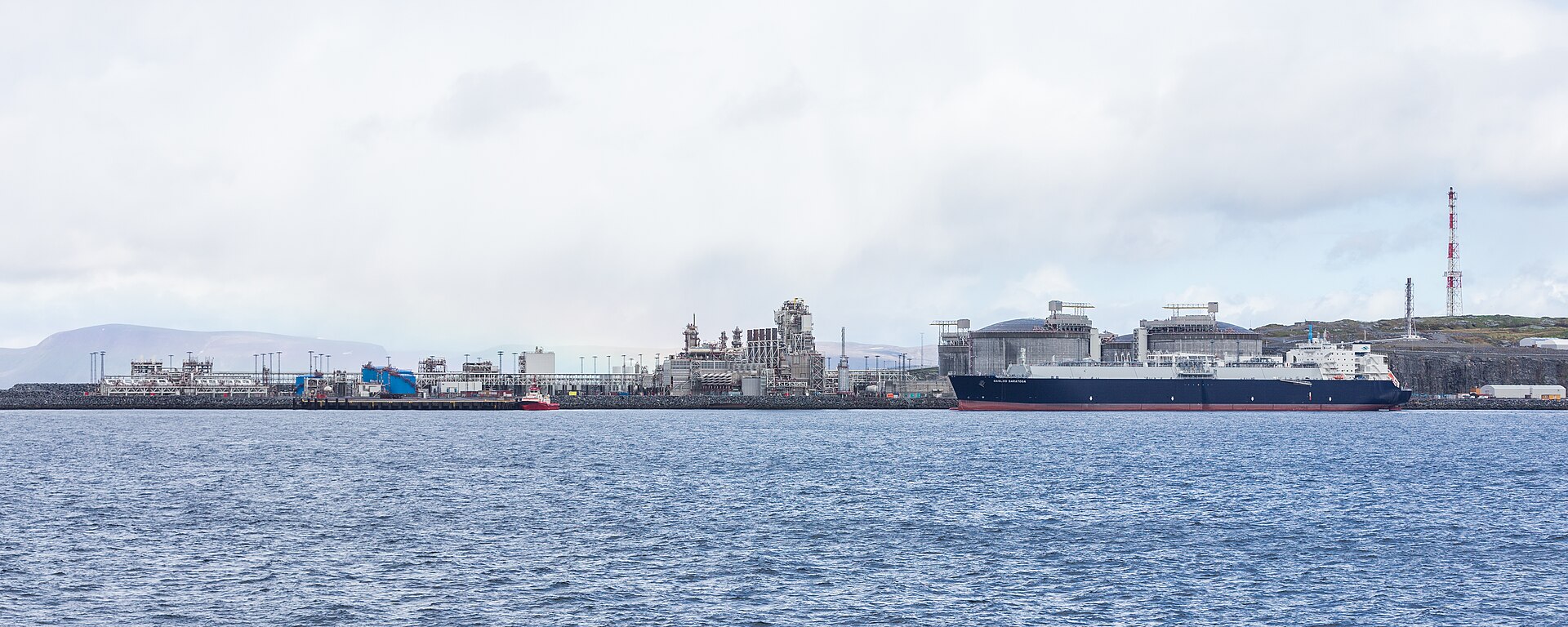
Fossil fuel extraction projects already operating or under construction contain enough oil, gas and coal to release an estimated 897 billion tonnes of carbon dioxide, set against a remaining carbon budget of 130 billion tonnes for a 50 per cent chance of holding global warming to 1.5C. That is the central finding of an updated Sky's Limit analysis published by Oil Change International on 29 October 2026, eleven days before COP31 opens in Antalya, Turkiye.
The ratio is close to seven to one. The narrower finding is the harder one to argue with: existing gas fields on their own contain enough fuel to exceed the entire remaining 1.5C budget, without a single additional barrel of oil or tonne of coal.
Committed CO2 from existing extraction against the remaining 1.5C budget. Billion tonnes CO2: Existing oil and gas fields 451Gt CO2, All existing fields and mines 897Gt CO2, Remaining 1.5C budget (50% chance) 130Gt CO2.
The oil and gas component is 451 billion tonnes, derived from an estimated 825 billion barrels of oil and 2,784 trillion cubic feet of gas in fields already developed at the start of 2026. Coal mines account for the rest. Oil Change International notes that its oil and gas figure is slightly lower than its previous estimate while the margin of exceedance is significantly higher, which is a statement about the denominator rather than the numerator.
Where the 130 comes from, and why it does the work
The multiple is a fraction and the denominator is carrying most of the argument. A remaining budget of 130 billion tonnes is the figure for a 50 per cent chance of limiting warming to 1.5C, which is to say a coin flip. Ask for better odds and the budget shrinks and the multiple grows. Accept 1.7C and both move the other way. None of that makes the comparison wrong, but it does mean the nearly seven times headline is one point on a curve and not a physical constant.
The analysis also says the existing project base risks driving temperatures as high as 2C, and it leans on two United Nations Environment Programme reports warning that the world is on course to pass 1.5C at least temporarily. Parallax Nexus reported on 27 October that those same reports put the pledges now on the table at a 6 per cent emissions cut by 2035, measured against 2019.
A campaigning organisation making a technical claim
The massive oversupply of fossil fuels is the result of a decade of reckless decisions by governments and fossil fuel companies that kept approving and investing in new extraction despite knowing the consequences.
Trout named the United States, Canada and Australia as the countries that have led oil and gas expansion since the Paris Agreement while claiming climate leadership. Oil Change International campaigns for an end to fossil fuel expansion, and the report is timed and framed for the negotiation it addresses. That is worth saying plainly rather than presenting the analysis as neutral arithmetic.
The honest reading is that the framing is advocacy and the underlying point is not seriously contested. That existing fields and mines hold more carbon than the budget allows does not depend on anyone's policy preference; it follows from reserve estimates and a budget figure drawn from the standard literature. The weakness is at the other end. No plausible scenario involves extracting every barrel from every developed field, so 897 billion tonnes is a ceiling on committed emissions rather than a forecast of them, and the analysis does not model the decline rates, prices or write-offs that would determine the real figure.
What Antalya will actually discuss
The agenda is narrower than the ratio implies. Carbon Pulse reported on 29 October that Turkiye's COP31 presidency is asking countries to endorse a common framework for the energy efficiency of buildings, as part of a wider push on electrification. Production phase-out roadmaps of the kind this analysis demands are not the centre of that programme.
That gap is the point of publishing now. Governments at COP31 are meant to turn a commitment to transition away from fossil fuels into national roadmaps, and the supply side of the problem, the fields and mines that already exist, has no formal home in the text. Oil Change International is trying to put it there with a number large enough to be hard to set aside.
What happens next?
- COP31 opens in Antalya, Turkiye on 9 November 2026, with fossil fuel transition roadmaps on the informal agenda rather than the formal one.
- Turkiye's presidency is seeking endorsement for a buildings energy efficiency framework and a wider electrification goal.
- Whether any government brings a production phase-out date to Antalya will show if the supply side enters the negotiating text.
- Updated carbon budget estimates from the research literature will move the headline multiple in either direction without any reserves changing.
Sources & references
- 01New analysis: Existing fossil fuel projects threaten pollution nearly 7 times the world's remaining 1.5C budget — Oil Change InternationalreportPublished 29 October 2026. Source of the 897 and 130 billion tonne figures and the Kelly Trout quotation.
- 02The Sky's Limit: Existing Fossil Fuel Projects Threaten Pollution Seven Times the 1.5C Carbon Budget — Oil Change InternationalreportThe underlying publication, source of the 451 Gt oil and gas subtotal, 825 billion barrels and 2,784 trillion cubic feet.
- 03Emissions Gap Report 2026 — United Nations Environment ProgrammereportOne of the two UNEP reports the analysis cites on overshoot of 1.5C.
- 04CP Daily Newsletter: Thursday October 29, 2026 — Carbon PulsenewsReports the Turkiye COP31 presidency push on buildings energy efficiency.
More from Climate

Europe's Summer Heat Killed 50,391 in 854 Cities
Researchers at Imperial College London and the London School of Hygiene and Tropical Medicine modelled heat-related mortality across 854 European cities for June to August 2026 and found the highest total the method has produced for any European summer, with roughly two-thirds of the deaths attributed to fossil fuel warming.
Berlin and Paris Drop the Offset From the 2035 Car Target
A joint Franco-German position published on 16 October 2026 would let new petrol and diesel cars stay on sale in the EU after 2035 by cutting the fleet target to 90 per cent and removing the obligation to offset the rest, in exchange for stricter Made in Europe rules on subsidies and public contracts.

California's Emissions Rule Took Effect With 29 Days to File
California's corporate greenhouse gas reporting regulation cleared its final administrative hurdle on 12 October 2026. Companies with more than $1 billion in revenue that do business in the state now have under a month to file, under enforcement terms that let some of them file nothing at all.

Forecast El Niño Peak Beats the 2015 Record by 1.1C
WMO's Global Seasonal Climate Update, published on 8 October 2026, puts the probability that El Niño persists through February 2027 at near 100 per cent. NOAA reported the following day that global sea surface temperature departures in September had reached an all-time high for any month.