The IPCC Has No Date for AR7 and No Budget for 2027
Jim Skea suspended the panel's 65th session in Addis Ababa on 16 October 2026 with both items unresolved. On Monday he said consensus on the schedule is vital, and nearly 120 of the report's 664 authors published an open letter saying they will deliver it anyway.
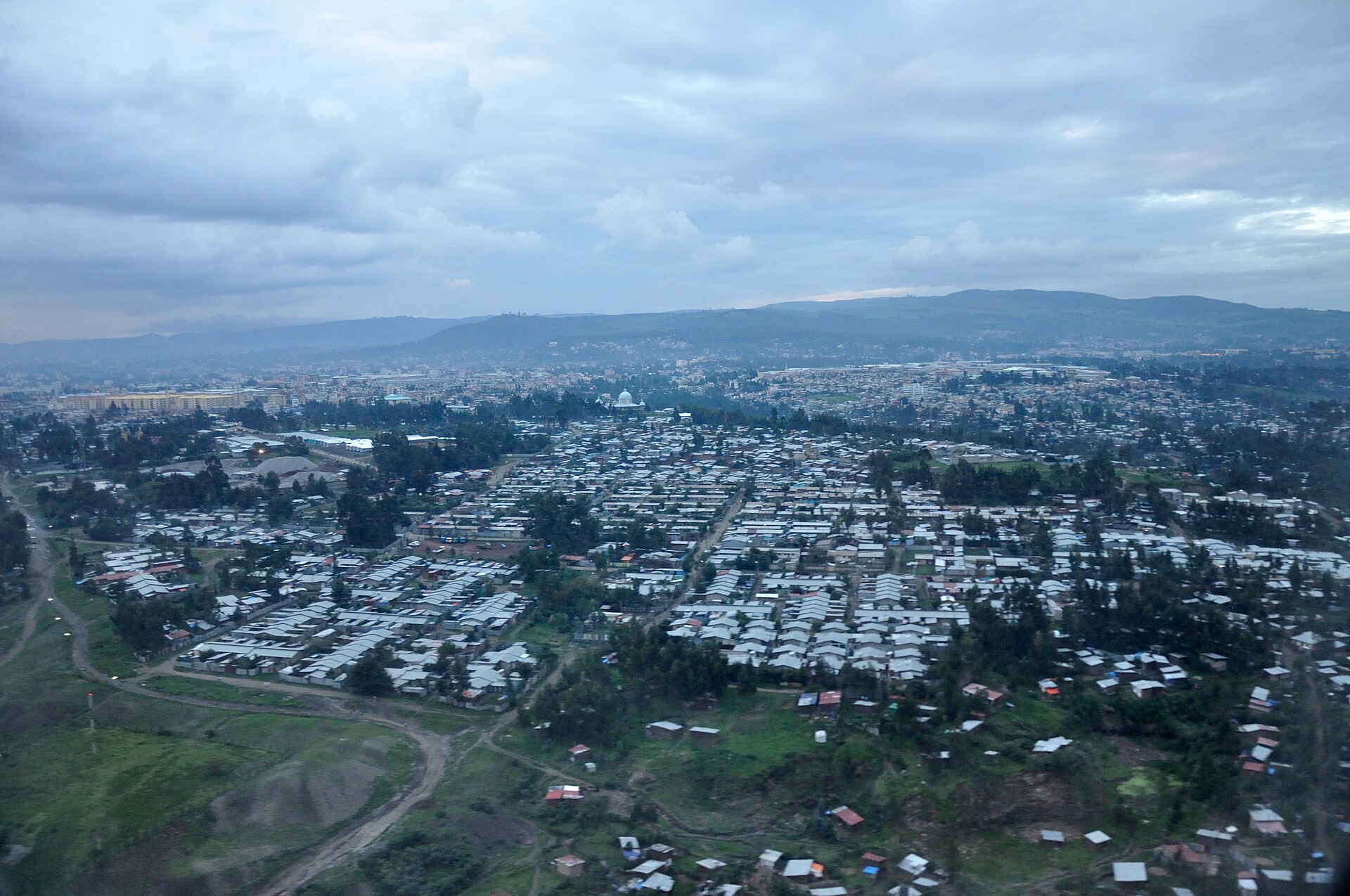
The Intergovernmental Panel on Climate Change spent the week of 12 to 16 October 2026 in Addis Ababa and left without deciding when its next assessment will be published or how to pay for it. Chair Jim Skea suspended the 65th Plenary Session on Friday evening, at 8:29 pm according to the Earth Negotiations Bulletin, after the meeting overran and delegations from least developed countries and small island developing states had left for flights home.
Two items remain open: the timelines for the three Working Group contributions to the Seventh Assessment Report, and the budget that funds the work. In a statement published on Monday 19 October, Skea wrote that "reaching consensus on the schedule for our upcoming IPCC reports is vital" and that he would reconvene the session "at the earliest opportunity so the Panel can effectively conclude its business". He gave no date. The same statement records what the panel did settle, including agreement on a new process governing the appropriate application and use of artificial intelligence in its work.
2028 or 2029, and four surviving options
The disagreement, which the panel has carried since early 2024, is whether all three volumes arrive before the second Global Stocktake under the Paris Agreement concludes in late 2028. A contact group cut seven timeline options to four on the Friday afternoon. Option B would approve Working Group I in May 2028, Working Group II in July 2028 and Working Group III in September 2028. Option F would approve Working Group I in May 2028 but hold Working Group II to April 2029 and Working Group III to July 2029. A fourth, proposed by Haiti, merged two others and would finish all three by October 2028.
The bulletin's record of the plenary lists more than 40 countries calling for delivery in 2028, among them France, Germany, Brazil, Canada, the Republic of Korea, Bangladesh, Barbados, Mali and Zambia, on the grounds that the elected Working Group co-chairs consider that schedule feasible. Saudi Arabia, India, the Russian Federation, Iran, Iraq, Algeria, Syria and Belarus preferred 2029 for the impacts and mitigation reports, arguing that earlier delivery would press government reviewers and experts and compromise scientific rigour and inclusivity. Climate Home News reported on 19 October that India and Saudi Arabia were the most vocal of that group, citing the bulletin and an unnamed developed-country diplomat.
With no timeline in sight, Skea asked the panel to approve a 2027 budget close to the indicative one it had considered in Lima a year earlier, which would have let the working groups carry on while the schedule was argued over. Some members objected. By then much of the developing-country contingent had gone, and he suspended the meeting rather than take decisions without them.
The inclusivity offer that was also the bargaining chip
One proposal to break the deadlock would have raised IPCC funding for developing-country delegates from one participant to two for some or all sessions. That would add up to a quarter to the cost of completing AR7, on an assessment the secretariat shared with delegates, and Climate Home News understands that European, Japanese and Australian donors signalled willingness to pay for it. Without a deal on the timeline or the budget, it was not adopted. Inclusivity was simultaneously the stated reason for suspending the session and, as Saudi Arabia, India and Iraq argued when they tried to strip it from the contact group's mandate, a lever in the timeline fight. That is the uncomfortable shape of this deadlock: both sides can claim the fairness argument, and neither can claim the budget.
What the authors published on Monday
On 19 October nearly 120 of the 664 AR7 authors posted an open letter, with signatories and a digital object identifier, saying they "stand committed to continue working to deliver the AR7 reports in a manner that is rigorous, timely and inclusive". The contact listed on the record is Carl-Friedrich Schleussner of Humboldt-Universität zu Berlin, Climate Analytics and the International Institute for Applied Systems Analysis. The signatories include scientists from countries that oppose aligning the reports with the stocktake.
An assessment that arrives after the decisions it is meant to inform cannot serve its purpose. The second Global Stocktake in 2028 is such a decision point, and the world should not have to face it without the IPCC's latest assessment.
The practical cost is already visible. Winston Chow of Singapore Management University, who co-chairs the Working Group II report on adaptation, wrote that he was "disappointed and worried" and that authors' invested "rigour, time and goodwill" were being put at risk by the stalemate. A meeting of 250 Working Group II experts is scheduled for January 2027, and the special report on climate change and cities is due for approval in Singapore in March 2027. Because the budget is unconfirmed, travel support for those researchers is in doubt.
A suspended session is not a failed one, and the drafting has not stopped: Working Groups I and II are revising first drafts, Working Group III is finishing its own, and Skea told the closing session that the panel's engine room is working and healthy, as Climate Home News reported. What nobody can say is when the plenary reconvenes, what the 2027 budget will be, or which of the four options survives it. The reports themselves are not late yet. The decision about whether they will be is the one that has now been postponed three times in a row.
What happens next?
- Skea has said he will reconvene the 65th session at the earliest opportunity, with no date announced.
- Until a budget is agreed, the IPCC secretariat has warned it risks running out of money before completing the assessment cycle.
- A Working Group II author meeting for 250 experts is scheduled for January 2027, with travel support dependent on the budget.
- The special report on climate change and cities is still slated for approval in Singapore in March 2027.
- COP31 in Türkiye will be the first negotiating session to confront the missing timeline.
Related topics
Sources & references
- 0165th Plenary Session of IPCC suspended — Intergovernmental Panel on Climate ChangeprimaryPress release of 16 October 2026 announcing the suspension and the two open agenda items.
- 02Statement by the IPCC Chair Jim Skea on suspension of the 65th Plenary Session of the IPCC — Intergovernmental Panel on Climate ChangeprimaryPublished 19 October 2026; source of the Skea quotations and the artificial intelligence process agreement.
- 03Earth Negotiations Bulletin, IPCC-65 final issue, Vol. 12 No. 901 — International Institute for Sustainable DevelopmentreportPublished 19 October 2026; source for the country positions, the four timeline options with dates, and the 8:29 pm suspension.
- 04We will keep working - an open letter — ZenodoprimaryOpen letter from AR7 authors published 19 October 2026, DOI 10.5281/zenodo.23463829, with list of signatories.
- 05IPCC scientists vow to press on with climate reports despite political deadlock — Climate Home NewsnewsPublished 19 October 2026; source for the author count, the delegate-funding cost estimate, donor willingness and the Chow and Skea quotations.
More from Climate
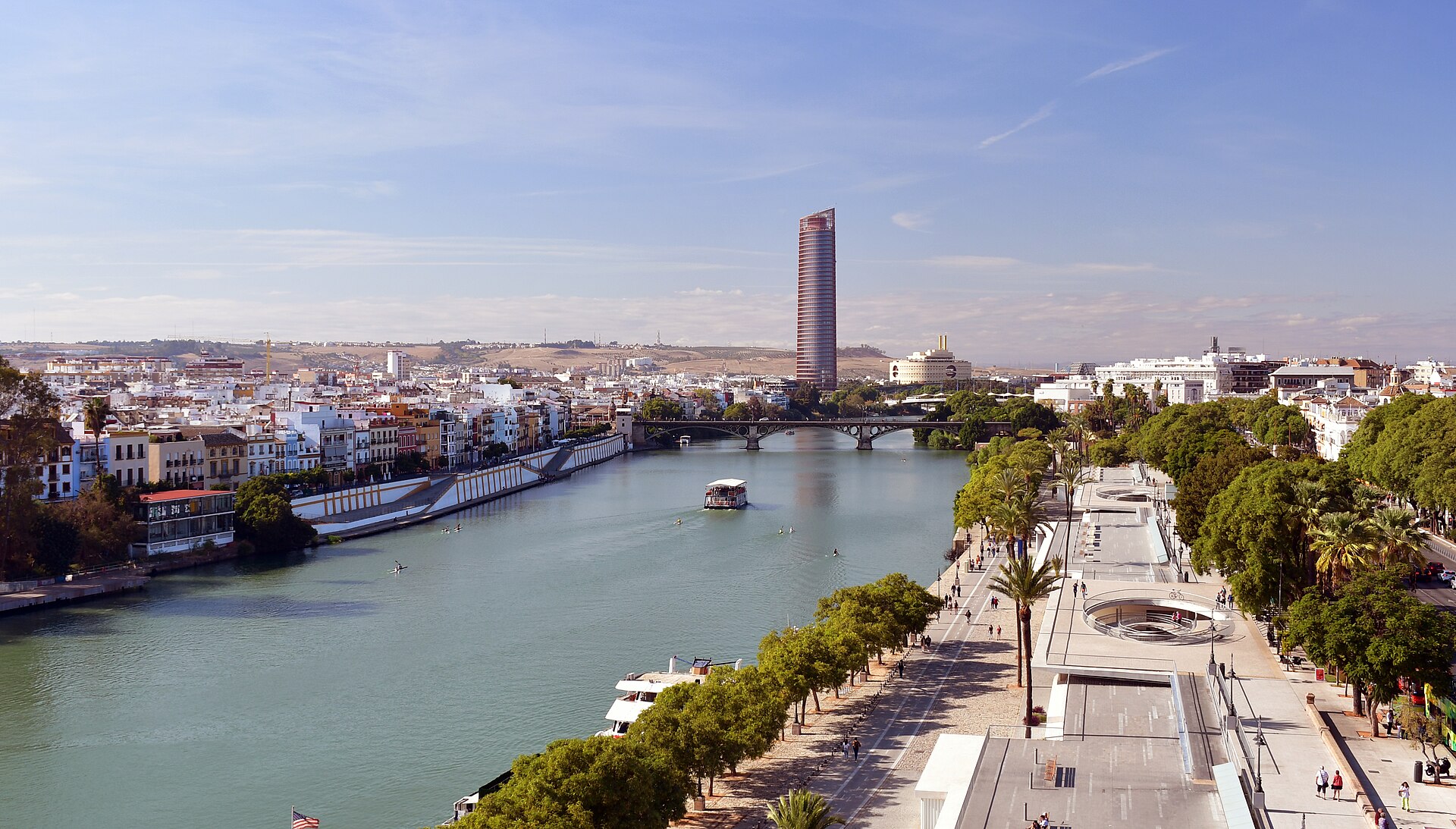
Europe's Summer Heat Killed 50,391 in 854 Cities
Researchers at Imperial College London and the London School of Hygiene and Tropical Medicine modelled heat-related mortality across 854 European cities for June to August 2026 and found the highest total the method has produced for any European summer, with roughly two-thirds of the deaths attributed to fossil fuel warming.
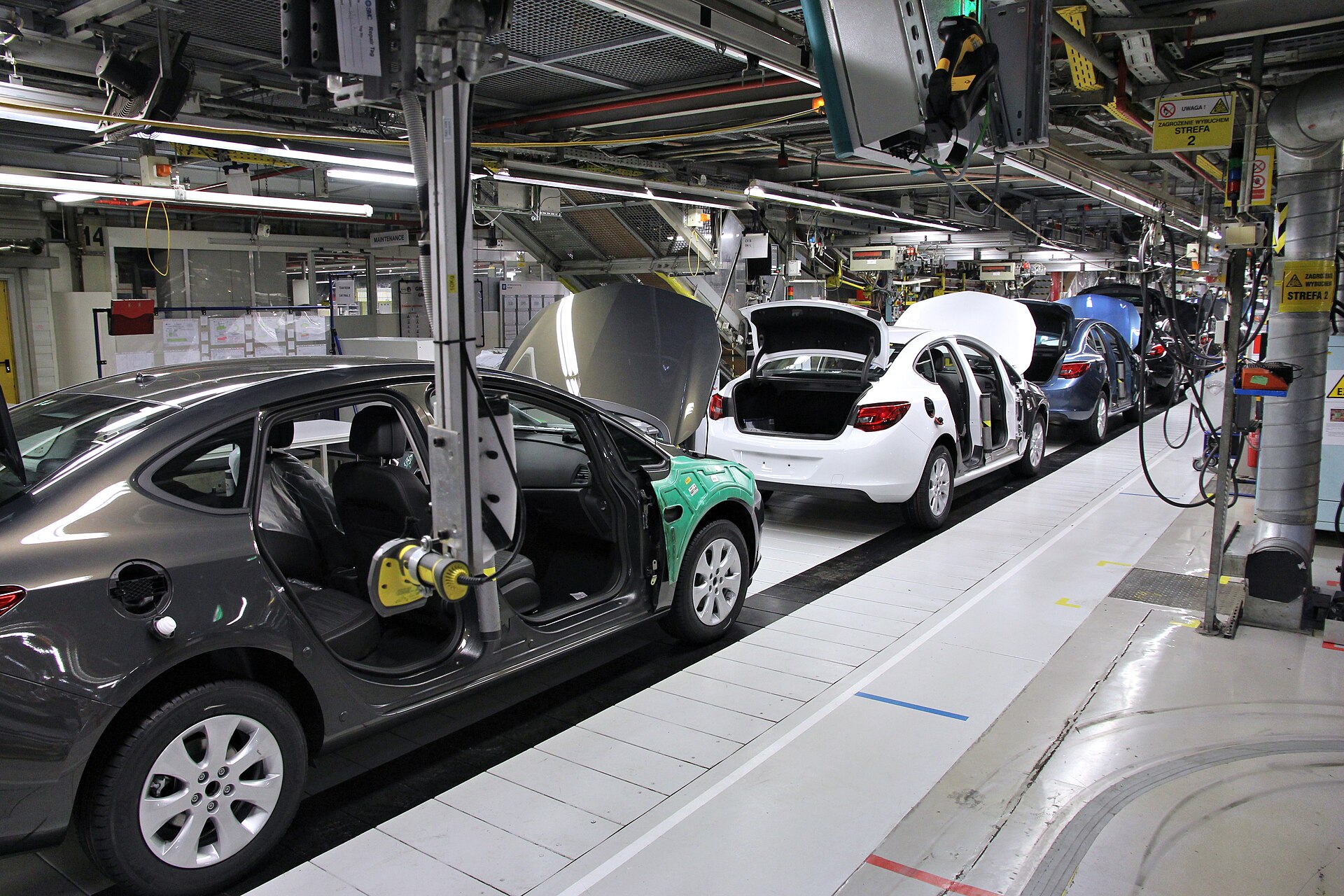
Berlin and Paris Drop the Offset From the 2035 Car Target
A joint Franco-German position published on 16 October 2026 would let new petrol and diesel cars stay on sale in the EU after 2035 by cutting the fleet target to 90 per cent and removing the obligation to offset the rest, in exchange for stricter Made in Europe rules on subsidies and public contracts.
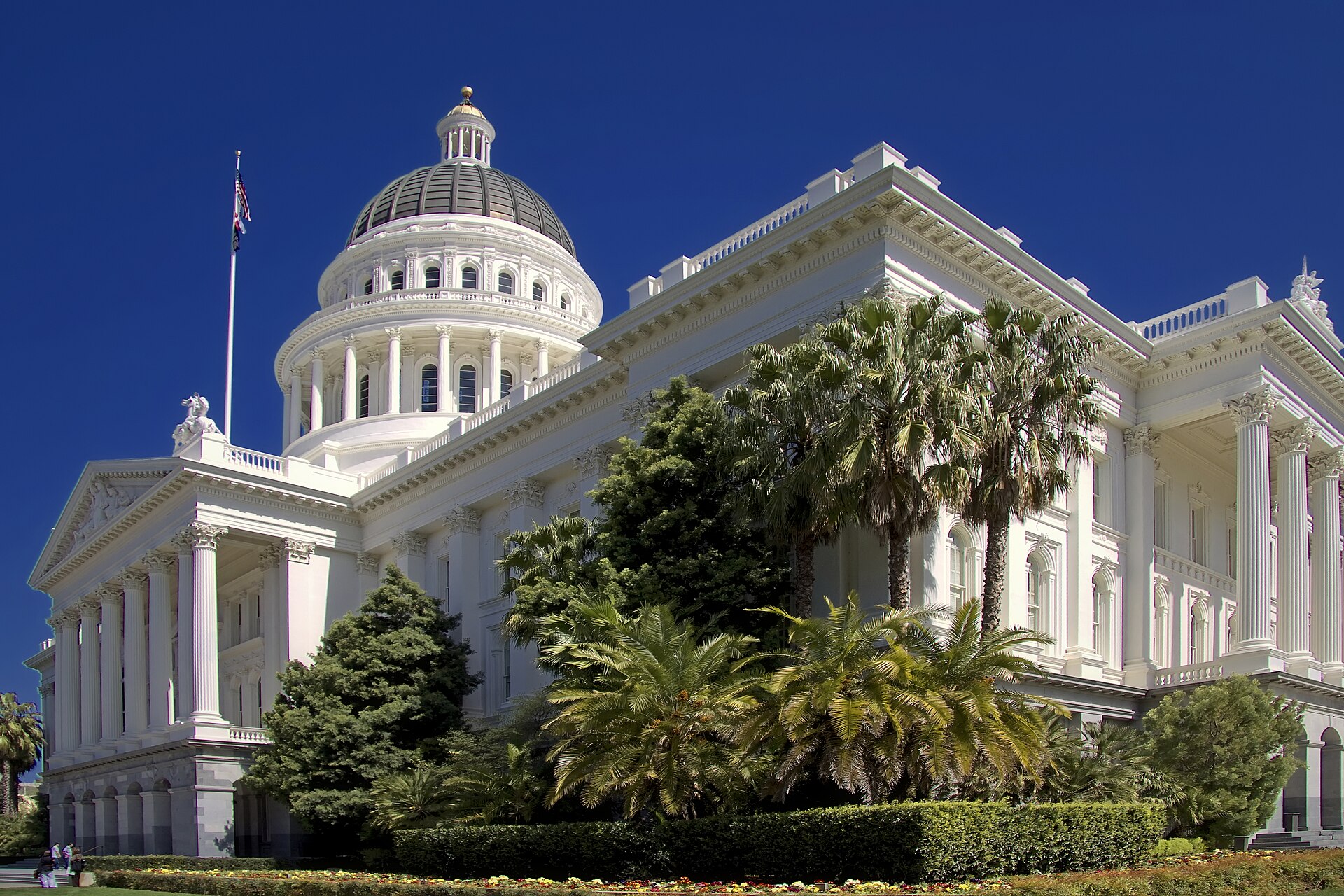
California's Emissions Rule Took Effect With 29 Days to File
California's corporate greenhouse gas reporting regulation cleared its final administrative hurdle on 12 October 2026. Companies with more than $1 billion in revenue that do business in the state now have under a month to file, under enforcement terms that let some of them file nothing at all.
Forecast El Niño Peak Beats the 2015 Record by 1.1C
WMO's Global Seasonal Climate Update, published on 8 October 2026, puts the probability that El Niño persists through February 2027 at near 100 per cent. NOAA reported the following day that global sea surface temperature departures in September had reached an all-time high for any month.