Antarctic Ice Cliffs Calve Faster Than Models, Then Stop
Twenty years of laser altimetry found that only 5 per cent of Antarctic ice cliffs exceed 52.2 metres, well short of the 100-metre height at which runaway collapse was supposed to begin.
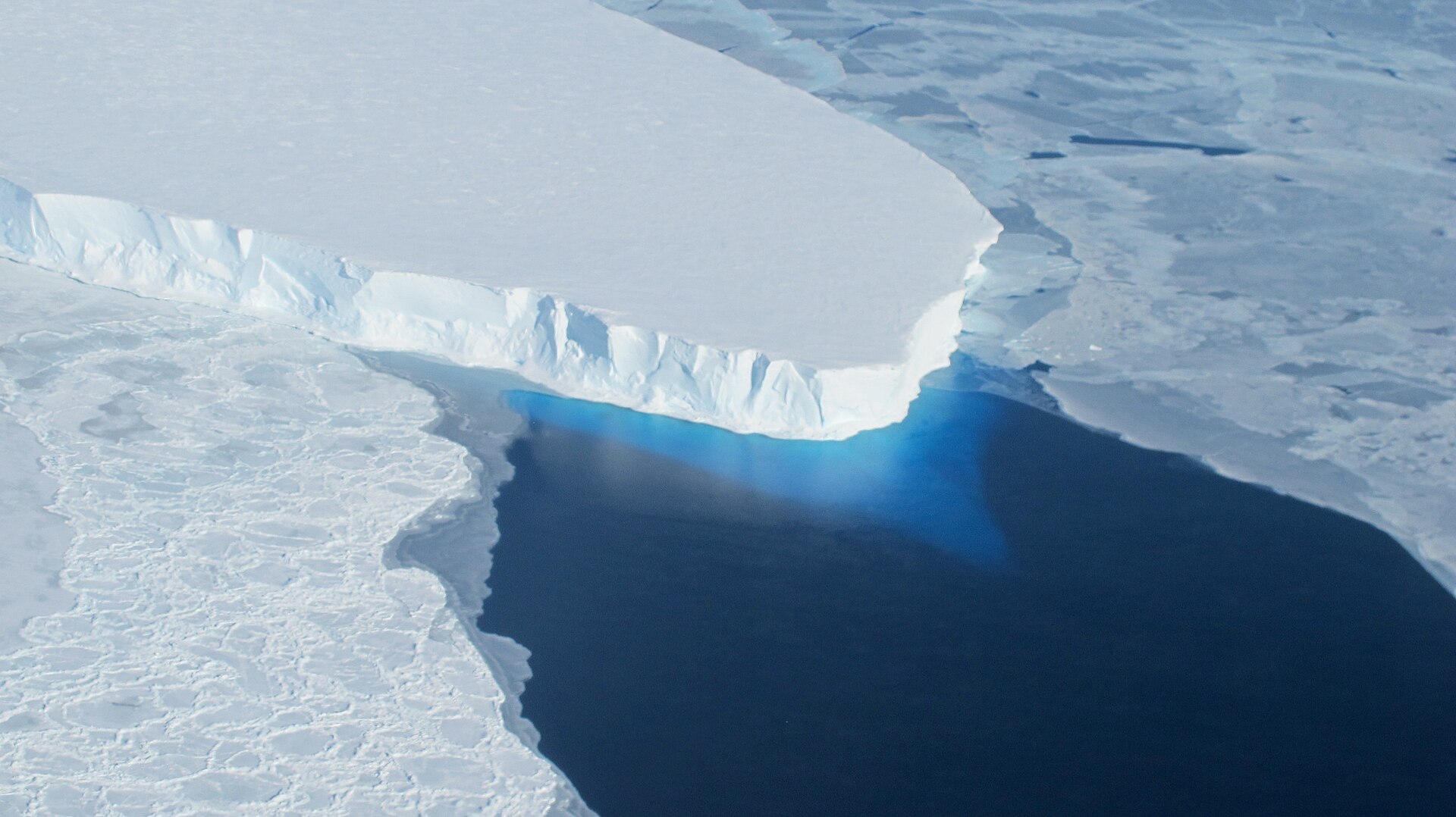
Only 5 per cent of the Antarctic ice cliffs mapped in a new survey stand taller than 52.2 metres, according to a study published in Science on 15 October 2026. The figure matters because glaciologists had proposed roughly 100 metres as the height at which an exposed cliff of solid ice collapses under its own weight, exposing a taller cliff inland that collapses in turn. Very few cliffs in the survey came close to that threshold.
Caroline Needell of the MIT-WHOI Joint Program and two co-authors, Catherine C. Walker of the Woods Hole Oceanographic Institution and Jeremy N. Bassis of the University of Michigan, combined airborne and satellite laser altimetry gathered between 2003 and 2023 to locate and measure cliffs along the margins of both Antarctica and Greenland. In Greenland the 95th percentile was 76.6 metres. The two ice sheets differ in almost every other respect, yet their cliffs came out at similar average and maximum heights, with the tallest concentrated where glaciers run fastest towards the sea.
Four glaciers that retreated and then did not
For the behaviour rather than the inventory, the team used NASA's Ice, Cloud and Land Elevation Satellite-2, which carries a laser altimeter over the polar regions. Data from 2019 to 2023 gave measurements every three months of more than 15,000 Antarctic ice cliffs, MIT said in its account of the work. The average cliff was about 30 metres. The tallest found was 127 metres.
The authors then narrowed to 16 glaciers whose cliffs passed 90 metres and identified four with both detailed repeat observations and measurable retreat over the study window. Those four calved more rapidly than models of marine ice cliff instability assumed, and then they stopped.
We found that when the cliffs were retreating, they were doing so faster than what has been modeled, which would mean more ice loss and higher contributions of sea level rise. But because we found that the retreat was short-lived, and all the glaciers eventually stabilized, that would suggest that things won't be so bad. We don't see this runaway effect.
What governs the stopping, on the authors' reading, is the gradient of ice thickness inland. Where thickness changes gradually, the ice never builds the height needed to sustain a cascade. The land beneath does similar work: where bedrock rises, the ice over it is thinner than its surface slope suggests, acting as a speed bump. Two features in front of the cliff also showed up. Deeper water buoys a cliff and pushes back against it, and so does thicker melange, the slush of broken bergs and sea ice at a glacier's front, which Needell said taller cliffs carry more of and which could be a built-in stabilising effect.
What it says about Thwaites
The authors apply the result to Thwaites Glacier in West Antarctica, the catchment that has driven most of the alarm about rapid sea level rise, and argue it would be unlikely to undergo immediate instability-driven retreat if a shelf failure exposed tall cliffs at its present grounding line, according to the AAAS summary of the paper. NASA, the US National Science Foundation and the DOMINOS project, part of the International Thwaites Glacier Collaboration, funded the work.
The honest reading is that this narrows a tail risk rather than removing one. Marine ice cliff instability has never been directly observed, which is why it has sat in sea level projections as a plausible mechanism rather than a measured rate, and a four-year record of cliffs at today's grounding lines cannot say how ice behaves at heights nobody has yet seen. The faster-than-modelled calving points the other way, towards more ice loss, and it is the pairing with short-lived retreat that softens it.
We really need to know the bed topography, and we need to know the ice thinning rate, in order to get ice cliff instability right, because this value really matters in the context of projecting sea level rise.
Cliff height has been the single variable carrying this threshold in predictive models, a narrowness Parallax Nexus has noted in climate projections before. After 15 October it is three or four.
What happens next?
- Ice-sheet models that treat cliff height as the only control on instability will need to take in bed topography and ice thinning rates to match the observations.
- The International Thwaites Glacier Collaboration continues work on the glacier the authors single out as the test case.
- ICESat-2 keeps returning three-monthly altimetry, extending a record that currently runs to 2023.
Related topics
Sources & references
- 01Empirical constraints on ice cliff calving — ScienceresearchNeedell et al., published 15 October 2026. DOI 10.1126/science.aee0658.
- 02Tall ice cliffs calve quickly, but may not trigger runaway ice retreat alone — American Association for the Advancement of ScienceresearchScience press package summary, 15 October 2026. Source of the 52.2-metre and 76.6-metre percentiles, the 16 glaciers, and the Thwaites conclusion.
- 03Satellite data reveal how Antarctica's ice cliffs behave over time — MIT NewsprimaryInstitutional account, 15 October 2026. Source of the ICESat-2 window, the 15,000 cliffs, the 30-metre average, the 127-metre maximum and the quotations.
- 04Global survey sheds light on the forces shaping ice-sheet ice cliffs — Woods Hole Oceanographic InstitutionprimaryInstitutional release, 15 October 2026.
More from Science
OpenAI Says Its Models Disproved the Exponential Time Hypothesis
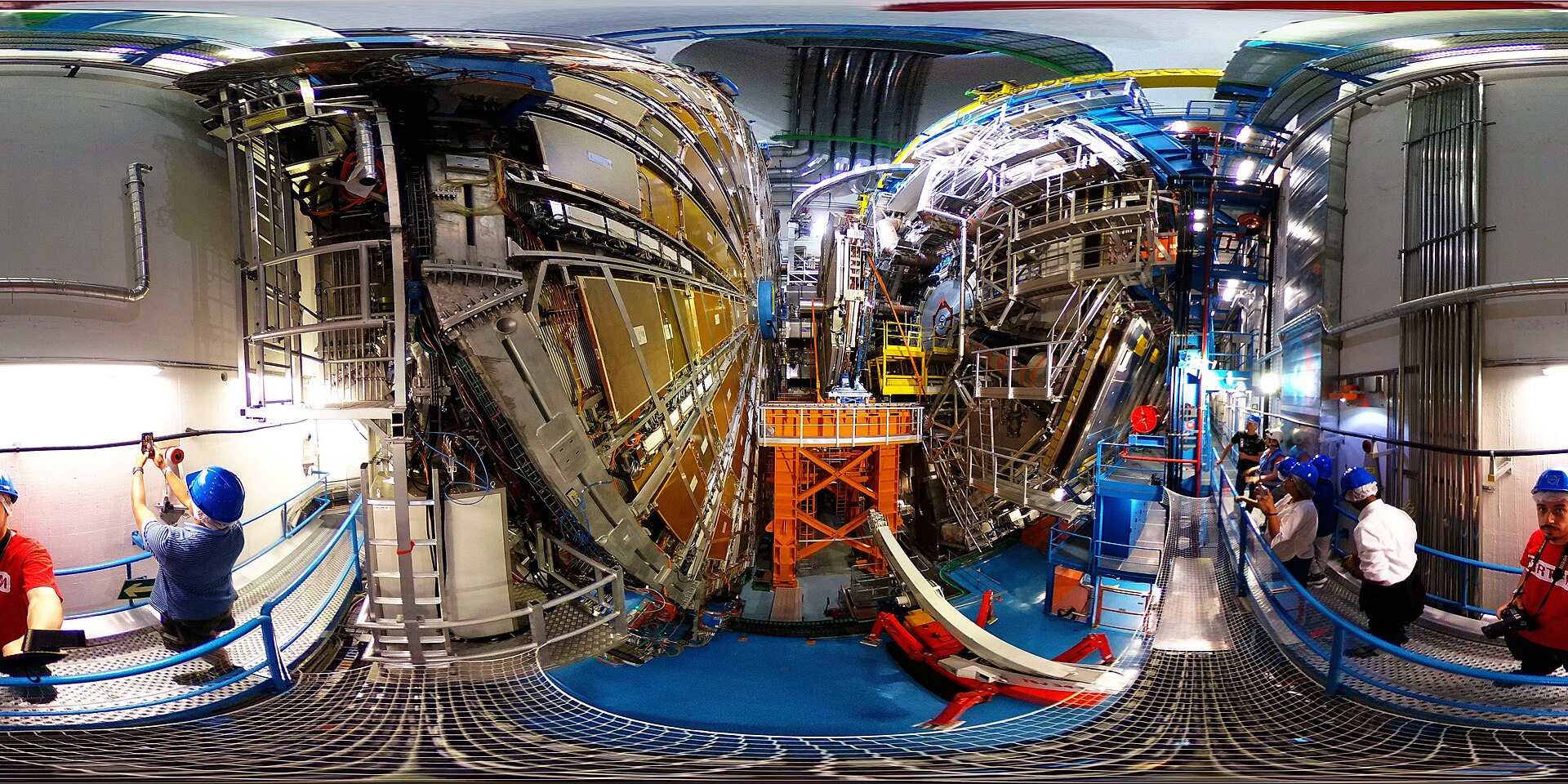
OpenAI announced on 26 October 2026 that its internal models produced a disproof of the Exponential Time Hypothesis, a proof of the local smoothing conjecture in every dimension, and an existence proof for quantum chromodynamics. It is handing verification to unpaid external groups rather than to journals.
mRNA Melanoma Vaccine Cuts Recurrence Risk by 42%
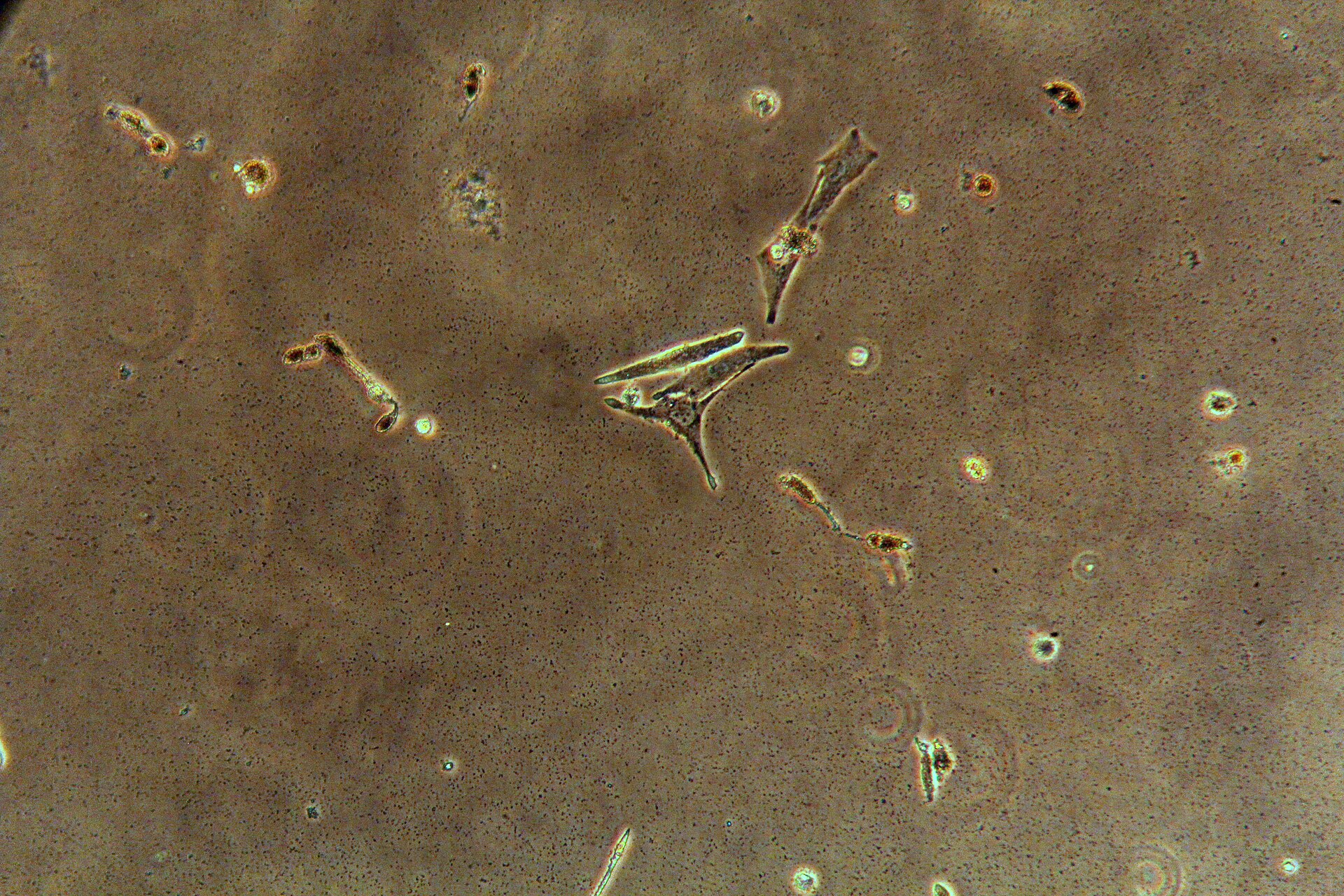
Merck and Moderna reported a hazard ratio of 0.58 for recurrence-free survival in more than 1,100 patients with completely resected stage IIB to IV melanoma, the first phase 3 evidence that a vaccine built from each patient's own tumour mutations adds to a checkpoint inhibitor.
MMX Is on Its Way to Phobos With a 10-Gram Target
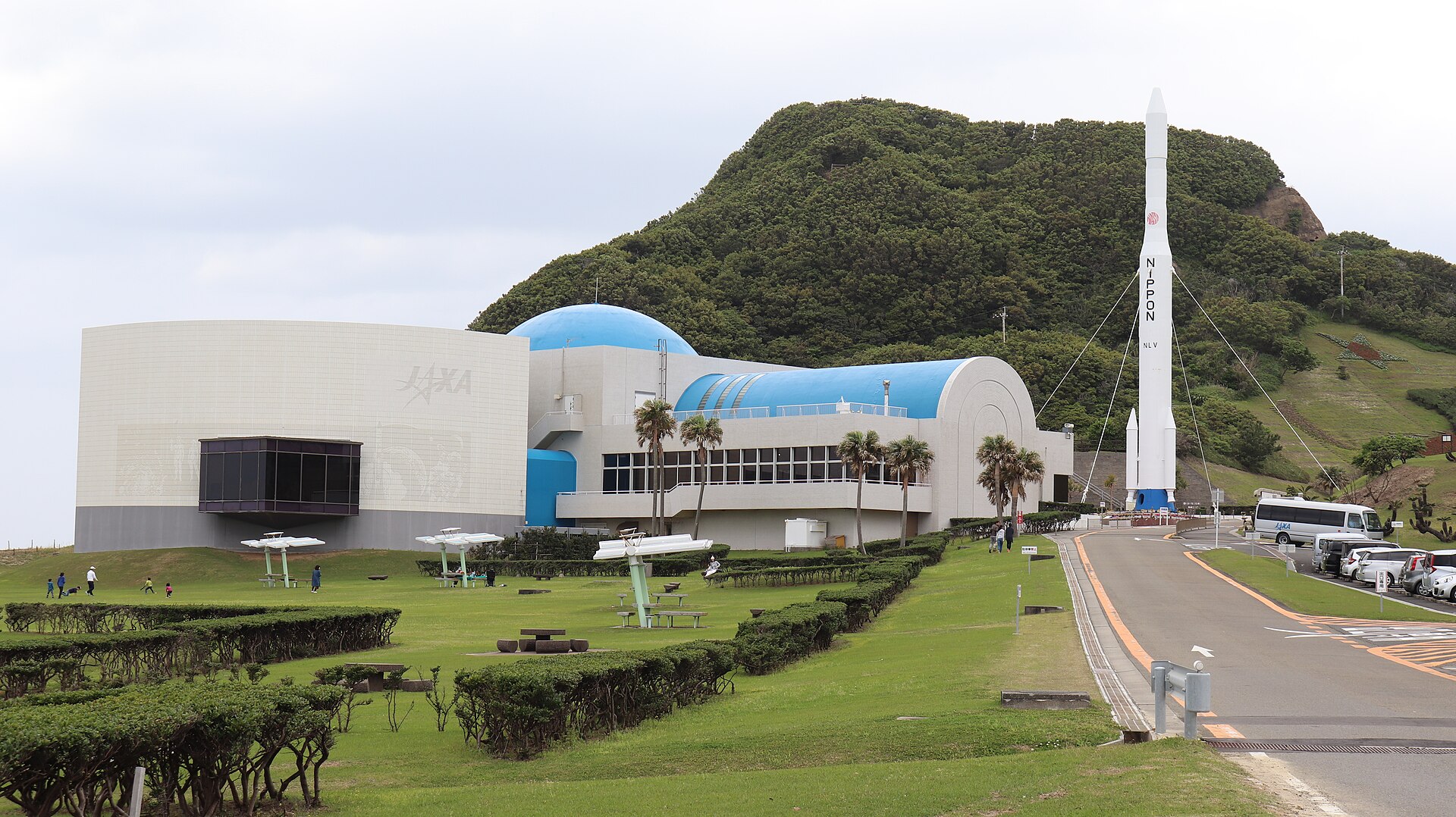
MMX separated from H3 flight No.10 about 71 minutes after liftoff from Tanegashima. If the five-year plan holds, it will collect at least 10 grams of regolith from the Martian moon Phobos and drop a capsule in Australia in 2031.
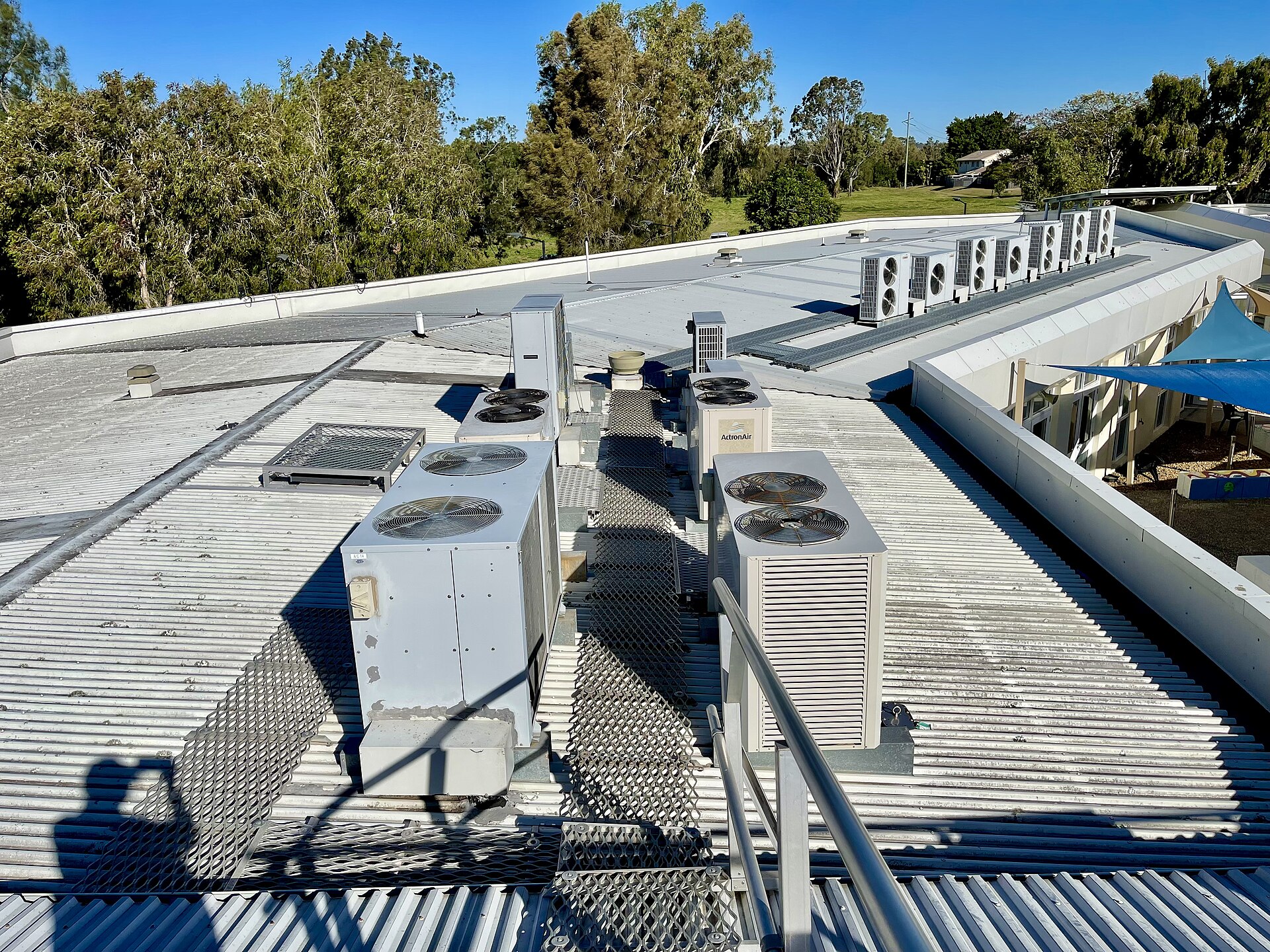
Sheltering From Heat Adds 46 Radon Deaths per 10,000
Researchers at the University of California, Irvine and Italy's National Institute of Health modelled four patterns of behavioural adaptation to heat and found the combined case added 46 lung cancer deaths per 10,000 people in the United States and 42 in a pooled French, German and Italian population, published on 17 October 2026.