Microsoft Will Run Most of Its AI on Chips It Designs
Scott Guthrie said Azure Maia becomes the primary inference system for Microsoft products and services, with the third-generation Maia 300 entering production deployments in 2027. Every performance figure in the announcement is Microsoft's own.
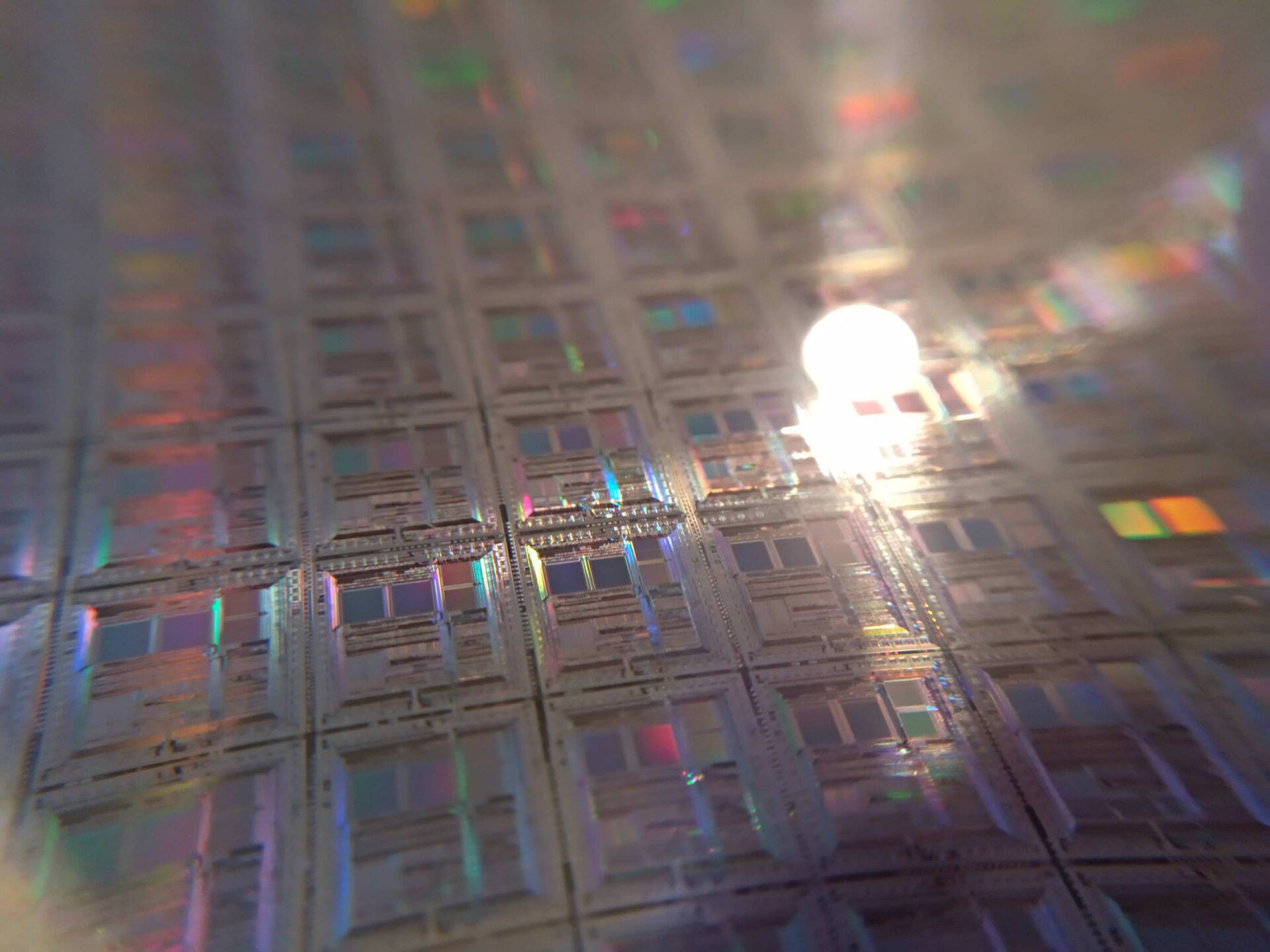
Microsoft said on 12 October 2026 that its in-house Maia chips will become the primary inference system for its AI products and services, and that the third generation, Maia 300, begins production deployments in 2027. Scott Guthrie, the company's executive vice president for cloud and AI, set out the plan in a post on Microsoft's official blog.
Guthrie wrote that Microsoft will scale the Maia family to multi-gigawatt deployments starting in 2027. The company expects Maia 300 to deliver 40 per cent more tokens per megawatt than leading GPU-based systems, and says a full 96-accelerator configuration reaches up to seven times the rack-scale token throughput of Maia 200. Reuters reported from San Francisco the same day that Microsoft plans to deploy potentially more than a million of the chips next year.
We will scale our Azure Maia family to multi-gigawatt deployments starting in 2027, making Maia the primary inference system for Microsoft products and services.
What the rack numbers say
Each Maia 300 rack holds 96 accelerators inside a 167-kilowatt power envelope, with 27.6 terabytes of HBM capacity and 1.7 petabytes per second of aggregate memory bandwidth, according to Guthrie's post of 12 October 2026. A single accelerator carries eight HBM4 stacks giving 18.0 terabytes per second of peak memory bandwidth within a 950-watt thermal design power. The compute chiplets are built on TSMC's N2P process node, in a multi-chiplet design that separates compute from memory-controller and input-output functions.
Those are the specifications of a part built for serving models rather than training them. Guthrie lists the target workloads as long-context reasoning, latency-sensitive conversation and sustained multi-step agent tasks, and describes an architecture that treats moving data, not raw arithmetic, as the bottleneck. Microsoft designs the chip and TSMC manufactures it, the same arrangement behind the quarterly revenue of T$1.49 trillion that TSMC reported on 9 October, as Parallax Nexus reported that day.
Every number is Microsoft's own
No independent party has verified any of the performance claims. The 40 per cent tokens-per-megawatt figure is a company expectation for a chip that has not shipped, and the 1.7 times tokens-per-watt gain Microsoft reports for Maia 200 in Teams, Copilot and Cowork is measured against GPU infrastructure the company declines to name. Microsoft published an architectural paper alongside the announcement and says it will give more detail at its Ignite conference in San Francisco next month.
Where this leaves Nvidia
Maia 200 reached production this year, runs Microsoft Copilot and serves OpenAI models, Microsoft's own MAI models and open-source families, and is deploying across the United States, Europe and Australia. GitHub Copilot and Microsoft Foundry are due to move onto it by the end of 2026. Maia is not available for outside customers to rent, unlike Google's Tensor Processing Units and Amazon's Trainium chips, GeekWire noted on 12 October 2026. Evercore ISI analysts estimate Maia will account for about 10 per cent of Microsoft's AI chip spending by early 2027, CNBC reported the same day.
The honest reading is that this is a bid to control the recurring cost of serving AI rather than a challenge to Nvidia in training. Satya Nadella told investors in July that Microsoft would be among the first cloud providers to deploy Nvidia's Vera Rubin and AMD's Helios systems, and he shared a stage with Jensen Huang last week to launch Windows machines built on Nvidia silicon. The weakest part of the record is deployment rather than design: The Information reported in August 2026 that Maia 200 was running in just two US data centres as of this summer, and Microsoft has not said how many sites the multi-gigawatt plan covers.
What happens next?
- Microsoft says it will share more on Maia strategy and adoption at Ignite in San Francisco in November 2026.
- GitHub Copilot and Microsoft Foundry are due to move onto Maia 200 by the end of 2026.
- Maia 300 production deployments are scheduled to begin in 2027.
- Independent benchmarks will show whether the 40 per cent tokens-per-megawatt expectation holds outside Microsoft's own benchmark harness.
Related topics
Sources & references
- 01Microsoft to expand Azure Maia system to multi-gigawatt deployments — MicrosoftcompanyPost by Scott Guthrie, executive vice president for cloud and AI, 12 October 2026; source of all specifications and efficiency claims
- 02Microsoft plans huge deployment of its own AI chips, with an eye on saving costs — ReutersnewsWire report by Stephen Nellis and Max A. Cherney, 12 October 2026, for the million-unit deployment figure
- 03Deep dive into Azure Maia 300 architecture — Microsoft AzurecompanyTechnical paper published alongside the 12 October 2026 announcement
- 04Microsoft makes 'biggest bet yet' on its own silicon, unveils new AI chip to reduce reliance on Nvidia — GeekWirenewsReport by Todd Bishop, 12 October 2026, including the Evercore ISI estimate and prior Maia 200 deployment reporting
More from Technology
Nvidia Floats $2,000 a Year per GPU for Agent Software
Nvidia's chief executive named a per-GPU, per-year price for the software that runs AI agents on its hardware, in remarks at GTC Berlin on 22 October 2026 first reported by The Register. The company has not confirmed the scope, the product or the start date, and the figure sits below the list price of a product it already sells.

US Treasury Adds Russia and North Korea to Investment Curbs
Treasury has proposed regulations implementing the Comprehensive Outbound Investment National Security Act, expanding the outbound investment screening regime from China to Russia, Iran, North Korea and Cuba. Public comments run through 7 December 2026.
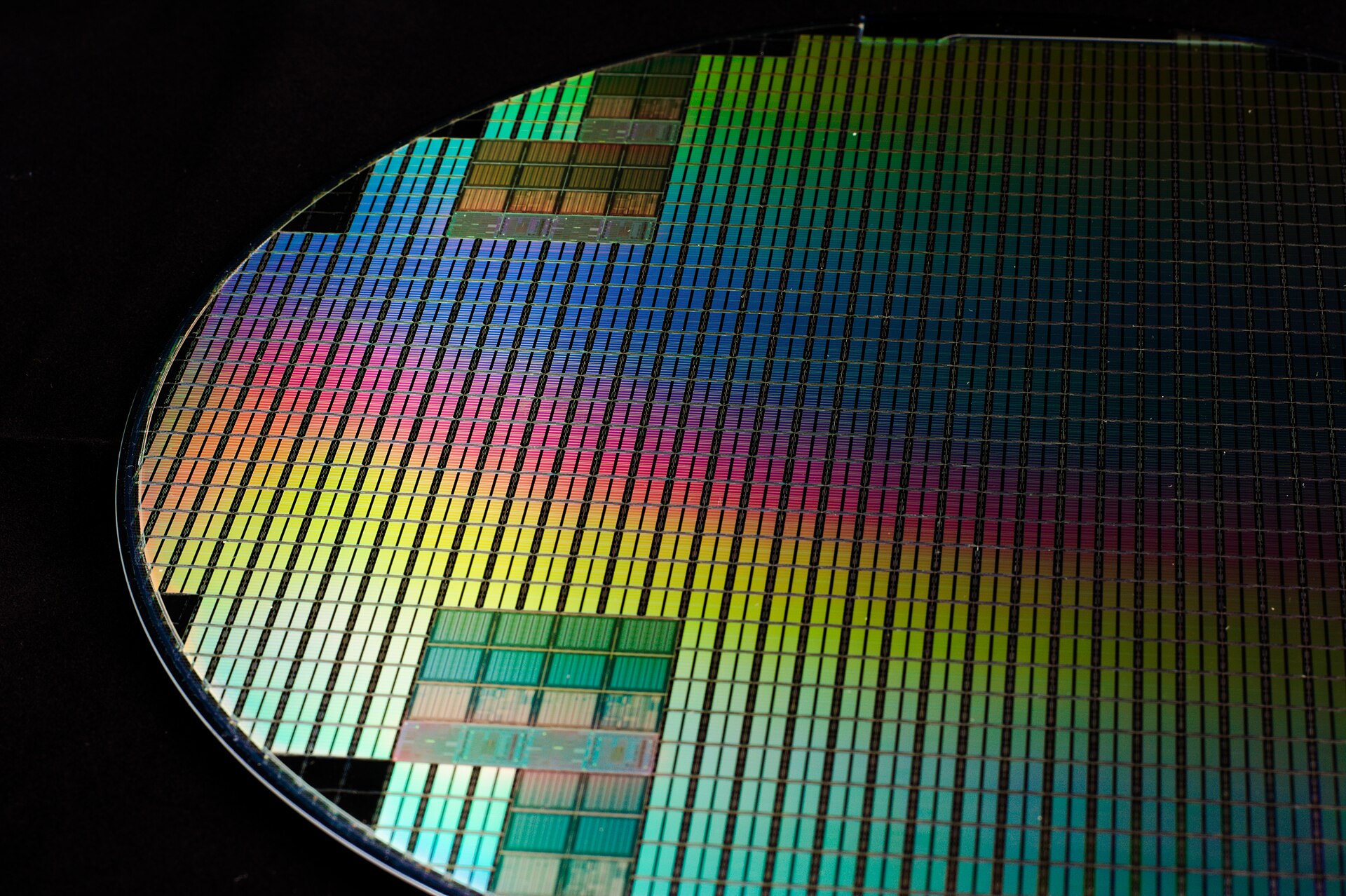
CXMT Guided to 742% Revenue Growth and Its Shares Still Fell
ChangXin Memory Technologies estimated January to September revenue of 265bn to 270bn yuan, up 742 per cent, and net profit of up to 132.5bn yuan. Its chairman proposed a buy-back of up to 2bn yuan; the shares dropped 6.5 per cent on 19 October.
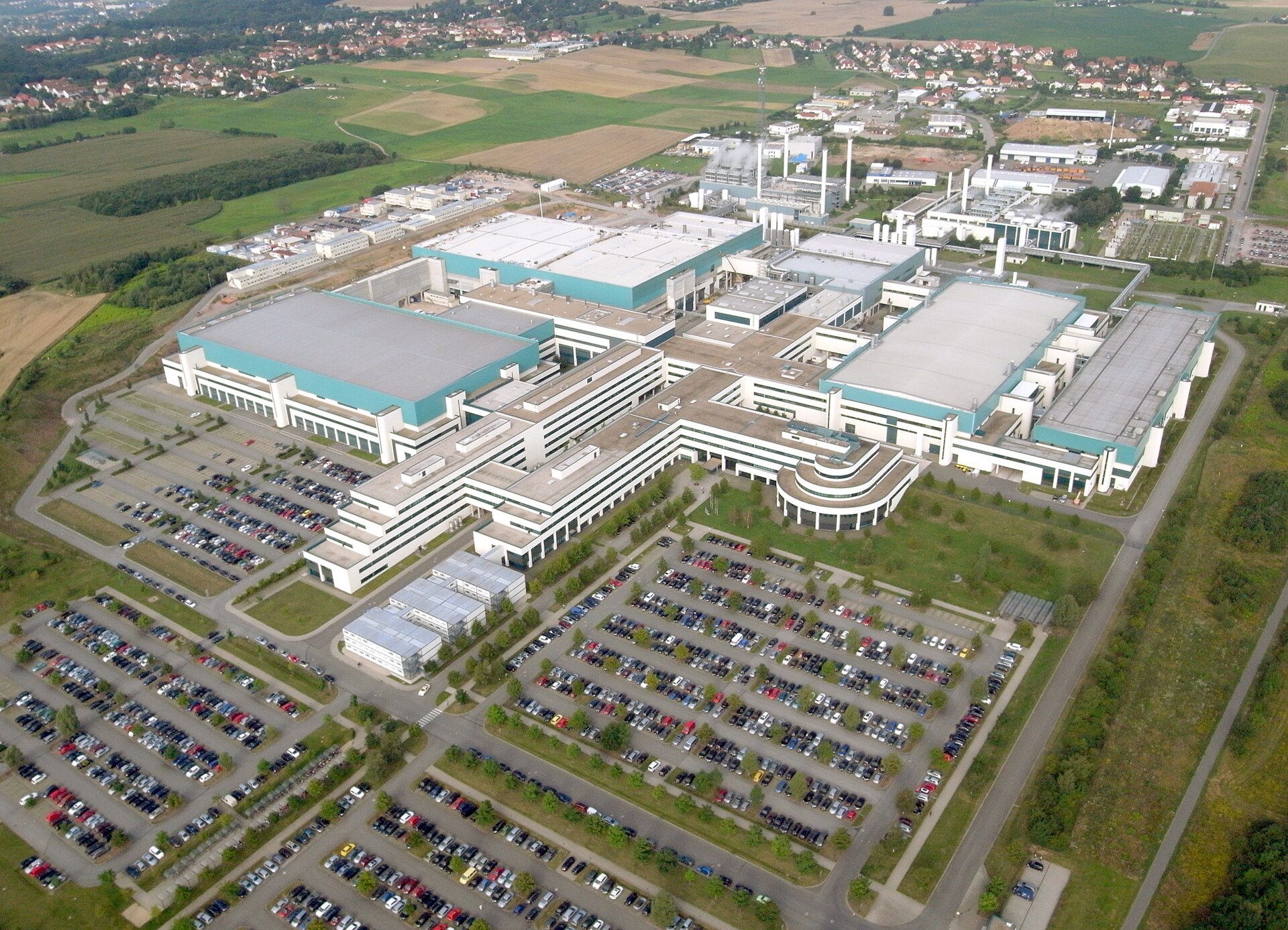
Japan Will Fund $21bn of Chip Fabs the US Part-Owns
Japan will invest up to $21 billion in two semiconductor plants in New York state that GlobalFoundries will build and run but not own, the company said on 14 October 2026. Reuters reported the factories will be jointly owned by the US government and Japanese interests, and that Washington is taking a further 4 per cent of GlobalFoundries itself.