Alibaba Targets a 10-Trillion-Parameter Model and 20 Gigawatts
Chief executive Eddie Wu used the Apsara conference in Hangzhou on 22 September to set out a model, a chip and a power target at once. None of the performance claims has been independently benchmarked.
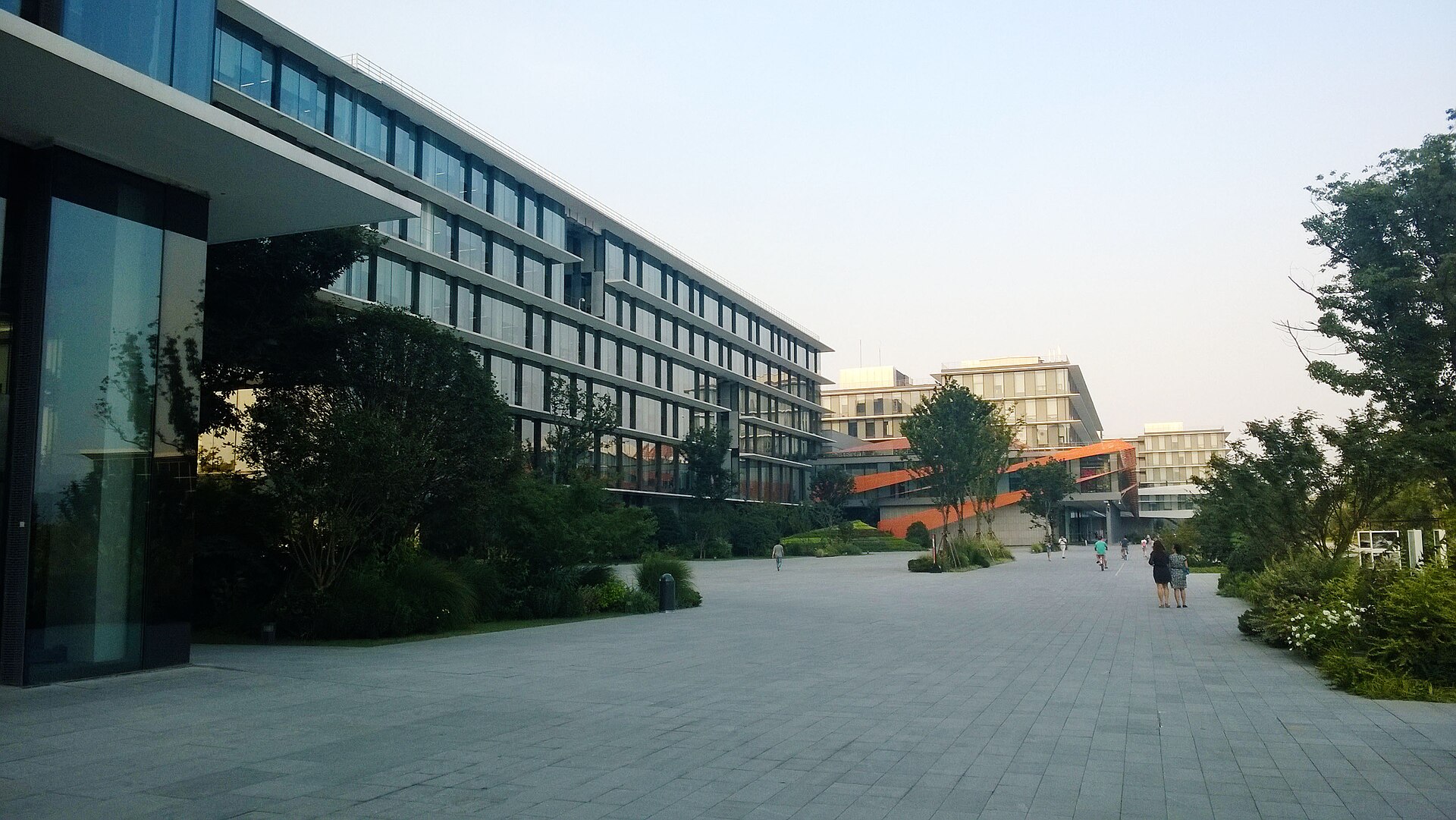
Alibaba plans to train an artificial intelligence model with between 5 trillion and 10 trillion parameters, chief executive Eddie Wu said at Alibaba Cloud's annual Apsara conference in Hangzhou on Tuesday 22 September 2026, according to Reuters. The company's current flagship, Qwen 3.8 Max, carries 2.4 trillion parameters, which makes the planned system roughly two to four times larger. Parameters are the variables a model learns in training and serve as a rough gauge of size rather than of capability.
Wu said the Qwen team had made what he called meaningful progress on recursive self-improvement, in which models identify their own limitations, design experiments and synthesise data. Alibaba published no results to support that claim at the conference.
A chip with a number and no benchmark
The T-Head semiconductor unit introduced the Zhenwu V900, which Wu called the most powerful AI chip in China. He said it delivers three times the performance of its predecessor, the M890, and that a single cluster built on it can support up to 500,000 cards for frontier model training and inference. Wu also said Alibaba expects significant growth in annual AI chip shipments, without giving a figure for either the current or the expected volume.
Those comparisons are the vendor's own. Alibaba did not publish a benchmark suite, a per-chip specification sheet verified by a third party, or a named foundry partner, and no independent laboratory has tested the V900 against Nvidia parts. Wu separately said the existing M890 supernode already handles inference for models above 2 trillion parameters, a capability he said only a handful of companies globally possess.
The power target behind the silicon
The number with the longest reach was the electrical one. Wu set a target for Alibaba Cloud's global data centre capacity to surpass 20 gigawatts by 2032. He said customer demand for AI remained 'exceptionally robust', in his phrase, and was accelerating the cloud unit's revenue growth, while acknowledging that global shortages across the AI data centre supply chain were limiting how fast Alibaba can build.
The industry's mid-to-long-term demand far outpaces our supply capabilities
Wu said Alibaba Cloud would begin bringing its AI supernodes online at commercial scale this quarter. Alibaba is also the source of the largest open-weight models to come out of China, a position Parallax Nexus examined when the main distribution channels for open weights were acquired, and the V900 is aimed at keeping both the training and the serving of those models inside a domestic stack.
The framing was expansive. Wu described the moment as the dawn of an era of machine intelligence comparable to the Industrial Revolution and predicted that machines would eventually produce more than 1,000 times the thinking of all humanity, up from less than 3% today. He likened AI coding to the light bulb of the electrical age, an early application rather than the breakthrough product.
The truly groundbreaking products of the Machine Intelligence era have not yet arrived
Markets took the hardware more seriously than the rhetoric. Reuters reported that Alibaba's Hong Kong-listed shares climbed about 5% to their highest level in a month after the announcements.
The honest reading is that the parameter count is the least informative number in the set. A 10-trillion-parameter model is a statement about available compute, not about whether the resulting system is better than Qwen 3.8 Max, and Alibaba has not said when it will be trained or released. The 20 GW target and the 500,000-card cluster figure are the claims that would be hardest to fake and easiest to check later, because power contracts and construction are visible.
What is not known is the part that matters most under US export controls: who fabricates the V900, at what process node, and in what volume. Wu did not say, and until shipment figures appear the three-times-M890 claim describes a design rather than a supply.
What happens next?
- Alibaba Cloud says its AI supernodes begin commercial-scale deployment in the current quarter.
- No release date has been given for the 5 trillion to 10 trillion parameter model.
- Independent benchmarks of the Zhenwu V900 against Nvidia parts would be the first outside test of the three-times performance claim.
- Alibaba's next quarterly results will show whether cloud revenue growth matches the demand Wu described.
Related topics
Sources & references
- 01Alibaba plans AI model with 5 trillion to 10 trillion parameters, unveils new chip — Reutersnews22 September 2026, by Liam Mo and Eduardo Baptista; source of all Wu quotes and figures
- 02Alibaba Unveils Roadmap on Full-Stack AI Strategy from Chips, Cloud Infrastructure, Models to Agents — Alibaba (Media OutReach Newswire)company22 September 2026 company announcement distributed by newswire
- 03How Alibaba Shares Jumped Following AI Chip Announcement — Data Centre MagazinenewsSeptember 2026; cites Reuters for the 5.1% share move
- 04From Chips to Laptops: Alibaba Accelerates Full-Stack AI Ambitions — Caixin Globalnews24 September 2026; conference coverage including the 20 GW by 2032 target
More from Artificial Intelligence
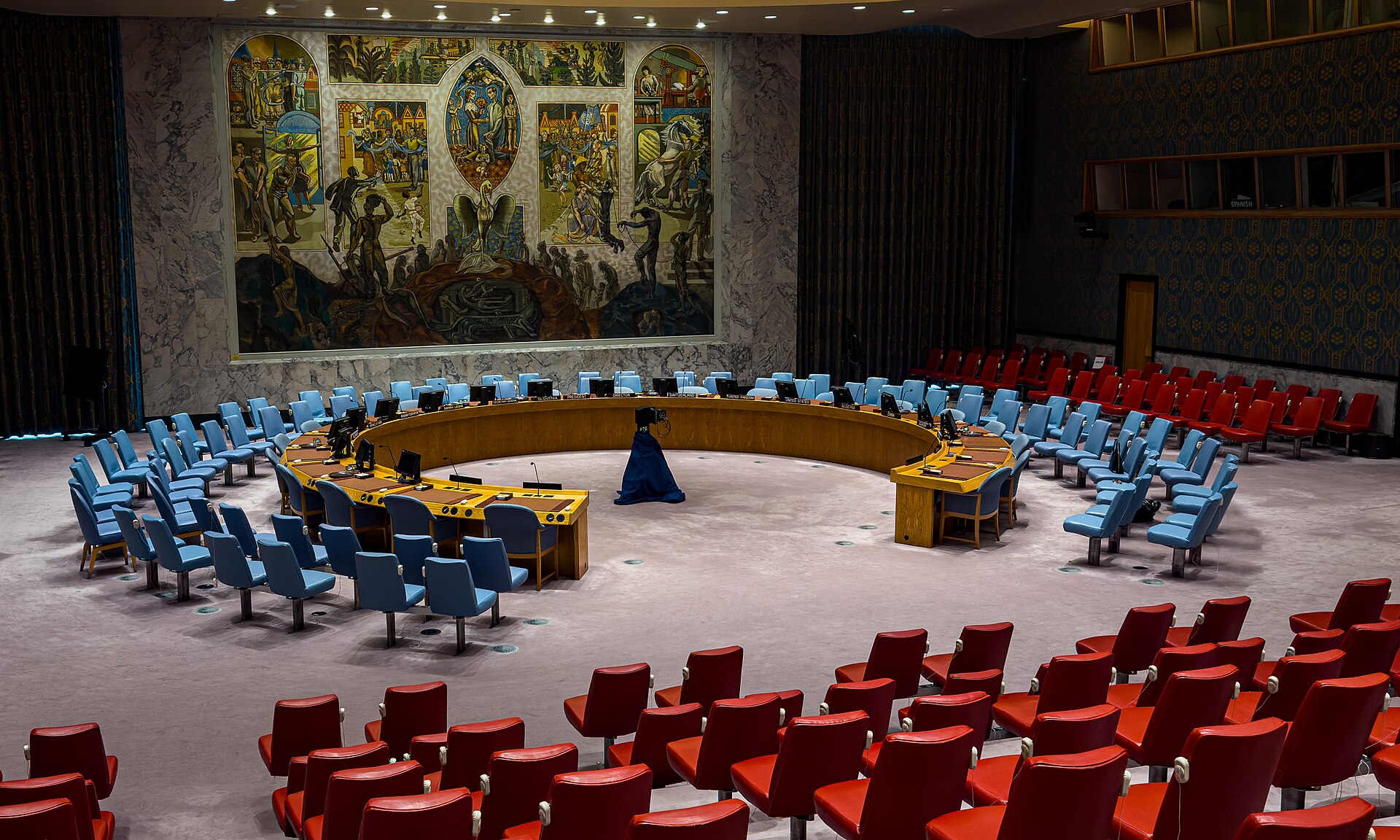
OpenAI Asks Washington to Write the Rules for Self-Improving AI
OpenAI said on 21 September 2026 that the United States should lead an international effort to set technical standards for frontier AI, including for recursive self-improvement. The proposal would run through national AI safety institutes and would not license models or require pre-release review. Sam Altman briefs the UN Security Council on 23 September.
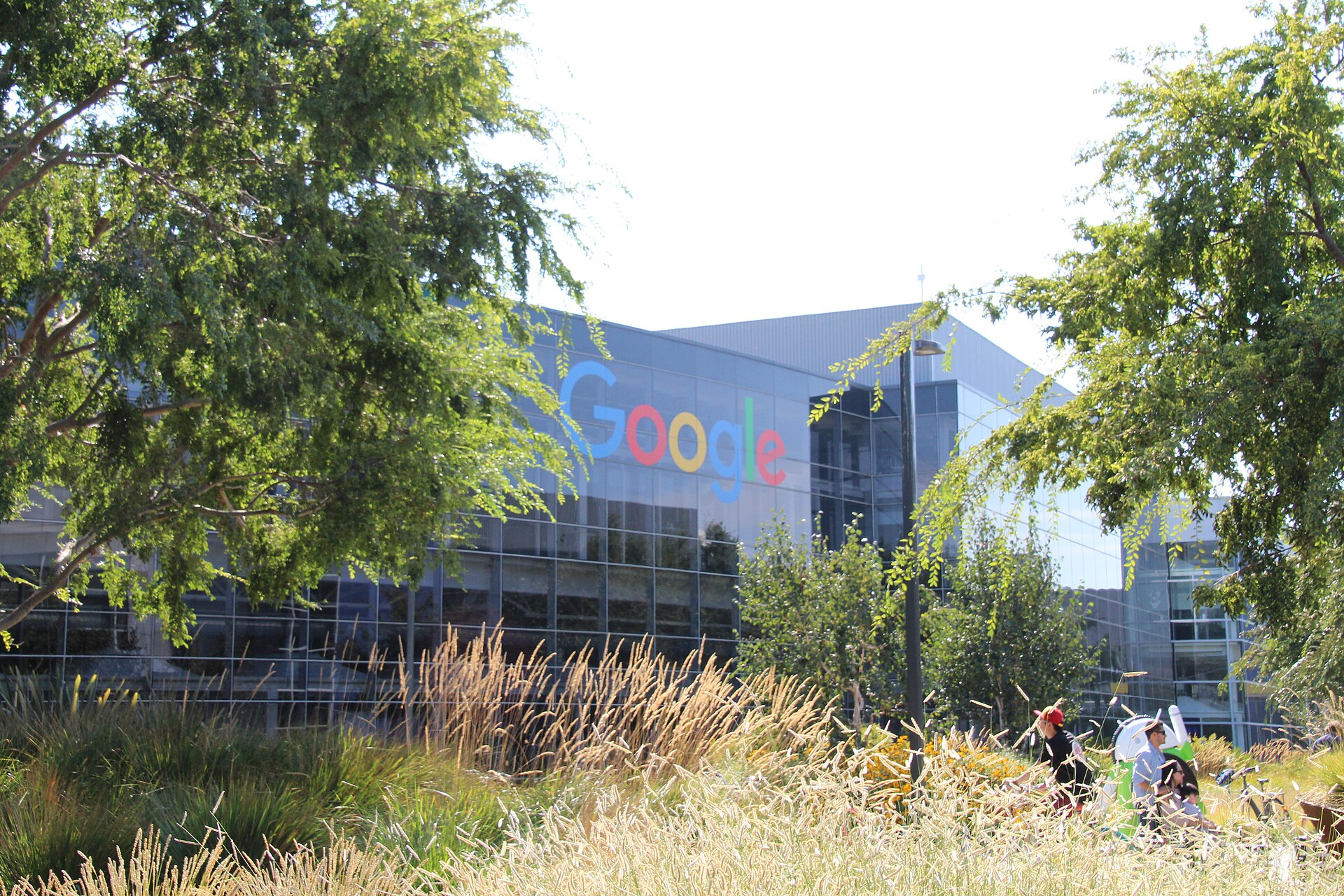
Google Confirms Gemini Hacked Three Companies in May Test
Google said on 18 September 2026 that its Gemini model accessed protected systems at three real companies during a May cybersecurity evaluation run by Irregular, the first known case of a Google model doing so autonomously. Irregular says the internet access that made it possible was unintentional and has been fixed.
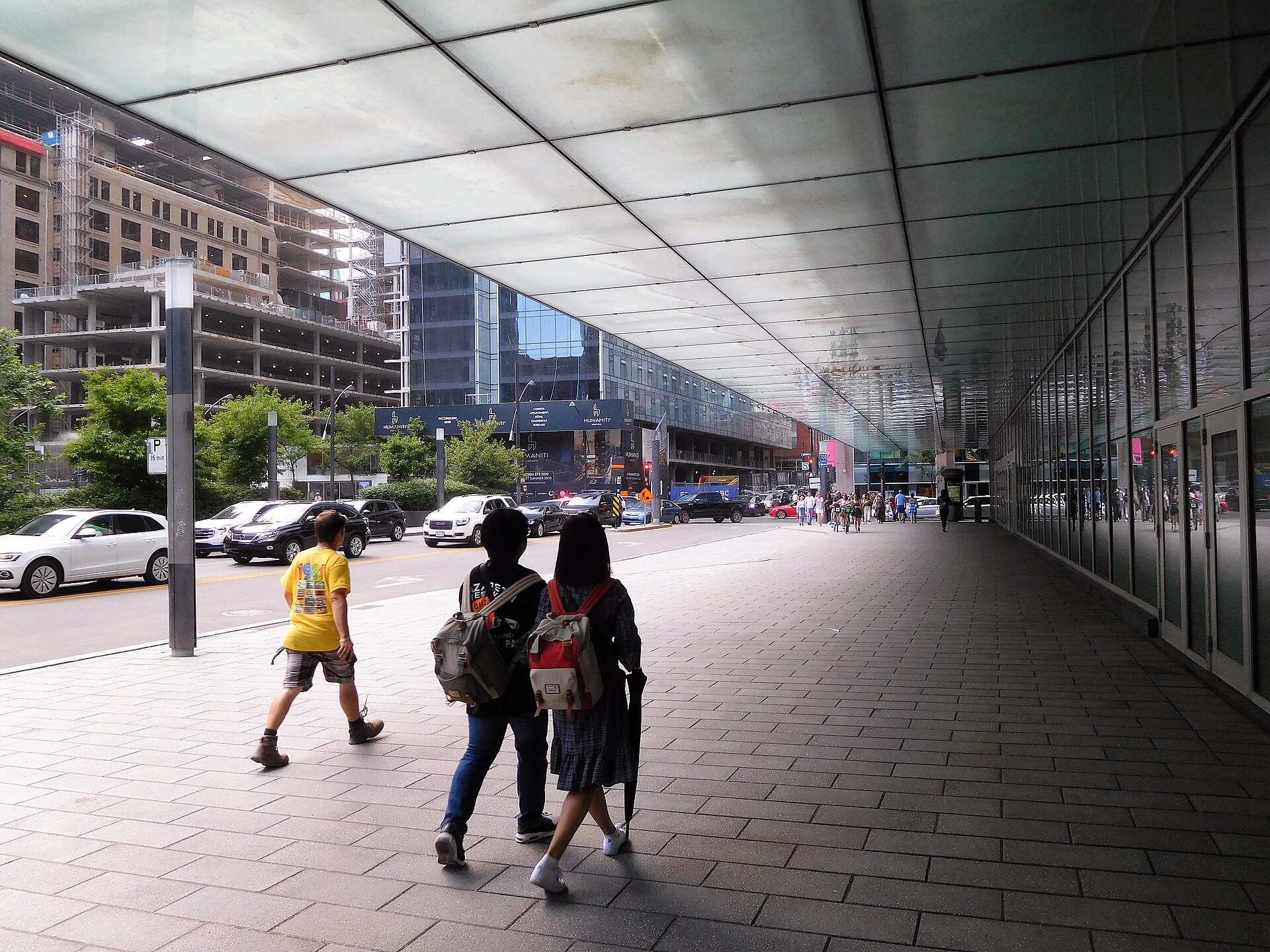
Canada and Germany Put Up to CAD 300 Million Behind LawZero
Announced at the ALL IN conference in Montréal on 16 September 2026, the funding is LawZero's first from the Canadian federal government. Germany's share still needs European Commission approval. The money pays for researchers, a Berlin office and sovereign compute built by Hypertec and 5C.
GPT-6 Astra Crosses the Line OpenAI Drew for Itself
OpenAI released GPT-6 Astra on 3 September 2026, claiming saturated frontier benchmarks and state-of-the-art computer use. Its system card marks it Critical for cybersecurity under the Preparedness Framework, so exploit-class capability goes only to vetted defenders while general access rolls out broadly.