Firmus Shelved a $5bn IPO Priced at Triple Its August Value
The Nvidia-backed Australian data centre operator pulled what would have been the second-largest share sale in the country's history. Investors balked at a $30.6 billion equity valuation set eight weeks after a round valuing it at $10.5 billion.
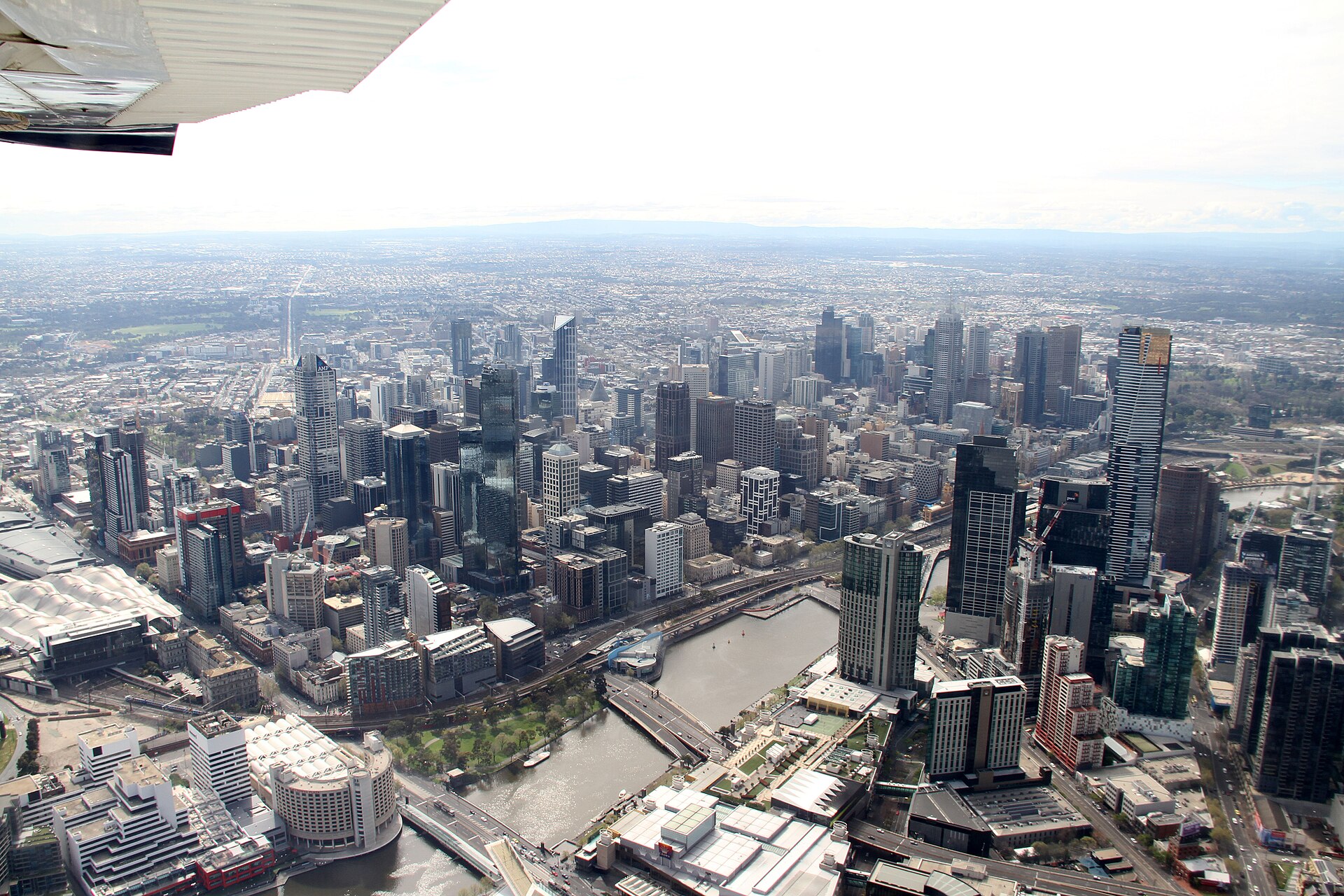
Firmus, the Australian data centre operator backed by Nvidia, shelved its $5 billion initial public offering on Friday 9 October 2026 and said it would raise from private markets instead. Reuters reported from Sydney that the offer had been priced at A$11 a share, giving the company an equity valuation of $30.6 billion. A fundraising round at the start of August valued it at $10.5 billion. The listing would have been the second-largest new share sale in Australia's history.
The company's own account puts the blame on the market rather than the price. "Firmus will now pursue capital from the private markets and consider alternative public and private market options," it said in a statement, adding that the terms did not correctly reflect the strength of its business and long-term growth outlook. "The board therefore concluded that proceeding with the offer was not in the best interests of the company and its shareholders."
Two buildings and a five-year promise
Founded in 2019, Firmus designs and operates modular units it calls AI factories, using proprietary energy and cooling technology, and counts Nvidia, Coatue Management, Blackstone and Jane Street among its backers. It has two sites online, leased, in Melbourne and Singapore. Five more planned across the Asia-Pacific are at early stages of development. Its draft prospectus projected $5 billion in annual earnings within five years from a portfolio of data centres that mostly does not exist yet.
The debt is the other half of the arithmetic. Analysts working for the IPO's joint lead managers put Firmus's borrowings at about $30 billion, which would have given a seven-year-old company an enterprise value near $60 billion, more than some of the oldest listed businesses in Australia. Potential investors told Reuters they were sceptical about the speed of the valuation increase, the company's ability to execute its growth plans, and that debt pile.
What changed on Tuesday
The term sheet circulated when the deal launched said indicative offers already covered the transaction size, which makes the collapse four days later worth examining. According to Reuters, investors grew more concerned about the valuation jump after being told on Tuesday 6 October about the deal's escrow arrangements, which would have allowed existing investors to sell more than half the stock from the proposed first day of trading. Shares in Maas Group, a construction services provider, entered a trading halt on Friday pending a material announcement about its contractual arrangements with Firmus.
I think the Firmus situation represents an important reality check for the AI investment boom, but I wouldn't interpret it as the beginning of the end of the AI trade.
Private capital has shown no such hesitation. Samsung Electronics and five affiliates put a combined $1 billion into Helix Digital Infrastructure on 29 September, taking that company's secured capital past $11 billion, as Parallax Nexus reported. Akamai booked a seven-year, roughly $11.6 billion cloud commitment from Anthropic in a deal part-paid in warrants. Firmus is the first of this cohort to ask public markets to underwrite the same kind of forward projection, and the first to be told no.
A pricing failure, not a verdict on demand
The honest reading is narrower than the headlines suggest. Nothing about Firmus's withdrawal says compute demand is softening; it says a tripling of valuation in eight weeks, against two operating buildings and $30 billion of debt, was more than listed-market investors would fund on a prospectus. PwC projects cumulative global spending on data centres alone could top $30 trillion by 2050, and that projection is undisturbed by one shelved offer in Sydney.
The contrary signal arrived the day before. US-listed chipmakers, up more than 80 per cent this year, fell 3.4 per cent on Thursday after the Financial Times reported that OpenAI's annualised revenues were $20 billion below what the company had previously signalled. Whether the two events share a cause is not known, and Firmus has not disclosed the terms it will seek privately, which is the number that would show how much of the $30.6 billion it still believes.
What happens next?
- Firmus said it will pursue private capital and consider alternative public and private options, so the valuation it accepts privately becomes the next real data point.
- Maas Group's announcement on its contractual arrangements with Firmus will show what the withdrawal does to the construction pipeline.
- Watch whether other AI infrastructure issuers in the Asia-Pacific delay listings rather than reprice them.
- Firmus has not said whether the five planned Asia-Pacific sites keep their timetable without listing proceeds.
Related topics
Sources & references
- 01Nvidia-backed Firmus scraps $5 billion Australian IPO on weak demand — ReutersnewsScott Murdoch and Christine Chen, 9 October 2026. Source of the pricing, valuations, debt estimate, escrow detail and the Firmus and Jun Bei Liu quotes.
- 02Nvidia-backed Firmus scraps $5 billion Australia IPO amid growing AI scrutiny — ReutersnewsReuters wire record of the withdrawal, filed 9 October 2026.
- 03Australia's Maas enters trading halt after Nvidia-backed Firmus shelves $5 billion IPO plan — Reuters, via Livemintnews9 October 2026, for the Maas Group trading halt and the A$ exchange rate used.
- 04Nvidia-backed AI data centre operator Firmus shelves IPO — Reuters, via US NewsnewsWire copy confirming the date and the stated reason for withdrawal.
More from Business
Anthropic's S-1 Shows $16.3bn of Revenue and a $693m Loss
Anthropic's Form S-1 reports $16,286m of revenue for the first half of 2026 against $1,163m a year earlier, a $693m operating loss, and a $80,748m net loss of which $72,388m is the change in fair value of convertible notes and similar instruments. The filing leaves the price range and share count blank.
Citi Wins a China Brokerage Licence After Five Years
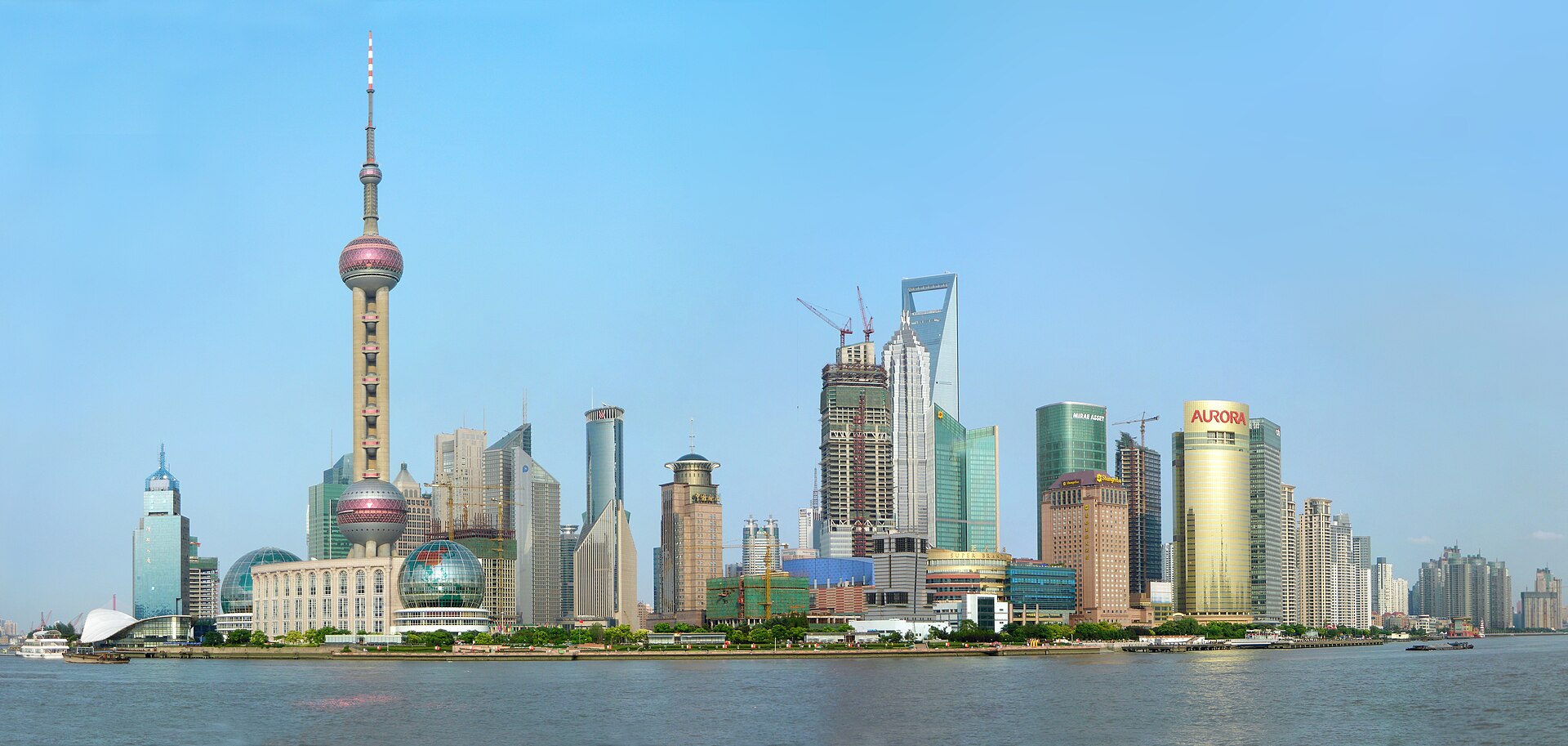
China's securities regulator cleared Citigroup Global Markets Holdings to establish a wholly owned brokerage in Shanghai, ending an application that had been pending since December 2021 and returning Citi to onshore securities six years after it left its Orient Citigroup joint venture.
SpaceX Spent $19.6bn of Capex in a $4.4bn Profit Quarter
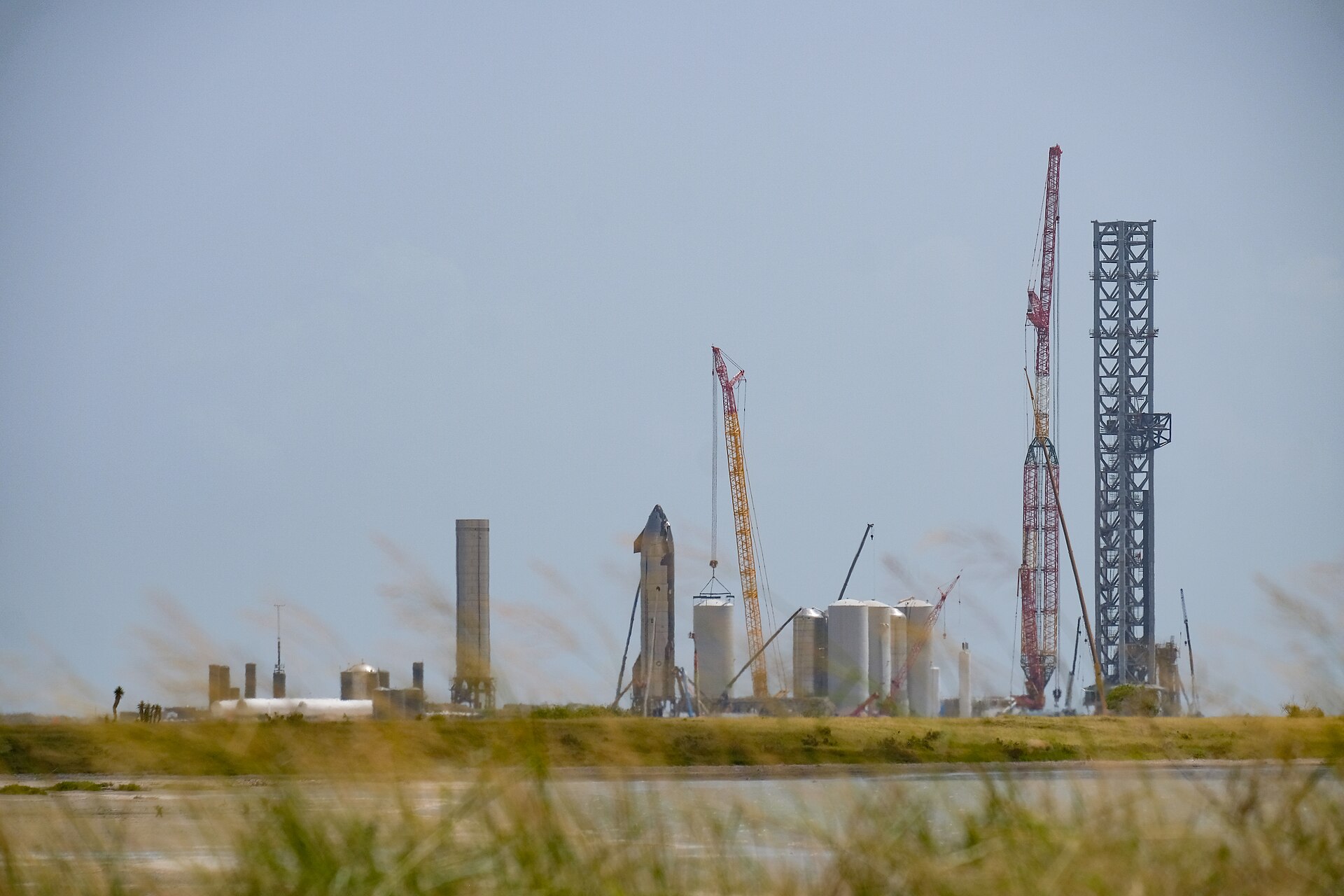
SpaceX's results for the quarter to 30 September 2026, filed with the SEC on 20 October, show the renamed Super Intelligence segment overtaking Starlink on revenue while absorbing $16.4 billion of capital spending in three months.
Microsoft Walks Away From Britain's Largest AI Data Centre
Reuters reported on 18 October 2026 that Microsoft has terminated its agreement at Nscale's data centre in Loughton, Essex, where the grid connection has slipped to the 2030s. Nscale says it still intends to build and is looking for alternative power.