Samsung Puts $1 Billion Behind AI's Power Bottleneck
Six Samsung affiliates are backing Helix Digital Infrastructure, the KKR-formed company that buys generation and transmission as well as data centres. Samsung Electronics is putting in half the money.
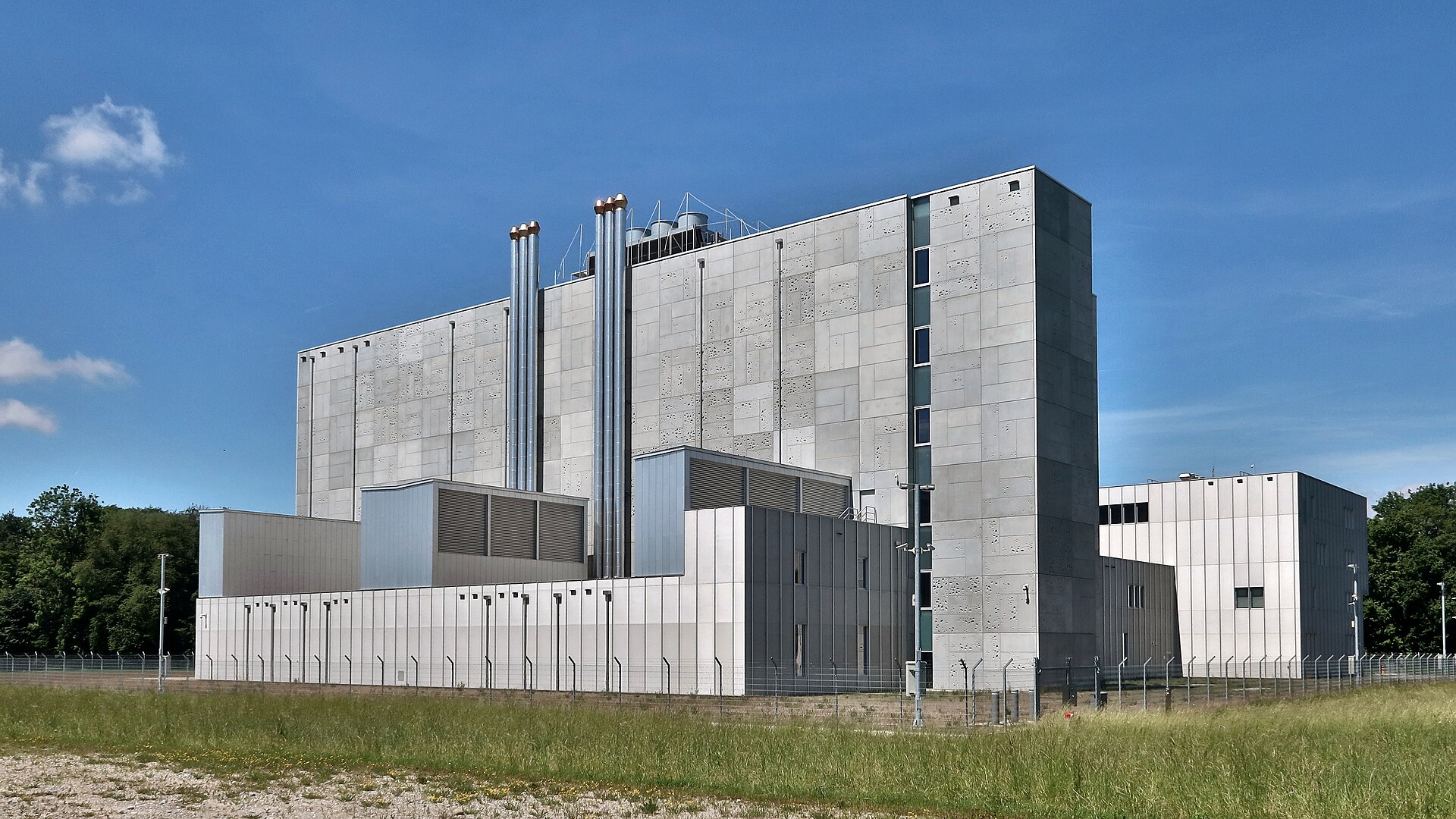
Samsung Electronics and five sister companies committed a combined $1 billion to Helix Digital Infrastructure on 29 September 2026, according to Samsung's own statement. Samsung Electronics is providing $500 million; Samsung C&T, Samsung SDS, Samsung SDI, Samsung Life Insurance and Samsung Fire & Marine Insurance are splitting the other half.
Helix is not a data centre developer in the ordinary sense. KKR formed it in June 2026 with more than $10 billion of committed capital from founding investors including the Kuwait Investment Authority, Nvidia and the Texas power producer Vistra, and its remit runs across hyperscale data centre development and operations, power generation covering both baseload and flexible sources, transmission and distribution infrastructure, and fibre-optic networks. Dow Jones reported on 28 September that the Samsung money takes total secured capital past $11 billion. Adam Selipsky, the former chief executive of Amazon Web Services, runs the company.
The sentence that explains the structure
Samsung's release is unusually direct about why the vehicle is shaped this way. "Recognizing that power availability is currently the greatest bottleneck in AI infrastructure, Helix plans to rapidly secure energy capacity through direct investments and strategic partnerships with major energy developers, including investor Vistra," the company said. That is a buyer of compute saying, in writing, that the constraint has moved off the silicon and onto the grid.
It shows in what each affiliate brings. Samsung C&T is an engineering, procurement and construction contractor that builds both data centres and power plants. Samsung SDI makes uninterruptible power supplies and battery backup units. Samsung Electronics' consumer division owns FläktGroup, the data centre heating and cooling specialist it acquired in 2025, which Samsung says operates 14 production sites and a service network across 65 countries. Samsung SDS runs the Korea AI Computing Center and claims the lowest power usage effectiveness of any operator in Korea. Only the chips come from the part of Samsung most people think of first.
The regulatory direction of travel makes that integration worth paying for. As Parallax Nexus reported on 26 September, Argentina's Energy Secretariat now requires new large electricity demands to show firm capacity equal to 115 per cent of what they intend to consume, with data centres held to a higher standard than production projects. Texas has paused permitting while ERCOT audits its queue. A developer that arrives with its own generation, or with a power producer on the cap table, clears those gates faster than one holding a grid letter.
What has not been announced
Neither Samsung nor KKR named a site, a project, a counterparty or a megawatt figure. Selipsky called the commitment a "vote of confidence" in the strategy, according to Dow Jones, which is a statement about capital rather than about capacity. KKR says it has invested more than $75 billion across digital infrastructure and power globally and about $9 billion in Korea since 2009, but none of that tells you what Helix has actually contracted.
The judgment worth making is that this is the more interesting half of the AI capital story precisely because it is the unglamorous half. Money for buildings and chips has never been scarce this cycle; interconnection dates and firm capacity have been. The strongest counter-argument is that $11 billion of equity is small against the scale of the problem. Helix's own investor Vistra operates a fleet measured in tens of gigawatts, and a single hyperscale campus can now ask for more than two.
What happens next?
- Helix has yet to name its first site, counterparty or contracted capacity.
- Samsung says the affiliates will look for commercial work alongside Helix in cooling, batteries and construction, which would show up as contract awards rather than as further equity.
- Vistra's role as the named energy partner will be tested by whether Helix secures firm capacity or joins the same interconnection queues as everyone else.
Related topics
Sources & references
- 01Samsung To Invest USD 1 Billion in AI Infrastructure Company Helix — Samsung Global NewsroomcompanyPrimary statement dated 29 September 2026; source for the affiliate split, Helix's remit and the power bottleneck quotation.
- 02Samsung Electronics commits $1 billion to KKR-backed Helix Digital AI buildout — ReutersnewsFiled 29 September 2026.
- 03Samsung Commits $1 Billion to AI Infrastructure Firm Backed by KKR, Nvidia — Dow Jones Newswires, via MorningstarnewsFiled 28 September 2026, 19:21 ET; source for the $11 billion total and the Selipsky quotation.
- 04Samsung Commits $1 Billion to Helix Digital Infrastructure to Support Global AI Infrastructure Buildout — Business Wire, via MorningstarprimaryJoint Helix and KKR release; source for KKR's $75 billion and $9 billion figures.
- 05Samsung to inject $1 billion into Nvidia- and KKR-backed AI infrastructure firm — CNBCnews29 September 2026.
More from Energy
Newsom Signs Seven Data Centre Laws on Power and Water
Governor Gavin Newsom signed seven data centre bills on 21 September 2026 requiring monthly energy reports to the California Energy Commission, water disclosures to local suppliers, and separate electricity rates so operators carry their own connection costs.
Brussels Proposes A-to-G Energy Labels for Large Data Centres
The European Commission proposed a common EU rating scheme on 21 September 2026 that would give every data centre above 500 kW an automatically generated electronic label from 15 August 2027, grading energy efficiency A to G on Power Usage Effectiveness and water efficiency on Water Usage Effectiveness. A parallel consultation asks whether minimum performance standards should follow.
DOE Renews Indiana Coal Orders Days After a Court Struck One Down
The US Department of Energy issued fresh section 202(c) emergency orders on 19 September 2026 keeping two Indiana coal stations available through 18 December, eight days after a federal appeals court ruled the same authority had been used unlawfully to keep a Michigan coal plant running.
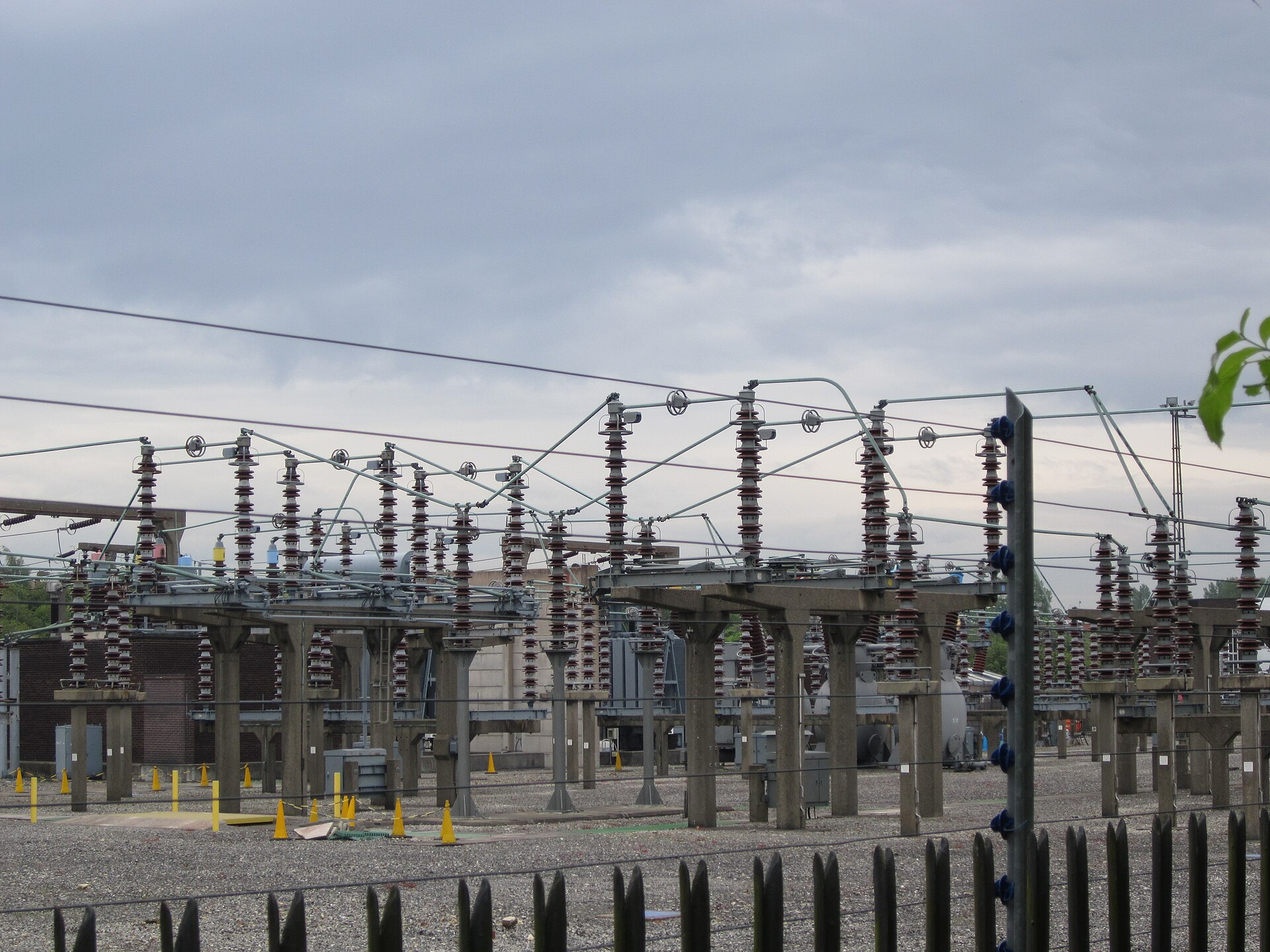
Ofgem Moves to Charge Batteries for Holding Grid Slots
Ofgem said on 17 September 2026 it is minded to approve CMP470, a code modification raised by developer Field Energy that would make battery projects post financial security of £3,000 to £25,000 per megawatt to keep a connection slot while the queue is oversubscribed.