Turkey Puts $500bn Behind a 281GW Power System by 2040
The roadmap presented in Istanbul on 5 November 2026 more than doubles installed electricity capacity, targets 10GW of nuclear and claims full self-sufficiency in oil and gas from a base of 15 per cent.
Turkey will need $500 billion of investment to lift installed electricity capacity from 123 gigawatts to 281 gigawatts by 2040, Energy and Natural Resources Minister Alparslan Bayraktar said in Istanbul on 5 November 2026, presenting a roadmap the ministry has named National Energy 2040.
The plan is built on electrification. Bayraktar put electricity demand at 365 terawatt-hours in 2025 and projected 680 terawatt-hours by 2040, with electric vehicles accounting for 90 terawatt-hours of the increase and 20 million of them on the road served by 1.5 million charging points. Electricity would meet 36 per cent of total energy demand by 2040, he said. Reuters reported the figures the same day, putting the share of renewables in installed capacity rising from 63 per cent to 77 per cent.
What the 175 gigawatts of solar and wind actually measures
Solar capacity would go from 26 gigawatts to 112 gigawatts and wind from 15 gigawatts to 63 gigawatts, a combined 175 gigawatts costing $100 billion, according to Bayraktar's presentation on 5 November. That is a fourfold increase on today's roughly 40 gigawatts. The 77 per cent figure describes the capacity of power plants rather than the electricity they generate, a distinction that matters in a system where solar runs at a fraction of its nameplate rating across a year.
| Measure | 2025 | 2040 target |
|---|---|---|
| Installed electricity capacity | 123 GW | 281 GW |
| Solar capacity | 26 GW | 112 GW |
| Wind capacity | 15 GW | 63 GW |
| Nuclear capacity | 0 GW in service | 10 GW |
| Electricity demand | 365 TWh | 680 TWh |
| Oil consumption | 993,000 b/d | 718,000 b/d |
| Gas consumption | 59 bcm | 57 bcm |
The wires bill runs close to the generation bill
Generation capacity accounts for $190 billion of the total. Networks take $116 billion, which is the number that distinguishes this plan from the capacity announcements that usually accompany energy strategies. Bayraktar said transformer capacity would rise 50 per cent and line length 30 per cent, with 28 gigawatts of high-voltage direct current links spanning 10,000 kilometres. On the distribution side the targets are full coverage of smart meters, supervisory control and data acquisition systems, and urban ring networks. Turkey's five state energy companies, TEIAS, EUAS, Eti Maden, TPAO and BOTAS, are expected to provide $210 billion of the spending between them.
Ten gigawatts of nuclear from two plants that have no approvals
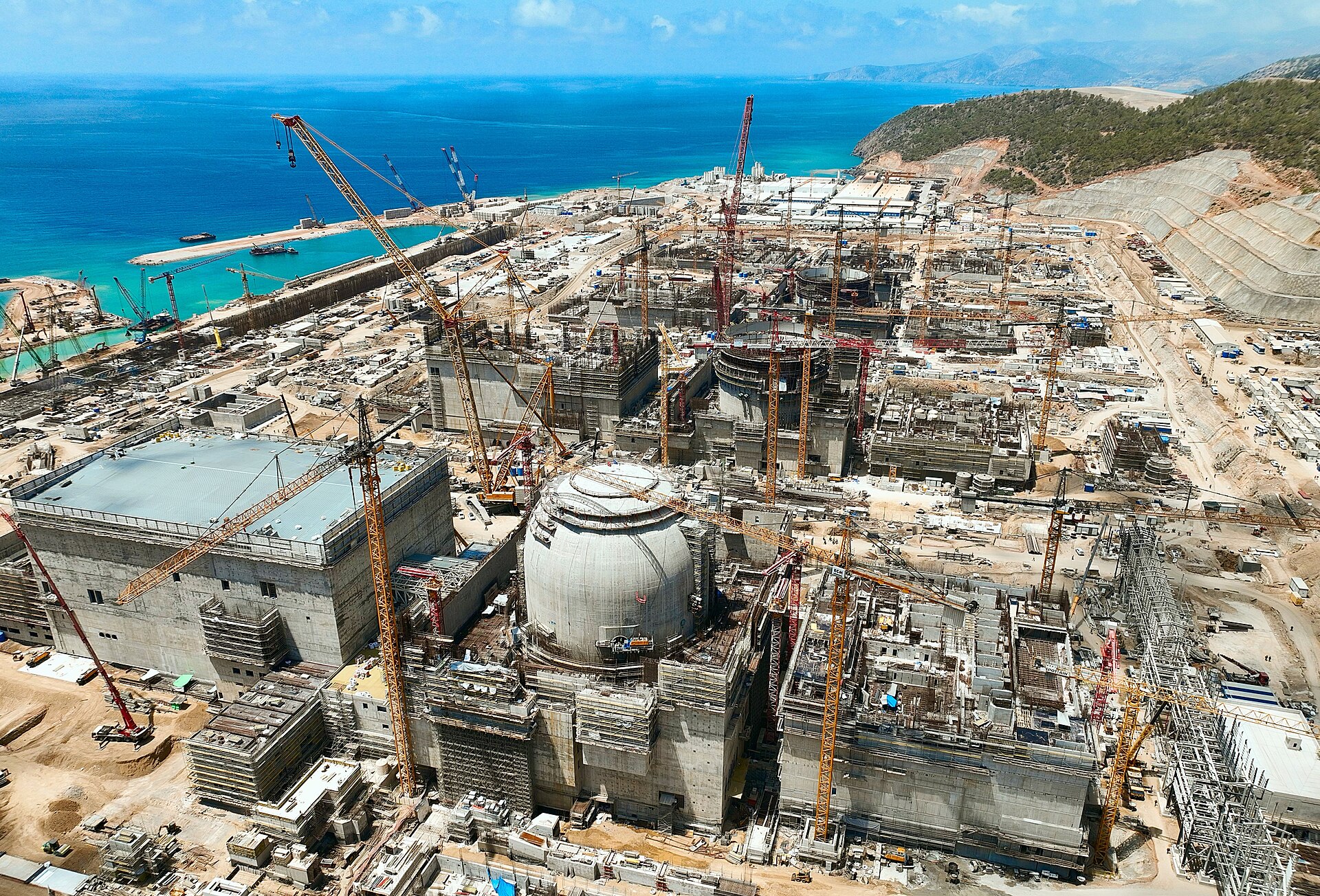
The 10 gigawatt nuclear target rests on three sites and small modular reactors. Only one site is under construction: the 4.8 gigawatt Akkuyu plant in Mersin province, whose first reactor Bayraktar said last week should be online by the start of 2027. Reuters reported that decisions on the proposed plants at Sinop on the Black Sea and in Thrace are expected in 2027, which leaves roughly 5 gigawatts of the target without a sanctioned project behind it.
The timing is deliberate. Turkey hosts COP31 in Antalya from 9 November. As Parallax Nexus reported on 27 October, the pledges on the table before the summit add up to a 6 per cent cut in global emissions by 2035, and the Turkish presidency has pushed electrification as the summit's organising theme. A $500 billion electrification roadmap announced four days before the gavel falls is a negotiating position as much as an investment plan.
The self-sufficiency arithmetic
Bayraktar said Turkey aims to meet 100 per cent of both oil and gas consumption from domestic production by 2040, against 15 per cent for each in 2025, with a combined output target of 1.7 million barrels of oil equivalent a day. Oil consumption would fall from 993,000 barrels a day to 718,000, gas from 59 billion cubic metres to 57 billion. The honest reading is that this is the least credible part of the roadmap: it requires a near sevenfold rise in the domestic share of supply inside fifteen years, and the presentation named no fields, no licence rounds and no production schedule to deliver it. Reuters reported that the annual import bill the plan is meant to eliminate has averaged $65 billion to $70 billion in recent years.
What the roadmap does not contain is a date for phasing out coal, which still carries a large share of Turkish baseload generation, or published annual milestones against which the 2040 figures could be checked. Bayraktar put the direct employment effect at 108,000 jobs and the savings from a 40 per cent cut in primary energy intensity at about $240 billion over the period, both of them ministry estimates rather than independently modelled numbers.
What happens next?
- COP31 opens in Antalya on 9 November 2026, where Turkey is pressing for a global electrification pledge.
- The first Akkuyu reactor is due online by the start of 2027, according to Bayraktar.
- Decisions on the proposed Sinop and Thrace nuclear plants are expected in 2027, Reuters reported.
- Turkey has not published annual milestones or a coal phase-out date against which the 2040 targets can be tracked.
Related topics
Sources & references
- 01Turkey unveils 2040 energy plan built on electricity, requiring $500 billion in investments — ReutersnewsWire report, 5 November 2026, including the 123GW to 281GW capacity figures and the 2027 timing for Sinop and Thrace decisions.
- 02Türkiye targets $500B investment under 'National Energy 2040' vision — Anadolu AgencynewsDetailed figures from Bayraktar's 5 November 2026 presentation, including the $116bn network allocation and HVDC targets.
- 03Turkey sets $100 bln wind and solar expansion target for 2040 — Turkish MinutenewsNotes that the 77 per cent renewables figure refers to installed capacity rather than generation, and the 36 per cent electricity share of demand.
- 04Türkiye unveils 2040 energy plan, eyes 175 GW in solar, wind capacity — Daily SabahnewsReports the $65bn to $70bn annual energy import bill the plan is intended to reduce.
More from Energy
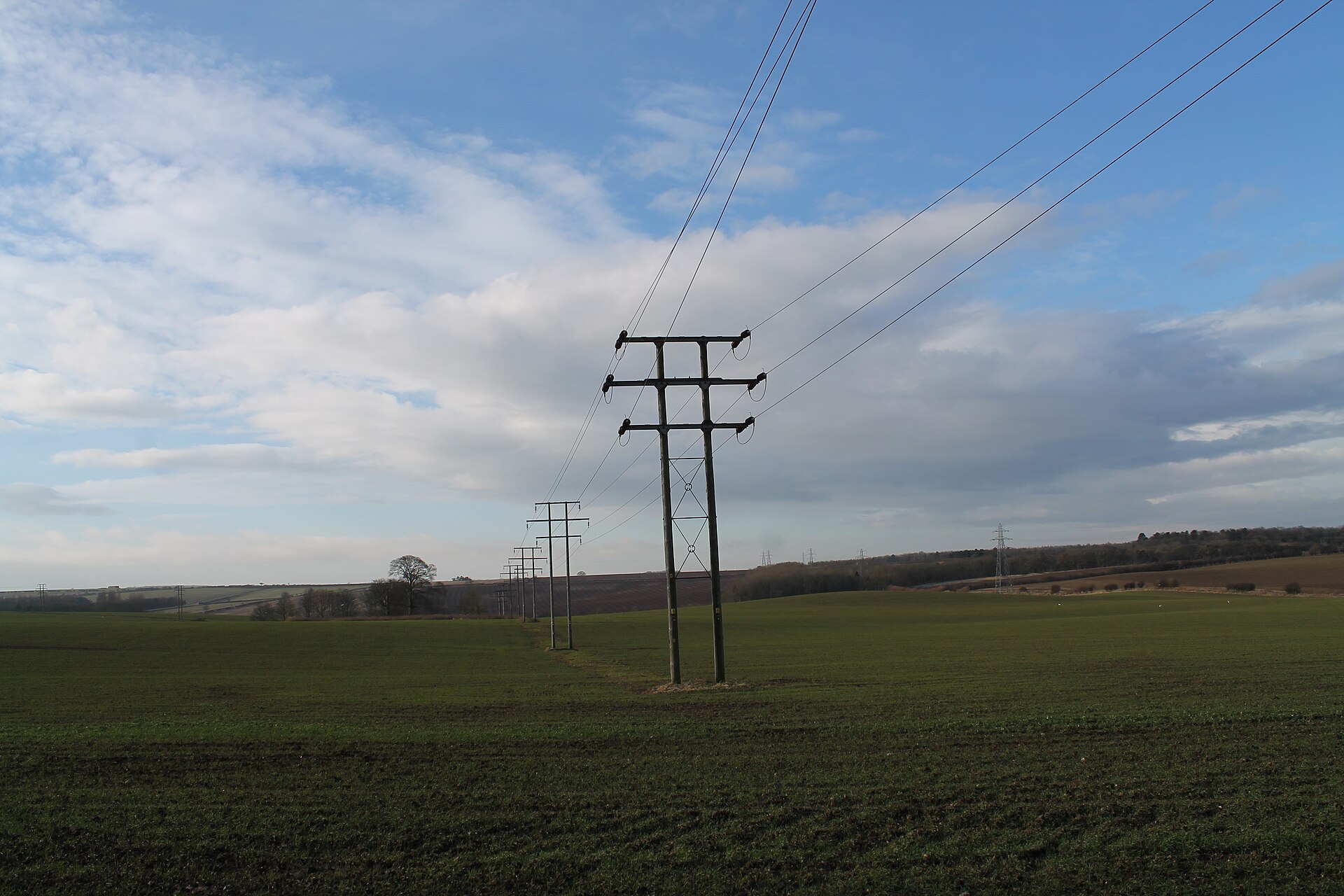
Dominion's Data Centre Queue Reached 54.9GW as Construction Fell
The three-tier disclosure in Dominion Energy's third-quarter slides, published 30 October 2026, shows the Virginia data centre pipeline growing 13 per cent in nine months while its construction-authorised slice shrank. Most of the increase sits in the least binding category.
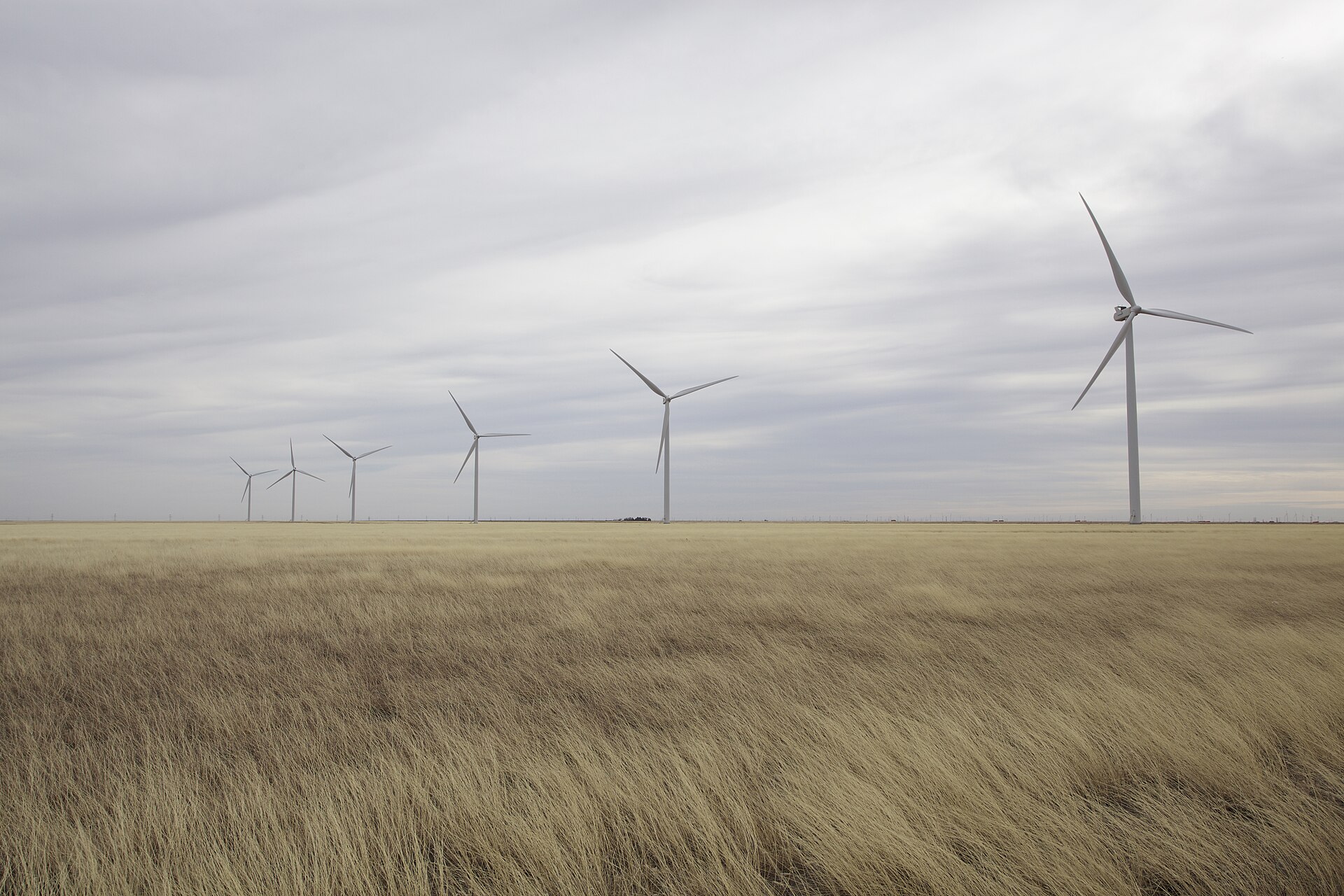
Wind Turbine Imports Ruled a Security Threat With No Tariff
A section 232 proclamation published on 28 October 2026 found that imported wind turbines and their parts threaten to impair United States national security, but imposed no new tariff and instead directed Commerce and the US Trade Representative to negotiate with trading partners.
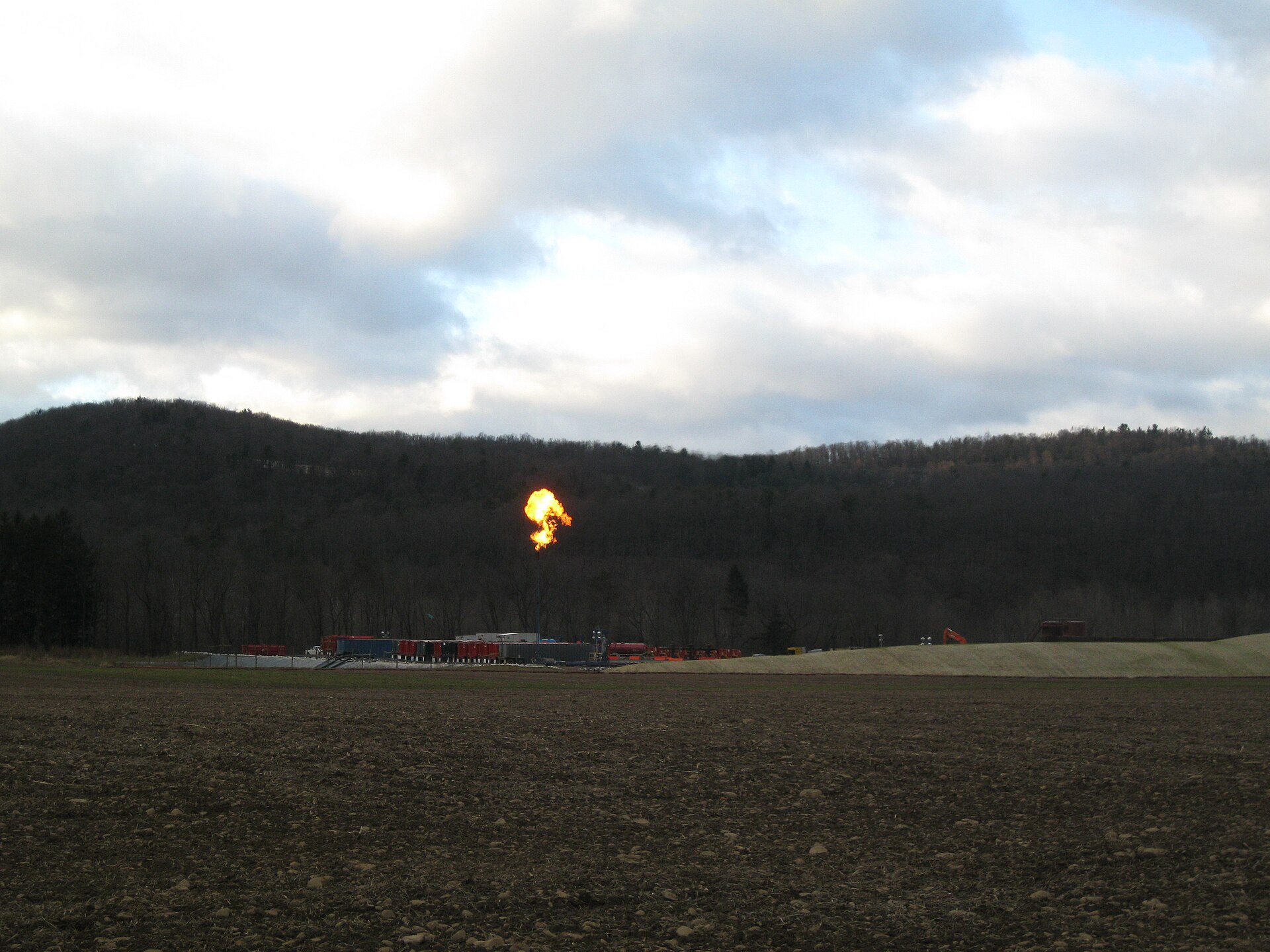
EQT Buys Range Resources to Pass 9 Bcfe a Day in Appalachia
EQT and Range Resources agreed on 26 October 2026 to an all-stock merger at 0.987 EQT shares per Range share, leaving EQT holders with about 73 per cent of a company producing more than 9 Bcfe a day. Closing is expected in the first quarter of 2027, subject to regulatory clearances and shareholder votes.
Power Poles in Melbourne Cost NextDC A$140m of FY27 Revenue
NEXTDC cut FY27 net revenue guidance to A$475m to A$500m from A$615m to A$640m on 21 October 2026 after its electricity distributor suspended network works. Shares fell 42 per cent the same day, their lowest since 2018.