IEA Lifts Its Renewables Forecast to 4,800GW on Energy Security
Renewables 2026, published three days before COP31 opened, forecasts 57 per cent more new capacity over the next six years than the last six. The agency credits the Strait of Hormuz disruption rather than climate policy.
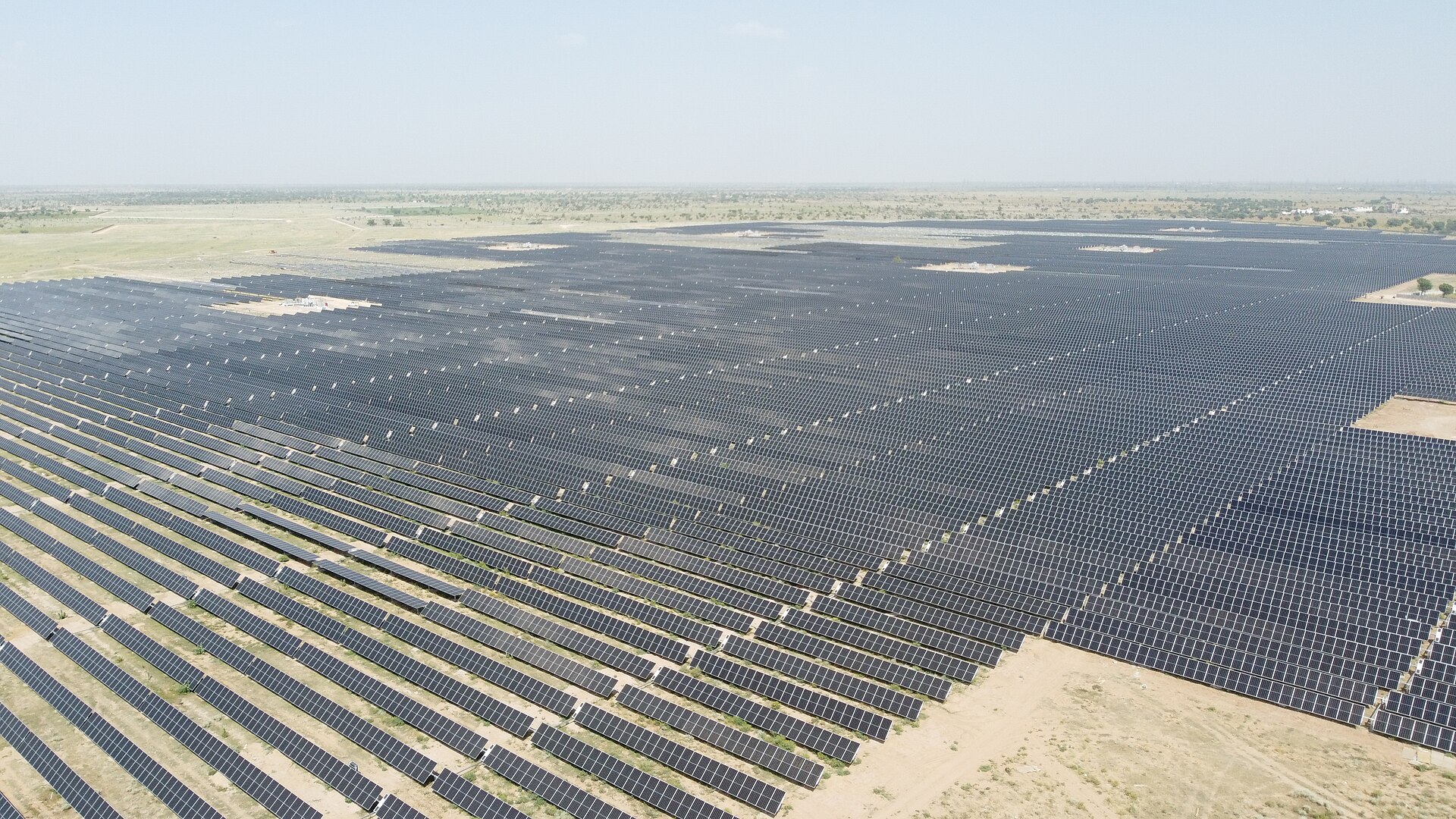
Global renewable power capacity will grow by almost 4,800 gigawatts between 2026 and 2031, 57 per cent more than was added in the previous six years, according to Renewables 2026, the International Energy Agency's annual sector report published on 6 November 2026. Renewables supplied 33 per cent of the world's electricity in 2025. The agency expects almost 45 per cent by 2031.
What makes this edition worth reading closely is not the trajectory, which has been pointing the same way for years, but the reason the IEA gives for it. The report opens on the Strait of Hormuz, not on emissions.
Previously, environmental concerns were the policy priority behind the growth of renewables, whose falling costs have made them a competitive option in many markets, but today, it's mainly energy security that is driving renewables' expansion as more and more countries seek to reduce their exposure to imported fuels.
What the Hormuz disruption changed
Disruption to energy flows through the Strait of Hormuz since the Middle East conflict began at the end of February has pushed up oil and gas prices, and the IEA's revisions follow the map of who imports fuel. Renewable capacity added in emerging and developing economies outside China will match the amount added in advanced economies for the first time, with that group's forecast raised by almost 20 per cent against last year's report. Additions across Southeast Asia, the Middle East and Africa almost triple over the period. Sub-Saharan Africa's forecast rose 54 per cent, with solar PV accounting for more than 80 per cent of new capacity. India becomes the world's second-largest growth market.
The United States forecast was revised up by almost 40 per cent, which the IEA attributes mainly to stronger solar PV deployment, on the grounds that solar and battery storage can be installed quickly to meet fast-growing electricity demand, including from data centres. The agency also quantifies what the past fifteen years already bought: without renewables growth since 2010, global annual fossil fuel demand would have been around 8 per cent higher in 2025, equivalent to India's entire energy consumption.
The timing is not accidental. The report landed three days before COP31 opened in Antalya on 9 November, in a country that, as Parallax Nexus reported on 6 November, has committed $500bn to taking its own power system from 123GW to 281GW by 2040, with $116bn of that going into wires rather than generation.
China's auction switch
The largest single revision runs the other way. China replaced fixed tariffs with competitive auctions, and solar PV capacity additions fell almost 55 per cent year on year in the first nine months of 2026. The IEA cut its forecast for Chinese renewable capacity growth over 2026 to 2031 by 5 per cent, or almost 116GW, and expects China's share of global renewable capacity growth to fall from over 60 per cent in 2025 to 53 per cent across the forecast period. The agency still expects China to exceed the renewable targets in its 15th Five-Year Plan.
The manufacturing side of that market is in worse shape than the deployment figures suggest. More than 90 per cent of major Chinese solar PV manufacturers reported losses in 2026, and more than 70 companies have filed for bankruptcy since 2024, as overcapacity and falling prices eroded margins. Supply chains remain concentrated in China at every stage from polysilicon to modules. By 2031 the IEA expects India to be the only other country able to manufacture every major component at scale.
The queue is now the constraint
Advanced-stage renewable projects waiting for grid connections worldwide reached 3,000GW, a 60 per cent increase over the past year. The composition matters more than the total: battery storage and hybrid project applications accounted for the entire increase. At the same time, stricter connection rules and queue management reforms in India, the United Kingdom and the United States removed almost half of early-stage standalone wind and solar projects from the queues.
The integration numbers point the same way. Technical curtailment of wind and solar output in key markets almost doubled in both 2024 and 2025, reaching almost 200 terawatt-hours in 2025, and the IEA projects it could exceed 800 terawatt-hours by 2031, close to 8 per cent of all variable renewable generation. In 17 countries, variable renewables pass half the power mix by 2031. The judgment the report supports is that the binding constraint on renewables has moved: it is no longer the cost or supply of panels and turbines, but the wires, the storage and the queue administration that decide whether what gets built can be connected and sold.
Two things are worth holding against the headline. The first is that a forecast built on an energy security shock is hostage to that shock: if Hormuz reopens and fuel prices fall back, the policy urgency behind a good part of this upgrade goes with it, and the IEA does not model that reversal. The second is that none of these figures are measurements. They are a main case, and the agency's own record on solar has been to revise upward year after year, which cuts against reading the 4,800GW as a ceiling as readily as it cuts against reading it as a floor.
What happens next?
- COP31 runs in Antalya until 20 November 2026, where the gap between the IEA's main case and the COP28 tripling pledge is a live negotiating point.
- The IEA's Electricity 2027 report, referenced in Renewables 2026, will test the generation share forecasts against outturn data.
- China's auction results through 2027 will show whether the almost 55 per cent fall in solar additions is a transition effect or a durable slowdown.
- Grid connection queue reforms in India, the United Kingdom and the United States will determine whether the 3,000GW backlog converts into connected capacity or stalls.
Related topics
Sources & references
- 01Renewables 2026: Analysis and forecasts to 2031, Executive summary — International Energy AgencyreportPublished 6 November 2026. Source for the 4,800GW forecast, the 45 per cent generation share, the China revision, the 3,000GW connection queue and the curtailment figures.
- 02Energy security concerns spur faster renewables growth across a widening constellation of countries — International Energy AgencyprimaryIEA announcement of 6 November 2026 carrying the Fatih Birol quotations.
- 03Renewables 2026 (full report PDF) — International Energy AgencyreportFull report, licensed CC BY 4.0.
- 04UN Climate Change Conference, Antalya, November 2026 — UNFCCCprimaryConfirms COP31 runs in Antalya from 9 to 20 November 2026.
More from Energy
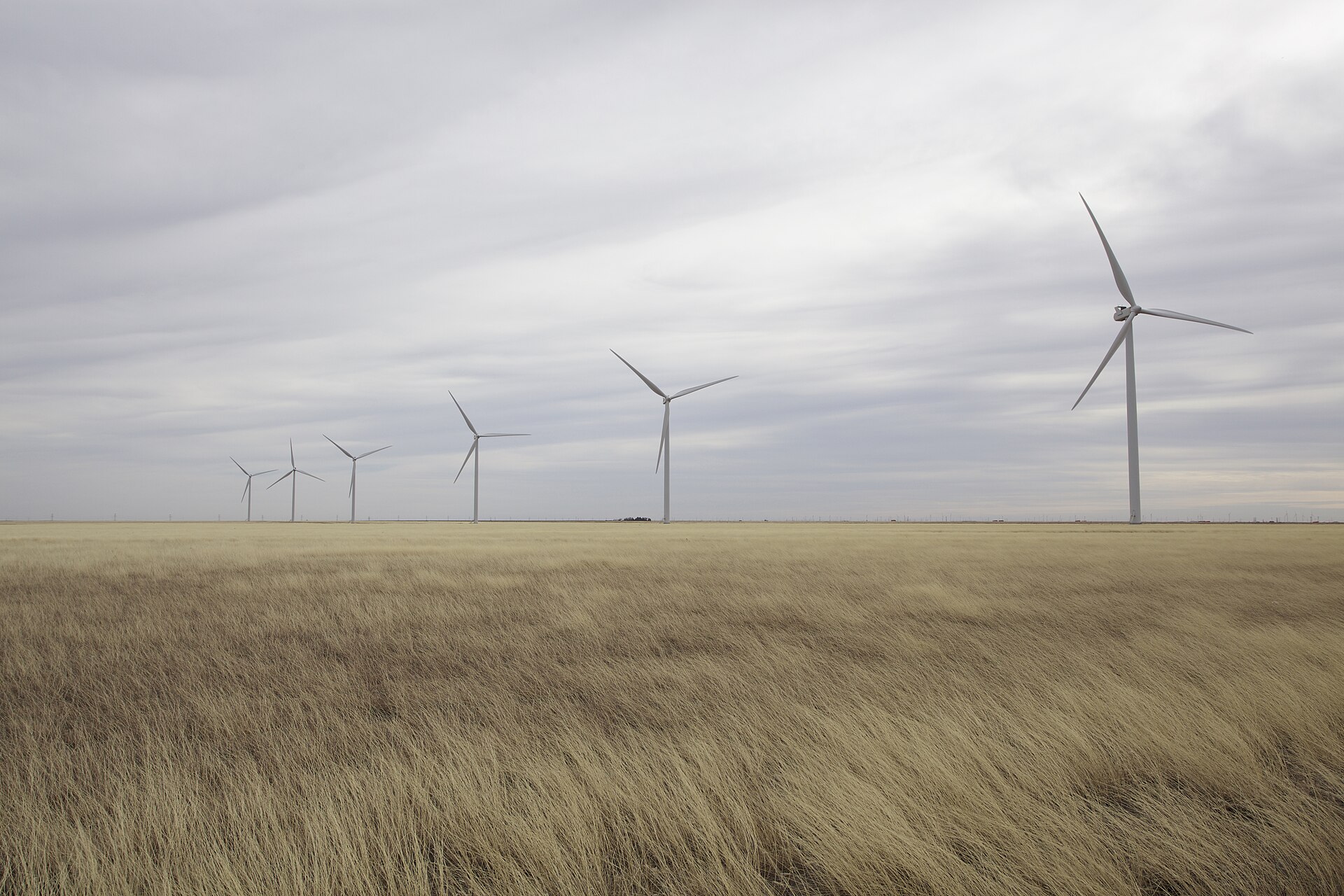
Wind Turbine Imports Ruled a Security Threat With No Tariff
A section 232 proclamation published on 28 October 2026 found that imported wind turbines and their parts threaten to impair United States national security, but imposed no new tariff and instead directed Commerce and the US Trade Representative to negotiate with trading partners.
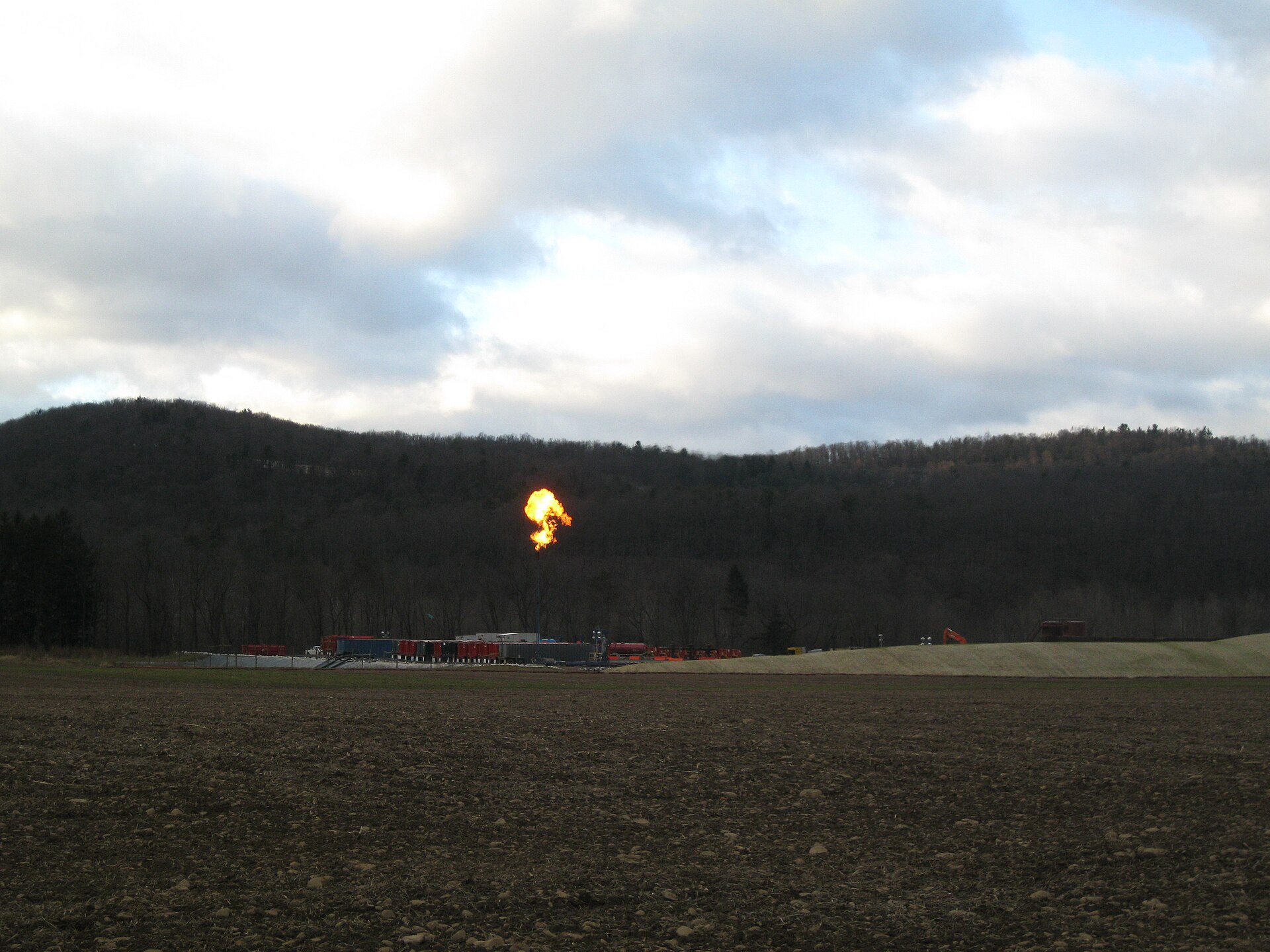
EQT Buys Range Resources to Pass 9 Bcfe a Day in Appalachia
EQT and Range Resources agreed on 26 October 2026 to an all-stock merger at 0.987 EQT shares per Range share, leaving EQT holders with about 73 per cent of a company producing more than 9 Bcfe a day. Closing is expected in the first quarter of 2027, subject to regulatory clearances and shareholder votes.
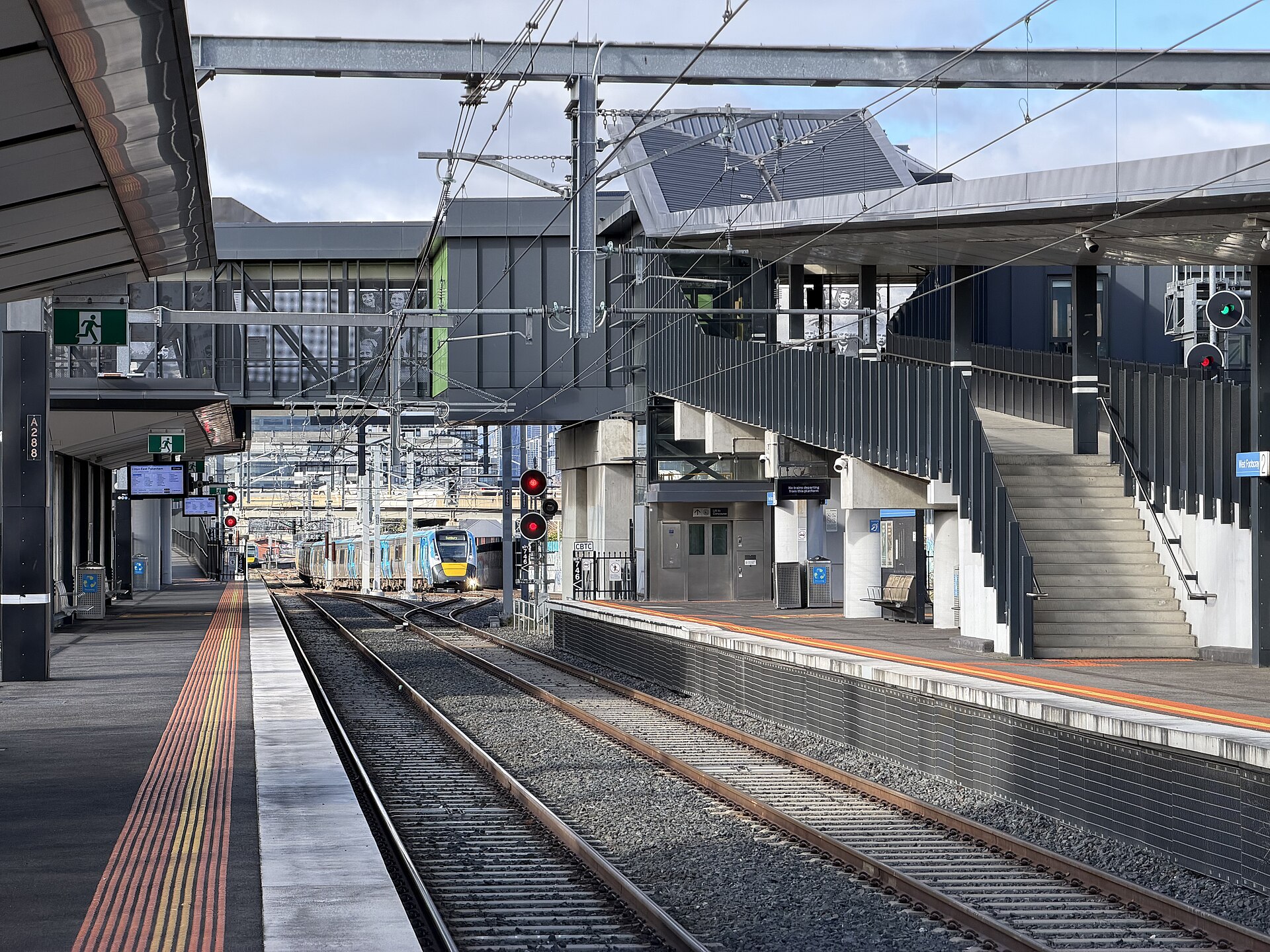
Power Poles in Melbourne Cost NextDC A$140m of FY27 Revenue
NEXTDC cut FY27 net revenue guidance to A$475m to A$500m from A$615m to A$640m on 21 October 2026 after its electricity distributor suspended network works. Shares fell 42 per cent the same day, their lowest since 2018.
Amazon Funds a 960MW Reactor Study at an Indiana Coal Site
AEP agreed on 19 October 2026 to study 960 megawatts of small modular reactors at a retired Indiana coal site, with Amazon funding development and contracting for the power. There is no final investment decision, no disclosed cost and no in-service date.