Amazon Funds a 960MW Reactor Study at an Indiana Coal Site
American Electric Power and X-energy signed a joint development agreement on 19 October 2026 covering twelve 80-megawatt Xe-100 units at the former Breed Generating Station in Sullivan County. Amazon is paying for the development work and would buy the output.
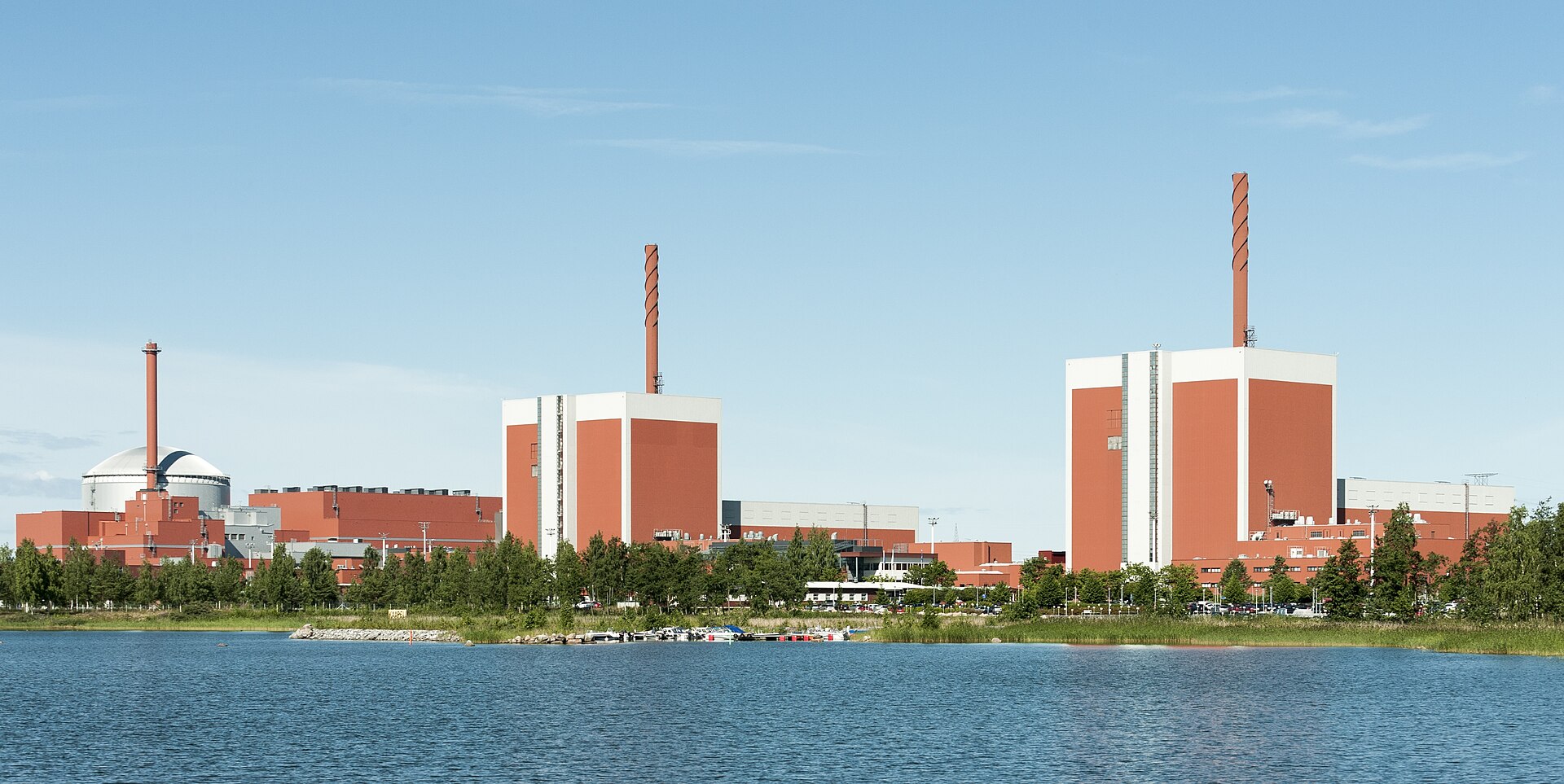
American Electric Power agreed on 19 October 2026 to evaluate building 960 megawatts of nuclear capacity at a retired coal plant site in Sullivan County, Indiana, under a joint development agreement with the reactor designer X-energy. Amazon is paying for the development work through a separate funding agreement and says it intends to buy the output.
The design under study is X-energy's Xe-100 small modular reactor. AEP's news release puts the initial project at 12 units of 80 megawatts each, configured in groups of four, on the former site of Indiana Michigan Power's Breed Generating Station. Nothing has been committed to construction. The release describes a development phase that would have to reach a final investment decision before building begins, and it gives no capital cost, no construction schedule and no date for first power.
Who pays is written into the announcement
The financing language, not the megawatts, is the substance of Monday's statement. Amazon "intends to purchase the power under a long-term contract, covering the costs of the facility and its operations for the duration of the contract", the release says, and AEP frames the whole structure around protecting existing Indiana Michigan Power customers from the bill. Josh Weissman, Amazon's vice-president of data centre infrastructure capacity delivery, said the companies were looking to develop nearly a gigawatt of carbon-free power for the regional grid "and pay our full costs without passing them to others".
Our agreements with Amazon and X-energy will provide all necessary capital protections and financial safeguards that we have said are essential for any potential nuclear project to move forward.
That emphasis is not decoration. Regulators have spent the autumn rejecting arrangements that left existing ratepayers carrying generation built for large computing loads: FERC threw out the core of PJM's data centre connection plan, and the Department of Energy intervened at FERC to argue that the cost of generation built for new data centres must not fall on current customers, both covered by Parallax Nexus earlier this month. The honest reading of this deal is that a hyperscaler has concluded it is cheaper to pre-commit to the full cost of a plant than to keep arguing about cost allocation in front of a commission.
No Xe-100 has produced electricity yet
X-energy, which listed on Nasdaq in April 2026, has no operating reactor. Amazon led a $700 million funding round in the company in October 2024, and the two have said they intend to develop 5 gigawatts of new US nuclear capacity by 2039; TechCrunch reported on 19 October that the Indiana agreement is their second commercial deal and roughly three times the size of the first. The Nuclear Regulatory Commission is reviewing permits for an Xe-100 installation at Dow's chemical site in Texas. No small modular reactor is in commercial operation anywhere in the United States.
What is not known matters as much as what was announced. The companies have not published a cost estimate, a licensing timetable, or any NRC filing for the Sullivan County site, and the release repeatedly conditions the project on a decision that has not been made. A joint development agreement is a commitment to study, and utilities have abandoned reactor projects at this stage before.
What Sullivan County was told
The county recently joined Indiana's Advanced Nuclear Ready Communities Program, a state designation that supports siting work. Indiana Governor Mike Braun said the decision to explore the technology "represents the kind of innovation and investment that can deliver lasting benefits for our state". AEP says a completed plant would run for more than 60 years and would expand the local tax base and create jobs, figures the companies have not quantified and which depend entirely on the project being built.
AEP serves 5.6 million customers across 11 states and plans to invest $78 billion between 2026 and 2030, according to the same release. Against that, 960 megawatts of reactors that may never be ordered is a small line. The affordability promise attached to it is the part the Indiana Utility Regulatory Commission and the company's existing customers will be able to test.
What happens next?
- AEP, X-energy and Amazon must complete the development phase and reach a final investment decision before any construction begins; no deadline has been announced.
- Any Sullivan County project would need a construction permit from the Nuclear Regulatory Commission, which is still reviewing X-energy's Xe-100 application for Dow's Texas site.
- AEP has said it will work with Indiana regulators and local officials, which puts the cost-protection terms before the Indiana Utility Regulatory Commission.
- Watch whether other hyperscalers copy the full-cost funding structure in pending state and FERC proceedings on large-load cost allocation.
Related topics
Sources & references
- 01AEP Partners with Amazon and X-energy to Explore Advanced Nuclear Energy in Indiana — American Electric PowercompanyPrimary news release, 19 October 2026, source of the 960 MW figure, the 12-unit configuration and all quotes.
- 02Amazon to fund 12 small nuclear reactors at former Indiana coal plant — TechCrunchnewsReported 19 October 2026; source for the 2024 funding round, the 5 GW ambition and the comparison with the first Amazon/X-energy deal.
- 03Amazon, AEP, X-energy explore SMR feasibility in Indiana — American Nuclear Society, Nuclear NewswirenewsPublished 19 October 2026.
- 04AEP, X-energy Eye 960-MW Nuclear Plant at Retired Indiana Coal Site, Backed by Amazon — POWER MagazinenewsPublished 19 October 2026; confirms milestone-based Amazon contribution and first-customer role.
More from Energy
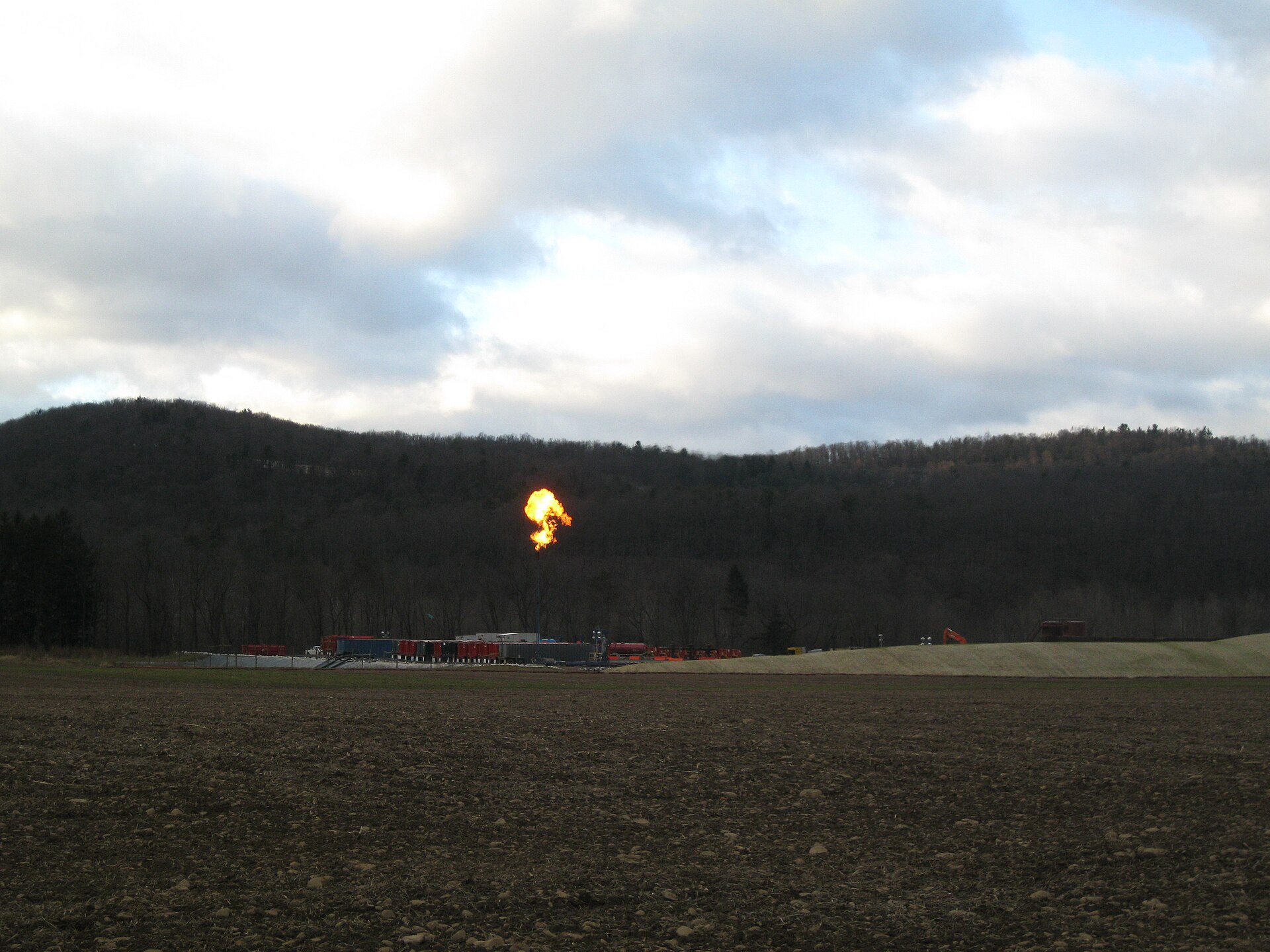
EQT Buys Range Resources to Pass 9 Bcfe a Day in Appalachia
EQT and Range Resources agreed on 26 October 2026 to an all-stock merger at 0.987 EQT shares per Range share, leaving EQT holders with about 73 per cent of a company producing more than 9 Bcfe a day. Closing is expected in the first quarter of 2027, subject to regulatory clearances and shareholder votes.
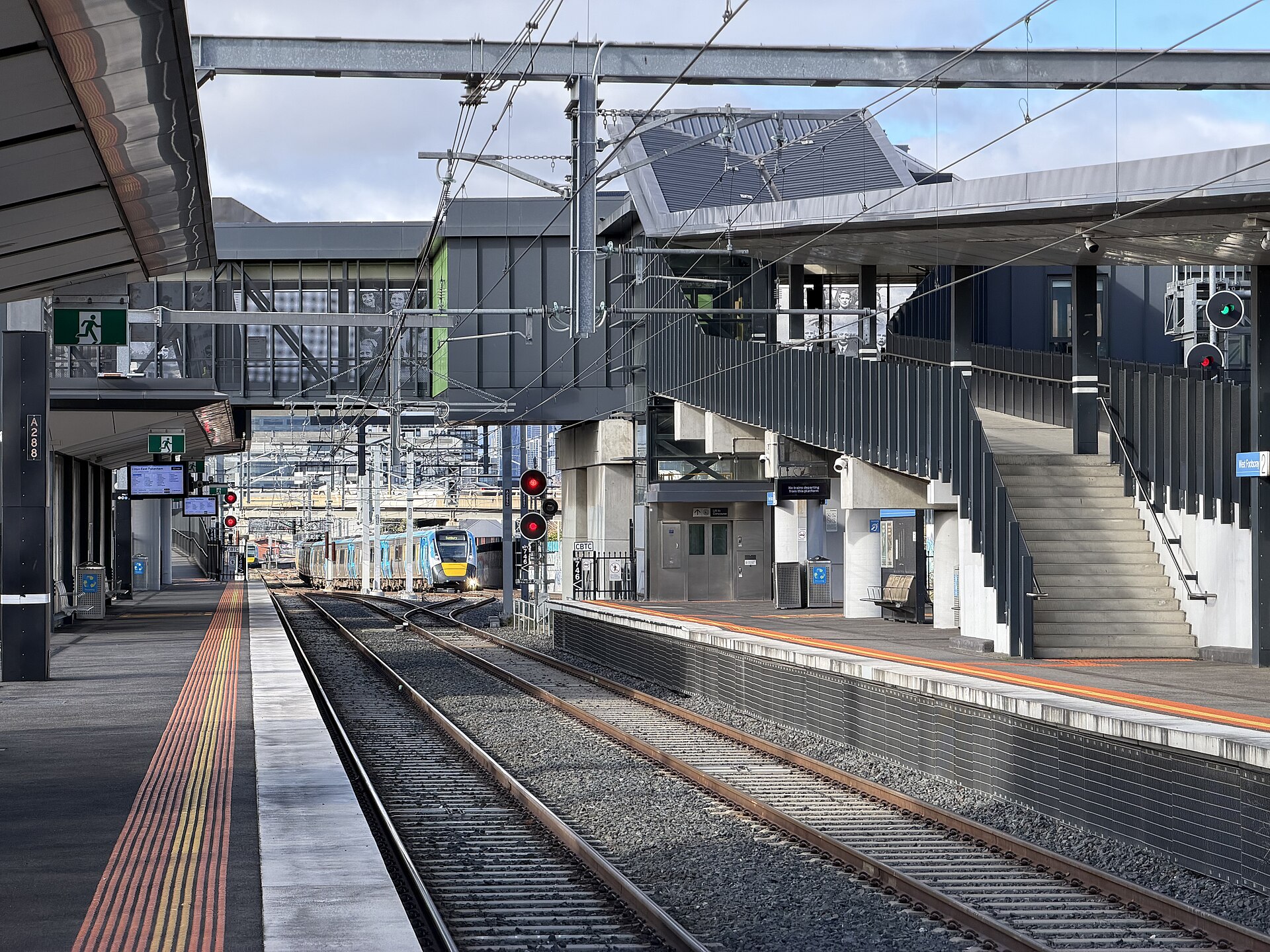
Power Poles in Melbourne Cost NextDC A$140m of FY27 Revenue
NEXTDC cut FY27 net revenue guidance to A$475m to A$500m from A$615m to A$640m on 21 October 2026 after its electricity distributor suspended network works. Shares fell 42 per cent the same day, their lowest since 2018.
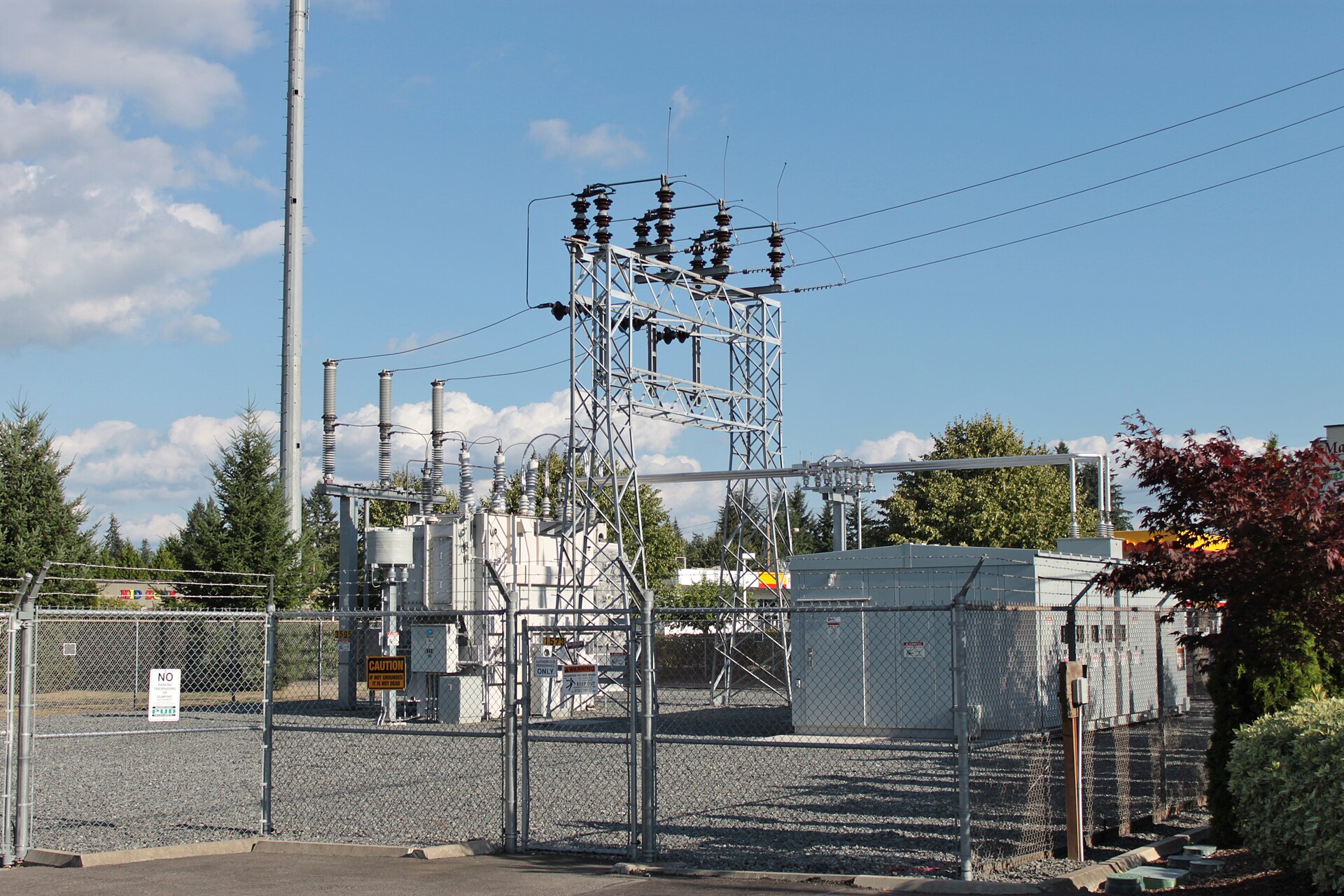
NERC Grid Rules Clear Ballot With 36-Month Recorder Delay
NERC announced on 15 October 2026 that Project 2026-02, a package of three new reliability standards for data centres, AI facilities and cryptocurrency mines, had passed its final stakeholder ballot. It now goes to NERC's Board of Trustees and then to FERC, which ordered the standards filed by 31 December 2026.
DOE Clears PJM Plants to Exceed Emissions Limits to 16 October
Energy Secretary Chris Wright signed Order No. 202-26-50 on 12 October 2026, letting PJM run named units past their environmental permit limits and direct data centres onto backup generation before firm load shedding. It expires on 16 October.