NERC Grid Rules Clear Ballot With 36-Month Recorder Delay
The three computational-load standards would cover sites with at least 50 MW of connected load supplied at 100 kV or above. Existing sites would get 36 months to fit the disturbance recorders that produce the data the rules exist to collect.
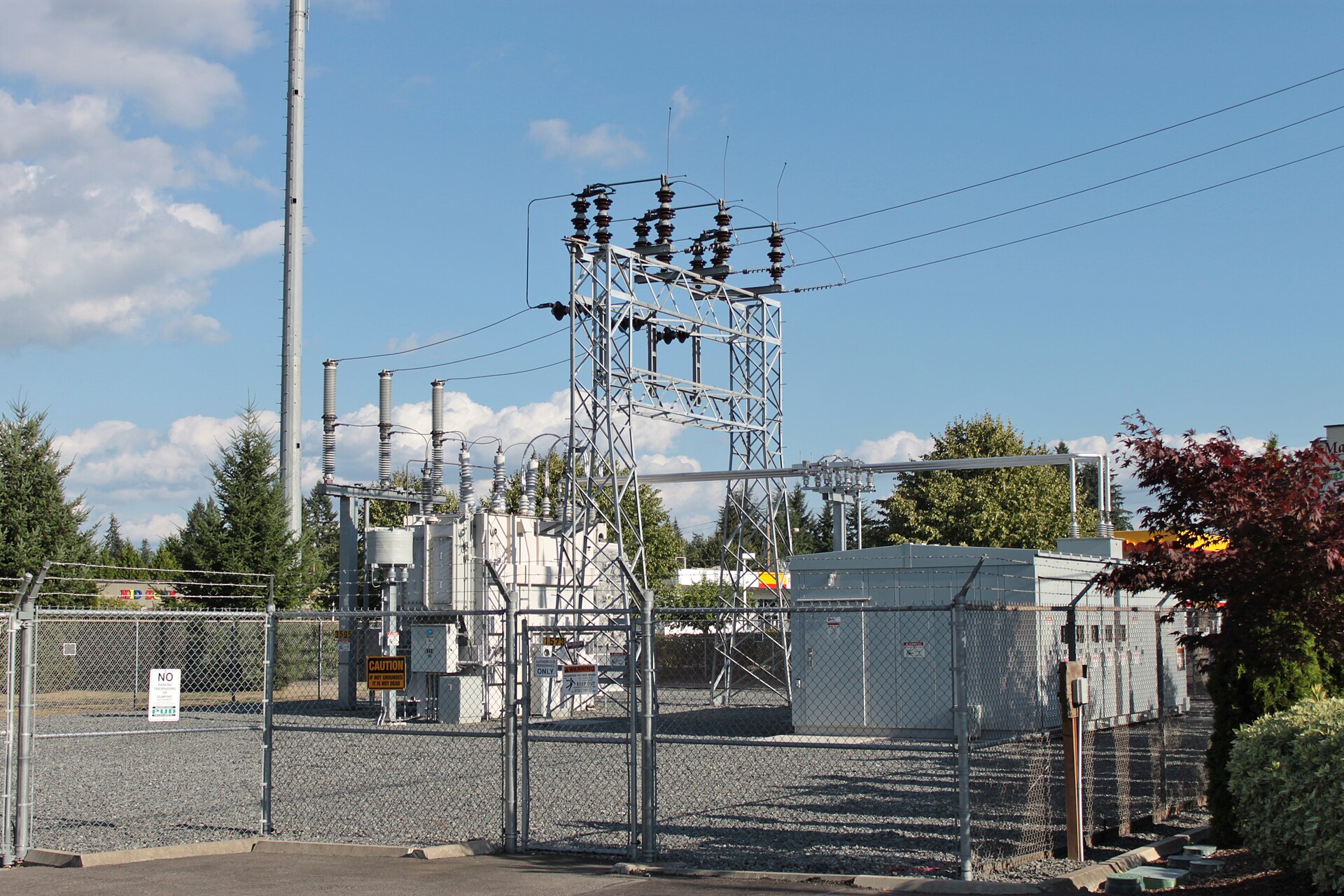
The North American Electric Reliability Corporation announced on 15 October 2026 that three new reliability standards for data centres, artificial intelligence facilities and cryptocurrency mining operations had passed their final stakeholder ballot. The package, Project 2026-02, would apply to computational-load sites with at least 50 MW of total connected load supplied through electrical equipment connected at 100 kV or above.
It is not in force. The standards and their implementation plans go to NERC's Board of Trustees, expected in the fourth quarter, and then to the Federal Energy Regulatory Commission. FERC directed NERC on 16 July 2026 to file initial computational-load standards by 31 December 2026. On 8 October the NERC board approved changes to its Rules of Procedure creating two new functional entity types, the Computational Load Owner and the Computational Load Operator.
The instruction a data centre would have to obey
The sharpest provision is Requirement R8 of CLO-002-1. A computational-load operator would have to comply with an operating instruction from its transmission operator, balancing authority or reliability coordinator unless the action could not be physically implemented or would breach safety, equipment, regulatory or statutory requirements. An operator that cannot comply must notify whoever issued the instruction, and staff who take oral instructions need initial training in confirming them or asking for a repetition.
CLO-001-1 handles the modelling that makes such an instruction meaningful. Owners would supply planning-model data covering tripping, ride-through and recovery settings after disturbances, plus the amount and expected use of their IT infrastructure, and file verification showing the model matches installed equipment. Updates are due within 180 days of any hardware, software, firmware or setting change that alters dynamic response.
Three years to fit the recorders
CLO-003-1, covering protection coordination and disturbance monitoring, carries the longest transition. Sites already in service when it takes effect would have 36 months to meet its recording requirements for breaker status, fault recordings and continuous dynamic disturbance data. Sites entering service later get until 15 months after the effective date or their in-service date, whichever is later, and protection-coordination duties begin at nine months. NERC's implementation plan attributes the schedule to equipment procurement, installation and the outages needed to fit it.
That is a long wait for the measurements the package exists to collect. NERC wrote these standards after computational loads dropped off the system without warning or swung demand rapidly, which prompted a Level 3 Essential Action Alert in May 2026 setting out seven immediate actions for grid entities. The scale behind it: NERC forecast in January 2026 that summer peak demand across the bulk power system would rise by 224 GW over ten years, a 24 per cent increase on the 2025 peak.
These standards are the technical half of a fight Parallax Nexus has covered through its regulatory half. FERC rejected the core of PJM's data centre connection plan earlier this month, and MISO has asked the commission to fast-track loads above 200 MW with the generation to serve them. Those dockets settle who pays and who connects. Project 2026-02 settles what a connected site owes the operator afterwards.
Who answers for a tenant's servers
The hardest question in drafting was multitenant sites. The Data Center Coalition argued that a site operator may have no authority over a tenant's equipment, no access to its information and no technical ability to change its consumption, and that data requests should not compel information outside an owner's control. The drafting team replied that no dedicated on-site operating organisation is required and a centralised or shared function can be the accountable operator. It kept the existing exceptions rather than adding the contractual and third-party-control carve-outs the coalition sought. Meta filed comments in the same round.
The applicability threshold moved during drafting, up from 20 MW and 60 kV in NERC's initial registration proposal. The judgment worth stating plainly is that the trade bought the package its ballot: a narrower scope with obligations attached is worth more than a wide one that fails a vote. It also leaves mid-sized sites, and anything fed below 100 kV, inside a regional patchwork instead, with the Public Utility Commission of Texas reaching ERCOT sites at 75 MW. How many sites fall inside is not known, because registration determinations would be made case by case by NERC and the relevant Regional Entities.
What happens next?
- NERC's Board of Trustees is expected to consider the package for adoption in the fourth quarter of 2026.
- NERC must file the standards with FERC by 31 December 2026 under the commission's 16 July directive.
- Registration criteria for Computational Load Owners and Operators await FERC approval, with NERC developing an expedited data request to support them.
- Minimum voltage and frequency ride-through requirements for computational loads remain under separate development.
Related topics
Sources & references
- 01NERC's Computational Loads standards pass final ballot, advance to board adoption — North American Electric Reliability CorporationprimaryAnnouncement dated 15 October 2026
- 02Project 2026-02 Computational Loads — North American Electric Reliability CorporationprimaryStandards development project page carrying CLO-001-1, CLO-002-1 and CLO-003-1 final-ballot texts and implementation plans
- 03CLO-002-1 final standard, clean copy — North American Electric Reliability CorporationprimarySource for Requirement R8 on compliance with operating instructions
- 04Large Loads Action Plan quarterly update, Q3 2026 — North American Electric Reliability CorporationprimarySource for the 8 October Rules of Procedure approval and the threshold change from 20 MW and 60 kV
- 05Reliability standards for AI data centers, crypto miners move closer to adoption — Utility DivenewsPublished 15 October 2026; source for the 224 GW ten-year peak demand forecast and the May 2026 Level 3 alert
- 06NERC Reliability Standards for Data Centers and Crypto Loads Pass Final Ballot, Advance to Board Review — POWER MagazinenewsSource for implementation timelines and the Data Center Coalition comments summarised in the drafting team's response document
More from Energy
EQT Buys Range Resources to Pass 9 Bcfe a Day in Appalachia
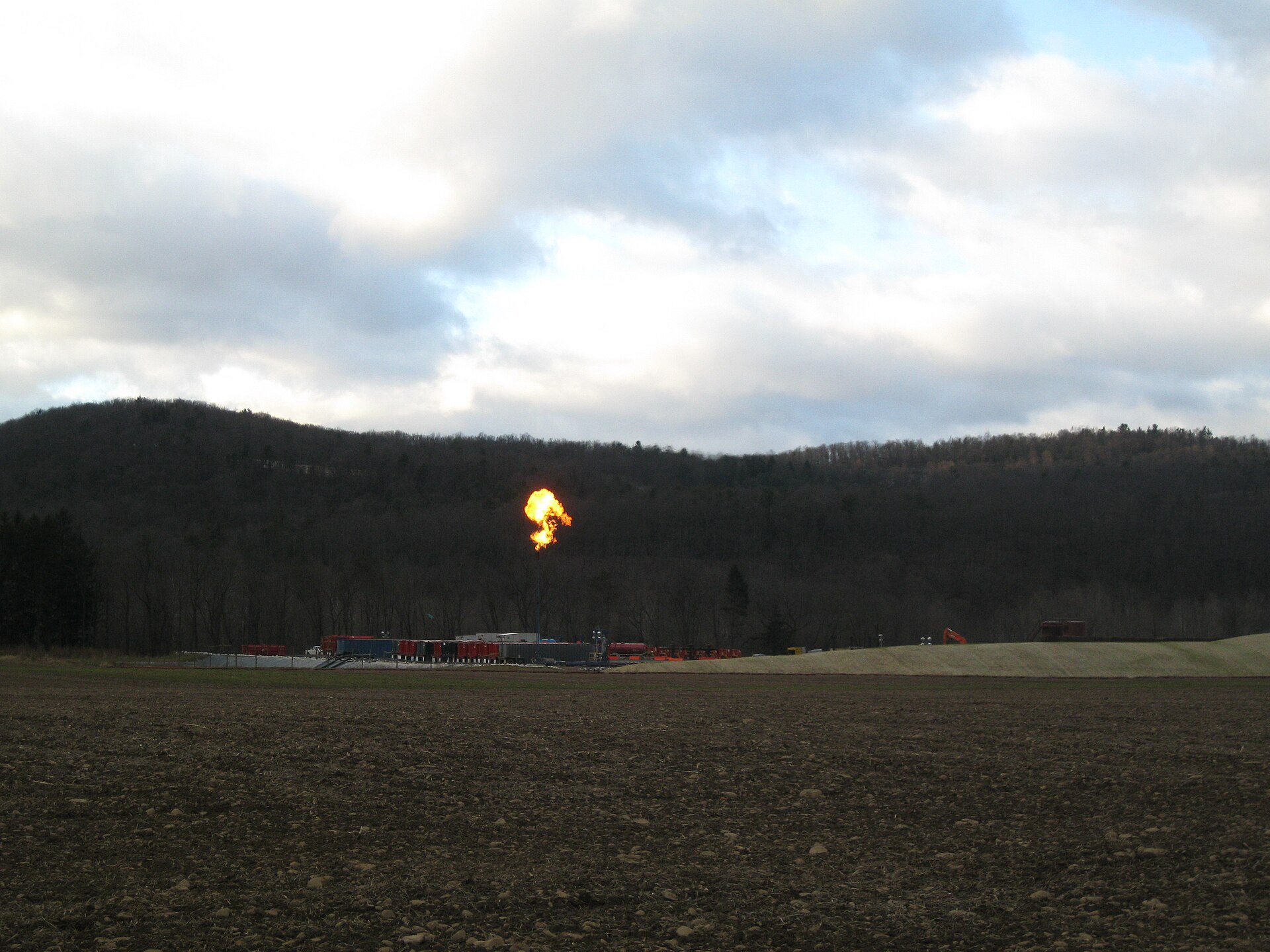
EQT and Range Resources agreed on 26 October 2026 to an all-stock merger at 0.987 EQT shares per Range share, leaving EQT holders with about 73 per cent of a company producing more than 9 Bcfe a day. Closing is expected in the first quarter of 2027, subject to regulatory clearances and shareholder votes.

Power Poles in Melbourne Cost NextDC A$140m of FY27 Revenue
NEXTDC cut FY27 net revenue guidance to A$475m to A$500m from A$615m to A$640m on 21 October 2026 after its electricity distributor suspended network works. Shares fell 42 per cent the same day, their lowest since 2018.
Amazon Funds a 960MW Reactor Study at an Indiana Coal Site
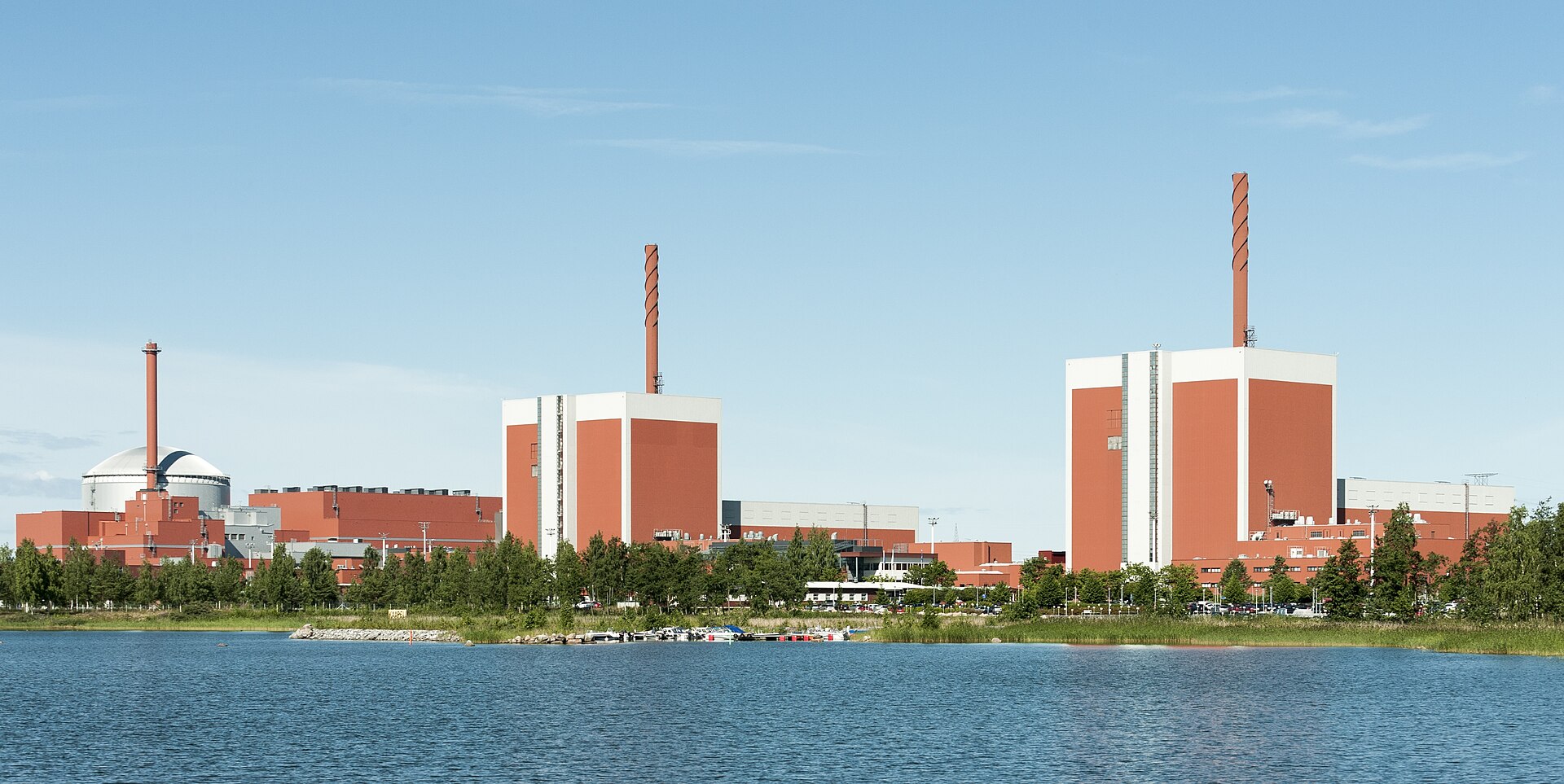
AEP agreed on 19 October 2026 to study 960 megawatts of small modular reactors at a retired Indiana coal site, with Amazon funding development and contracting for the power. There is no final investment decision, no disclosed cost and no in-service date.
DOE Clears PJM Plants to Exceed Emissions Limits to 16 October
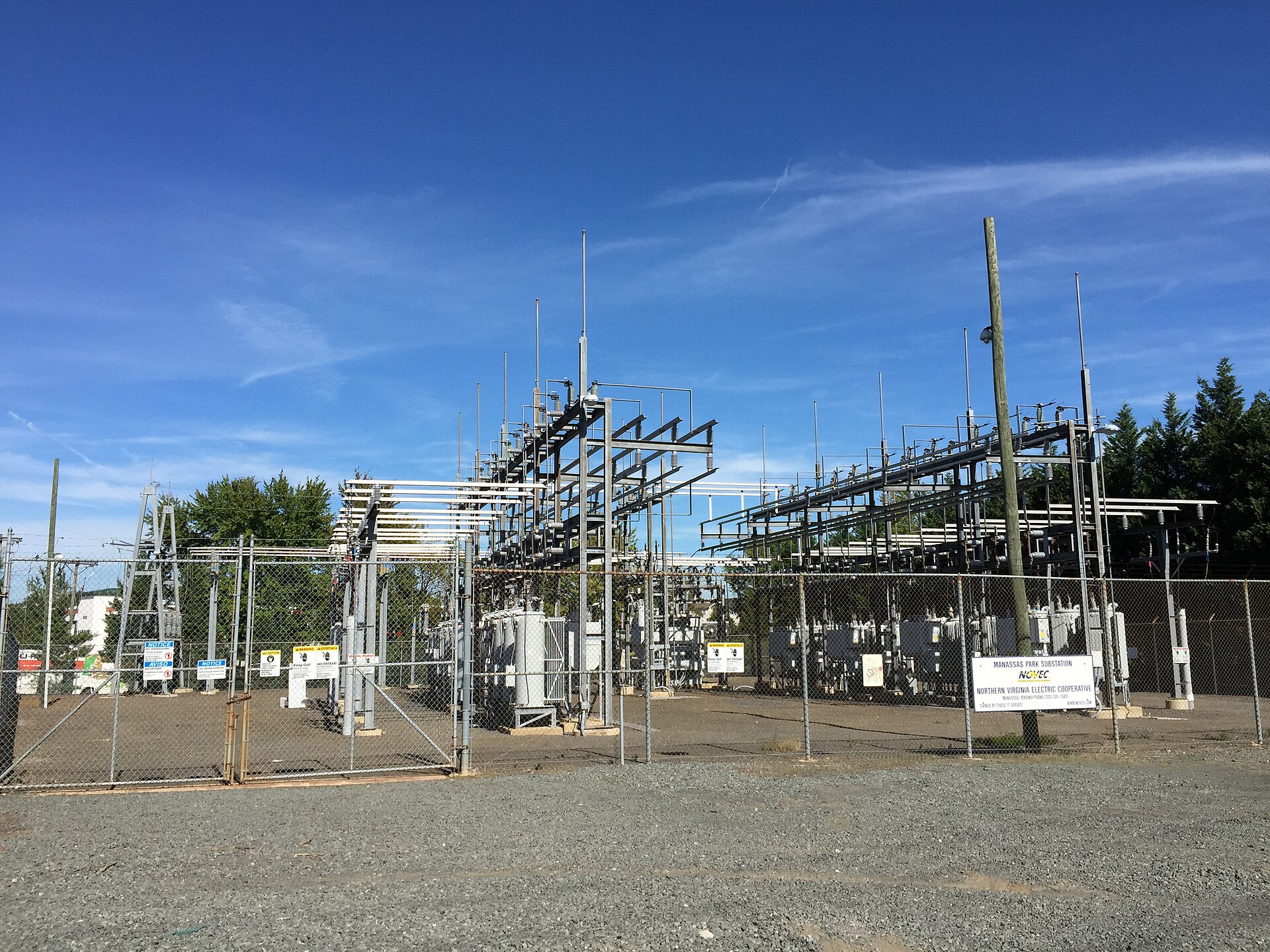
Energy Secretary Chris Wright signed Order No. 202-26-50 on 12 October 2026, letting PJM run named units past their environmental permit limits and direct data centres onto backup generation before firm load shedding. It expires on 16 October.