MISO Asks FERC to Fast-Track 200MW Loads and Their Power
The grid operator for 15 states filed a proposal on 2 October 2026 for a 120-day study that reviews a large new load and the generation meant to serve it together, and keeps them paired for 15 years.
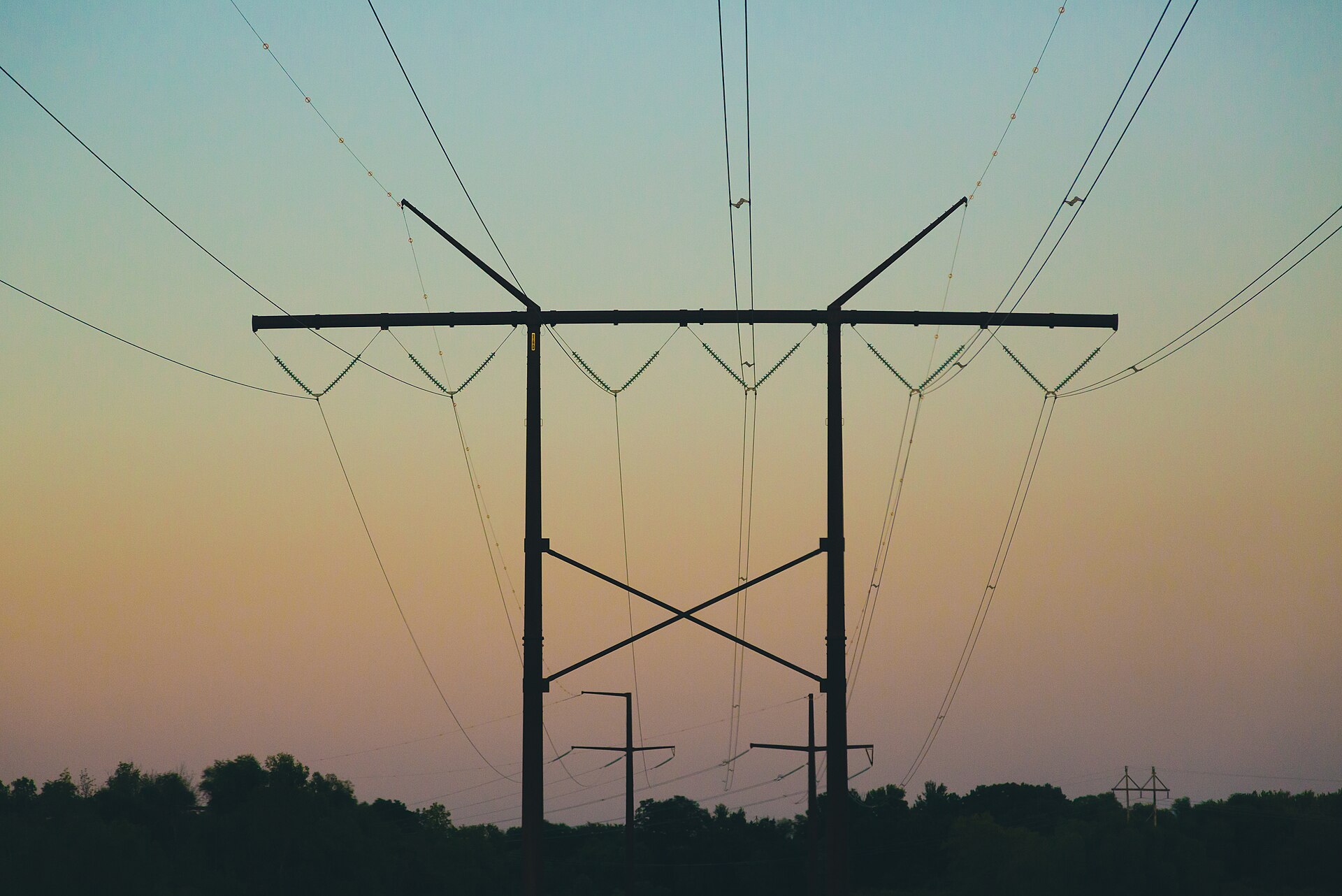
MISO asked federal regulators on Friday 2 October 2026 to let it review very large new electricity customers and the power plants meant to supply them in a single study rather than two. The filing at the Federal Energy Regulatory Commission, logged under accession number 20261002-5074, proposes a 120-day Large Load Addition Resource Study open to loads larger than 200 megawatts where the generation sits in the same local resource zone. MISO has 10 such zones across the 15 states it operates in, from Louisiana to Minnesota, and they broadly follow state lines.
The grid operator told FERC it expects load across its footprint to grow by 1 to 3 per cent a year through 2044, according to its application as reported by Utility Dive on 5 October. Data centres and manufacturing plants are what is driving that forecast, the same pattern straining every US grid operator.
Pairing, and the 15-year lock
The conditions are the substance of the proposal. Under MISO's plan the commercial operation date of the generating facility and the in-service date of the associated load must both fall within three years of the application. The load can phase in, but must take service for the full amount of transmission service it requested by the time the generator starts running. Most significant of all, the generation and the load must remain paired for at least 15 years. Applicants also face non-refundable deposits intended to filter out speculative projects, and MISO would study up to 10 applications in each of three annual periods.
MISO was explicit that cheapness is not the objective.
The goal of LARS is not necessarily to find the lowest cost solution for either the load or generation but to identify the solution that best fits both the generation and load needs at the lowest cost.
The process would not touch projects already sitting in MISO's standard generation interconnection queue, and the grid operator says proposed load and generation would be held to the same standards as its other interconnection processes.
A regulator that already said no
This filing did not arrive unprompted. FERC issued a show-cause order against MISO on 18 June 2026 under section 206 of the Federal Power Act, reported at 195 FERC paragraph 61,212 in docket EL26-70-000, requiring reformed tariff rules for data centres and other large load customers on matters including cost-shifting and cost transparency. That order is described in a Michigan Public Service Commission decision in case U-22058. MISO's application says the new study process responds in part to the commission's June finding, including its concern about integrating proximate loads and generation.
The 15-year pairing requirement is the part worth watching, because it quietly converts a connection request into a long-term commitment. A hyperscaler that wants speed to power can get a 120-day answer, but only by tying a specific plant to a specific site for longer than most data centre leases run. That is a real trade, and it is a more honest one than the alternative now visible elsewhere: as Parallax Nexus reported on 30 September, FERC told PJM to postpone and revise its backstop procurement plan and to improve its forecasting of data centre demand, because so many connection requests turn out to be speculative.
What MISO has not published is how much of its own 1 to 3 per cent annual growth forecast rests on requests that will never be built. The deposits are designed to answer that question by making applicants pay to be serious, though no figure for them appears in the reporting of the filing, and FERC has not yet said whether the design satisfies the order that prompted it.
MISO asked the commission to rule by 2 December 2026 so the first study period can open early next year.
What happens next?
- MISO asked FERC to issue a decision by 2 December 2026.
- If approved, the first Large Load Addition Resource Study period would open early in 2027.
- FERC must still decide whether the proposal satisfies its June 2026 show-cause order in docket EL26-70-000.
- MISO would run up to 10 applications through each of three annual study periods.
Related topics
Sources & references
- 01MISO Large Load Addition Resource Study filing, accession 20261002-5074 — Federal Energy Regulatory Commission eLibraryprimaryFiled 2 October 2026. The proposal itself, including the 120-day study, 200 MW threshold and 15-year pairing.
- 02MISO proposes fast-track large load, generation study process — Utility DivenewsPublished 5 October 2026. Source for the load growth forecast, deposits, study-period limits and MISO's quoted language.
- 03Order in Case No. U-22058, DTE Electric Company, citing 195 FERC para. 61,212 (Docket EL26-70-000) — Michigan Public Service CommissionprimaryState commission order describing FERC's 18 June 2026 show-cause order requiring MISO to reform large-load tariff rules.
- 04FERC asks grid operator PJM to revise plan to shield homes from data center costs — ReutersnewsPublished 30 September 2026. Comparison point on speculative data centre demand and FERC's forecasting concerns.
More from Energy
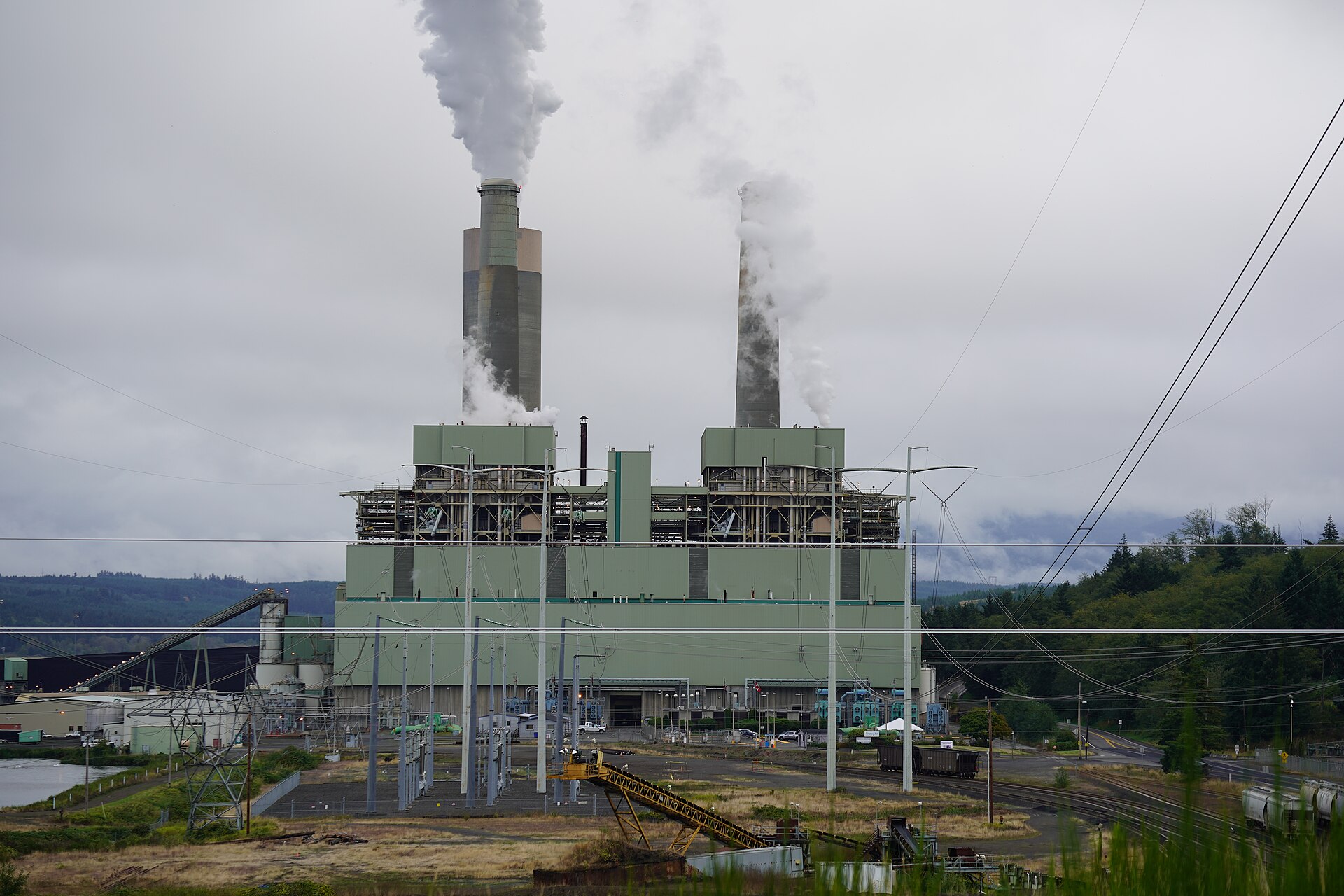
FERC Rejects a $19.9m Bill for a Coal Plant That Made No Power
The Federal Energy Regulatory Commission on 1 October 2026 rejected TransAlta's plan to recover $19.9 million spent keeping the 730 MW Centralia coal plant in Washington available under a Department of Energy emergency order. The unit generated no electricity through July.
Samsung Puts $1 Billion Behind AI's Power Bottleneck
Samsung Electronics and five affiliates committed a combined $1 billion to Helix Digital Infrastructure on 29 September 2026, taking the KKR-formed company's secured capital past $11 billion. Helix says power availability is the greatest bottleneck in AI infrastructure and is buying generation and transmission alongside data centres.
Newsom Signs Seven Data Centre Laws on Power and Water
Governor Gavin Newsom signed seven data centre bills on 21 September 2026 requiring monthly energy reports to the California Energy Commission, water disclosures to local suppliers, and separate electricity rates so operators carry their own connection costs.
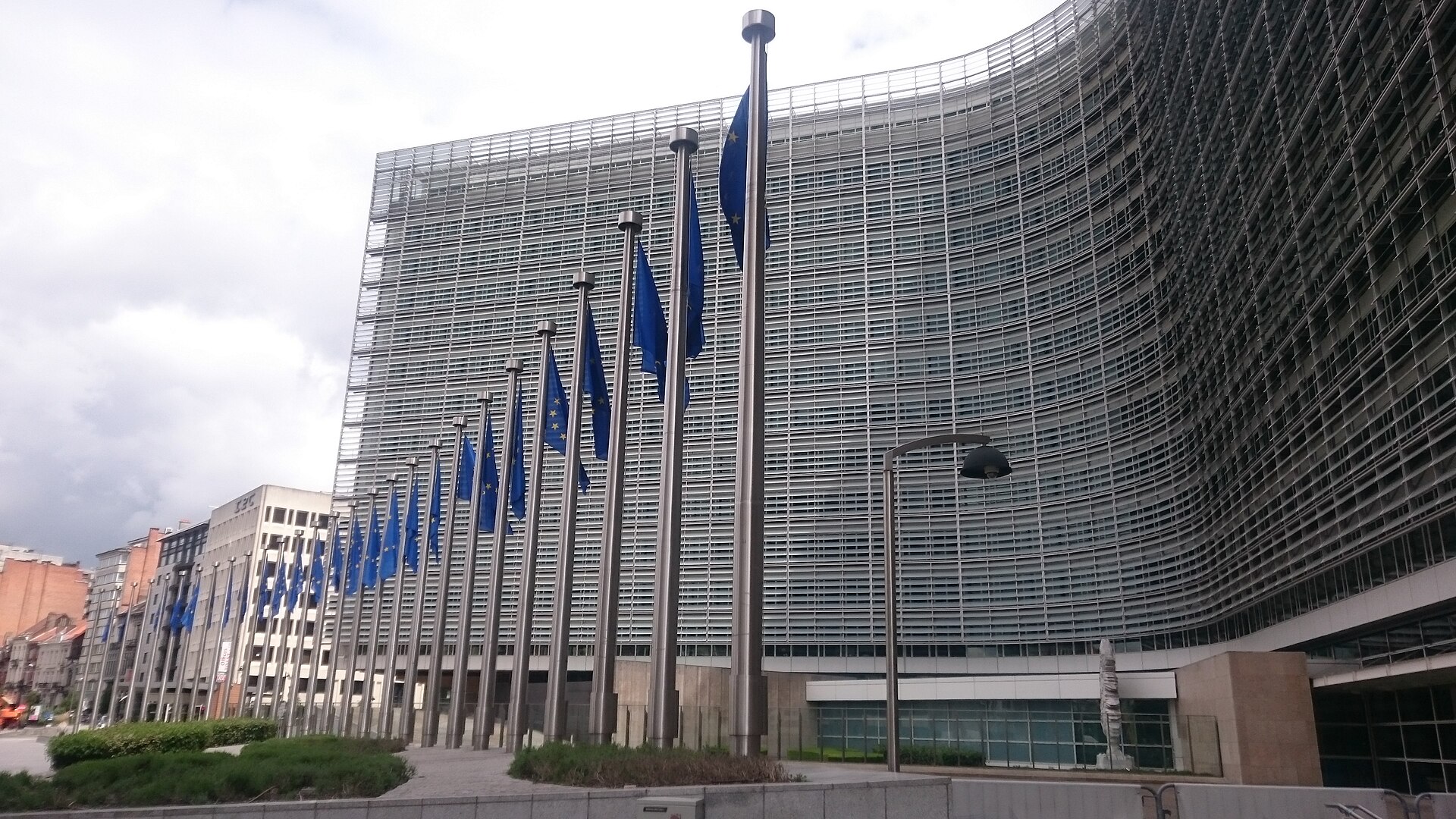
Brussels Proposes A-to-G Energy Labels for Large Data Centres
The European Commission proposed a common EU rating scheme on 21 September 2026 that would give every data centre above 500 kW an automatically generated electronic label from 15 August 2027, grading energy efficiency A to G on Power Usage Effectiveness and water efficiency on Water Usage Effectiveness. A parallel consultation asks whether minimum performance standards should follow.