FERC Rejects a $19.9m Bill for a Coal Plant That Made No Power
TransAlta wanted California and the Southwest to help pay for keeping Centralia available under a federal emergency order. Regulators told it to bill the Northwest only.
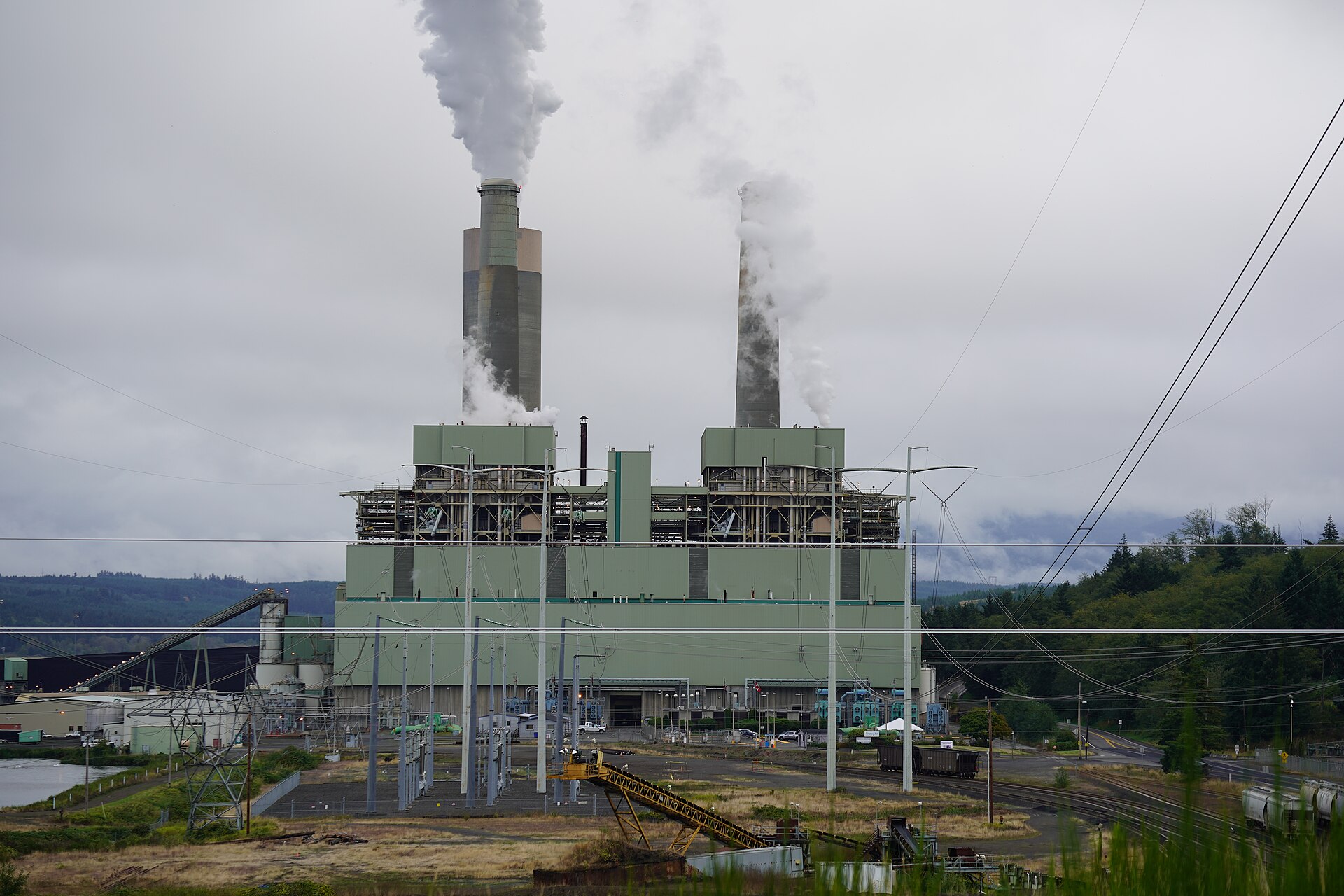
The Federal Energy Regulatory Commission on 1 October 2026 rejected TransAlta's plan to recover $19.9 million it spent keeping the 730 MW coal-fired Centralia plant in Washington available under a US Department of Energy emergency order. The unit generated no electricity at all in the first seven months of this year, according to Energy Information Administration power production data.
FERC's objection was geographic rather than philosophical. TransAlta had proposed recovering part of the cost from the California Independent System Operator and the Southwest Power Pool. The commission noted that the Department of Energy justified its order by citing the North American Electric Reliability Corporation's 2025-2026 Winter Reliability Assessment, which found the Northwest assessment area, covering Montana, Oregon, Washington and parts of northern California and northern Idaho, faced elevated risk during periods of extreme weather. Any revised filing, FERC said, should recover costs only from load-serving entities inside that area.
On whether a plant producing nothing can bill anyone at all, the commission sided with TransAlta.
We find that the Emergency Orders' statements that Centralia 'shall not be considered a capacity resource' do not preclude the commission from approving compensation for the costs that TransAlta incurred to keep Centralia operational.
Who turned up to object
The opposition was broad for a cost-recovery docket. It included the Bonneville Power Administration, the Southwest Power Pool, the California ISO, Snohomish County Public Utility District and other public power utilities, the state of Washington and its Utilities and Transportation Commission. Calgary-based TransAlta had planned to retire the unit at the end of 2025 until the Department of Energy's first 90-day order in mid-December blocked it, and told FERC it expected to spend a further $23 million on repairs to keep it available.
A narrowing legal footing
The order lands three weeks after the department's use of section 202(c) of the Federal Power Act took its first serious hit in court. On 11 September 2026 a unanimous three-judge panel of the US Court of Appeals for the District of Columbia Circuit vacated the first such order, which had kept Consumers Energy's J.H. Campbell plant in West Olive, Michigan running past a May 2025 retirement date already approved by state regulators and the MISO grid operator. Judge Cornelia Pillard, writing for the panel, called section 202(c) a narrow, last-resort backstop and found no emergency within the meaning of the statute. Michigan Attorney General Dana Nessel had challenged the order, extended five times before the ruling.
The department has not retreated. Since the Campbell decision it has renewed 202(c) orders covering units owned by CenterPoint Energy, Northern Indiana Public Service Company, Tri-State Generation and Transmission Association, PacifiCorp and others, and issued a further 90-day order to TransAlta on 11 September. Since May 2025 it has used the provision to stop units at seven power plants retiring, all but one coal-fired.
The judgment worth stating plainly is that cost allocation, not legality, is now the binding constraint on this policy. Vacating one order took sixteen months of litigation. FERC can decline to spread the bill in a single order, and did. If emergency-order costs must sit with load-serving entities inside one NERC assessment area, the utilities and state commissions in that area have every reason to contest each renewal, and the per-customer arithmetic becomes visible in a way it never is when costs are socialised across three markets. That matters beyond Washington state, because the reliability assessments the department leans on are being stretched by data-centre load, as Parallax Nexus reported in August when PJM asked FERC to curtail new data centres first.
The total cost of the programme is not known, and no federal agency publishes a running figure. Consumers Energy's filings with the Securities and Exchange Commission put the cost of running Campbell past its retirement date at more than $248 million by June 2026, about $642,000 a day. The Sierra Club, which litigated against the orders and is not a neutral party, estimates roughly $583 million across all units held open under 202(c). TransAlta's own plan is to convert Centralia to natural gas by the second half of 2028, a roughly $600 million project yielding 700 MW under a 16-year supply agreement with Puget Sound Energy.
What happens next?
- TransAlta may refile a narrowed cost-recovery plan limited to load-serving entities in the Northwest assessment area.
- The Department of Energy's current 90-day order for Centralia, issued 11 September 2026, expires in December and would need renewing.
- Separate legal challenges to the remaining 202(c) orders continue, and the DC Circuit's Campbell reasoning will be tested against records where utilities supported the order.
- NERC's 2026-2027 Winter Reliability Assessment will show whether the Northwest is still rated at elevated risk, the finding the Centralia order rests on.
Related topics
Sources & references
- 01FERC rejects TransAlta 202(c) cost-recovery plan for Centralia unit — Utility Divenews2 October 2026, by Ethan Howland. Reports the order of 1 October 2026 and quotes it directly; links the FERC eLibrary filing under accession number 20261001-3020.
- 02Order on TransAlta Centralia cost recovery, accession 20261001-3020 — Federal Energy Regulatory CommissionprimaryThe commission order of 1 October 2026 rejecting the cost-recovery plan and setting out the assessment-area limit.
- 03Federal Power Act Section 202(c) TransAlta Order No. 202-25-11 — US Department of EnergyprimaryThe first 90-day emergency order for Centralia, issued mid-December 2025, which prevented the planned end-2025 retirement.
- 04Federal Appeals Court Vacates First DOE Order Forcing Operation of J.H. Campbell Coal Plant — Michigan Department of Attorney Generalprimary11 September 2026 statement confirming the DC Circuit ruling and that the department had extended the order five times.
- 05Court Rules Against Trump Order to Keep Michigan Coal-Fired Plant Operating — POWER MagazinenewsSource for Judge Cornelia Pillard's wording and for the Consumers Energy SEC filing figure of more than $248 million by June 2026, about $642,000 a day.
- 06Electric Power Monthly and Form EIA-923 power production data — US Energy Information AdministrationdataGeneration data showing the Centralia unit produced no electricity in 2026 through July.
More from Energy
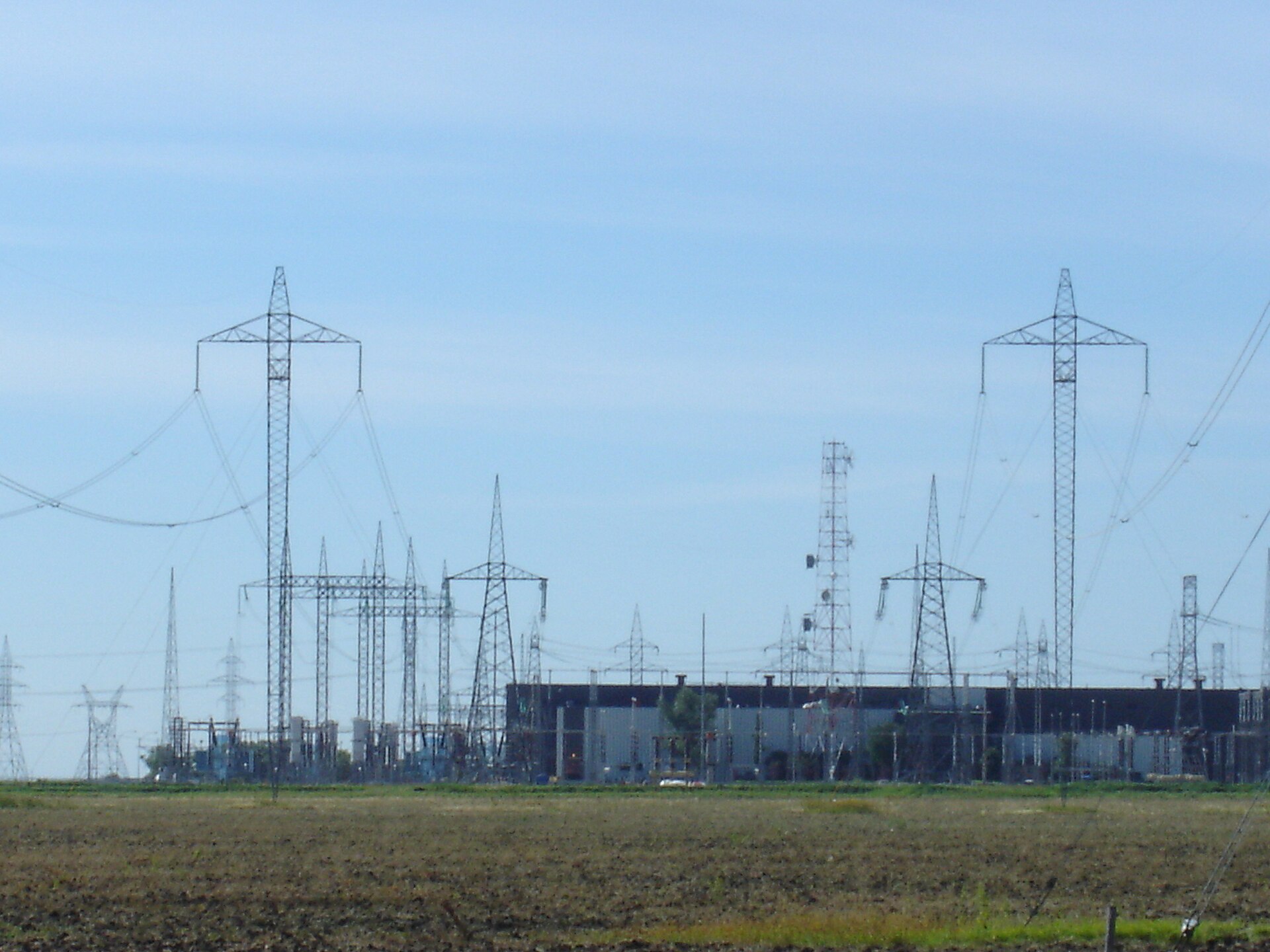
Senate Bill Makes Data Centres Above 20MW Pay Their Own Costs
Four senators introduced a permitting package on 30 September 2026 that defines a data centre load of 20 megawatts or more as a covered load and bars utilities from allocating its incremental cost to other customers. The obligation survives the data centre walking away, and states get the power to auction grid capacity to whoever benefits existing ratepayers most.
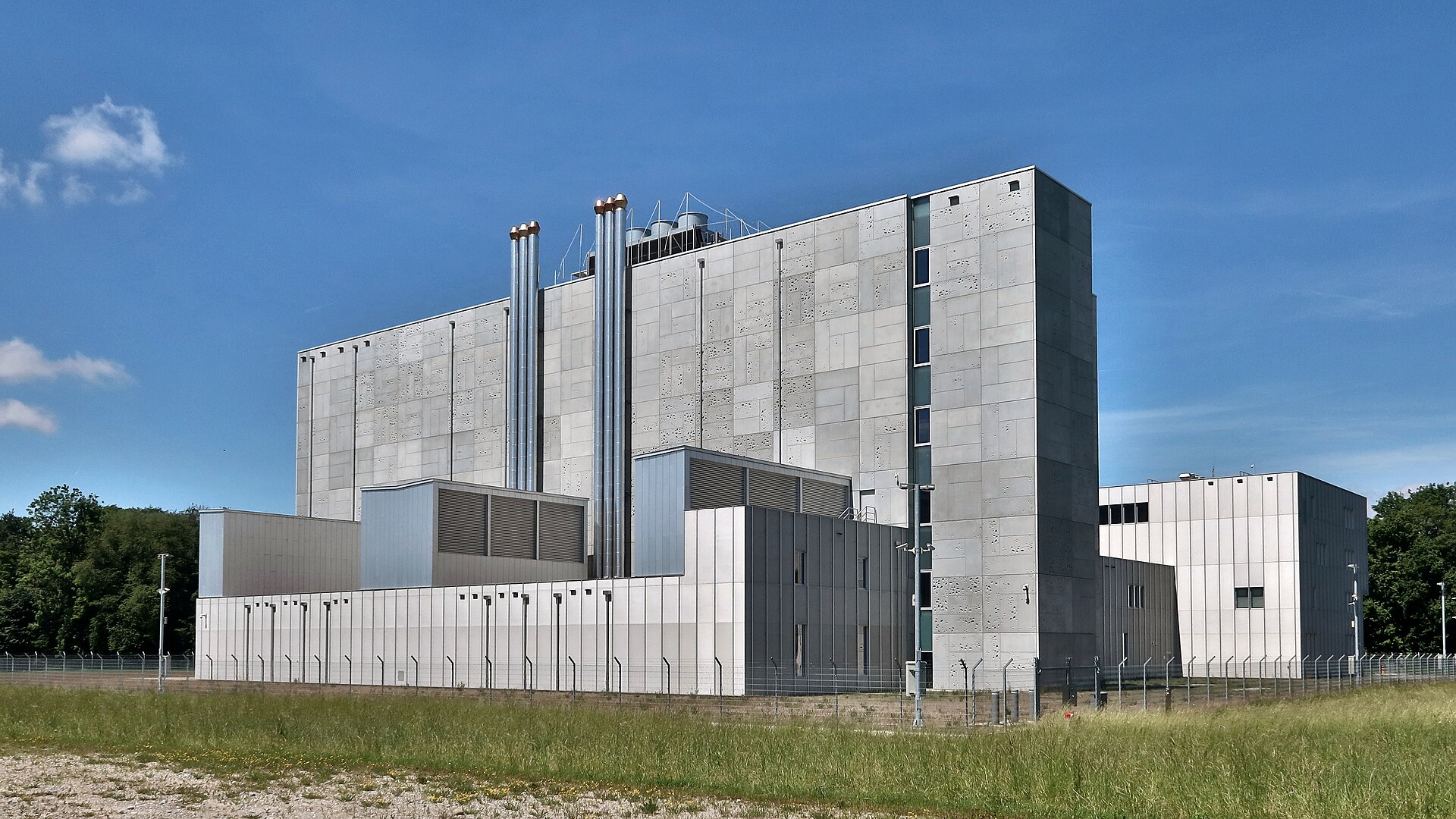
Samsung Puts $1 Billion Behind AI's Power Bottleneck
Samsung Electronics and five affiliates committed a combined $1 billion to Helix Digital Infrastructure on 29 September 2026, taking the KKR-formed company's secured capital past $11 billion. Helix says power availability is the greatest bottleneck in AI infrastructure and is buying generation and transmission alongside data centres.
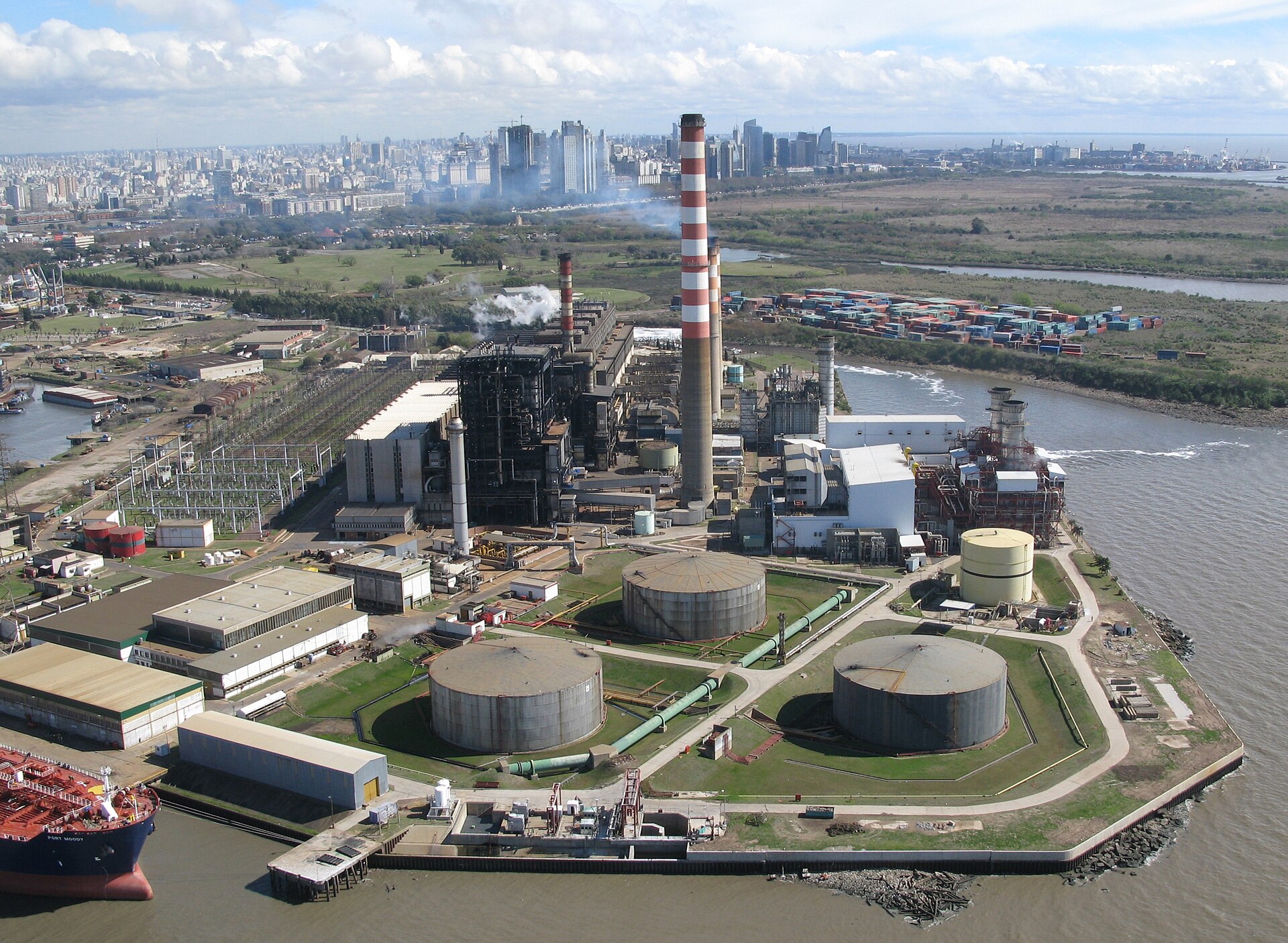
Argentina Makes Data Centres Bring 115% of Their Own Power
Argentina's Energy Secretariat has created the Regimen de Demandas Extratendenciales, which forces new electricity demands of roughly 80 MW or more to bring their own supply. Data centres must show firm capacity equal to 115% of consumption, against 100% for production projects, and existing customers keep priority when supply is short.
Newsom Signs Seven Data Centre Laws on Power and Water
Governor Gavin Newsom signed seven data centre bills on 21 September 2026 requiring monthly energy reports to the California Energy Commission, water disclosures to local suppliers, and separate electricity rates so operators carry their own connection costs.