Newsom Signs Seven Data Centre Laws on Power and Water
The package strips data centres of blanket environmental exemptions, orders California's utilities regulator to build separate rates for them, and starts monthly energy reporting.
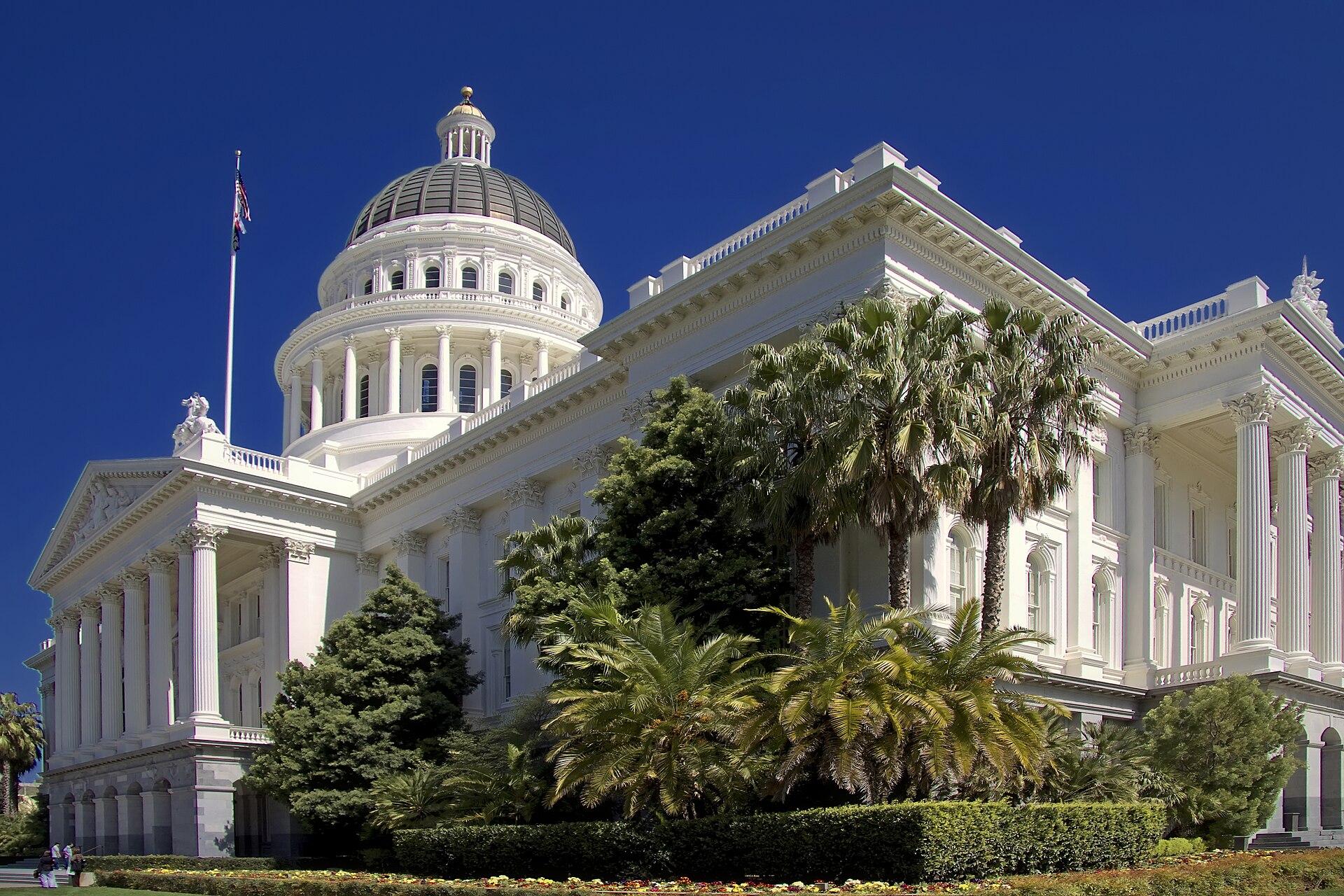
Governor Gavin Newsom signed seven data centre bills into law on 21 September 2026, his office said, requiring operators to report electricity consumption monthly and to give local governments and water suppliers figures on expected water use, available supply, efficiency measures and drought planning before a project moves forward.
The reach of the package goes well past disclosure. Senate Bill 886 by Senators Steve Padilla and Jerry McNerney, Assembly Bill 2383 by Assemblymember Rick Chavez Zbur and Senate Bill 1168 by McNerney direct the California Public Utilities Commission to build separate electricity rates for data centres, so that the cost of wiring a very large load into the grid sits with the operator rather than with households and small businesses on the same system. AB 2383 also pushes data centres towards procuring new clean supply.
The exemption that disappeared
The sharpest single change is SB 887, also from Padilla. It makes data centres ineligible for categorical exemptions under the California Environmental Quality Act, the 1970 statute that governs environmental review in the state. Under the new law, a project seeking judicial streamlining has to demonstrate first that it will not shift costs to ratepayers and that it meets state standards on energy, water and fuel consumption. AB 2469 by Assemblymember Diane Papan makes operators responsible for the cost of water infrastructure upgrades their sites require, and her AB 2619 adds further water disclosure duties.
Big Tech keeps promising to be good neighbors and these laws now make those promises legally enforceable.
What the monthly numbers are for
AB 1577 by Assemblymember Rebecca Bauer-Kahan carries the reporting duty, requiring owners to file specified information with the California Energy Commission. The Senate Judiciary Committee's analysis of the bill, prepared for a hearing on 30 June 2026, argued that regulators need facility-level information to understand how individual sites interact with the grid and affect local reliability. It cited the Commission's own 2026 report, Data Centers and California Electricity Policy, which found that rapid data centre growth has significant implications for grid reliability, infrastructure planning, water use and community health.
The water half of the package is thinner than the electricity half. AB 2619 and AB 2469 attach their disclosure duties to permit and business licence applications, which means a facility reports what it expects to draw once, at the start. A single cool, wet year can therefore stand in for a site's long-run demand, and there is no annual series to show whether consumption is climbing or whether a company is meeting the sustainability targets it has published. Iris Stewart-Frey, a professor of environmental science at Santa Clara University who led a study of data centres in water-stressed Californian communities, told The Verge on 23 September that water providers in every district she contacted had refused to share usage data, citing privacy rules.
Brussels reached for measurement rather than limits in the same week, proposing on 21 September an automatically generated A-to-G efficiency label for every data centre above 500 kW, as Parallax Nexus reported that day. California has arrived at the same instinct from the opposite direction, through ratepayer politics rather than an efficiency directive.
Mark Specht, senior manager for the climate and energy programme at the Union of Concerned Scientists, told The Verge he would not say definitively that data centres have raised electricity costs in California, and that it is possible they have brought them down a little, because the figures to demonstrate either do not exist. That is the honest reading of the seven bills: they are a measuring instrument, not a brake. Nothing here caps load, refuses a site or sets an efficiency floor, and the first reports will arrive only after the build-out they are meant to explain is already under way.
What happens next?
- Data centre operators begin monthly energy reporting to the California Energy Commission from next year under AB 1577.
- The California Public Utilities Commission must design the separate data centre rate structures required by SB 886, AB 2383 and SB 1168.
- New projects lose categorical California Environmental Quality Act exemptions under SB 887 and must show they meet state energy, water and fuel standards to qualify for judicial streamlining.
- Watch whether legislators return in 2027 with annual, rather than application-stage, water reporting.
Related topics
Sources & references
- 01Governor Newsom signs most comprehensive data center laws in the nation, providing communities more control on water, electricity, and land use — Office of the Governor of CaliforniaprimaryPublished 21 September 2026. Lists all seven bills and their authors.
- 02National leaders and lawmakers celebrate Governor Newsom's signature on the most comprehensive data center laws in the nation — Office of the Governor of CaliforniaprimaryPublished 22 September 2026. Source of the Padilla quotation.
- 03AB 1577 (Bauer-Kahan) committee analysis, version of 11 June 2026 — California Senate Judiciary CommitteeprimaryHearing date 30 June 2026. Cites the California Energy Commission's 2026 report Data Centers and California Electricity Policy.
- 04Data centers are black boxes, but California wants to change that — The VergenewsPublished 23 September 2026. Source of the Specht and Stewart-Frey remarks and of the gaps in the water provisions.
More from Energy
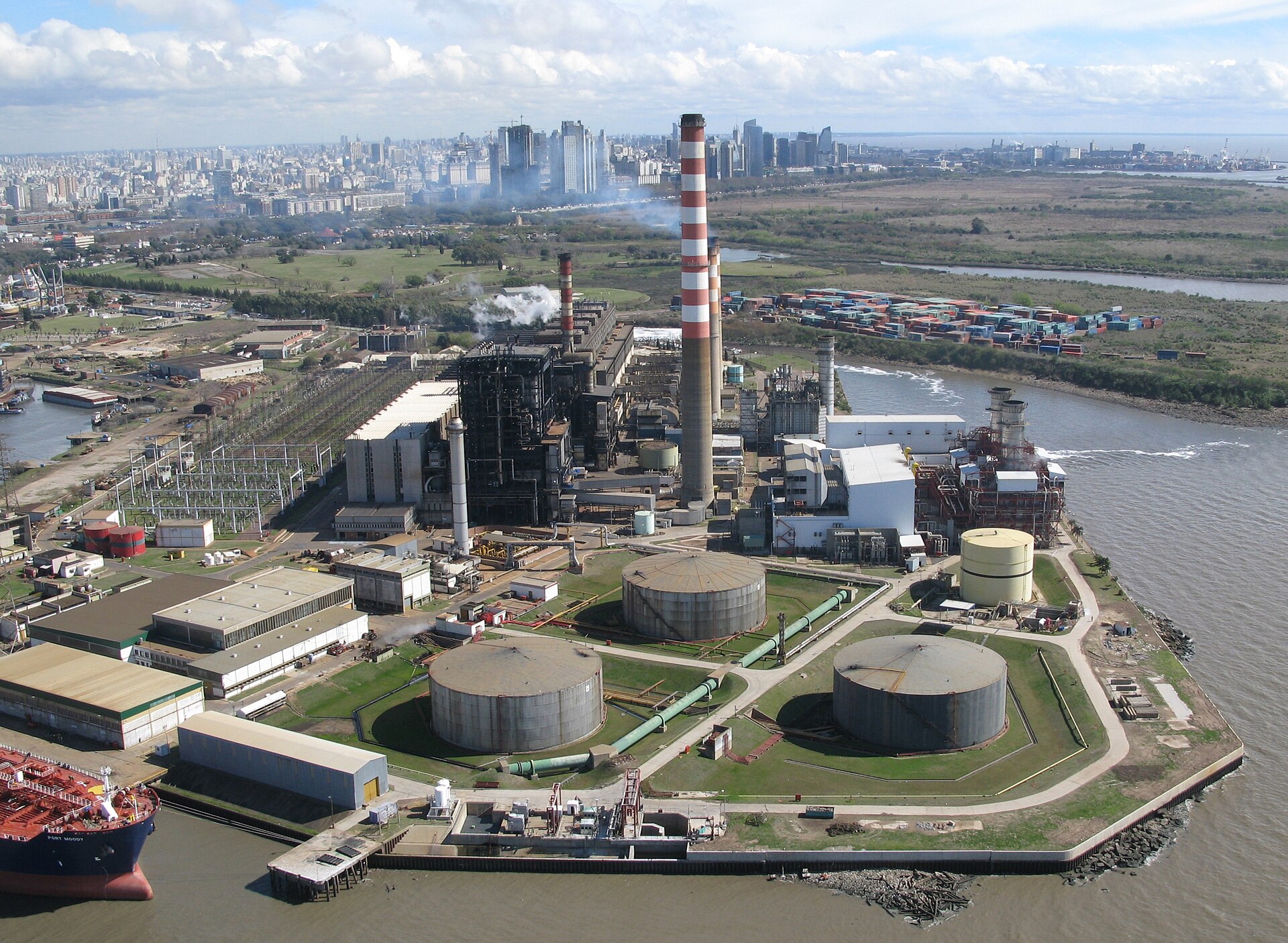
Argentina Makes Data Centres Bring 115% of Their Own Power
Argentina's Energy Secretariat has created the Regimen de Demandas Extratendenciales, which forces new electricity demands of roughly 80 MW or more to bring their own supply. Data centres must show firm capacity equal to 115% of consumption, against 100% for production projects, and existing customers keep priority when supply is short.
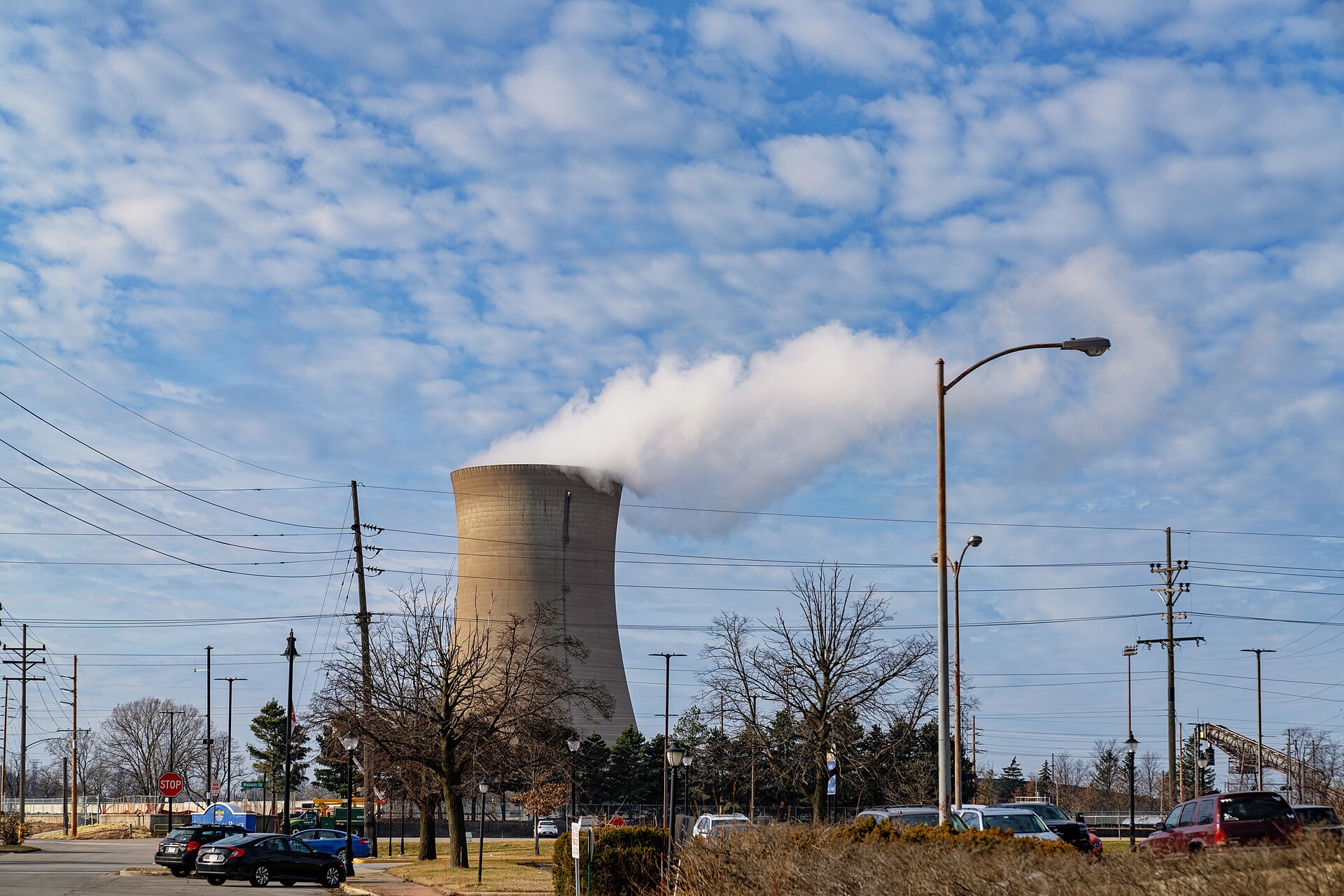
DOE Renews Indiana Coal Orders Days After a Court Struck One Down
The US Department of Energy issued fresh section 202(c) emergency orders on 19 September 2026 keeping two Indiana coal stations available through 18 December, eight days after a federal appeals court ruled the same authority had been used unlawfully to keep a Michigan coal plant running.
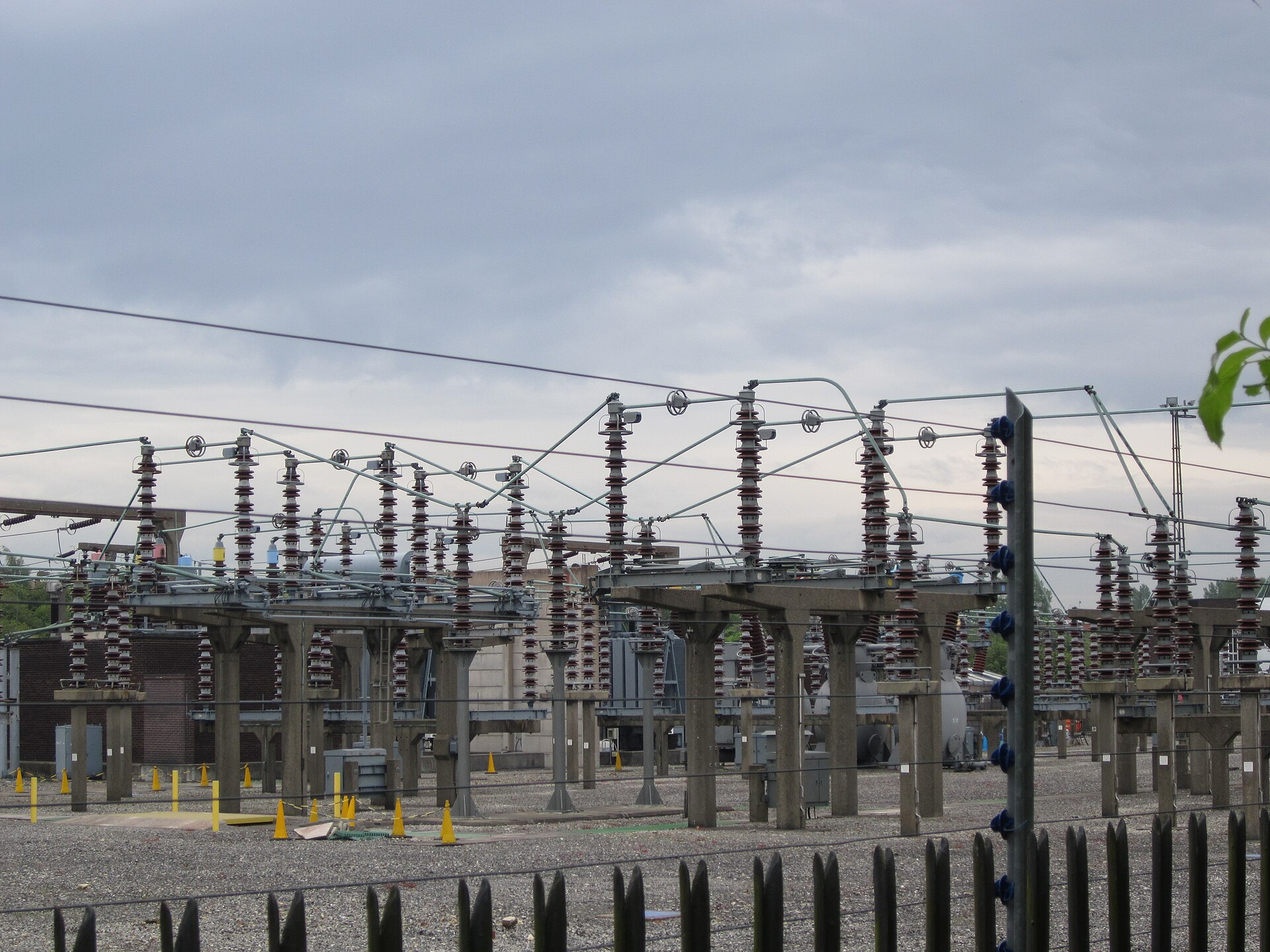
Ofgem Moves to Charge Batteries for Holding Grid Slots
Ofgem said on 17 September 2026 it is minded to approve CMP470, a code modification raised by developer Field Energy that would make battery projects post financial security of £3,000 to £25,000 per megawatt to keep a connection slot while the queue is oversubscribed.
Iowa Got a Nuclear Restart Loan and a Data-Centre Freeze in the Same Week
On 8 September 2026 the US Department of Energy's Office of Energy Dominance Financing announced financial close on a loan of up to $1.9 billion to NextEra Energy for the restart of Iowa's only nuclear plant, targeted for the first quarter of 2029 and backed by a 25-year power agreement with Google. The same day, Waterloo's city council approved a 90-day moratorium on new data centres, joining a growing list of Iowa communities pausing projects.