Amazon Puts $1bn Into Data Centre Towns and Drops Its NDAs
Matt Garman's 2 October memo pairs a five-year community fund with an end to nondisclosure agreements with government agencies, and a warning that more than 100 local moratoriums could cost the United States the AI race.
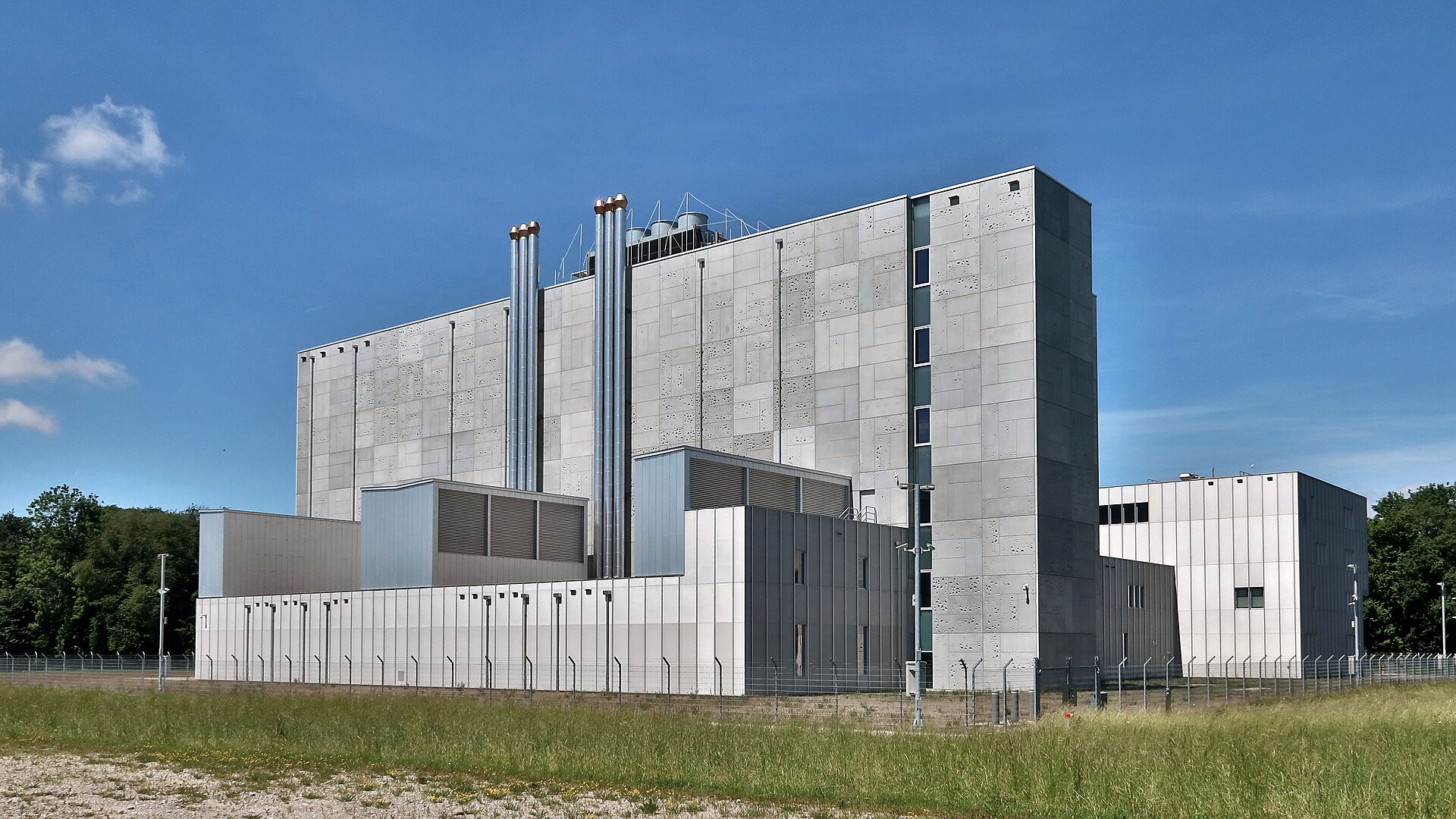
Amazon will spend more than $1 billion over five years in the American communities where it builds and runs data centres, and has stopped signing nondisclosure agreements with the government agencies it deals with on those projects. Matt Garman, chief executive of Amazon Web Services, set out both commitments in a memo published on 2 October 2026, alongside a blunt warning about local opposition.
Right now there are over 100 data center moratoriums being considered across the country. If these measures are enacted, the U.S. could be writing its own losing ticket to this race, and the consequences would last generations.
What the money buys
Built Together, as the programme is called, has three pillars. Amazon says it will cover out-of-pocket costs for community college certificates and associate degrees in fields including electrical work, heating and ventilation, fibre splicing, IT and advanced manufacturing, and estimates it will connect more than 300,000 students to free degree access in data centre communities over five years. It runs three Modular Training Centres today, has six more under development and plans a further 16, each handling roughly 2,000 to 4,000 learners a year; by the end of 2028 Amazon expects these centres to prepare up to 100,000 workers annually. A second pillar funds efficiency upgrades for more than 300 schools and public buildings and over 30,000 homes, which Amazon says should cut monthly energy bills by 20 to 40 per cent and save about $700 per household a year. Every one of those figures is Amazon's own projection.
Against the balance sheet, the sum is modest. Amazon said in July that it expects $220 billion of capital expenditure in 2026, up from a prior estimate of $200 billion, according to the Associated Press. Built Together averages about $200 million a year, under a tenth of one per cent of a single year's capital budget. Garman frames it as additional to the more than $1 billion Amazon says it has already contributed to US data centre communities over the past three years, which worked out at roughly $333 million a year, so the new tranche lifts the run rate by about 60 per cent rather than starting from nothing.
The concession that costs nothing and matters most
The more consequential line is one sentence long, buried in a list of tenets Amazon has published as its Data Center Commitment: "We no longer use nondisclosure agreements with the government agencies we work with on our projects." NDAs with counties and utilities have been the mechanism by which residents learn about a project after the rezoning vote rather than before it. Removing them changes the timetable of local politics in a way a grant programme does not. Microsoft dropped the practice in March, the first large technology company to do so, according to Datacenter Dynamics, which also noted that Garman's memo did not address Amazon's use of shell companies or opaque project codenames to mask its involvement in proposed sites.
Garman's case for local benefit rests mostly on tax arithmetic, and the comparisons he chose are stark.
| Location | Amazon tax estimate | Prior land use | Period |
|---|---|---|---|
| St Joseph County, Indiana | More than $3bn | $1.2m | Same term, unspecified |
| Montgomery County, Missouri | More than $1.8bn | About $200,000 | 25 years |
A 2026 report by Mangum Economics for the Northern Virginia Technology Council, cited in the memo, estimates that without data centre revenue the average homeowner in Loudoun County, Virginia would pay $5,800 more in property taxes each year. On employment, Garman said more than 2,300 people are currently working construction at two sites in Madison County, Mississippi, a county of 116,000, with more than 1,700 operations jobs to follow, and more than 1,500 in construction in Newton County, Georgia.
Roughly half the memo is given over to rebutting what Garman calls myths. He puts direct data centre water consumption at about 0.5 per cent of total US direct industrial water use, says a typical data centre uses about 170,000 gallons a day against the five million often quoted, and says Amazon's average site uses under 13,000 gallons, which he compares to 42 American households. On diesel generators, he says they sit idle 99.9 per cent of the time and run about 10 hours a year, mostly for maintenance testing. On electricity prices, he argues the cause is an ageing grid, noting that about 70 per cent of US power lines were built more than 25 years ago.
The rebuttals are arguments about averages, and the objections they answer are about particular places. A county weighing a single large interconnection request is not reassured by the national ratio of data centre water use to almond farming. The strongest part of the memo is not the myth-busting but the disclosure: a commitment to publish energy use, energy efficiency, water use, water efficiency and carbon-free share annually, alongside a stated 2025 global power usage effectiveness of 1.14 against an industry average of 1.25, hands outsiders numbers to check rather than ratios to accept. Against my own scepticism about the size of the fund, the NDA withdrawal and the reporting pledge are concessions that can be verified and are awkward to reverse, which is more than most corporate goodwill announcements offer.
The politics driving the memo are measurable. About six in ten Americans support limiting the number of new data centres that can be built, with majorities in both parties, the Associated Press reported on 2 October, and a United Nations University report in June put data centres at nearly 3 per cent of projected world electricity use by 2030, or 935 terawatt hours. A tracker published on 21 September counted 45 US data centre projects worth $68 billion blocked or delayed by local pushback in the second quarter of 2026, with 843 opposition groups operating across 49 states, as Parallax Nexus reported at the time. Meta has committed $1 billion to its host communities and Microsoft has issued its own set of pledges, the Seattle Times noted on 2 October.
Whether the reporting commitment bites depends on its granularity, and that is the thing Garman left open. He promised annual publication but did not say whether the figures will be broken out by site, by region or only globally, and it is the site level that a county assessing an interconnection request would need. Brussels has proposed exactly that kind of per-facility disclosure, an automatically generated A-to-G label for every data centre above 500 kW from August 2027, and Amazon's voluntary version will be read against it.
What happens next?
- Amazon says the free community college and energy efficiency programmes will launch in the coming months, with agreements already being established with local colleges.
- The first annual publication of Amazon's energy and water figures will reveal whether the data is reported per site or only globally.
- More than 100 moratoriums remain under consideration, and the November midterms will test how far data centre siting has become an electoral issue.
- Whether rival operators match the NDA withdrawal will determine if it becomes an industry norm or stays an Amazon and Microsoft outlier.
Related topics
Sources & references
- 01The race our nation can't afford to lose, plus a new commitment from us and a fresh set of community investments — AmazoncompanyMemo by Matt Garman, CEO of AWS, published 2 October 2026. Primary source for the $1 billion commitment, the NDA tenet, the moratorium figure, the county tax estimates, the PUE of 1.14 and the water and generator claims.
- 02Amazon to invest $1B into data center communities amid backlash against data center rollouts — Associated Press, via Tech XplorenewsAP report by Anne D'Innocenzio, 2 October 2026. Source for the $220 billion 2026 capital expenditure figure, the United Nations University electricity projection and the polling on limiting new data centres.
- 03AWS drops non-disclosure agreements for data center projects — Datacenter DynamicsnewsPublished 2 October 2026. Source for Microsoft dropping NDAs in March and for the unanswered question about shell companies and project codenames.
- 04Amazon's $1B data center pledge underscores rising tension over AI build-out — The Seattle TimesnewsPublished 2 October 2026. Source for Meta's comparable $1 billion community commitment and corroboration of the Missouri tax comparison.
- 05Amazon pledges $1B to data center communities, warns that local opposition threatens U.S. AI lead — GeekWirenewsPublished 2 October 2026. Corroborates the St Joseph County tax figures and the Madison County and Newton County employment numbers.
More from Business
Accenture's Record Bookings Come Without an AI Breakdown
Fourth-quarter revenue of $18.68 billion put Accenture above its guided range and sent its shares towards their best day on record, but the company stopped disclosing advanced AI bookings separately after the first quarter of fiscal 2026, removing the clearest public gauge of enterprise AI services demand.
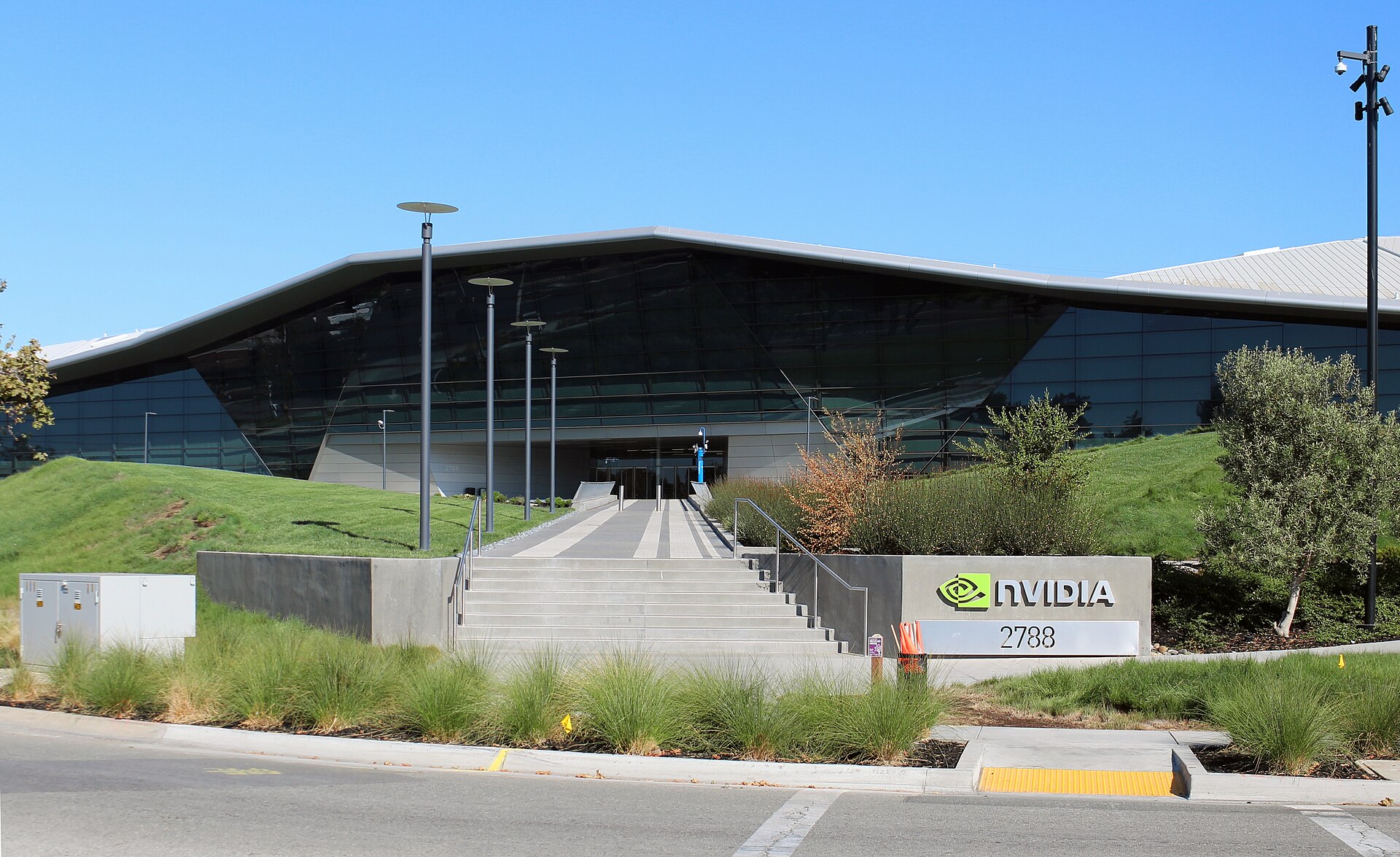
Nvidia Lifts Its Buyback Authorisation to $235 Billion
Nvidia's board authorised $150 billion of additional share repurchases on 28 September 2026, lifting the remaining programme to $235 billion and passing Apple's $110 billion approval from 2024. The company expects to spend it by the end of its fiscal year on 30 January 2028.
Akamai Paid for an $11.6bn Contract With Its Own Stock
Akamai's 8-K of 24 September 2026 sets out a seven-year, roughly $11.6 billion cloud commitment from Anthropic and a warrant over 387,051 preferred shares, convertible into 7,741,020 common shares, that vests as Anthropic spends. The filing also shows $5.5 billion of related capital expenditure and a $1.7 billion memory pre-purchase.
Four AI Subscribers Sue the Labs Over a Public Slowdown Pact
Four paying subscribers filed a Sherman Act class action against Anthropic, OpenAI, SpaceXAI and Google in the Northern District of California on 18 September 2026, alleging the four agreed to slow the rate at which they improve competing AI products. Every fact pleaded comes from a public statement or a press report.