Four AI Subscribers Sue the Labs Over a Public Slowdown Pact
Buist v. Anthropic, filed in San Francisco on 18 September 2026, treats Dario Amodei's essay as the offer and three rivals' same-day replies as the acceptance. The complaint cites no internal document.
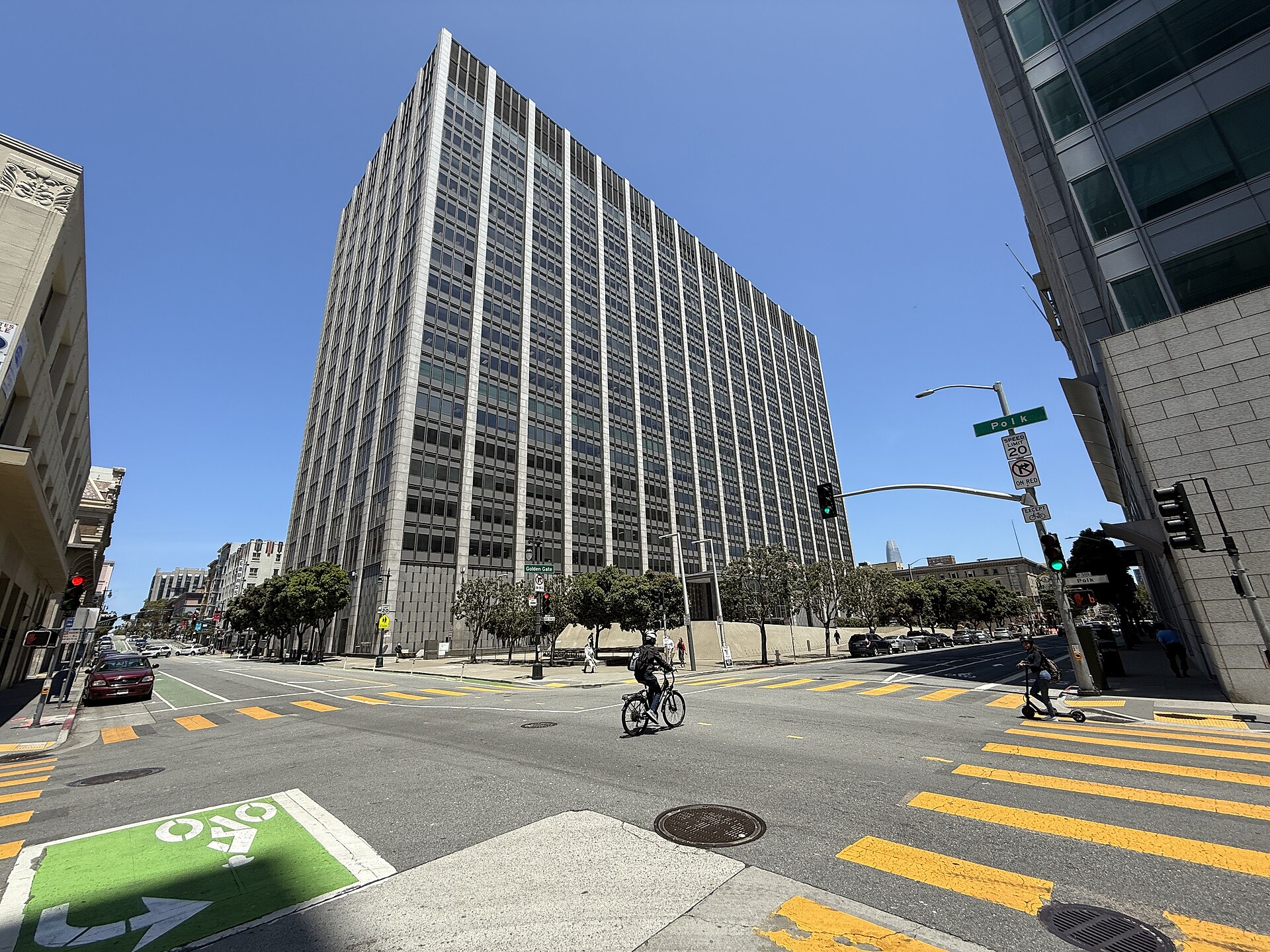
Four people who pay for AI chatbot subscriptions sued Anthropic, OpenAI, SpaceXAI and Google in the US District Court for the Northern District of California on Friday 18 September 2026. Buist v. Anthropic PBC alleges a horizontal agreement to slow the rate at which the four improve competing products, in breach of section 1 of the Sherman Act. It seeks treble damages, an injunction and a jury.
The complaint dates the agreement to 12 September 2026. That was the day Anthropic chief executive Dario Amodei published an essay, "We Must Pace the Frontier", calling for industry-wide cooperation on decelerating capability advances in favour of safety work. OpenAI's Sam Altman, SpaceXAI's Elon Musk and Google DeepMind co-founder and chair Demis Hassabis each responded publicly in agreement the same day, the Associated Press reported on 19 September. The four named plaintiffs are bringing the case on behalf of a proposed nationwide class of paid subscribers to ChatGPT, Claude, Grok and Gemini.
AI will quickly spin out of human control and could kill us all if we allow AI safety and protocol ... to be controlled by private self-serving agreements between the world's most powerful 'for profit' technology companies
The waiver the defendants asked for themselves
Amodei's essay acknowledged the antitrust problem. He wrote that it would help for the US government to mediate "or at least enable" cross-lab discussions, and that it would need to "issue a narrow waiver for certain kinds of safety conversations". Altman replied on social media that OpenAI welcomes a "federal framework that sets consistent safety requirements" but that "we do not believe we need to wait for an anti-trust exemption or legislation to begin the work of providing this confidence", according to the Associated Press. The complaint's answer is flat: no such waiver exists, Congress has enacted no exemption, and no agency compelled the conduct.
A cartel case built from press clippings
The Next Web, which read the 29-page filing, reports that every factual source in it is a named executive's public statement or a press report, and that paragraph two describes the agreement as "proposed in public, accepted in public, and confirmed in public". There are no internal documents, no confidential witnesses and no meeting minutes. Bloomberg Law reported the filing. That is unusual for a cartel claim, and it cuts both ways. The evidence is easy for a court to verify, and the conduct alleged is conduct nobody tried to conceal.
The same reading exposes the weak points. The Next Web reports that the complaint identifies no slowed release, no cancelled model and no altered training run anywhere in its 29 pages, and that the claimed 80% share of US paid subscriptions is pleaded on information and belief rather than measured. The four acceptances are not equivalent either. Musk's was four words on social media, and Google's endorsed the direction while leaving implementation open.
The owned judgment is that the plaintiffs have picked the one theory that dodges the hardest question. By pleading the restraint as naked, they make the danger of unrestrained competition a matter for Congress rather than a defence a court may weigh. Whether a judge accepts that framing when the alleged agreement consists of four public essays and posts is untested, and the complaint concedes that the full effect on released products has not yet appeared. Representatives for Anthropic, OpenAI, Google and SpaceXAI did not respond to the Associated Press's request for comment on Saturday 19 September.
What happens next?
- The four defendants must answer or move to dismiss, and their argument that public advocacy and unilateral safety work are lawful will be the first test.
- Whether the cross-lab working group the complaint says was meeting in mid-September meets again will be read by both sides as evidence.
- Congress could narrow the case by enacting the safety exemption Amodei asked for, or refuse to and leave the conduct exposed.
- European regulators face the same question under Article 101, which also contains no self-granted safety exemption, though no case there has been signalled.
Related topics
Sources & references
- 01Lawsuit says Anthropic, OpenAI, SpaceXAI and Google made illegal agreement on AI slowdown — Associated Press (via Los Angeles Times)news19 September 2026. Source of the filing date, the court, the Nick Rowley quote and the no-comment line.
- 02We Must Pace the Frontier — Dario AmodeiprimaryPublished 12 September 2026. The essay the complaint treats as the offer, including the antitrust waiver passage.
- 03Amodei wrote that coordinating on pace would need an antitrust waiver — The Next Webnews19 September 2026. Read the 29-page complaint; source of the case name, the section 1 claim, the pleaded market share and the absence of internal documents.
- 04Anthropic, OpenAI, Google, and SpaceXAI illegally agreed on an AI slowdown, lawsuit says — Quartznews20 September 2026. Corroborates the July 2026 employee statement cited in the complaint.
More from Business
Nscale’s IPO Filing Shows $103 Billion Booked and 25,000 GPUs Live
Nscale filed for a New York Stock Exchange listing on 18 September 2026. Its S-1 reports $140.6 million of first-half revenue, a $1.02 billion net loss, more than $103 billion of contracted value led by Microsoft and Anthropic, and about 25,000 of 461,000 contracted GPUs live at the end of August.
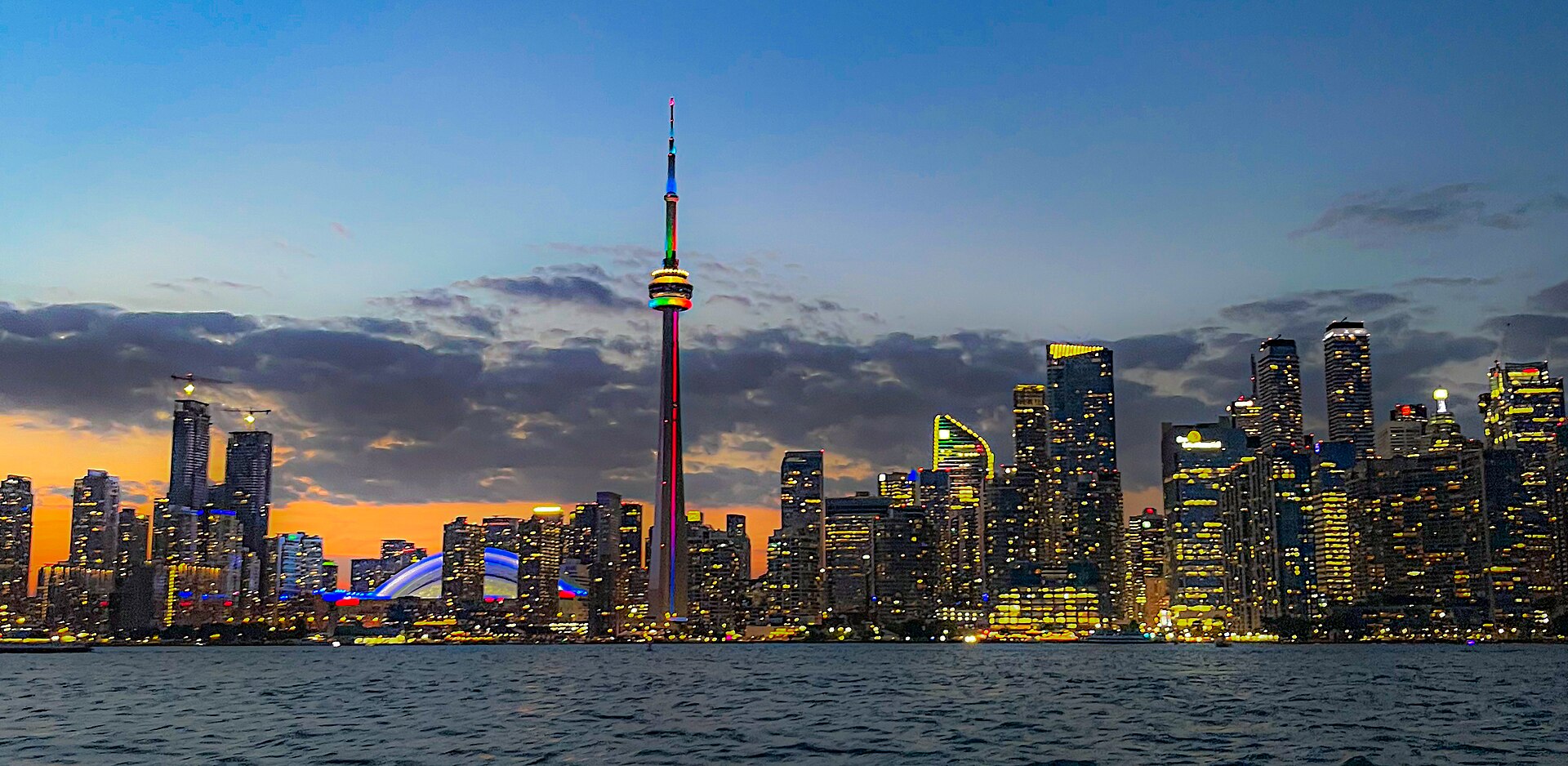
Cohere Signs for Aleph Alpha as Schwarz Group Puts In €500 Million
Cohere and Aleph Alpha signed a definitive merger agreement on 16 September 2026. The combined company will trade as Cohere, with headquarters in Toronto and Berlin and more than 1,000 staff. Reuters reports that Schwarz Group is investing €500 million. The deal still needs regulatory approval.
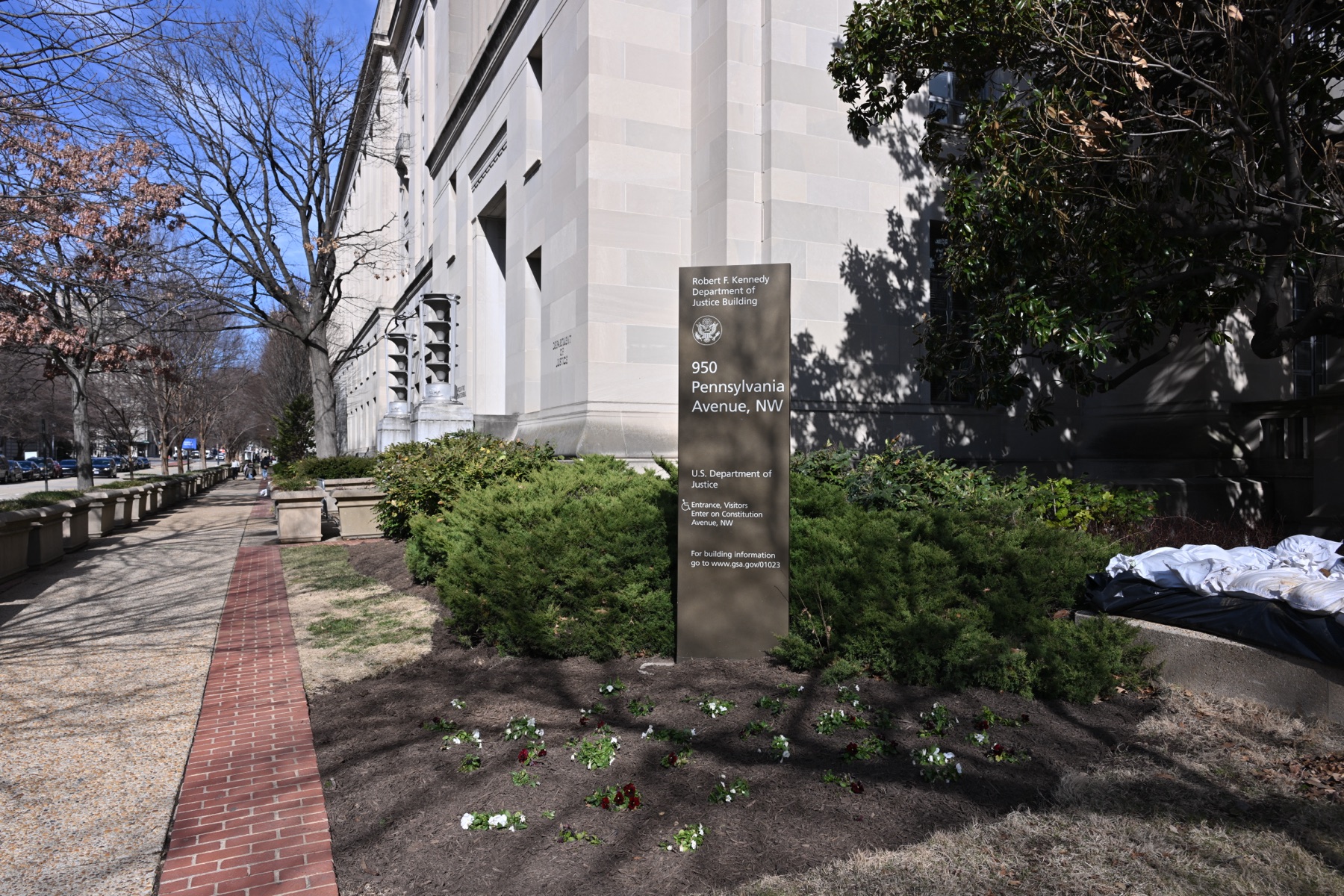
The Licence-and-Hire Playbook Meets the Justice Department
The US Justice Department is investigating whether Nvidia's December 2025 licensing deal with Groq, in which Groq's founder and executives joined Nvidia while the company stayed nominally independent, was structured to evade antitrust scrutiny, according to the New York Times, Reuters and Bloomberg. Two senators had already called the deal an evasion in March.
The AI IPO Race Has One Runner Left This Year
Reuters reports Anthropic will begin marketing its IPO in mid-October at the earliest, completing days before the US midterms, after finalising a $15 billion revolving credit facility and holding talks with Nvidia about an anchor investment of up to $10 billion. OpenAI's chief executive told Fortune that 'right now would be an ill-advised moment to go public'.