Nvidia Lifts Its Buyback Authorisation to $235 Billion
The board added $150 billion on 28 September 2026, taking the amount left on the programme from $85 billion to $235 billion. Nvidia calls it the largest repurchase authorisation ever approved.
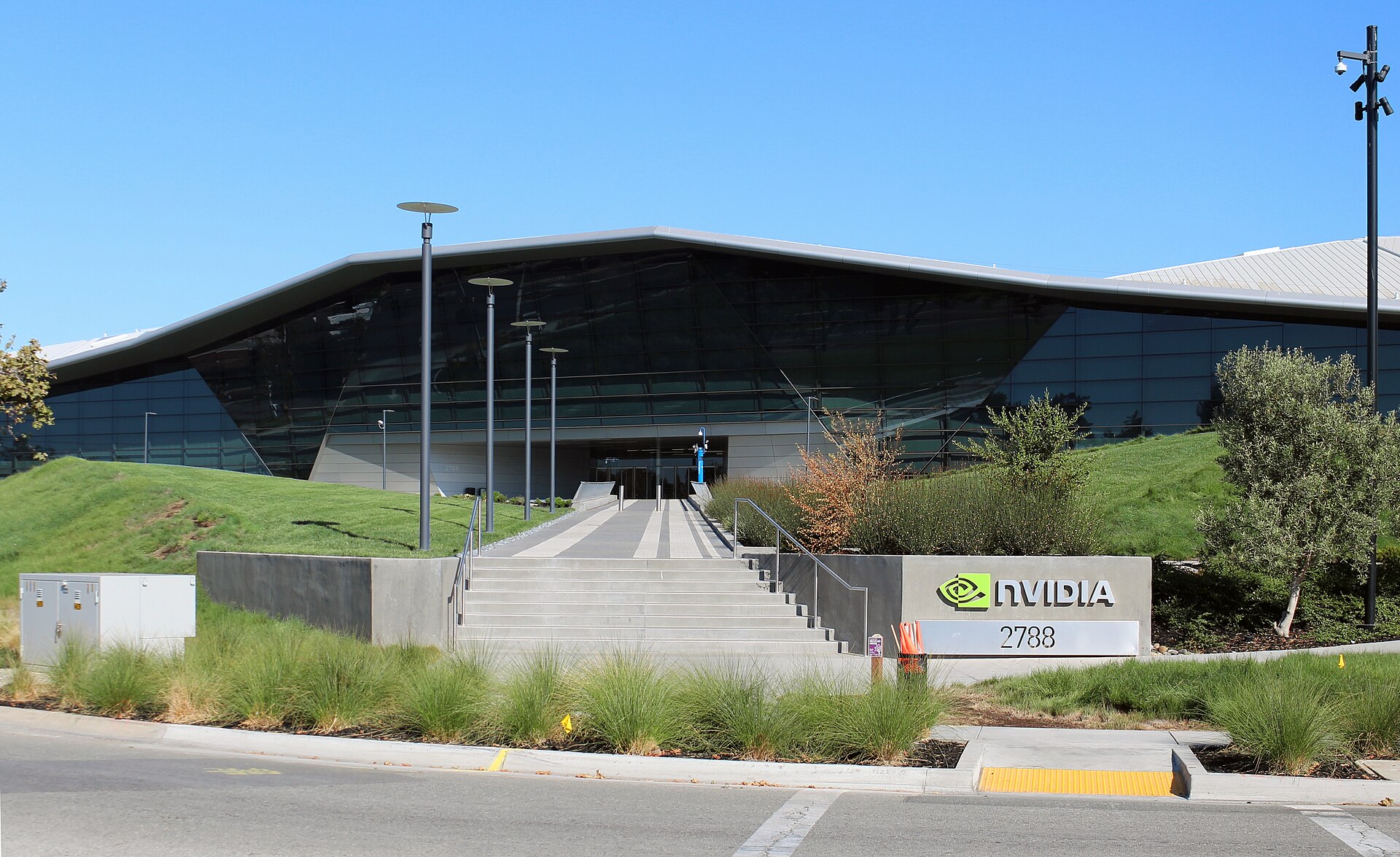
Nvidia's board authorised an additional $150 billion of share repurchases on Monday 28 September 2026, lifting the amount left on the company's buyback programme from $85 billion to $235 billion. Nvidia described the increase as the largest share repurchase authorisation in history.
The company said it expects to execute the full remaining programme through its fiscal year, which ends on 30 January 2028. Reuters reported that the previous record authorisation was the $110 billion Apple approved in 2024.
A capital return set against a $5.5 trillion company
Reuters put Nvidia's market capitalisation above $5.5 trillion on the day of the announcement, which makes the full $235 billion authorisation worth a little over 4 per cent of the company. The shares rose more than 2 per cent in morning trading in New York on 28 September and have gained more than 20 per cent this year through the previous Friday's close, according to Reuters.
Our cash generation gives us the capacity to invest in the technologies that advance this transformation and return capital to shareholders. This authorization reflects our confidence in the long-term opportunity ahead.
The timing is the interesting part. Reuters reported on 28 September that Nvidia's stock trades near its lowest valuation in more than a decade, even after this year's gain. A company whose earnings multiple is compressing while its cash balance climbs has a familiar problem, and buying its own shares is the standard answer to it. The honest reading is that this is a valuation argument made with cash rather than with a slide deck: management is telling the market that it thinks the shares are cheap relative to what the company will earn.
It also sits oddly next to the way the rest of the AI supply chain is paying for itself. As Parallax Nexus reported on 26 September, Akamai covered part of an $11.6 billion cloud commitment from Anthropic by issuing a warrant over its own preferred shares rather than by paying cash, and Nscale's New York listing filing showed a $1.02 billion first-half net loss against more than $103 billion of contracted value. Nvidia is the one participant in that chain with enough cash to retire stock rather than print it.
What the authorisation does not commit Nvidia to
A repurchase authorisation is permission, not a purchase. Nvidia has not said how much of the $235 billion it will spend in the current fiscal year against the next one, and the company can slow or stop buying without amending the programme. The figure that would settle the question, the actual quarterly repurchase, will not appear until the next set of results.
The strongest argument against reading this as pure confidence is that Nvidia is simultaneously deploying capital into the customers that buy its chips. The company is a founding investor in Helix Digital Infrastructure, the KKR-formed AI infrastructure vehicle that Samsung joined on 29 September, alongside the power producer Vistra. Returning cash to shareholders and underwriting the buildout that generates the demand are not the same signal, and Nvidia is doing both at once. Nvidia also used Monday to announce an Open Agent Safety Platform for securing third-party deployments of AI agents.
What happens next?
- Nvidia's next quarterly results will show how much of the authorisation was actually spent in the period.
- The company has until 30 January 2028, the end of its fiscal year, to execute the remaining $235 billion.
- Investors will watch whether the valuation discount Reuters flagged narrows as repurchases run.
Related topics
Sources & references
- 01Nvidia unleashes a record $150B buyback boost as AI chip boom swells cash — Associated PressnewsUpdated 28 September 2026; confirms $235 billion total and fiscal 2028 execution window.
- 02Nvidia Boosts Share Buyback Authorization by $150 Billion — Bloombergnews28 September 2026.
- 03Nvidia boosts share buyback by record $150B as AI boom fuels growth — Reuters, via the New York PostnewsReuters copy dated 28 September 2026; source for the $5.5 trillion market capitalisation, the Apple comparison and the valuation point.
- 04Nvidia makes a statement with historic $150 billion buyback announcement — MarketWatchnews28 September 2026.
- 05Nvidia sets record with $235B stock buyback program — The Hillnews28 September 2026; source for the $85 billion prior remaining authorisation.
More from Business
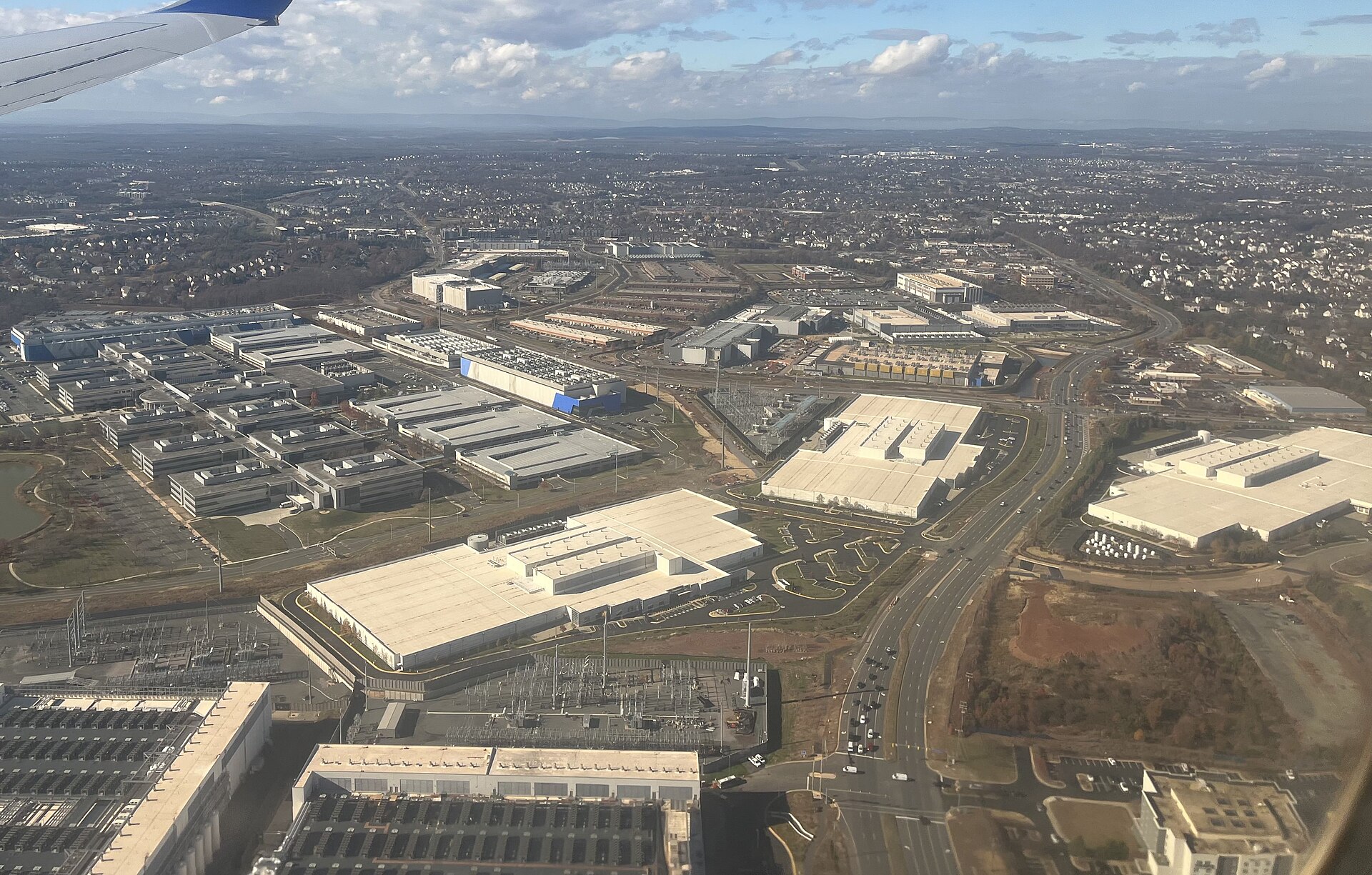
Local Opposition Stalled $68 Billion of Data Centres in Three Months
A tracker published on 21 September says 45 US data centre projects worth $68 billion were blocked or delayed by local pushback in the second quarter of 2026, and 843 opposition groups now operate across 49 states. Three governments moved on siting rules within five days.
Four AI Subscribers Sue the Labs Over a Public Slowdown Pact
Four paying subscribers filed a Sherman Act class action against Anthropic, OpenAI, SpaceXAI and Google in the Northern District of California on 18 September 2026, alleging the four agreed to slow the rate at which they improve competing AI products. Every fact pleaded comes from a public statement or a press report.
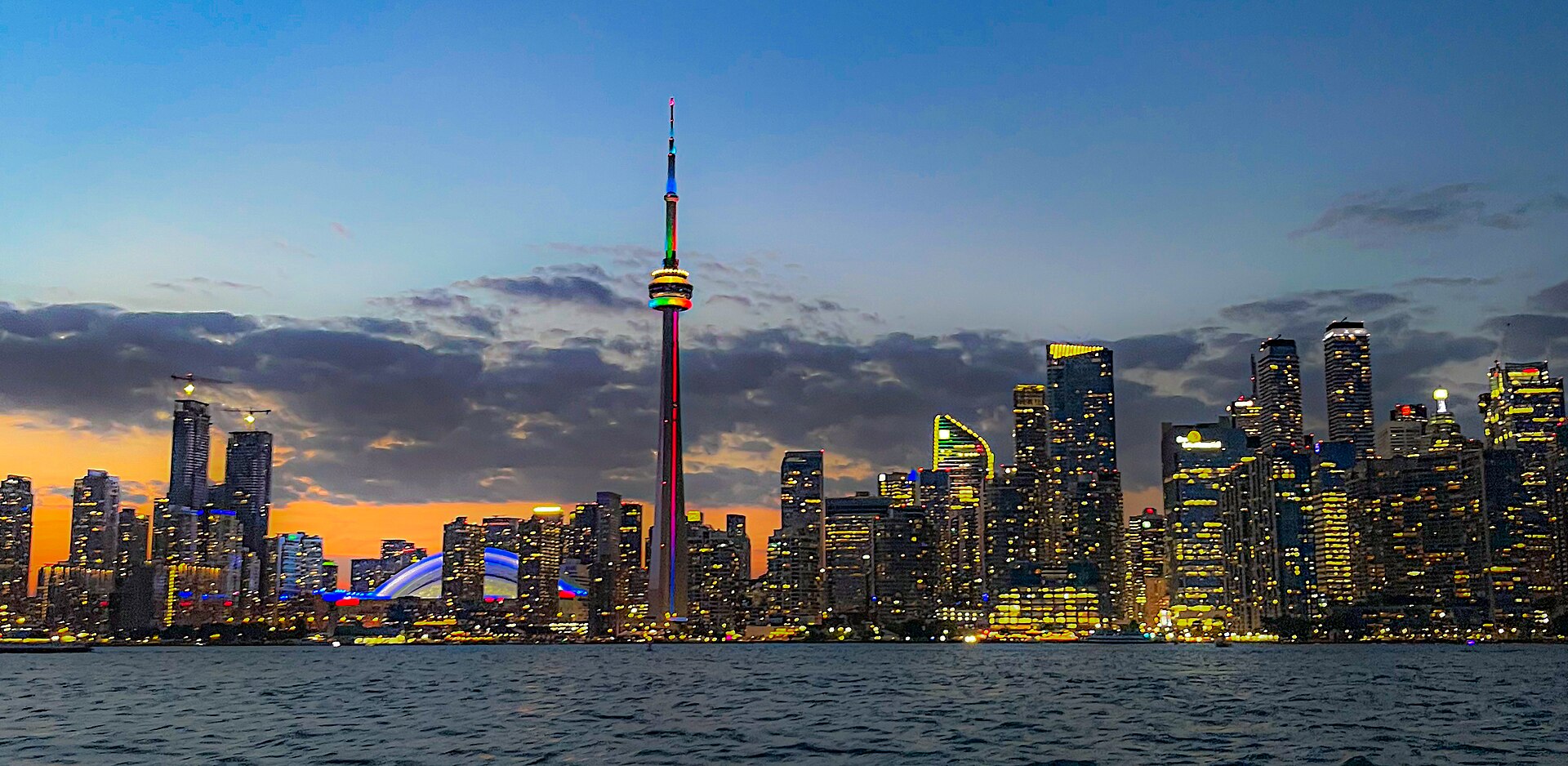
Cohere Signs for Aleph Alpha as Schwarz Group Puts In €500 Million
Cohere and Aleph Alpha signed a definitive merger agreement on 16 September 2026. The combined company will trade as Cohere, with headquarters in Toronto and Berlin and more than 1,000 staff. Reuters reports that Schwarz Group is investing €500 million. The deal still needs regulatory approval.
The Licence-and-Hire Playbook Meets the Justice Department
The US Justice Department is investigating whether Nvidia's December 2025 licensing deal with Groq, in which Groq's founder and executives joined Nvidia while the company stayed nominally independent, was structured to evade antitrust scrutiny, according to the New York Times, Reuters and Bloomberg. Two senators had already called the deal an evasion in March.