Ofgem Moves to Charge Batteries for Holding Grid Slots
The regulator opened a two-week consultation on 17 September 2026 on a fee starting at £3,000 per megawatt. Britain's battery connections queue stands at about 90GW against a projected need of 29GW by 2035.
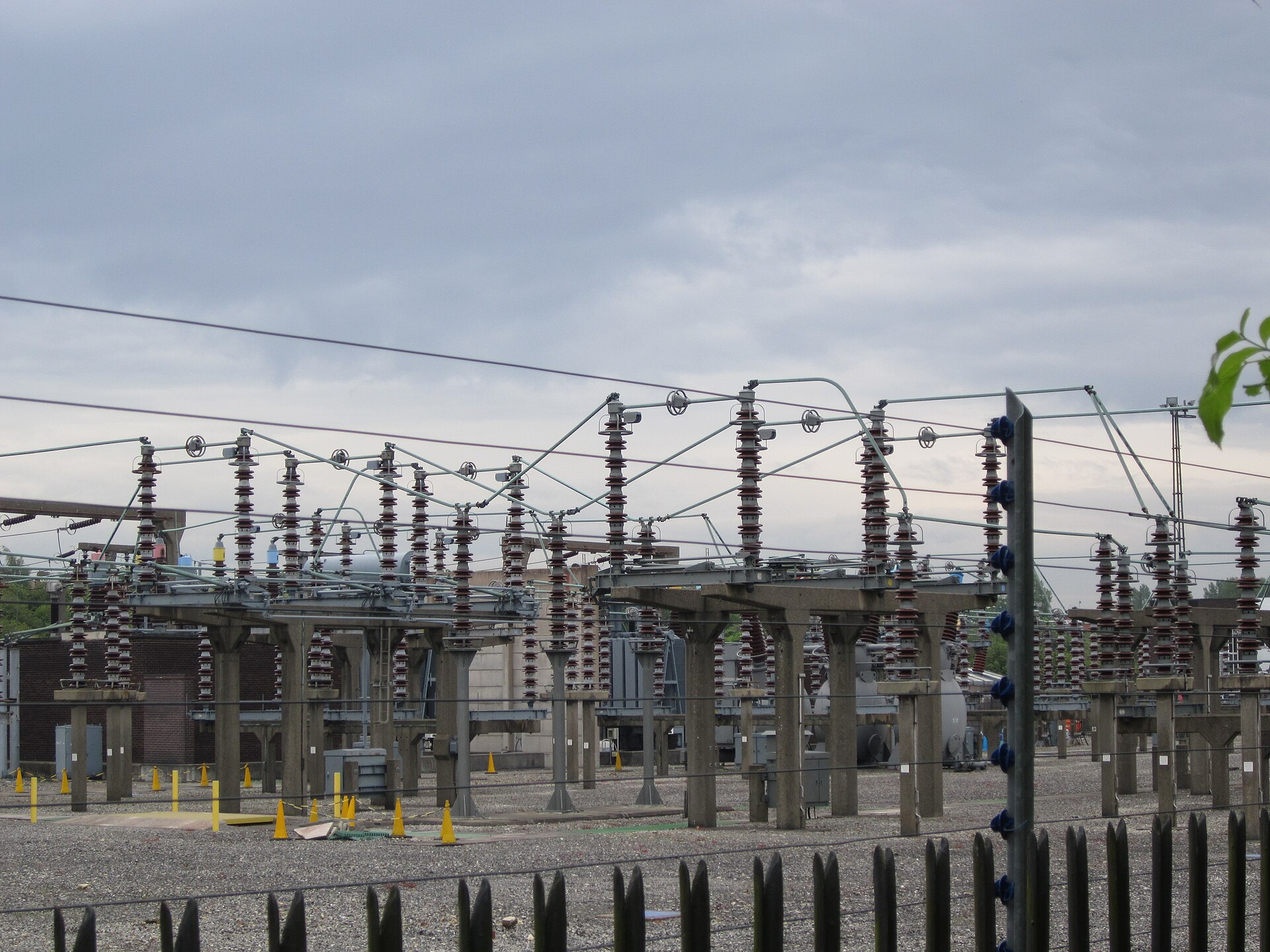
Ofgem opened a two-week consultation on 17 September 2026 on charging battery projects for the grid connection slots they hold, starting at £3,000 per megawatt and rising to a maximum of £25,000 per megawatt if the queue stays heavily oversubscribed.
The regulator's case rests on one comparison. About 90GW of battery energy storage is either operational or sitting in Britain's reformed connections queue, Ofgem said in its 17 September statement, against the roughly 29GW the system is projected to need by 2035. Of that total, 7GW is already running and 83GW is prioritised on the shortlist the National Energy System Operator drew up after cutting 40% of grid-level battery capacity from the queue in 2025 for failing its criteria.
A fee that switches itself on
The charge is called the Oversubscribed Technologies Commitment Fee, and it did not originate with the regulator. The developer Field Energy Limited raised it as modification CMP470 to the Connection and Use of System Code on 20 March 2026, according to Ofgem's urgency decision on the proposal. Under the original version, which Ofgem is now minded to approve, the fee activates once a technology exceeds its target requirement by more than 50% and stops applying once oversubscription falls below 25%. NESO would monitor those levels, decide when the fee is triggered or escalated, and manage the securities, which can take the form of letters of credit, guarantees or cash collateral.
Projects whose existing securities already sit above the applicable fee level would not have to post more solely because of CMP470. Where a project leaves the queue without energising and the fee forms part of its cancellation charge, Ofgem says the money returns to consumers through Transmission Network Use of System charges rather than staying with the network companies.
The queue must reflect real projects, not placeholders. We are proposing approving the introduction of a new financial commitment to require battery projects to demonstrate they are serious about progressing, while encouraging those that are unlikely to connect to make that decision earlier.
Six alternatives, and a number that does not reconcile
The consultation puts the original proposal alongside six Workgroup Alternative CUSC Modifications that vary the level of the fee, how long it applies, how it is applied and how co-located projects are treated. That spread is a fair indication that the industry workgroup did not converge on an answer. Responses are due by 5pm on 1 October 2026 at the regulator's connections policy inbox, and a final decision is expected later this year.
One set of figures in Ofgem's own notes to editors sits oddly. The regulator puts the surplus at 14.8GW above NESO's 24GW estimate for the 2030 clean power target and 61.7GW above the 29GW projected for 2035. The second implies a queue of about 90.7GW, matching the headline number; the first implies about 38.8GW. Ofgem does not explain the difference in the press notice, and the reasoning sits in a separate impact assessment published with the consultation.
The honest reading is that a fee designed by a battery developer, and now backed by the regulator, works in favour of developers who already have funding in place. Field Energy said on its LinkedIn account that it had led development of the modification and welcomed Ofgem's minded-to position on its original solution. Clearing speculative projects raises the value of every slot that survives, and the companies best placed to post security at £25,000 per megawatt are the ones least likely to be cleared out.
Ofgem is running a version of the same play on the demand side. In July it consulted on a commitment fee and clearer progress milestones for speculative data centre connections, and in April it warned jointly with the Department for Energy Security and Net Zero, in an open letter on connections reform, that the battery pipeline already far exceeded what a clean power system would require. What is not yet known is how many of the 83GW on the shortlist will simply walk away once a price is attached to waiting.
What happens next?
- Consultation responses are due to Ofgem by 5pm on 1 October 2026.
- Ofgem expects to publish its final decision on CMP470 later in 2026, choosing between the original proposal and six workgroup alternatives.
- If approved, NESO takes on monitoring of oversubscription levels and management of project securities.
- A separate Ofgem decision is pending on the commitment fee and milestones proposed for data centre connections in July 2026.
Related topics
Sources & references
- 01Ofgem moves to free up grid capacity by tackling excess battery projects — OfgemprimaryPress release, 17 September 2026, with fee levels, queue figures and quotes from Eleanor Warburton.
- 02Connection and Use of System Code (CUSC) CMP470: Introducing an Oversubscribed Technologies Commitment Fee (OTCF) — OfgemprimaryConsultation page, closing 1 October 2026, with minded-to document and initial impact assessment.
- 03CMP470 Connection and Use of System Code (CUSC) urgency decision — OfgemprimaryRecords that Field Energy Limited raised CMP470 on 20 March 2026.
- 04Workgroup Consultation CMP470: Introducing an Oversubscribed Technologies Commitment Fee — National Energy System OperatorreportNESO workgroup consultation setting out the proposal parameters and workgroup questions.
- 05Ofgem consults additional fee for oversubscribed BESS grid connections — Solar Power PortalnewsTrade coverage, 18 September 2026, confirming the Field Energy origin of the modification.
More from Energy

Iowa Got a Nuclear Restart Loan and a Data-Centre Freeze in the Same Week
On 8 September 2026 the US Department of Energy's Office of Energy Dominance Financing announced financial close on a loan of up to $1.9 billion to NextEra Energy for the restart of Iowa's only nuclear plant, targeted for the first quarter of 2029 and backed by a 25-year power agreement with Google. The same day, Waterloo's city council approved a 90-day moratorium on new data centres, joining a growing list of Iowa communities pausing projects.

Record Power Demand, Even After Texas Hit Pause
EIA's September Short-Term Energy Outlook projects US generation rising 2.2% to a record 4,368 billion kWh in 2026 and a further 1.7% in 2027, with the West South Central region the largest contributor despite the Texas pause. EIA cut its 2027 Texas load-growth forecast from 14% to 6% after Governor Abbott ordered an audit of every data centre in ERCOT's queue.
The Largest US Grid Wants to Switch Off Data Centres First
PJM Interconnection, which serves 67 million people, filed an Interim Resource Adequacy Service with FERC on 13 August 2026 that would direct new data centres to their own back-up generation when supply runs short, alongside a large-load registry and a backstop procurement to cover a 6,831 MW shortfall. The independent market monitor has protested both filings.
The 470-Gigawatt Queue
ERCOT's large-load queue has reached roughly 470 GW of requests, about 90% tied to data centres, against 9 GW approved and under 4 GW actually drawing power. Interconnection, not chips, is now the constraint on AI.