Data Centres Took a Third of Climate Tech's Capital
Climate tech venture funding rose 55 per cent to $26.1bn in the first half of 2026, its best half since 2022. Deal count fell 25 per cent to a five-year low.
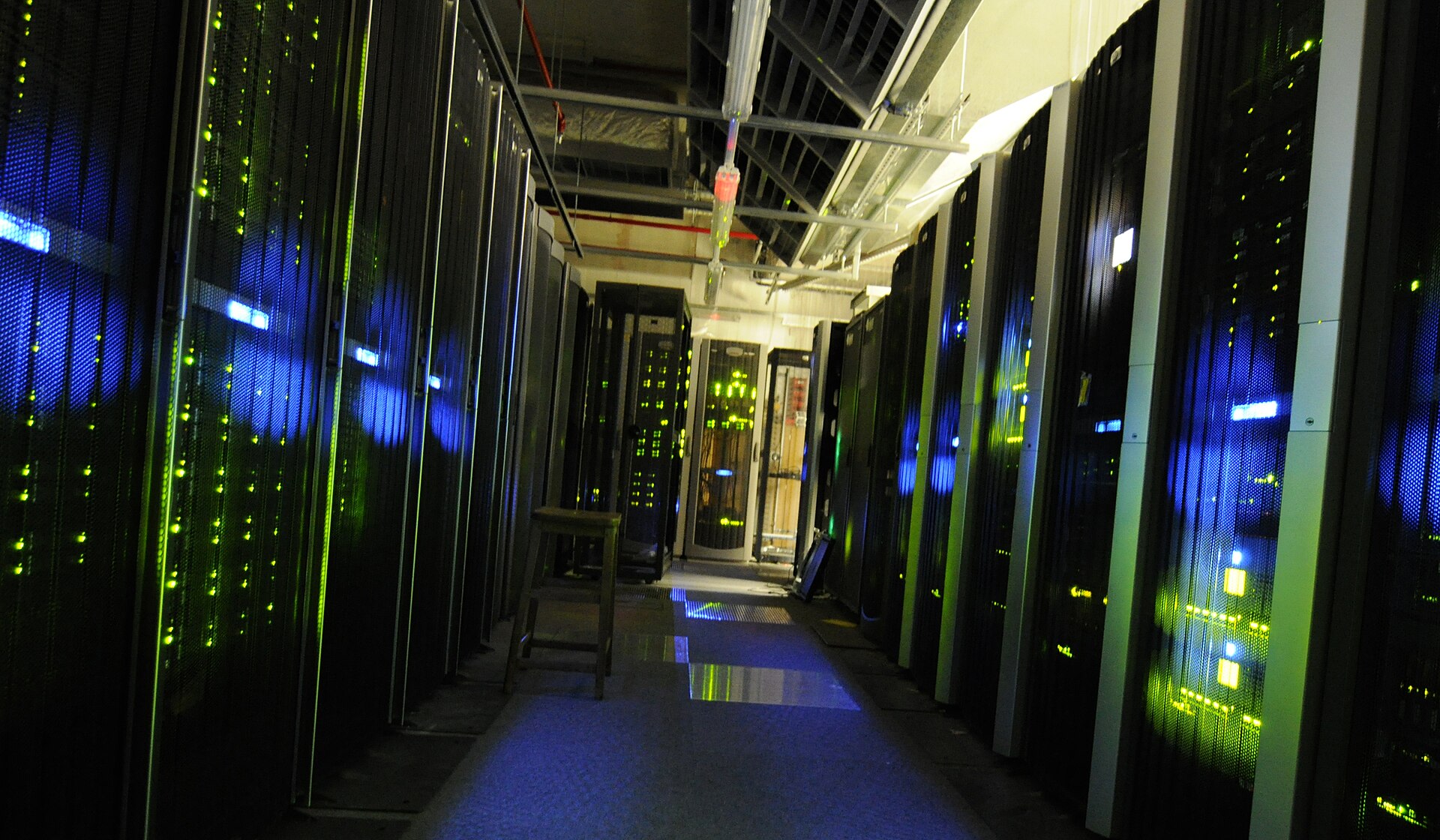
Climate tech companies raised $26.1 billion in venture capital in the first half of 2026, 55 per cent more than in the same period a year earlier and the strongest first half since 2022, according to the H1 2026 Climate Tech Investment and Innovation Report published by the finance tracker Currence on 21 September. Low-carbon data centre developers took 34 per cent of it.
Built Environment, the Currence category that holds those developers, rose more than 800 per cent year on year and displaced Energy as the largest vertical in the dataset. Grid technology had its best first half on record. The report landed during Climate Week in New York, where MIT Technology Review reported on 24 September that AI had taken over the agenda, and against the backdrop of a UN Environment Programme assessment published on 2 September concluding that warming will exceed 1.5C and that the remaining question is how briefly.
Two deals, a quarter of the money
The growth is concentrated to an unusual degree. Currence counted a 25 per cent fall in deal count, a five-year low, while the ten largest deals absorbed 42 per cent of all funding and Series C rounds took 40 per cent of the total, up from 16 per cent a year earlier. Two transactions did much of the work: DayOne's $4.5 billion Series C, which Currence calls the largest climate tech deal since 2020, and Nscale's $2 billion Series C. Both are data centre developers, and together they account for roughly a quarter of the half.
That is a market with more money in it and fewer companies receiving any. The distinction matters because concentration of this kind gets read as sector health when it is closer to the opposite. A half in which ten cheques carry 42 per cent of the total, and in which the median company finds it harder to raise than it did a year ago, is not a sector-wide recovery, even though the aggregate line moves the same way a recovery would.
What stopped getting funded
The same report shows where capital left. Currence describes fuels as still on pause and says carbon equity funding collapsed. Transportation rose 52 per cent. Climate Management, the monitoring and risk category, had its best first half since 2022, up 6 per cent, which Currence attributes to rising physical climate risk and cheaper satellite capacity pulling money toward measurement.
The pattern is legible. Technologies a data centre can buy are being financed. Technologies that only a carbon market or a fuel mandate can pay for are not. Clean firm power, grid equipment, cooling and power optimisation now have a creditworthy customer with a construction schedule attached. Direct air capture and low-carbon fuels have policy instead, and policy in the United States has moved against them.
Adaptation turns out to be investable
The largest deal outside energy and transport was ICEYE's $521 million for radar satellites. Currence frames that as adaptation arriving as a growth-stage asset class rather than a grant category, on the argument that physical climate risk has stopped being a forecast and become an observable, insurable loss. It is a real shift, and it is happening for the same reason the data centre deals are happening: somebody now has a bill they need to price.
The honest reading is that this is good for deployment and bad for the pipeline. Capital chasing an offtaker is how a technology crosses from pilot to commercial scale, and clean firm power is getting exactly that treatment, with a record half for clean power listings led by Fervo Energy and X-energy. As Parallax Nexus reported on 14 September, Fervo's 396 MW geothermal deal with Google was already showing how hyperscaler procurement decides which clean-firm projects get built. But the sectors being starved are the ones with the longest development timelines and the least near-term revenue, which is precisely the profile of what the 2030s will need.
The counter-argument is straightforward and partly right: a dollar into grid technology or geothermal is a decarbonisation dollar whatever motivated it, and the emissions arithmetic does not care who the buyer was. What is not known is how durable that demand is. Currence's own figures describe a half in which two deals set the tone, and a market that concentrated can turn just as quickly if data centre construction forecasts are revised down.
What happens next?
- Currence's second-half figures will show whether the data centre share of climate tech funding holds above 30 per cent or proves to be a two-deal artefact.
- Carbon removal and low-carbon fuel developers face a funding gap that only policy or corporate offtake can close, with COP31 in Antalya in November 2026 the next scheduled test.
- Watch whether clean power listings continue after Fervo Energy and X-energy, which would confirm that public markets have genuinely reopened for the sector.
Related topics
Sources & references
- 01Data centers drive a surge in climate tech funding — SemafornewsTim McDonnell, 21 September 2026
- 02AI is dominating the conversation at Climate Week — MIT Technology Reviewnews24 September 2026; source for the Climate Week framing and the UNEP overshoot assessment
- 03UNEP accepts the world will overshoot 1.5C and sets out what a return would take — WinssolutionsreportSummary of the UN Environment Programme Limiting Overshoot report published 2 September 2026
- 04H1'26 climate tech funding up 55% to $26bn, thanks to data centers — Currence (CTVC)reportPublisher's own summary of the H1 2026 Climate Tech Investment and Innovation Report, 21 September 2026
More from Climate

Seven of Nine Planetary Boundaries Now at Record Breach
The Planetary Health Check 2026, released by the Potsdam Institute for Climate Impact Research on 21 September 2026, finds seven of nine planetary boundaries transgressed and all seven at their highest recorded levels. Only ozone and aerosols improved over the decade. This year's report focuses on carbon sinks and novel entities.
Oceans, Not Air, Drove 84% of Polar Ice Loss Since 1979
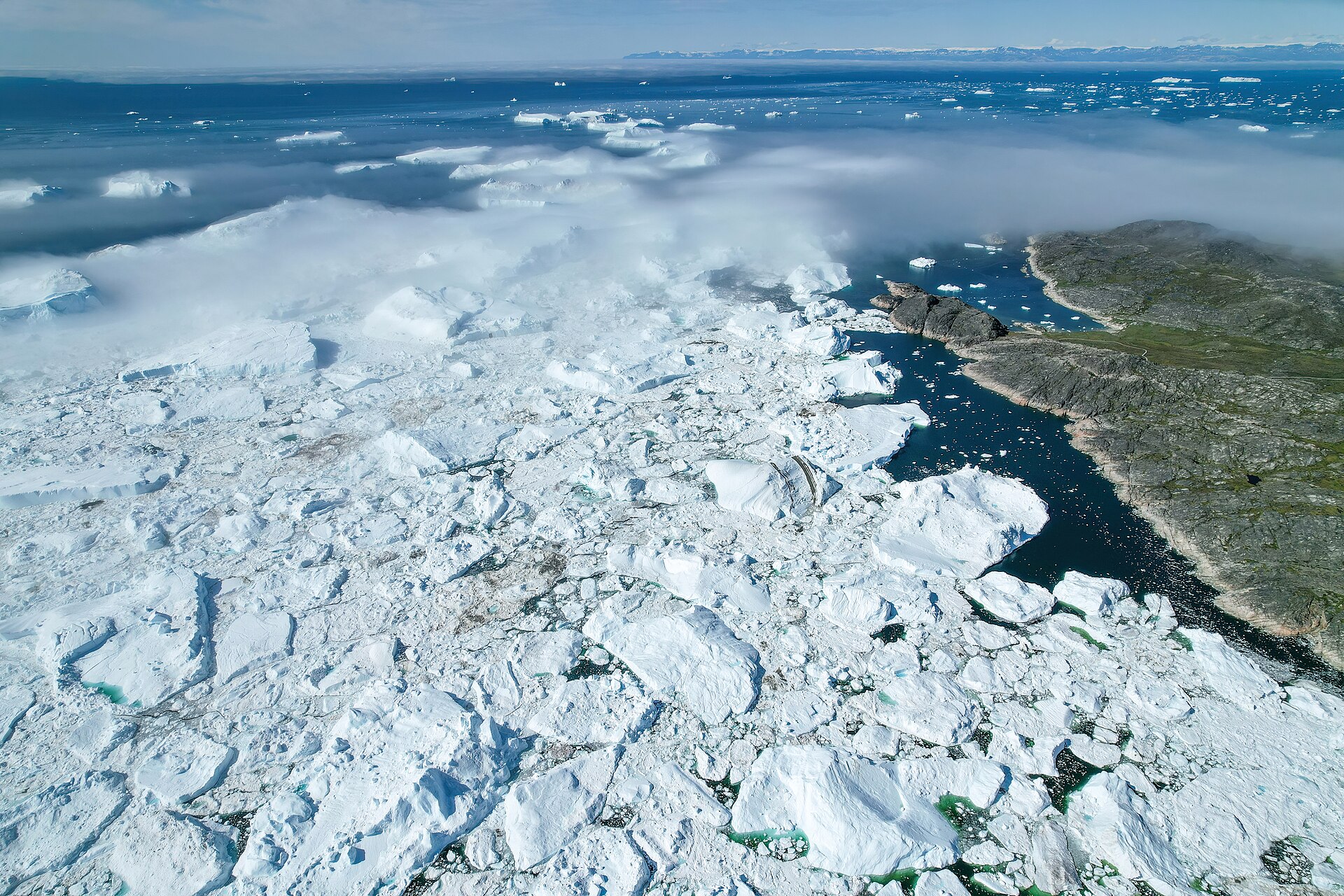
The IMBIE team’s dataset in Scientific Data, published on 16 September 2026, finds Greenland and Antarctica lost 11,309 billion tonnes of ice from 1979 to 2023, adding 31.4 mm to sea level, with 84% of the loss driven by faster glacier discharge into the ocean rather than surface melt.
The Weather Forecast Is Now an AI Model
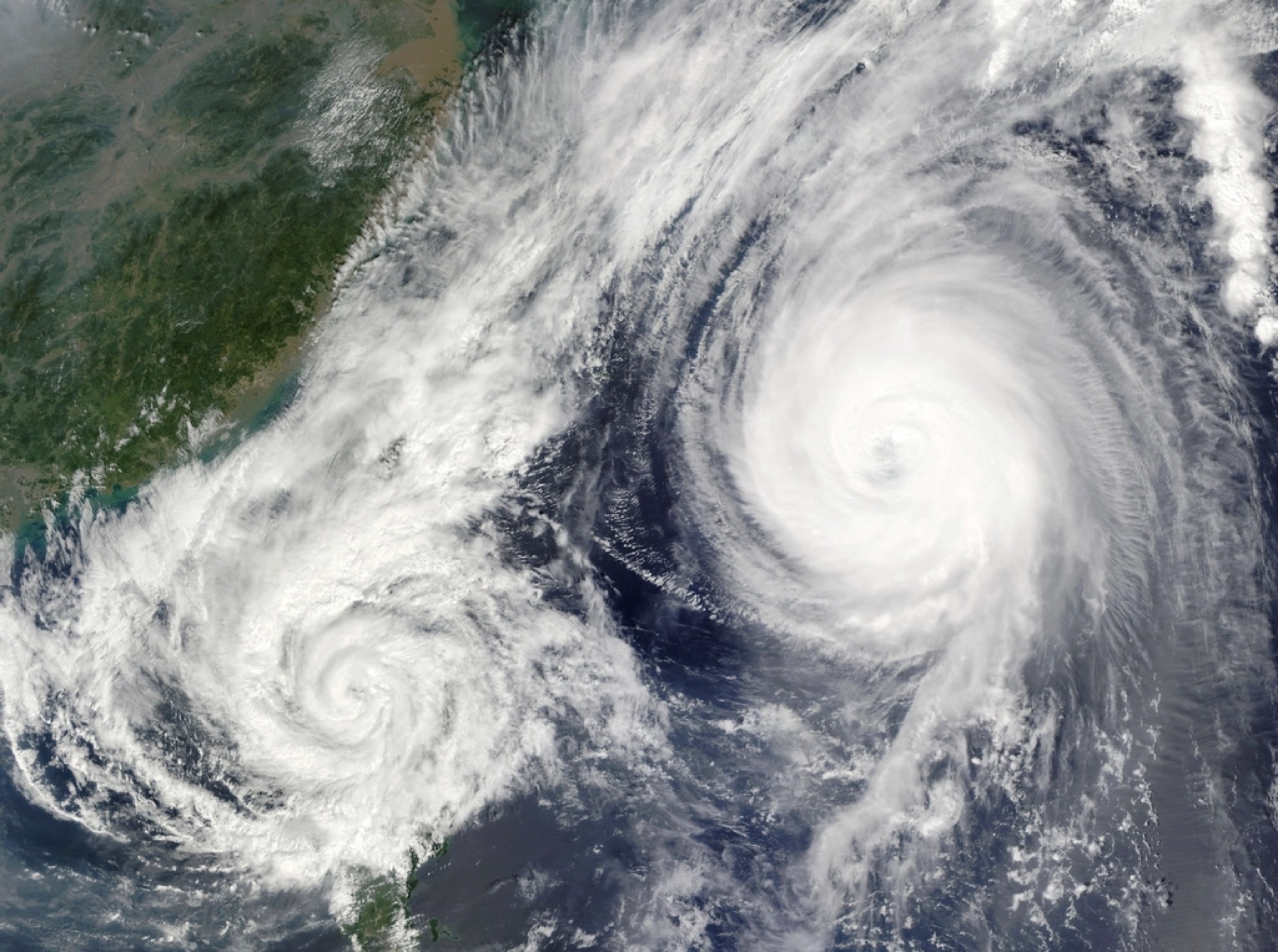
Released on 3 September 2026, WeatherNext 3 learns from live geostationary satellite feeds and station observations rather than physics-model output, forecasts at 5 km resolution hourly, and leads Brightband's Operational WeatherBench. Its new wind and solar variables target grid operators and renewables developers.