DOE Renews Indiana Coal Orders Days After a Court Struck One Down
Energy Secretary Chris Wright told NIPSCO, CenterPoint and MISO to keep units at the R.M. Schahfer and F.B. Culley stations available from 20 September to 18 December. The D.C. Circuit vacated a near-identical Michigan order on 11 September.
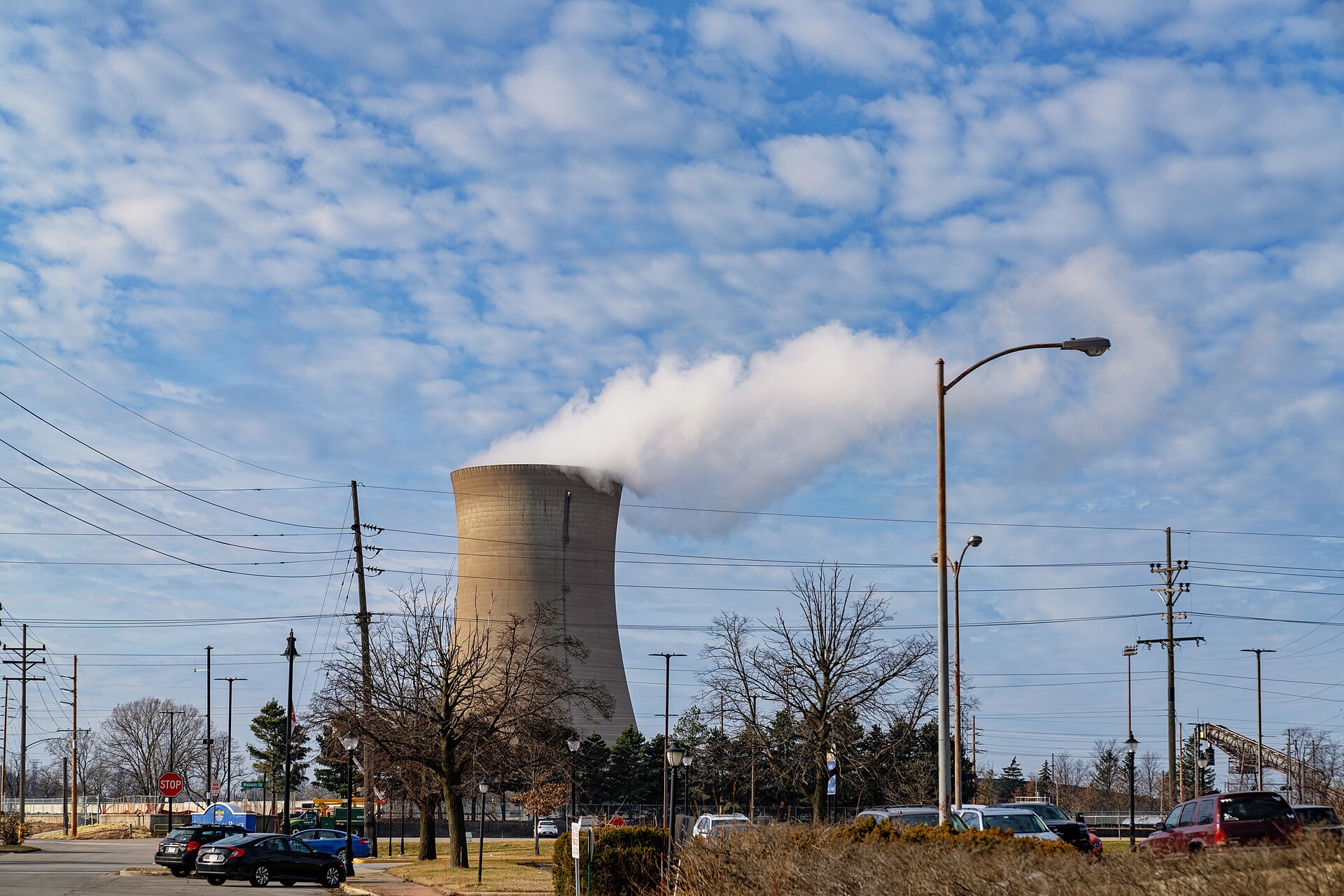
The US Department of Energy ordered Northern Indiana Public Service Company, CenterPoint Energy and the Midcontinent Independent System Operator on 19 September 2026 to keep coal units at the R.M. Schahfer and F.B. Culley generating stations in Indiana available to operate. The orders run from 20 September to 18 December 2026, the department said in its announcement. Units at both plants had been scheduled to shut at the end of 2025.
Eight days earlier, on 11 September, the US Court of Appeals for the District of Columbia Circuit vacated a Department of Energy order that had forced Consumers Energy to keep the J.H. Campbell coal plant running at West Olive, Michigan. The Michigan Department of Attorney General, which argued the challenge, said the court ruled the order an unlawful use of section 202(c) of the Federal Power Act. That is the same authority the new Indiana orders rest on.
Forcing reliable, dispatchable coal generation off the grid would compromise energy reliability and needlessly raises energy costs for Americans
Why the Indiana orders survived the ruling
They were never before that court. Attorney General Dana Nessel's office said on 11 September that it had filed six requests for rehearing with the department and five petitions for review with the D.C. Circuit, and that the ruling was the first decision on any of them. It reached the Campbell order only. NIPSCO said it was reviewing the decision and that its focus remains on serving customers safely and reliably while complying with applicable legal and regulatory requirements, the Indiana Capital Chronicle reported on 14 September. CenterPoint said the decision does not change the department's direction for the Culley 2 generating unit and that it will continue to comply. Neither utility said it would seek release.
this ruling proves what we have been saying all along: this administration does not get to invent fake emergencies to bypass the rule of law against the best interests of Michigan residents
What a year of orders has cost
Consumers Energy has reported $295 million in costs associated with the Campbell plant between May 2025 and 30 June 2026, and is seeking to recover them from electric customers across the north and central regions of MISO, the Michigan Attorney General's office said on 11 September. The retirement plan the order overrode had been expected to save Michigan ratepayers nearly $600 million. For Indiana, the only public estimate comes from the Sierra Club, which is opposing the orders and put the net daily cost at roughly $174,000 for Schahfer and $21,000 for Culley. The Federal Energy Regulatory Commission has not ruled on cost allocation, so there is no tested figure.
Availability is also not generation. Utility Dive, reading Energy Information Administration data in June 2026, found Schahfer running at a 17% capacity factor in the first quarter of 2026 against a 24% average for the same three months across the previous four years, and Culley Unit 2 at 14% against a prior average of nearly 22%. The department's announcement says the two plants have proved critical to MISO's operations during periods of high demand and low intermittent output, including Winter Storm Fern, and credits the administration with saving more than 17 gigawatts of coal generation from going offline in 2025. Both of those are the department's own claims.
The honest reading is that the department is buying an option on a cold winter and charging the premium to ratepayers, and that it has never had to price the option in the document that creates it. Its announcement points to a resource adequacy report and to the risk of outages, and publishes no reserve margin, no load forecast and no megawatt shortfall for MISO this winter. What the D.C. Circuit did not decide is whether Indiana's facts would clear the bar it set in Michigan's, because nobody has yet put them in front of it.
What happens next?
- FERC still has to decide who pays for the ordered availability, with at least ten state regulators having asked for stakeholder review.
- The Department of Energy can issue a fifth set of orders when these expire on 18 December 2026.
- A challenger could put the Indiana orders before the D.C. Circuit and test whether the Campbell reasoning carries across state lines.
- Whether either Schahfer unit actually generates this winter will show what the word available is buying.
Related topics
Sources & references
- 01Trump Administration Moves to Keep Indiana Coal Plants Operating to Support Grid Reliability — US Department of Energyprimary19 September 2026. Source of the order dates, the named parties, the Chris Wright quote and the 17 gigawatt claim.
- 02Federal Appeals Court Vacates First DOE Order Forcing Operation of J.H. Campbell Coal Plant — Michigan Department of Attorney Generalprimary11 September 2026. Source of the ruling, the Dana Nessel quote, the $295 million figure and the count of rehearing requests and petitions.
- 03Michigan wins coal plant case, but Indiana's plants still remain open under federal order — Indiana Capital Chroniclenews14 September 2026. Source of the NIPSCO and CenterPoint statements and the Sierra Club daily cost estimates.
- 04DOE's emergency orders keep coal plants online, but they are running less — Utility Divereport23 June 2026. Source of the capacity factor figures, read from Energy Information Administration data.
More from Energy
Ofgem Moves to Charge Batteries for Holding Grid Slots
Ofgem said on 17 September 2026 it is minded to approve CMP470, a code modification raised by developer Field Energy that would make battery projects post financial security of £3,000 to £25,000 per megawatt to keep a connection slot while the queue is oversubscribed.
Iowa Got a Nuclear Restart Loan and a Data-Centre Freeze in the Same Week
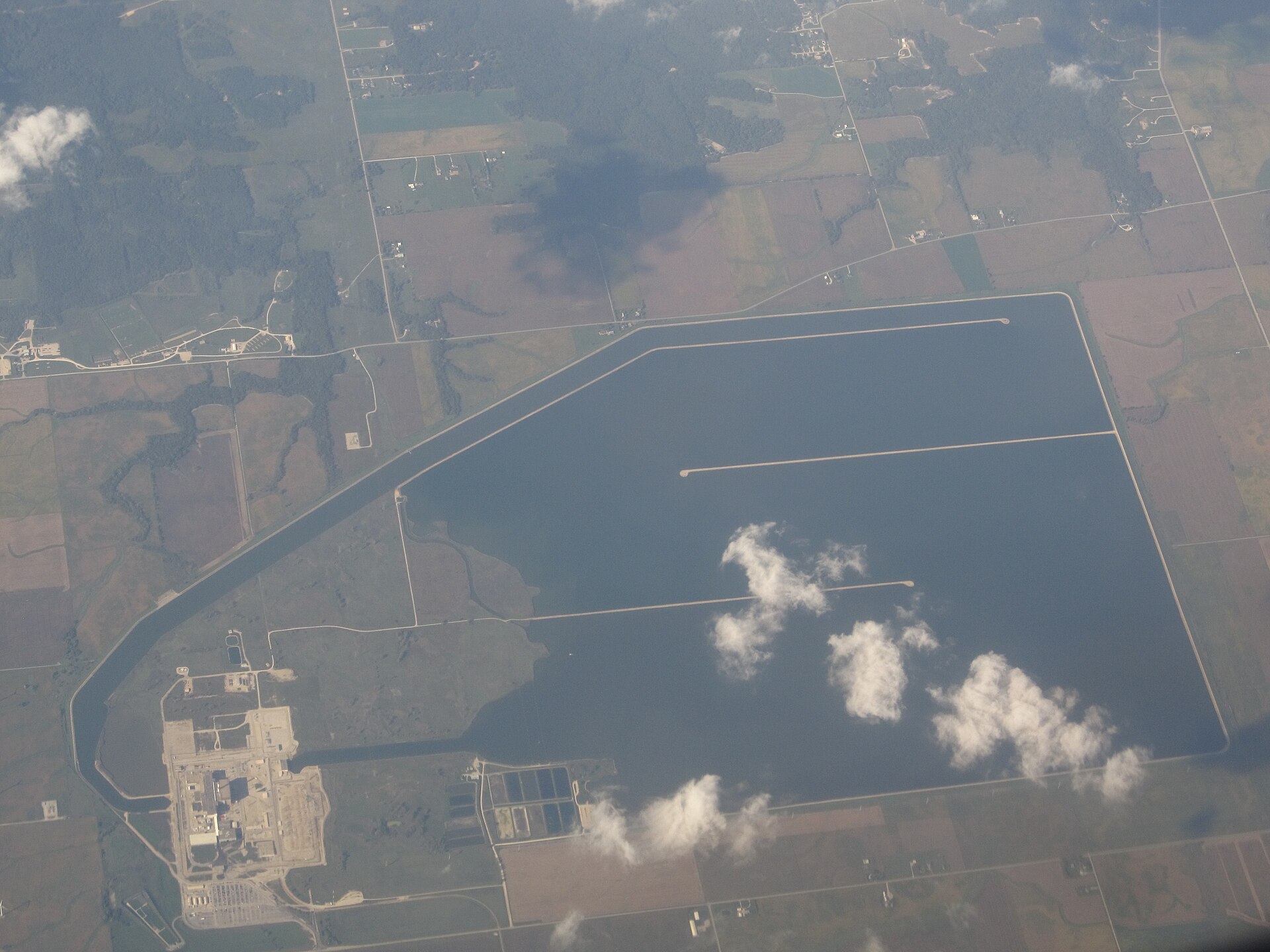
On 8 September 2026 the US Department of Energy's Office of Energy Dominance Financing announced financial close on a loan of up to $1.9 billion to NextEra Energy for the restart of Iowa's only nuclear plant, targeted for the first quarter of 2029 and backed by a 25-year power agreement with Google. The same day, Waterloo's city council approved a 90-day moratorium on new data centres, joining a growing list of Iowa communities pausing projects.
Record Power Demand, Even After Texas Hit Pause
EIA's September Short-Term Energy Outlook projects US generation rising 2.2% to a record 4,368 billion kWh in 2026 and a further 1.7% in 2027, with the West South Central region the largest contributor despite the Texas pause. EIA cut its 2027 Texas load-growth forecast from 14% to 6% after Governor Abbott ordered an audit of every data centre in ERCOT's queue.
The Largest US Grid Wants to Switch Off Data Centres First
PJM Interconnection, which serves 67 million people, filed an Interim Resource Adequacy Service with FERC on 13 August 2026 that would direct new data centres to their own back-up generation when supply runs short, alongside a large-load registry and a backstop procurement to cover a 6,831 MW shortfall. The independent market monitor has protested both filings.