Perseverance Finds Three Water Episodes in Jezero's Margin Rocks
A study published on 21 September shows the carbonate band orbiters linked to Jezero's ancient lake sits in igneous rock that groundwater, lake water and hot fluids altered in turn.
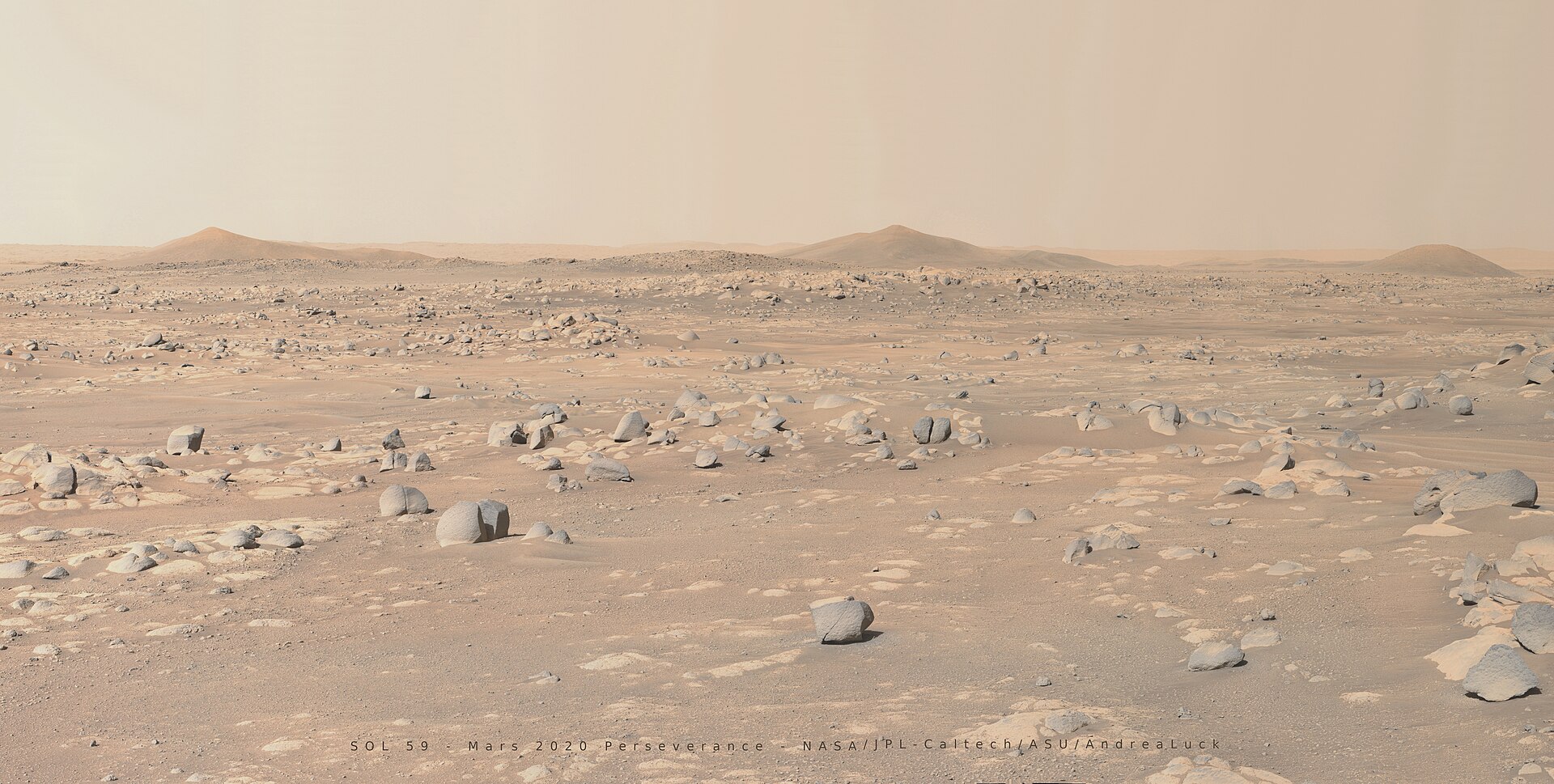
Rocks at the inner edge of Mars' Jezero Crater interacted with water on at least three separate occasions, according to a study using NASA Perseverance rover data published on 21 September 2026 in Communications Earth & Environment. The finding recasts one of the most prominent carbonate deposits seen from orbit. Scientists had assumed its carbonate formed in the ancient lake that once filled the crater. The rover found igneous rock altered first by groundwater.
The area, called the Margin Unit, hugs the inside of the crater rim along the old shoreline. Perseverance reached it in September 2023. Because Mars orbiters had detected strong carbonate signals there, and carbonates on Earth often form in shallow lakes and seas that can support life, the team expected layered sedimentary rock of the kind that preserves microbial traces well. It found rock that had formed from magma instead.
A laser survey over 265 metres of height
The results come from SuperCam, the instrument on the rover's mast, which fires a laser at targets up to 6.5 metres away and reads the chemistry of the resulting plasma. NASA says Perseverance analysed more than 185 bedrock targets across the unit, covering about 265 metres of elevation. Higher up, the rock was coarse-grained olivine, a magnesium and iron mineral that grew large crystals as magma cooled slowly deep underground, with almost no sign that water had touched it. It reached the surface only after the ground above eroded away. Lower down, on the old lakebed, the olivine grains were fractured, with silica between them.
Groundwater, then the lake, then heat
The first episode came from carbon dioxide-rich groundwater reacting with the olivine, leaving ridges of carbonate that filled fractures in the bedrock at low elevations. Those fills now stand proud as the softer rock around them wears away. The second episode may be tied to the lake. "Turning olivine into carbonate can leave silica behind, and we see more of that silica in rocks that sat below the water line," said Eleni Ravanis, a planetary scientist at the University of Hawaii at Manoa and a co-author.
The last event left mineral veins about 25 centimetres thick at one location in the eastern part of the unit, containing calcium sulfate and fluorite. Fluorite typically forms when hot water circulates through volcanic rock, so the veins point to a later, heated groundwater event. "Now we know that this location became a sort of crossroads for aqueous systems," said Candice Bedford, a research scientist at Purdue University and the study's lead author.
Why olivine chemistry matters for the search for life
The interest is not only geological. On Earth, water reacting with olivine can release hydrogen, which some microbes use as food, and leaves behind carbonate and silica, minerals that can lock in traces of microbial life. Bedford said that Jezero sits inside one of the largest exposures of carbonate on Mars, "so what we learn here reaches well beyond this crater."
The clearest lesson is about orbital data. A carbonate signal from orbit was read as a lake signature, and on the ground it turned out to be mostly a groundwater one. "It is very rare that things are as we expect them to be from orbital data," Bedford said. That should make mission planners more cautious about choosing landing sites on orbital mineral maps alone, because the same spectral fingerprint can come from very different environments with different chances of having hosted life.
There are limits. The team can set the order of the three water episodes but not their ages, so it cannot say how long water persisted or whether conditions were ever habitable at the same time. SuperCam measures chemistry remotely, and the study makes no claim of biosignatures. Laboratory analysis of rock samples on Earth would be needed to test those questions directly.
What happens next?
- The Perseverance team will use the Margin Unit sequence to reconstruct how water moved through Jezero's rim and floor over time.
- Planetary scientists are likely to revisit other carbonate exposures mapped from orbit in light of the groundwater explanation.
- Dating the three water episodes would require laboratory analysis of returned samples, which no mission has yet delivered.
Related topics
Sources & references
- 01NASA Discovery Reveals Complex Water Systems on Early Mars — NASA Jet Propulsion LaboratoryprimaryRelease 2026-062, 21 September 2026
- 02Margin Unit study, Communications Earth & Environment — Springer NatureresearchPeer-reviewed paper, published 21 September 2026; lead author Candice Bedford
- 03Mars 2020: Perseverance Rover — NASA ScienceprimaryMission background, accessed 22 September 2026
More from Science

Maynooth’s DNA Computer Reaches Its Answer by Cooling Down
Maynooth University researchers published a Scaffolded DNA Computer in Nature on 16 September 2026. It ran ten programs, including addition of 25-bit numbers, by making the correct output the energetically favoured state. Small sums take seconds; the largest took up to 14 hours.
AI Is Now Designing the Experiments, Not Just Analysing Them
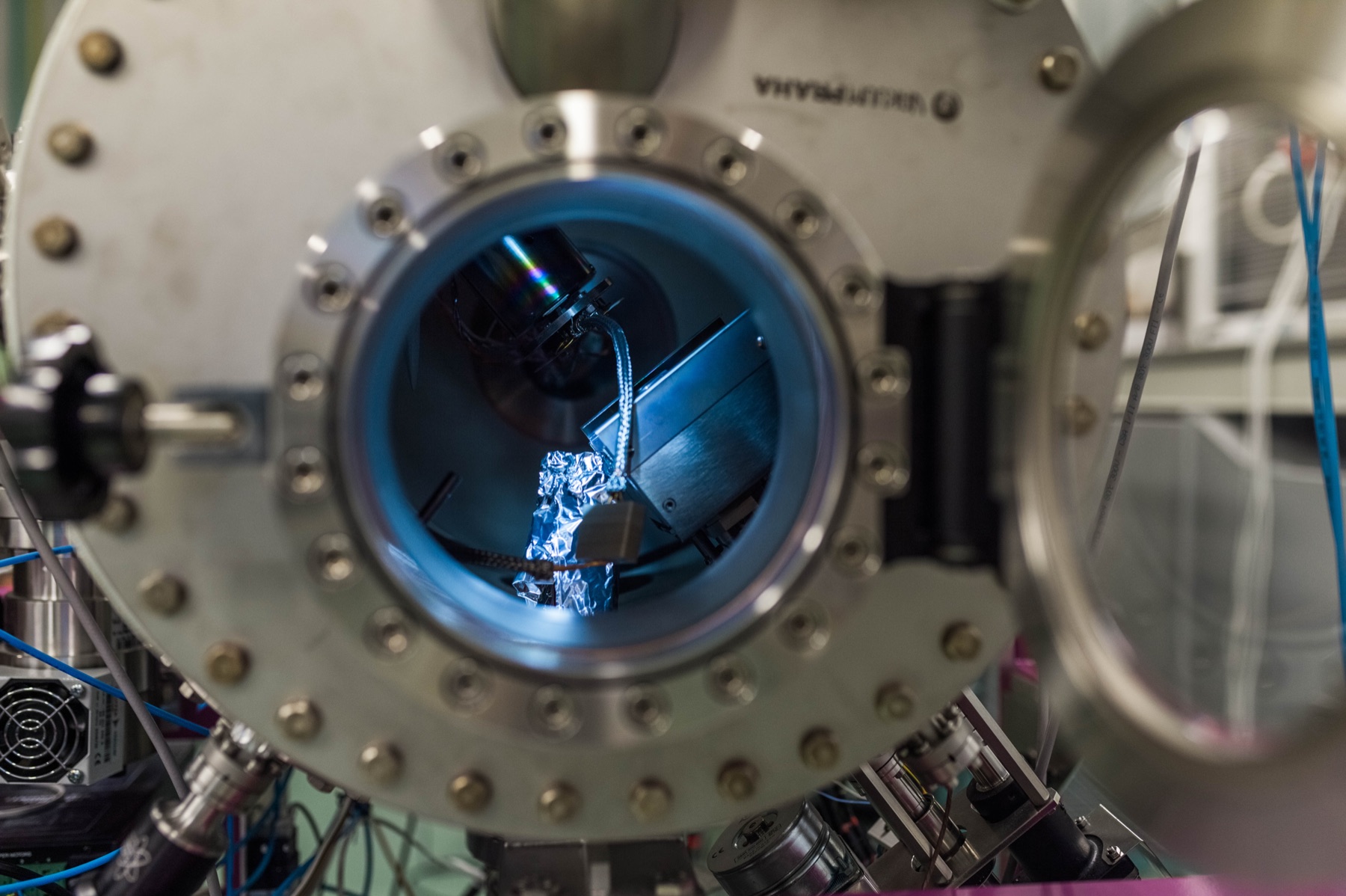
Published on 2 September 2026, 'Designing physics experiments with artificial intelligence' consolidates several years of results in which algorithms search vast spaces of hardware configurations and propose new layouts rather than tuning parameters. The lineage runs from automated quantum-optics design to a 2025 study that found gravitational-wave detector designs with potentially more than tenfold sensitivity gains.
The AI-Designed Drug That Turned Back Six Clocks
A Nature Biotechnology paper published on 7 September 2026 ran six proteomic ageing clocks inside a randomised phase 2a trial of rentosertib for idiopathic pulmonary fibrosis and found reductions in predicted biological age, most consistently at week four in the 30 mg twice-daily arm. Phase III dosing began the same week.
Quantum Computing: A Reality Check
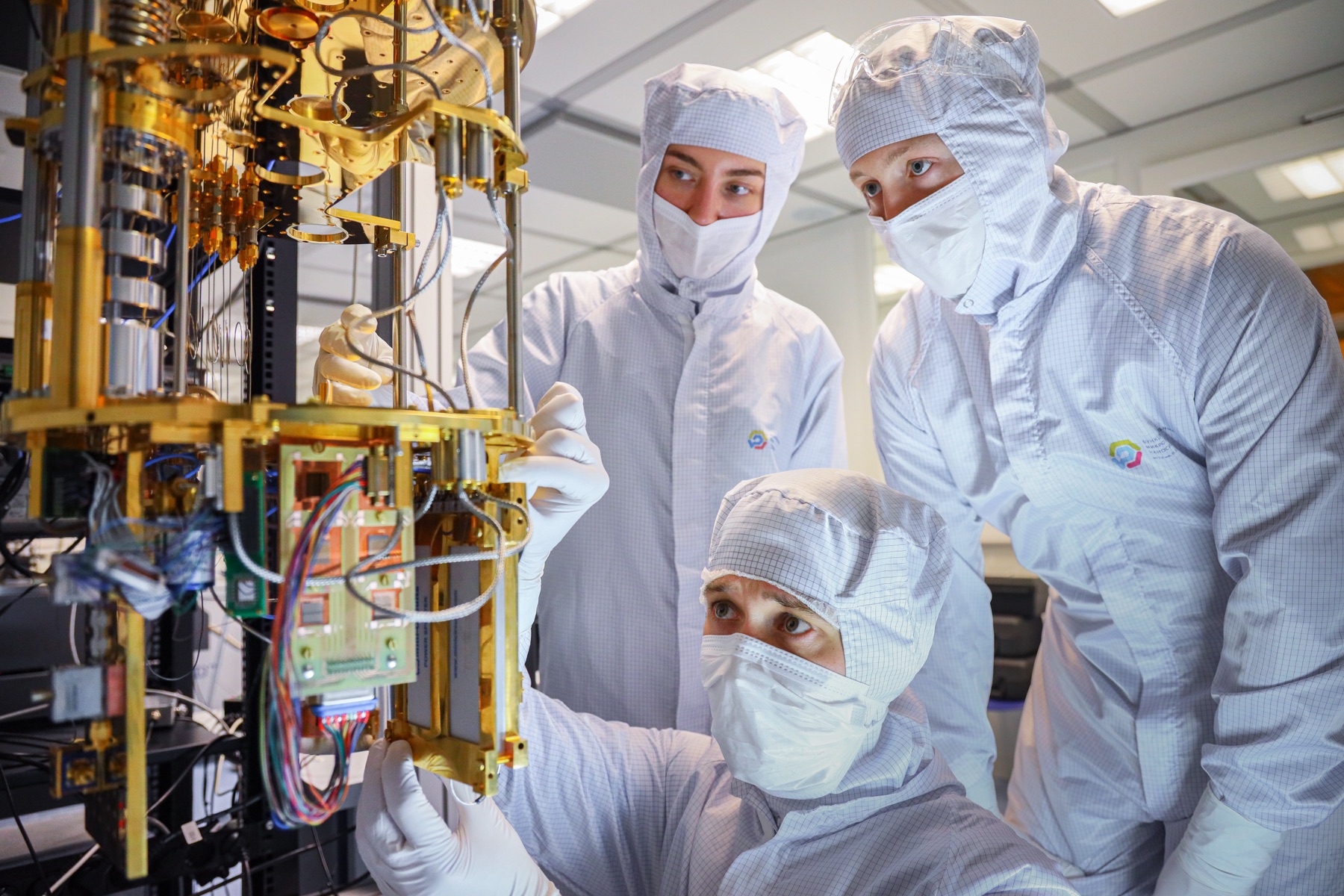
What has actually been demonstrated in quantum computing, what has not, and why post-quantum migration is the practical priority regardless of hardware timelines.