TOP500 Adds Just 27 New Systems, the Fewest on Record
The 68th TOP500 list, published at SC26 in Chicago on 16 November 2026, left the top ten unchanged since June and kept China's LineShine first at 2.198 exaflops. Only 27 systems were new, 5.4 per cent of the list, which the organisers attribute to hardware going into AI clusters instead.
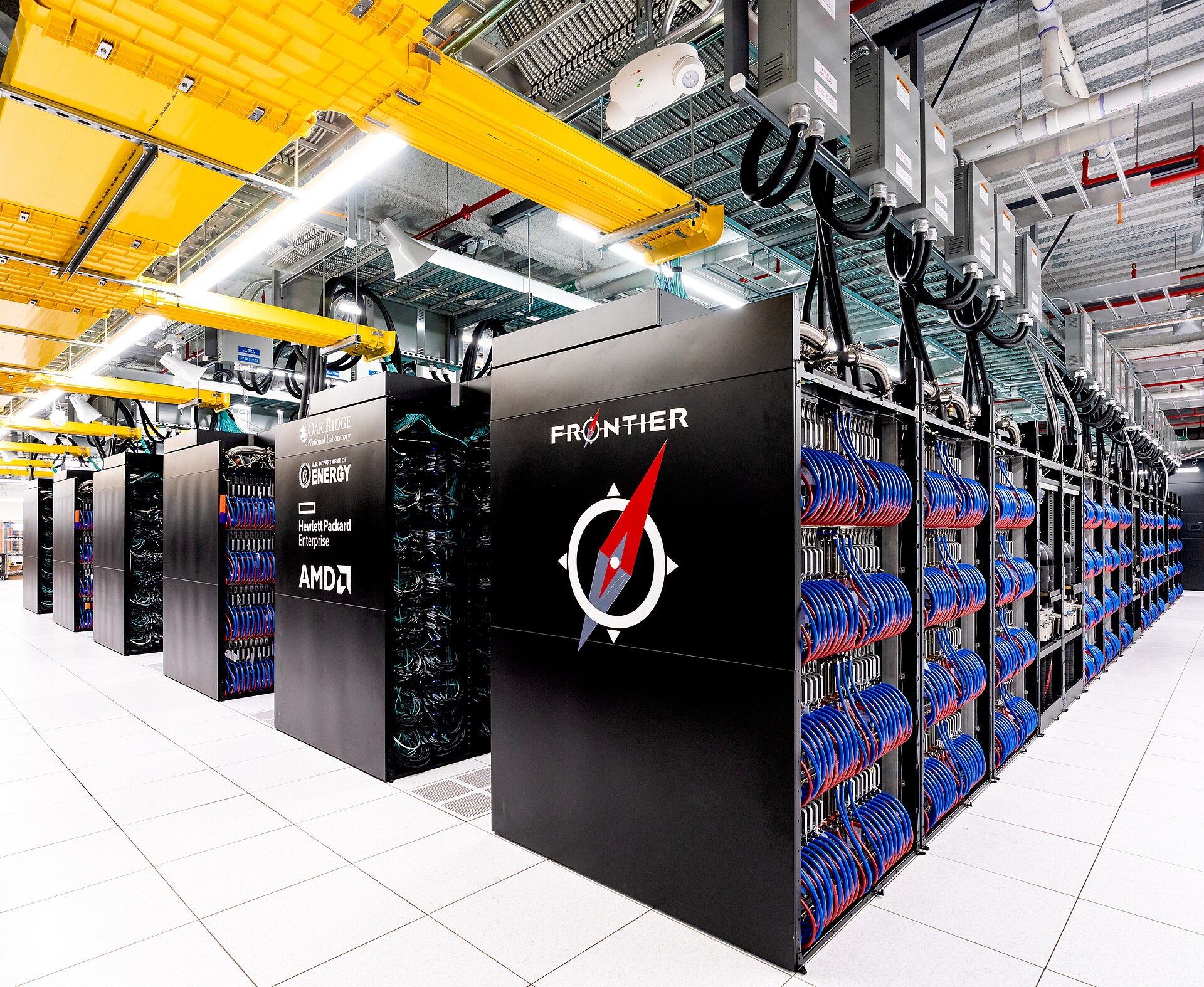
Twenty-seven systems entered the 68th edition of the TOP500, published at the SC26 conference in Chicago on 16 November 2026. That is 5.4 per cent of the ranking and, according to the TOP500 organisation, the lowest level of new-system turnover in the list's history. The top ten did not move at all since June. The last machine on the new list sat at position 473 on the previous one.
The ranking is not short of performance. It is short of new installations at research computing centres, and the organisers say they know where the hardware went.
A CPU-only machine still leads
LineShine, installed at the National Supercomputing Centre in Shenzhen and built by Shenzhen Cloud Computing Center, held first place at 2.198 exaflops on the High Performance Linpack benchmark. It uses the custom LingKun platform with 304-core LX2 processors at 1.55GHz, the proprietary LingQi interconnect and Kylin OS, reaching 13,789,440 cores without a single accelerator. It also leads the High Performance Conjugate Gradient ranking at 22.00 petaflops, a result that reflects memory bandwidth rather than raw arithmetic. It is the first China-based system to lead the list since Sunway TaihuLight in 2017, and no other large Chinese system was reported to the list.
| Rank | System | Site | Rmax (PFlop/s) | Power (kW) |
|---|---|---|---|---|
| 1 | LineShine | National Supercomputing Centre in Shenzhen, China | 2,198.40 | 42,220 |
| 2 | El Capitan | DOE/NNSA Lawrence Livermore National Laboratory, US | 1,809.00 | 29,685 |
| 3 | Frontier | DOE Oak Ridge National Laboratory, US | 1,353.00 | 24,607 |
| 4 | Aurora | DOE Argonne National Laboratory, US | 1,012.00 | 38,698 |
| 5 | JUPITER Booster | EuroHPC and Jülich Supercomputing Centre, Germany | 1,000.00 | 15,794 |
Those five are the only machines on the list that reach an exaflop. The United States holds 163 of the 500 systems and China 18, seventh among countries and regions, Xinhua reported from the announcement.
Where the new hardware went
The organisers were explicit that low turnover is not stagnation in capability, and were equally explicit about the cause.
This is the lowest level of new-system turnover in the history of the list and is well below the normal movement between semiannual editions.
The result, the organisation added, does not indicate that performance has stopped growing; rather, a larger share of improvement is coming from additions and upgrades below the very top rather than from wholesale replacement of leading installations. To explain where the rest of the industry's capacity has gone, the organisers cited an estimate from Epoch AI that five US hyperscalers owned 71 per cent of global AI compute capacity as of the end of 2025, and wrote that growth has shifted towards AI factories and from capability systems to capacity systems. That is a third-party estimate quoted by the list's authors, not a TOP500 measurement.
The aggregates support the reading that growth is now incremental. Combined Linpack performance across all 500 systems reached 19.70 exaflops, up from 18.73 exaflops six months earlier, a rise of about 5 per cent. The entry level moved up to 2.87 petaflops. Accelerators now appear in 294 systems, up from 276 in June, with 110 using Nvidia Hopper parts, 61 Nvidia Ampere and 34 AMD Instinct. Intel still supplies processors for 50.20 per cent of the list, down from 53.20 per cent, while AMD is in 199 systems, or 39.80 per cent.
Two benchmarks, two different machines
LineShine's lead comes with a precision caveat that matters for science workloads. The list records its Linpack result at 2,198.40 petaflops for 42,220 kW, which works out at about 52 gigaflops per watt, against the 60.94 gigaflops per watt TOP500 reports for El Capitan. On HPL-MxP, the mixed-precision benchmark used as a proxy for AI-style arithmetic, El Capitan led at 16.7 exaflops ahead of Aurora at 11.6 and Frontier at 11.4, Network World reported from the November results. A machine with no accelerators gains comparatively little when it drops below 64-bit arithmetic, which is exactly the arithmetic most AI training uses.
The judgment worth stating plainly is that the TOP500 is becoming a poorer census of the world's computing capacity while remaining a good census of one thing: the double-precision machines that public science still depends on. On that narrower measure, the signal is a procurement pause at national laboratories, not a plateau in silicon.
The strongest counter-argument is that the list only contains systems whose owners choose to submit a Linpack result. Large commercial AI clusters are generally not submitted, so their absence is partly a reporting decision rather than a measurement of where compute sits. Nor does the list say whether the 27 new entries reflect delayed procurements that will land in June 2027 or a durable reallocation of budgets, and the Green500 top ten also held its June order, with France's KAIROS first at 73.28 gigaflops per watt.
What happens next?
- TOP500 authors including Jack Dongarra and Erich Strohmaier presented further detail on the November list in a session at SC26 on 17 November 2026.
- The ACM Gordon Bell Prize, whose finalists include a project running on LineShine, is announced on 19 November 2026 at SC26.
- The 69th list is due at the ISC conference in June 2027, when any change at the top would most plausibly come from a large AI cluster whose operator chooses to run Linpack.
Related topics
Sources & references
- 01November 2026 TOP500 list — TOP500.orgprimaryPublished 16 November 2026; source for LineShine's configuration and the top ten results
- 02Highlights - November 2026 — TOP500.orgprimarySource for aggregate performance of 19.70 exaflops, the 2.87 petaflop entry level, accelerator counts and processor shares
- 03No Change at the Top of TOP500; LineShine Still No. 1 — HPCwirenewsPublished 16 November 2026; source for the verbatim statement by the TOP500 organisation on turnover
- 04China's LineShine tops US systems in supercomputer ranking — Network WorldnewsSource for HPL-MxP results, the Green500 ordering and the Epoch AI citation by the organisers
- 05Chinese supercomputer LineShine retains top spot in latest TOP500 ranking — XinhuanewsPublished 17 November 2026; source for country system counts
More from Science
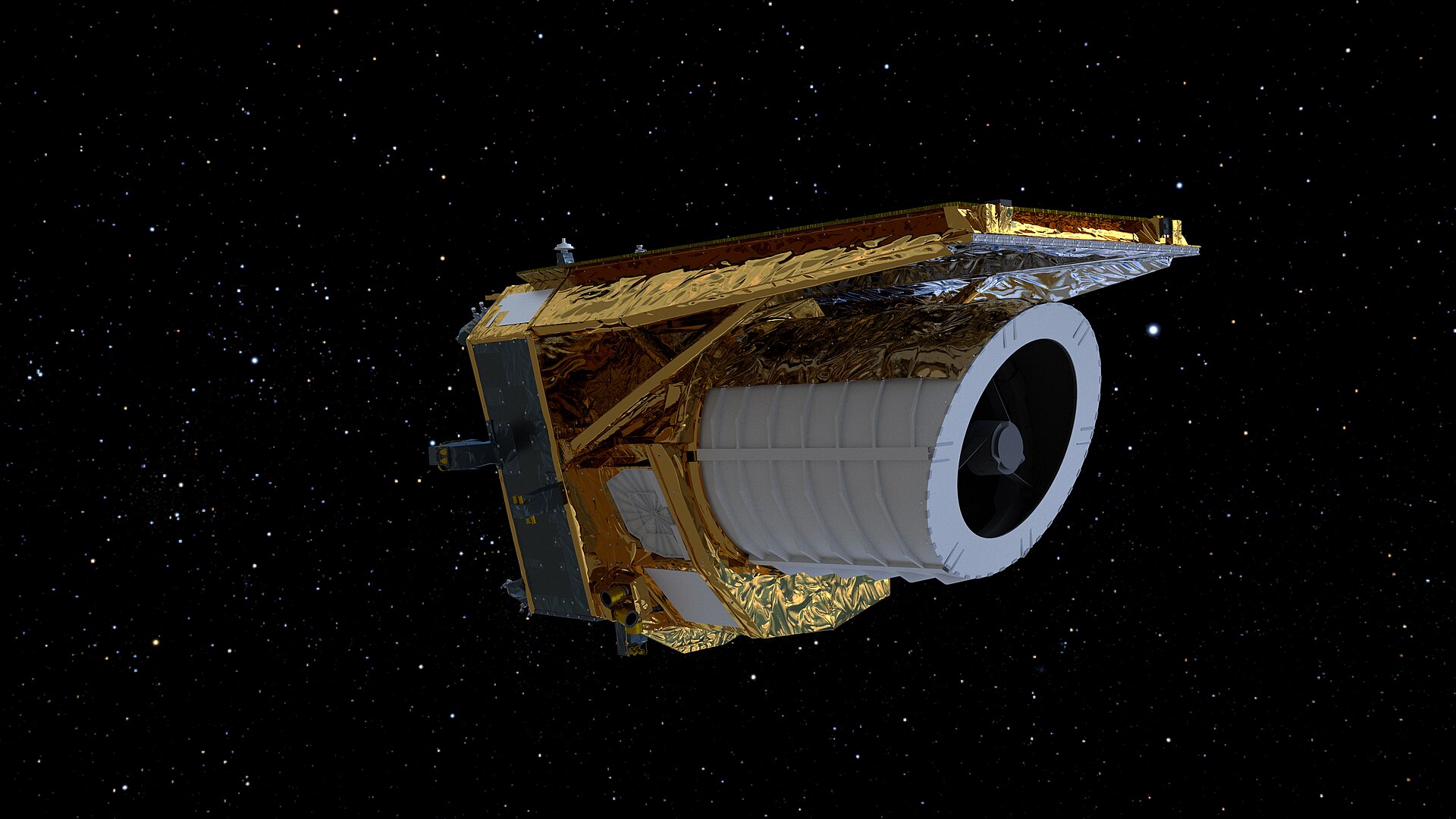
Euclid Publishes 900 Million Galaxies From 13 Months of Sky
ESA released the first major batch of Euclid data on 12 November 2026: about 1.7 petabytes drawn from 13 months of observations, with more than 900 million galaxies, around 15,000 strong lensing candidates and spectra from more than 160 million sources. The weak lensing and clustering products that carry the cosmology are not in it.
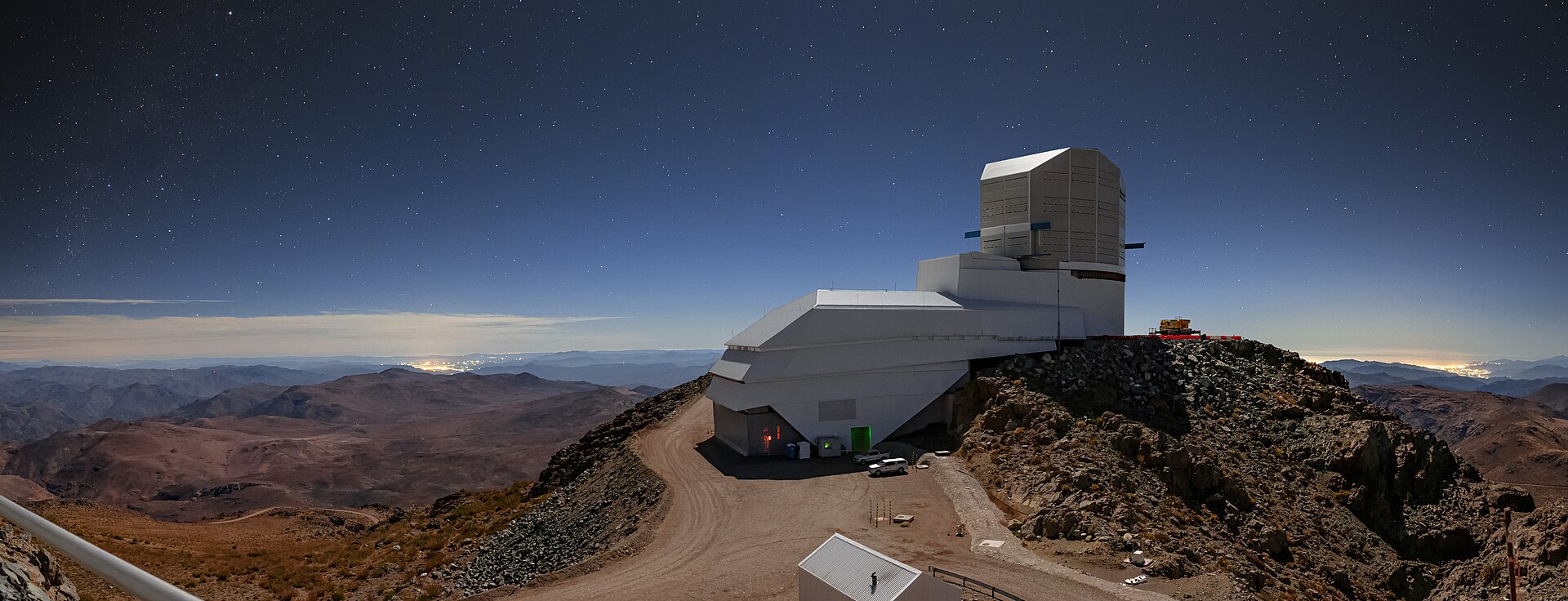
Rubin Finds Two Milky Way Satellites in 7% of the Sky
The Vera C. Rubin Observatory's Early Data Preview 2 covered roughly 7 per cent of the night sky and yielded two previously unknown companions of the Milky Way, described in a research note and a peer-reviewed letter published in late October 2026.
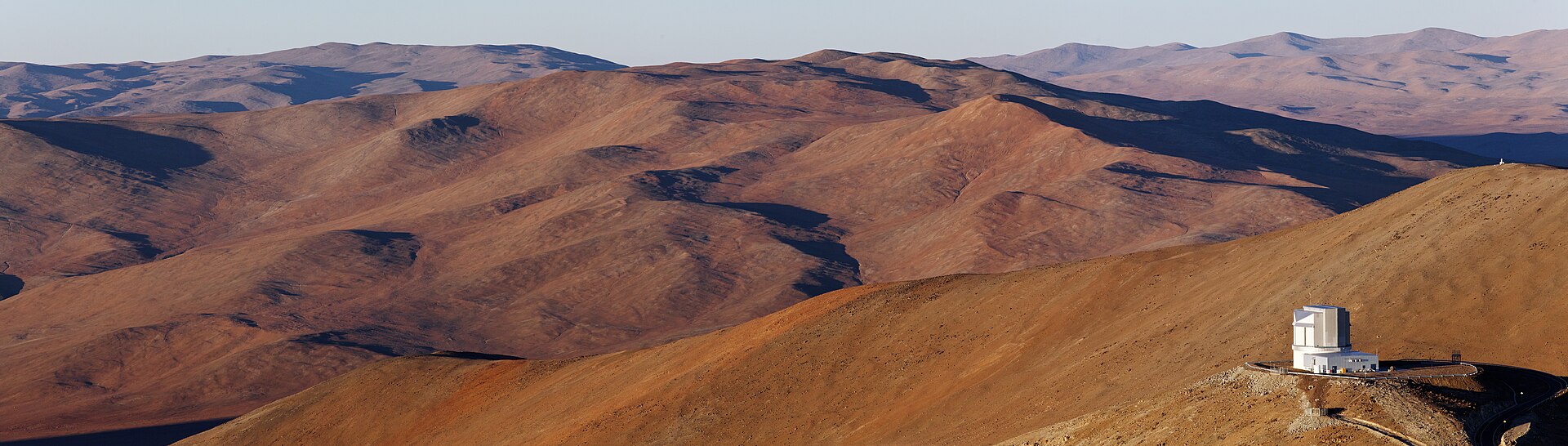
A Milky Way Star Cluster Now Dated to 13.4 Billion Years
The new figure would place the cluster's stars roughly 400 million years after the Big Bang. It comes with the most precise distance yet reported for VVV CL001, and it contradicts an earlier age for the same object by 1.3 billion years.
48 New Alzheimer's Risk Loci Found in 2.8 Million People
A genome-wide association study published in Nature on 29 October 2026 identified 127 genomic regions linked to Alzheimer's disease, 48 of them new, from a sample of nearly 2.8 million people. The authors also report a threefold rise in estimated common-variant heritability, driven mainly by how they handle APOE.