Euclid Publishes 900 Million Galaxies From 13 Months of Sky
The DR1-Foundation release covers 1,900 square degrees, about 14 per cent of the area Euclid will eventually survey. The measurement the mission was built to make is held back until mid-2027.
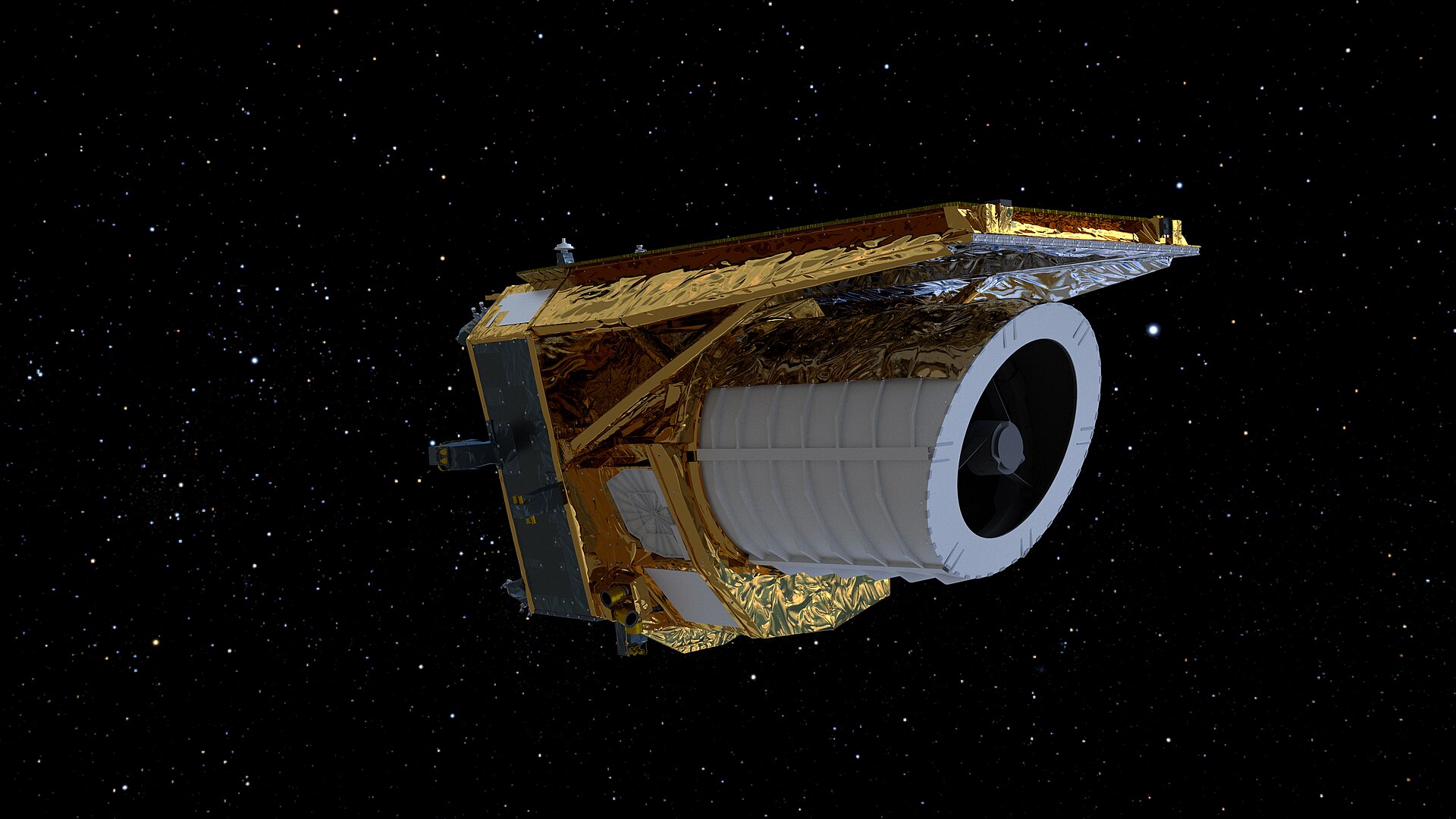
The European Space Agency released catalogues and images covering more than 900 million galaxies on 12 November 2026, the first major batch of data from its Euclid space telescope. The release, named DR1-Foundation, draws on about 13 months of observations and spans 1,900 square degrees of sky, an area ESA describes as the size of 9,500 full Moons.
Alongside the galaxies, ESA says the release holds around 15,000 strong gravitational lensing candidates, more than 60 million quasar candidates and spectra from more than 160 million sources. It runs to roughly 1.7 petabytes and rests on about 10,000 science images from Euclid's two instruments: the visible-light camera VIS and the Near-Infrared Spectrometer and Photometer. The Euclid Consortium said on the same day that 24 technical papers describing the telescope and its processing, plus eight science analysis papers, went up on arXiv.
Thirty times the first taste
Euclid's first quick release, on 19 March 2025, covered 63 square degrees and represented a few days of observations. DR1-Foundation is about thirty times that area. It is still a fraction of the mission's ambition: the Euclid Wide Survey is planned to reach at least 14,000 square degrees, close to a third of the whole sky, across six years.
| Release | Sky area (square degrees) | Status |
|---|---|---|
| Quick Release 1 | 63 | Published 19 March 2025 |
| DR1-Foundation | 1,900 | Published 12 November 2026 |
| Euclid Wide Survey | at least 14,000 | Planned, six-year survey |
These are far more than beautiful pictures; today marks a scientific milestone in our study of the cosmos.
What the lenses are for
A DR1 catalogue paper led by Natalie Lines, a PhD student at the University of Portsmouth, reports 15,072 high-confidence strong lens candidates across the released area: 6,073 graded as sure lenses and 8,999 as probable ones. The paper notes that this single survey's high-confidence sample exceeds the total number of strong lenses discovered to date. Strong lensing matters here because it lets astronomers weigh individual galaxies including their invisible dark matter, which is the slower route to the same question Euclid's main survey asks.
Over 10 years ago, we forecast that Euclid would revolutionise the field of strong lens discovery. That day is finally here.
The cosmology is not in this release
What DR1-Foundation does not contain is the measurement Euclid was built to make. The shear products that encode weak gravitational lensing, along with galaxy clustering statistics and galaxy cluster catalogues, are held back for the full Data Release 1 in mid-2027. Without them there is no official Euclid result on dark energy or dark matter, and the classifications in the published catalogues are provisional pipeline output rather than confirmed identifications. The validation campaigns needed to control systematic errors at the per cent level are still running.
Mat Page of UCL's Mullard Space Science Laboratory, who leads the VIS instrument, said the images "are amazingly sharp, and with images covering nearly 2,000 square degrees this data release is a gold mine for astronomical discovery". The honest reading is that this is an instrument and pipeline validation release presented as a discovery release, and that is not a complaint. Proving the camera and the processing chain over 1,900 square degrees is the harder half of the work, and it is the half that decides whether the 2027 cosmology is believable.
How many of the 15,000 lens candidates survive follow-up is not yet known. The largest planned spectroscopic programme, 4SLSLS, begins in late 2026 and will measure deflector and source redshift pairs for 10,000 lenses, which is what will eventually fix the true positive rate for the graded samples.
What happens next?
- The full Data Release 1, adding weak lensing shear, galaxy clustering statistics and cluster catalogues, is expected in mid-2027.
- Spectroscopic follow-up under the 4SLSLS programme, starting late 2026, will test how many of the graded lens candidates are real.
- Euclid continues observing towards the planned 14,000 square degrees of the Wide Survey.
Sources & references
- 01Euclid lays the foundation for its best ever 3D map of the Universe — European Space AgencyprimaryRelease of 12 November 2026, carrying the Mundell quote and the headline figures.
- 02Euclid lays foundation for best-ever 3D map of the Universe — UCL Newsprimary12 November 2026 release from the institution that led the VIS camera; source of the Page and Lines quotes.
- 03Euclid Data Release 1 (DR1): strong lens candidate catalogue — arXivresearchLines et al., November 2026; reports 15,072 high-confidence candidates and about 900 million detected sources.
- 04Euclid's Wide and Deep Surveys (DR1-Foundation) — European Space AgencyprimaryESA media entry dated 12 November 2026 describing the released survey areas.
- 05The Euclid space telescope captures nearly a billion celestial objects in stunning detail — Scientific Americannews13 November 2026 account of the release.
More from Science
48 New Alzheimer's Risk Loci Found in 2.8 Million People
A genome-wide association study published in Nature on 29 October 2026 identified 127 genomic regions linked to Alzheimer's disease, 48 of them new, from a sample of nearly 2.8 million people. The authors also report a threefold rise in estimated common-variant heritability, driven mainly by how they handle APOE.
OpenAI Says Its Models Disproved the Exponential Time Hypothesis
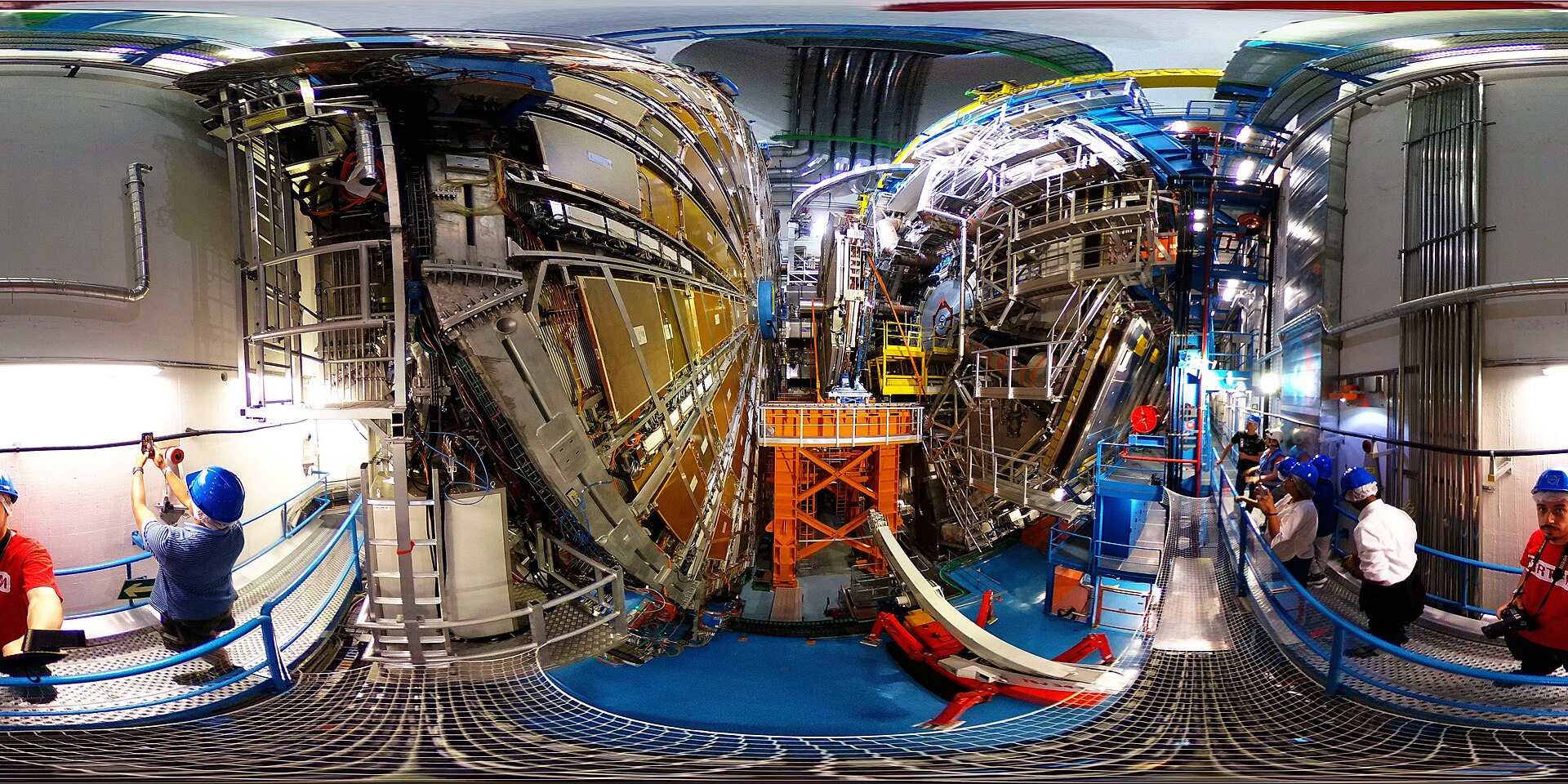
OpenAI announced on 26 October 2026 that its internal models produced a disproof of the Exponential Time Hypothesis, a proof of the local smoothing conjecture in every dimension, and an existence proof for quantum chromodynamics. It is handing verification to unpaid external groups rather than to journals.
mRNA Melanoma Vaccine Cuts Recurrence Risk by 42%
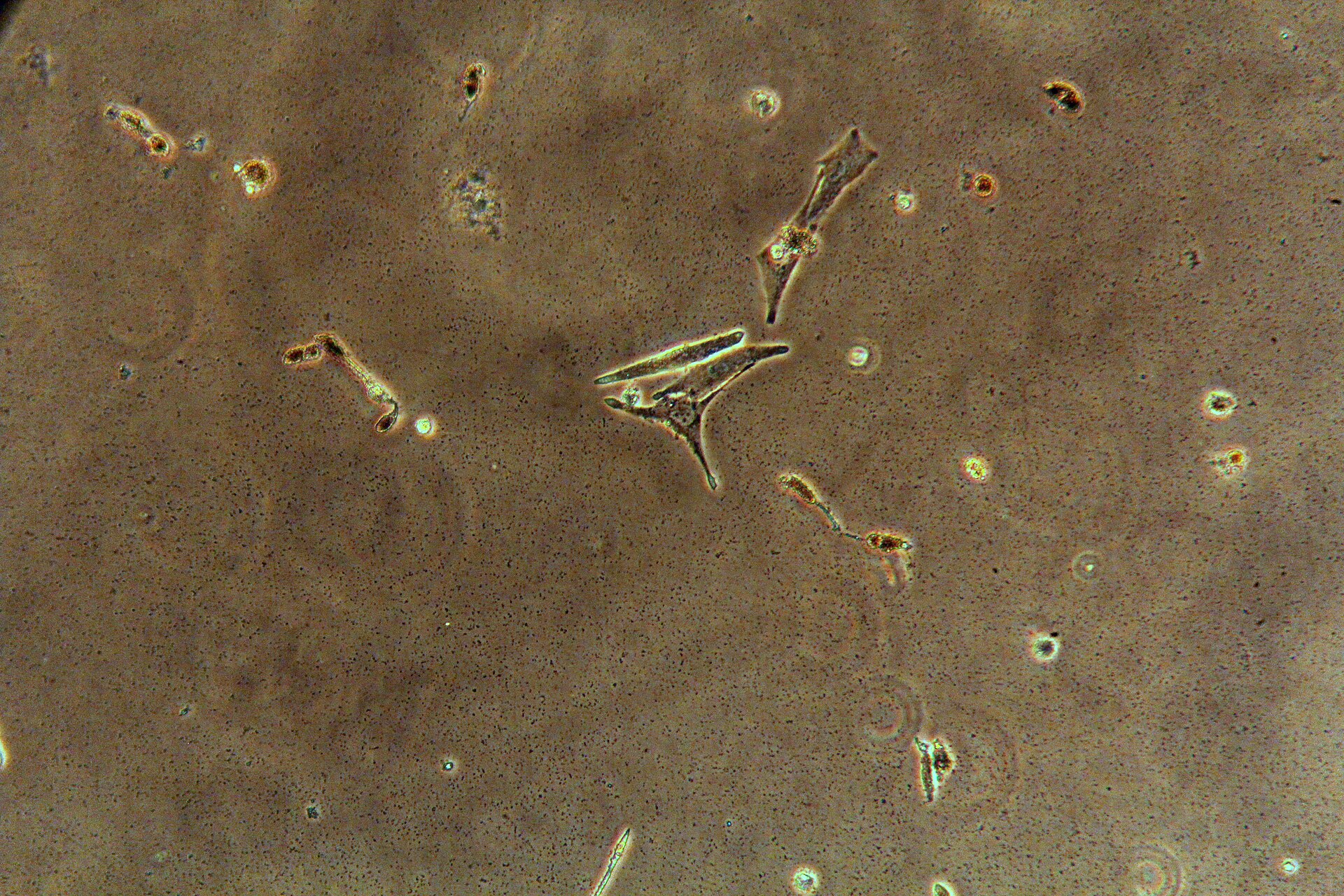
Merck and Moderna reported a hazard ratio of 0.58 for recurrence-free survival in more than 1,100 patients with completely resected stage IIB to IV melanoma, the first phase 3 evidence that a vaccine built from each patient's own tumour mutations adds to a checkpoint inhibitor.
MMX Is on Its Way to Phobos With a 10-Gram Target
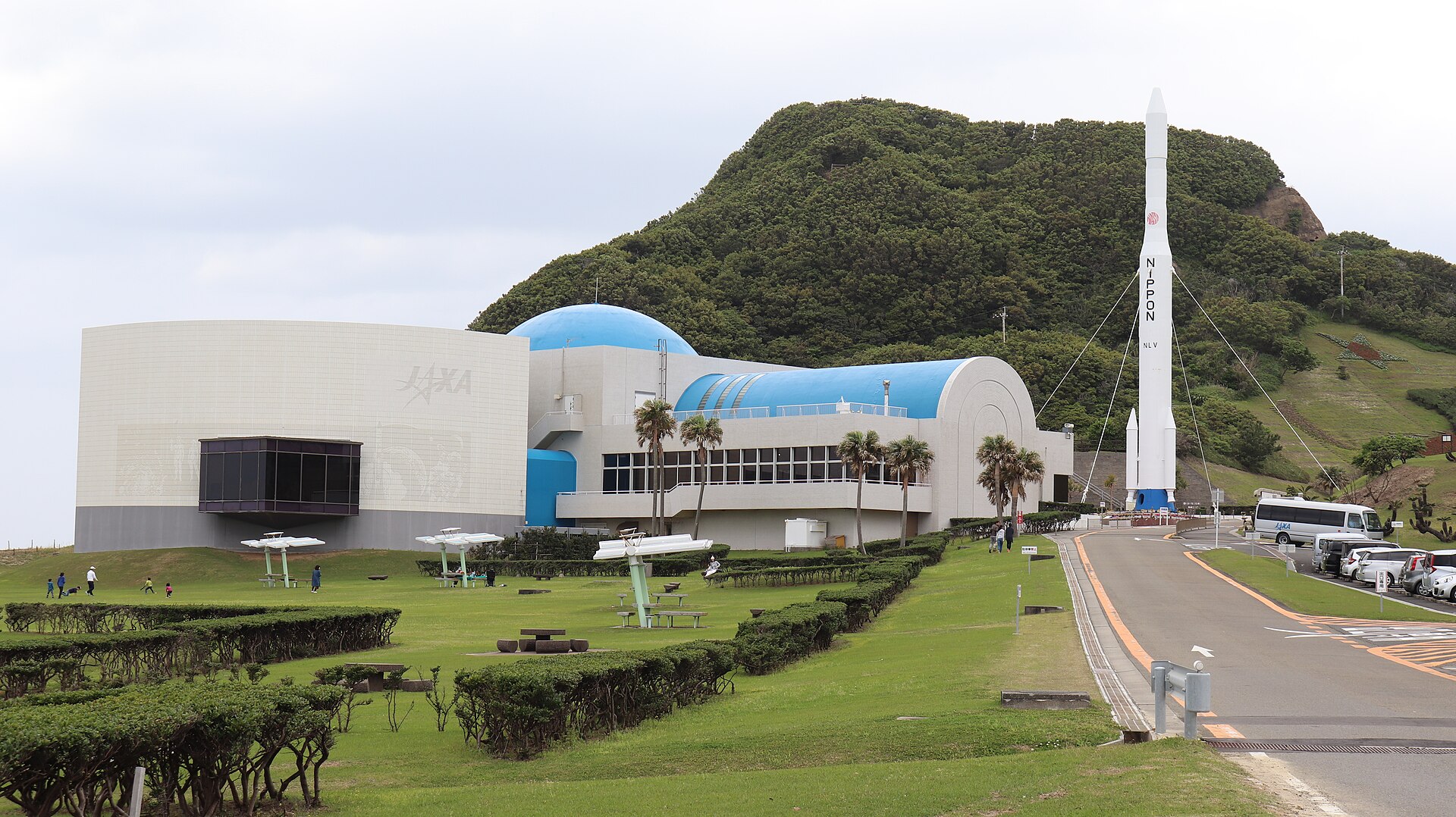
MMX separated from H3 flight No.10 about 71 minutes after liftoff from Tanegashima. If the five-year plan holds, it will collect at least 10 grams of regolith from the Martian moon Phobos and drop a capsule in Australia in 2031.