Trump Threatens a Tremendous Tax on Data Centres Built Abroad
The president told reporters at the White House on 20 November 2026 that US companies putting AI data centres in other countries would face a tax, then said he had not yet told his own staff. Congress, not the president, sets federal taxes.
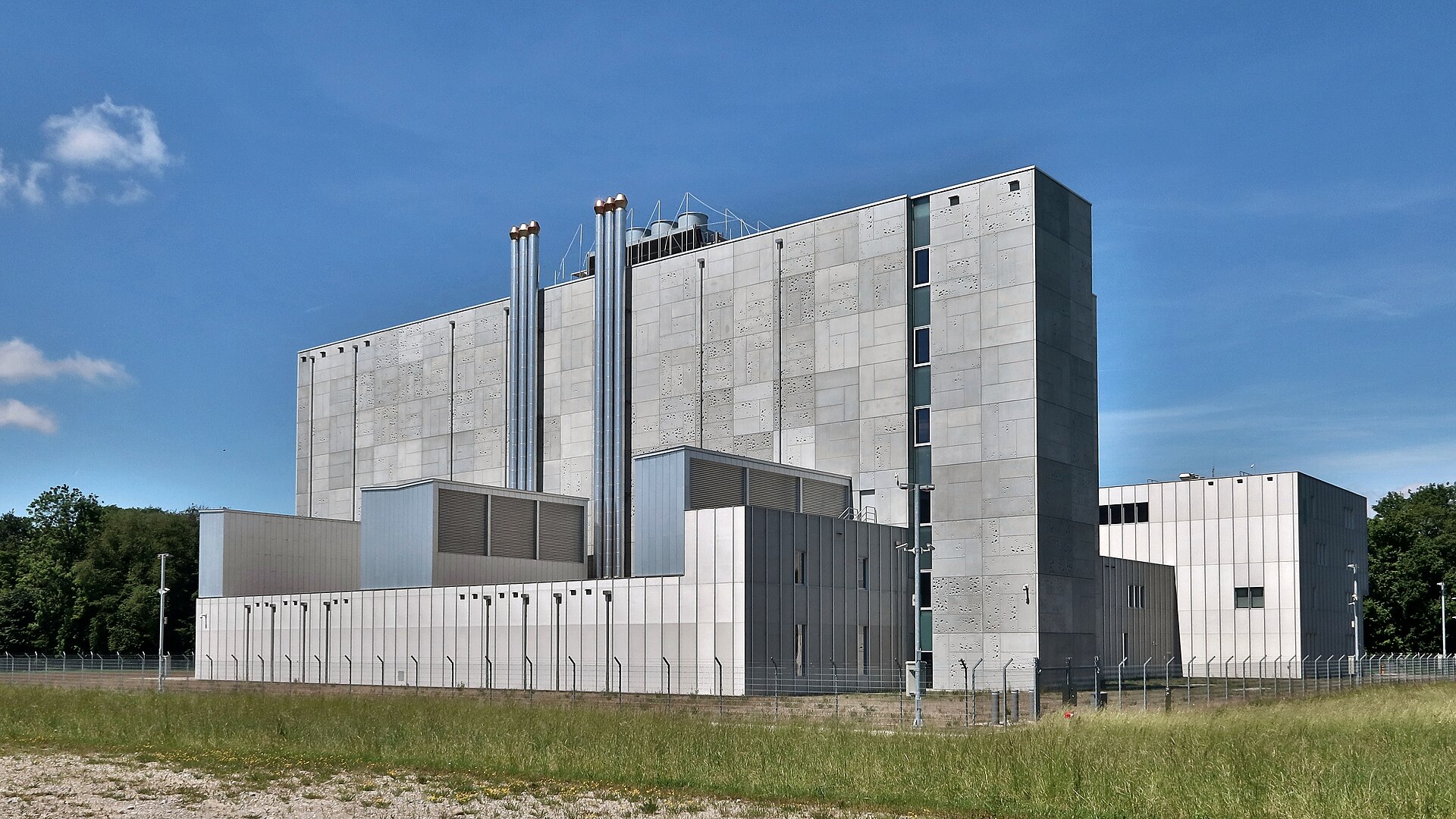
Donald Trump threatened a tax on American companies that build artificial intelligence data centres outside the United States, briefing reporters at the White House on 20 November 2026 shortly after returning from a trip to Asia. The Associated Press reported the remarks, which came with no mechanism attached and which the president said he had not yet discussed with his own officials.
We're not going to allow companies to build data centers in other countries. If they do that, they can. But we're going to put a tremendous tax on them.
He said the United States was ahead of China in developing what he calls super intelligence but could fall behind if political opposition slowed the data centre buildout, and he contrasted the push with the offshoring of advanced chip production, which he said had been "very destructive to our country". AP reported that he had not told his staff about the proposal and that it was not immediately clear how it would be enforced. The constitutional difficulty is plain: Congress levies federal taxes, and from January it will be a Congress in which Democrats hold large majorities in both chambers.
Three-quarters of voters wanted one nowhere near them
The threat lands less than three weeks after voter concern about data centres contributed to heavy Republican losses in the midterm elections, on AP's reading. About three-quarters of US voters in this year's election said they opposed the construction of a new data centre in their community, according to the AP Voter Poll. A summer survey by the Associated Press-NORC Center for Public Affairs Research and the Energy Policy Institute at the University of Chicago found about six in ten Americans supported limiting how many new data centres can be built, including majorities of both parties, and a majority were extremely or very concerned about their effect on electricity prices or local water supply.
Trump's answer to that was negotiation rather than restriction. He suggested communities extract more from developers, listing tax breaks, reduced utility bills, money for teachers and direct payments to residents as things that could be on the table. "Make the deal," he said. "They have plenty of money. Take it."
The administration's export policy moved the other way the day before. As Parallax Nexus reported on 20 November, an interim final rule published on 19 November rescinded the AI Diffusion Rule and instead requires a licence before advanced chips reach any data centre giving listed Chinese and Macau companies more than 12 million aggregate TPP of compute. One licenses where rented compute may sit abroad; the other would tax building abroad at all.
What the Senate did on Thursday
The concrete action came from Capitol Hill, not the briefing room. On 19 November the Republican-led Senate approved bipartisan legislation to speed up permitting reviews for power plants, transmission lines and other energy infrastructure, AP reported. The bill would shorten the timeline to begin large energy projects and would require data centres to pay for the energy they consume and for upgrades to the wider transmission network. It now goes to the House. Trump praised it, saying it was "going to cause tremendous amounts of new building".
The economics he is appealing to
Economists at UBS project that the largest technology firms will spend as much as $1.8 trillion next year developing AI, most of it on data centres, and the buildout has lifted wages for skilled construction trades, particularly electricians. The offset is that most of what fills a data centre, semiconductors above all, is imported, cancelling much of the domestic gain. Industry officials also told AP that cloud computing, not AI, remains the dominant use of US data centres, which complicates the framing of the buildout as a race against Beijing.
The honest reading is that this was a statement of preference rather than a policy. A president who has not briefed his staff, cannot name an instrument and faces an incoming opposition Congress has announced an intention. Against that, Trump has shown before that tariff threats move corporate siting decisions well ahead of any statute, and Google and Meta have already told AP they are offering host communities more transparency and more money.
What happens next?
- The Senate permitting bill passed on 19 November 2026 now goes to the House of Representatives.
- Any tax on overseas data centre construction would require legislation from a Congress in which Democrats hold majorities in both chambers from January.
- The White House has not said which agency would design or enforce the proposed penalty.
- Google and Meta have said they will offer host communities more transparency and larger financial packages.
Related topics
Sources & references
- 01Trump seeks to penalize US companies that build AI data centers abroad, even as they face backlash — Associated PressnewsAP wire copy of 20 November 2026; source of all verbatim quotes, the AP Voter Poll and AP-NORC/EPIC survey figures, the UBS projection and the Senate permitting detail.
- 02Trump says US to penalize firms building data centers abroad — ReutersnewsWire confirmation of the 20 November 2026 remarks.
- 03Trump Threatens to Tax Firms Building Data Centers Abroad — Bloomberg TaxnewsIndependent transcription of the same quotation from the White House briefing.
- 04Trump threatens tax on US companies building data centers overseas — Axiosnews20 November 2026; notes the constitutional question over congressional taxing authority.
More from Technology
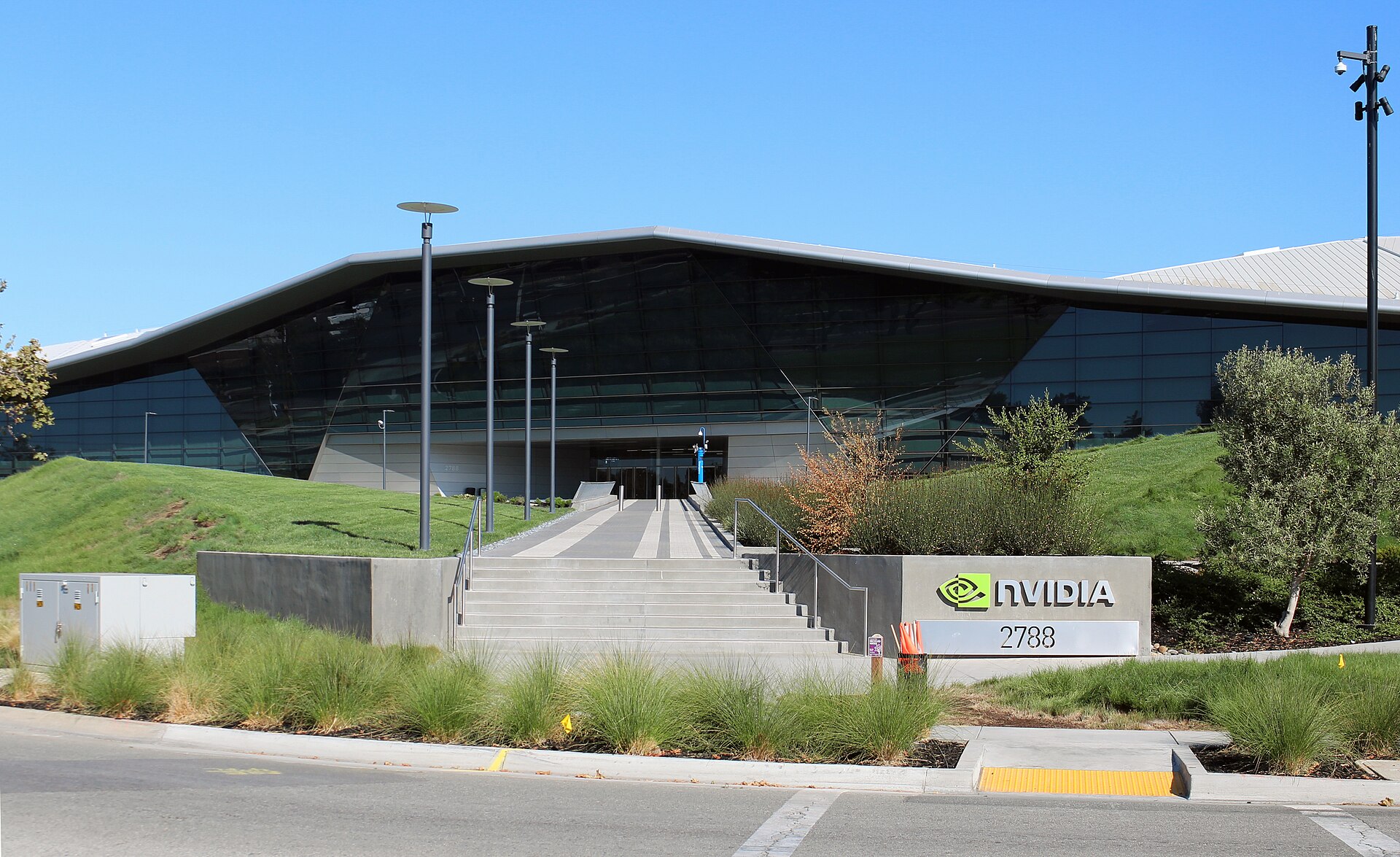
Nvidia Data Centre Revenue More Than Doubles to $107.6bn
Nvidia reported revenue of $115.8 billion for the quarter ended 25 October 2026, up 103 per cent on the year, with data centre sales up 110 per cent to $107.6 billion. It was the first results since Jensen Huang resigned, and the first shipments of the Vera Rubin NVL72.
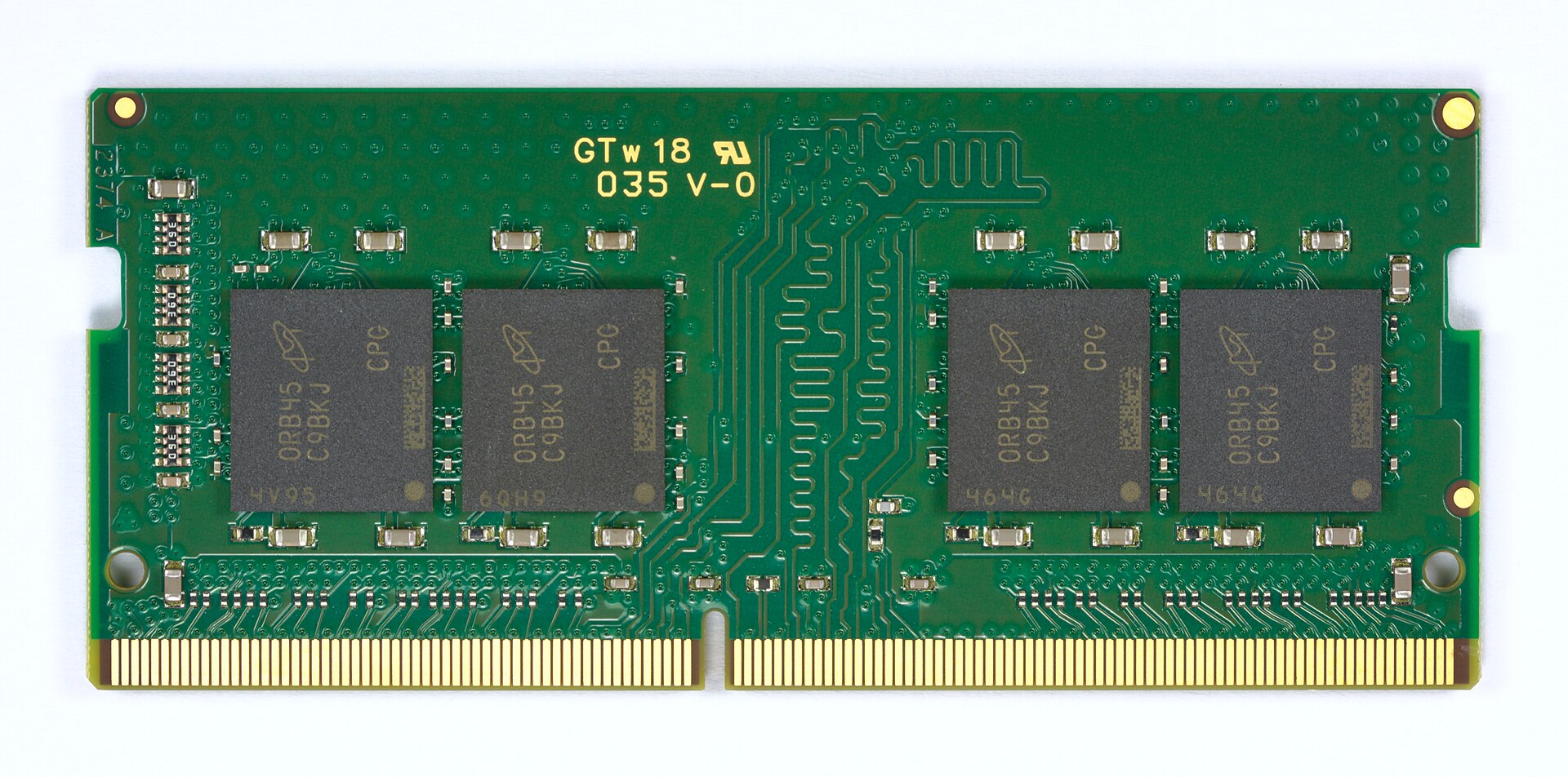
Samsung, SK hynix and Micron Must Face DRAM Price Case
A federal judge in California refused on 14 November 2026 to dismiss a proposed class action alleging Samsung, SK hynix and Micron restricted supply of conventional DRAM. The three must answer the complaint by 7 December, with a case management conference set for 12 January 2027.
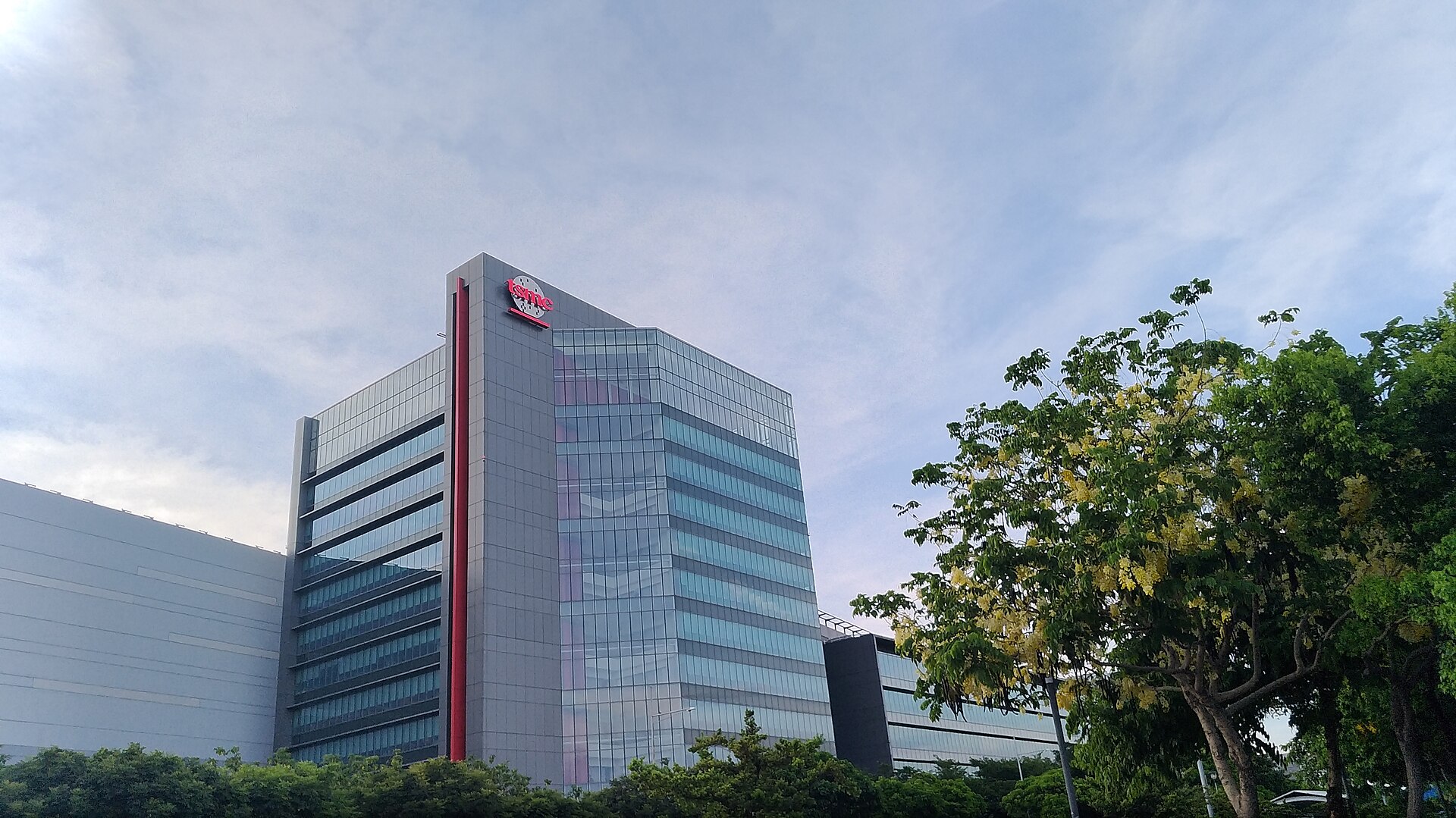
TSMC Lifts Approved Capital Spending 39% in One Quarter
TSMC's board approved capital appropriations of about US$40,926.70m on 10 November 2026, against US$29,442.50m approved on 11 August. The two AI equity ceilings together come to 2.4 per cent of the quarter's capital authorisation.
Onsemi Drops Its $2bn Czech Silicon Carbide Expansion
onsemi will not build the end-to-end silicon carbide production it promised at Rožnov in June 2024. In the same announcement the company named AI data centres among the growth markets its remaining Czech sites will serve.