DeepSeek and MiniMax Clear China's New AI Export Register
Beijing's draft catalogue would licence model weights above 10^26 training operations or 2 trillion parameters. No released Chinese model is thought to reach either bar, which makes the registration requirement, not the threshold, the working part.
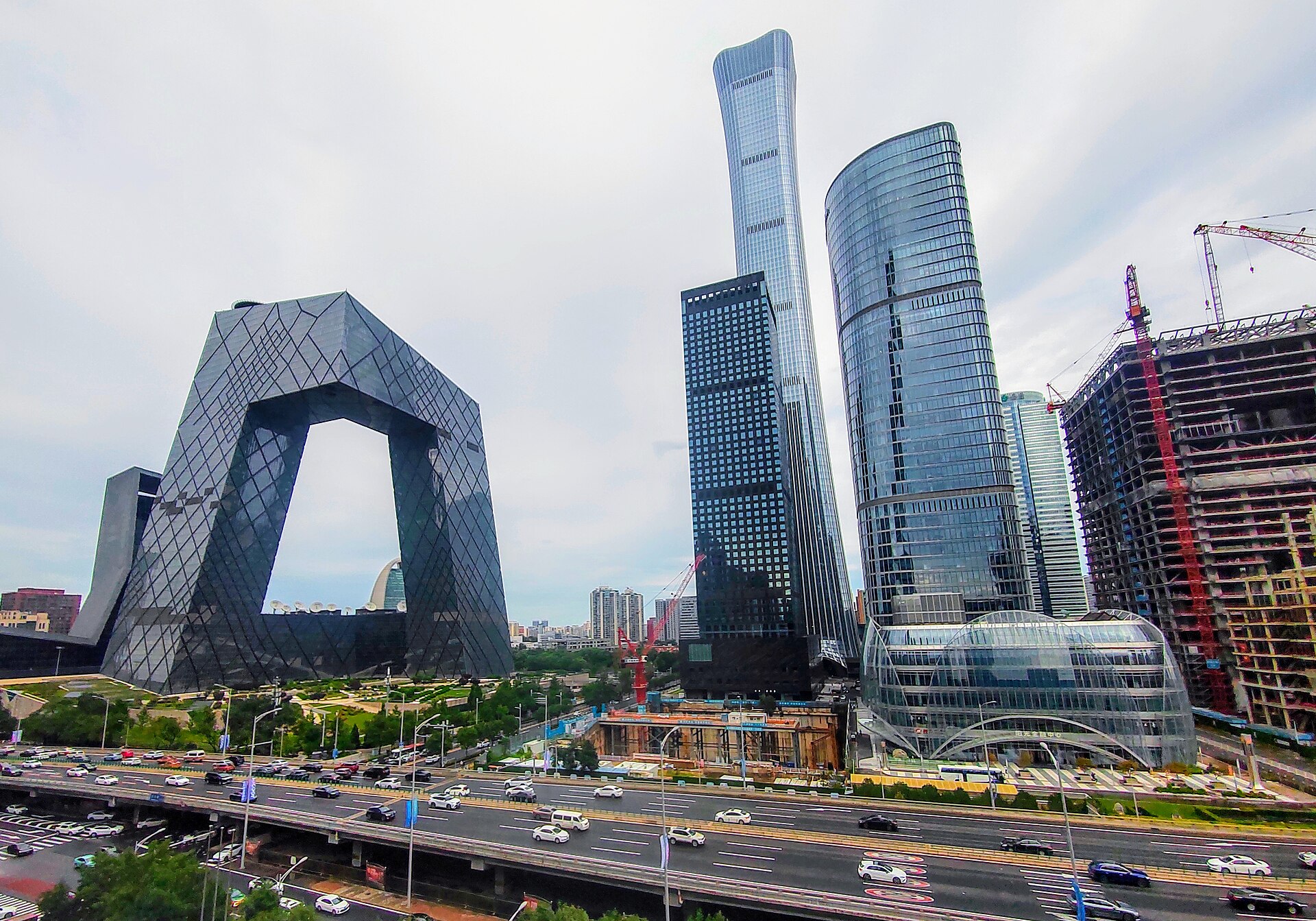
DeepSeek and MiniMax have completed export registration for their models and continued with open-source releases and overseas licensing, Yuyuan Tantian, a social media account affiliated with state broadcaster CCTV, reported on the evening of 22 October 2026. The South China Morning Post carried the report the following day. Neither company has published its own account of the filings, and the Ministry of Commerce has not named either firm.
The registrations matter because of what they were made under. On 16 October 2026 the Ministry of Commerce and the Ministry of Science and Technology jointly published Announcement No. 48, a draft revision to China's Catalogue of Technologies Prohibited or Restricted from Export. The announcement proposes 40 additions spanning artificial intelligence, photovoltaics and biomedicine; the South China Morning Post reports that 23 of the entries concern AI, covering large language models, AI agents and computing clusters. Comments run to 15 November 2026. The registration requirement, however, did not wait for the consultation: it took effect on publication.
A threshold that currently catches nothing
The draft would require a licence to export a large model's weights and its core private intellectual property, a list that includes key checkpoints, underlying source code, architecture design, and the technology used for training optimisation and inference acceleration. Control attaches if a model exceeds any one of three thresholds: 10^26 floating point operations of training compute, 2 trillion parameters, or capability that reaches a "global leading level".
The first of those numbers is borrowed. The same 10^26 figure appeared in the 2023 US executive order on artificial intelligence, was carried into the January 2025 AI Diffusion rule under export classification 4E091, which the Commerce Department rescinded in May 2025, and sits in California's SB 53. In its companion question-and-answer session with journalists, published alongside the draft, the Ministry of Commerce said it had drafted the additions by referencing internationally accepted practice.
It also catches nothing yet. According to Epoch AI's model database, the Chinese models with the largest training compute sat at roughly 2x10^25 operations as of 20 October 2026, about a fifth of the compute threshold. On the parameter count and the compute figure, the bar is set above where Chinese labs currently operate. Only the third criterion, global leading capability, is elastic, and it is the one with no published measurement attached.
Five fast lanes, and a hedge
The question the draft raised in Beijing and outside it was whether China intended to slow the spread of its own open-weight models, which have become the main alternative to American systems for developers and research institutions. The ministry's answer, in the Q&A, was that certain categories of AI technology export would operate under the principle of "immediate submission, immediate licence issuance". Five categories were named: open-sourcing of AI technologies, Chinese companies building self-operated data centres abroad, chip tape-out overseas, using international resources for joint research and development, and participating in international standard-setting.
Each of those is a place where China gains from being outside its own borders rather than inside them. The hedge is in the wording. The Q&A says the regime will "basically" achieve immediate issuance, which is not the same as automatically. An automatic licence is still a licence, and the machinery to slow one down exists whether or not it is used.
There is also a clear line between what is already out and what is not. Technology already made public through open source or a published paper falls outside the rules, so weights already on Hugging Face stay where they are; Beijing cannot claw back what it has already released. New or unreleased technology in the AI section of the announcement would need the licence, automatic or otherwise, before it could be open-sourced.
Which desk the file lands on
One procedural detail carries more signal than the thresholds. Comments on Announcement No. 48 are directed to the ministry's Bureau of Industrial Security and Import and Export Controls. When the catalogue was last announced, in July 2025, the issuing body was the Department of Trade in Services and Commercial Services. Moving the file from a trade department to a security bureau is a statement about which equity now governs the decision.
Most export licence reviews are delegated to province-level authorities, but the centre has intervened before when it wanted to. Beijing made clear it did not want ByteDance's 2020 application to sell TikTok to go through, and in 2023 central authorities stepped into CATL's application to export battery technology to Ford after provincial officials had already reviewed it.
The honest reading is that the register is the instrument here, not the threshold. A compute bar nobody has reached does not restrict anything today; a registration requirement that took effect on publication creates a list of who holds what, filed voluntarily, before the rule it supports is law. That list is useful in a way the threshold will not be for another training generation.
What is not known is substantial. The only account of the DeepSeek and MiniMax filings comes from a state-affiliated account rather than from the companies or the ministry, so the scope of what each firm registered is unverified. The draft is still a draft, and the comment period has three weeks to run. Nor has the ministry said how it intends to assess "global leading capability", which is the criterion that would decide whether a licence is needed at all for the models Chinese labs are training now.
What happens next?
- The consultation on Announcement No. 48 closes on 15 November 2026, after which the ministries can revise the thresholds, the carve-outs or the scope before the catalogue is amended.
- The Ministry of Commerce has not published a method for assessing 'global leading capability', the one control criterion no Chinese model can be shown to fall below.
- Whether the stated principle of immediate licence issuance holds in practice will be visible in how quickly the next open-weight release from a registered Chinese lab appears.
Related topics
Sources & references
- 01Announcement No. 48 of 2026 on revising the Catalogue of Technologies Prohibited or Restricted from Export and implementing interim registration for related technology exports — Ministry of Commerce of the People's Republic of ChinaprimaryJoint MOFCOM and MOST draft, published 16 October 2026; comment period to 15 November 2026
- 02MOFCOM spokesperson answers journalists' questions on revising the Catalogue of Technologies Prohibited or Restricted from Export — Ministry of Commerce of the People's Republic of ChinaprimaryCompanion Q&A, 16 October 2026; source of the immediate issuance categories
- 03DeepSeek, MiniMax secure open-source licences days after new China export rules: state media — South China Morning Postnews23 October 2026, reporting a 22 October Yuyuan Tantian account; source of the 23 AI entries figure
- 04MOFCOM's New AI Rules — ChinaTalkreportClause-level reading of the draft thresholds and the shift to the Bureau of Industrial Security and Import and Export Controls
- 05Notable AI models database — Epoch AIdataTraining compute estimates for Chinese models, cited as of 20 October 2026
More from Artificial Intelligence
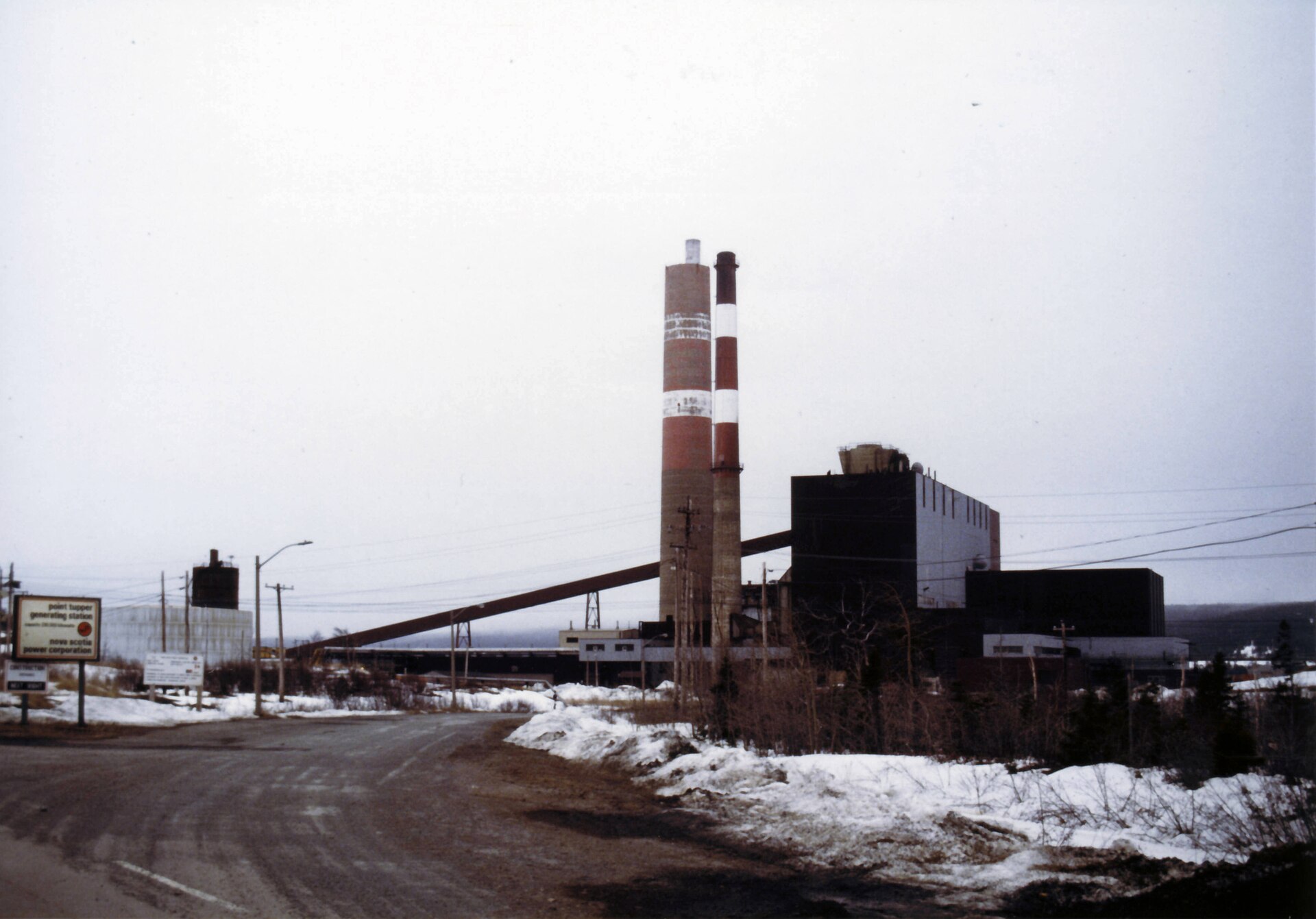
Anthropic Takes 95MW in Cape Breton on a 20-Year Lease
EverWind announced on 16 October 2026 that it has a long-term lease with a frontier AI developer for the first 95 MW of a Point Tupper campus, with more than $8 billion for the data centre and $2 billion for wind. Anthropic confirmed to Global News that it is the tenant.
OpenAI and Anthropic Fund the Checking of AI Maths
The Simons Foundation announced on 15 October 2026 that it, Anthropic and OpenAI will commit $15 million in combined funding and resources to help mathematicians evaluate AI-assisted results and set standards for using the tools. The foundation will award the money through an open call for proposals.

Google's Argon Tops One Benchmark League and Trails Another
Google released Gemini 4 Argon to developers, enterprises and consumers on 13 October 2026, thirteen days after a restricted launch to cyber defenders. It ranks first on the Vals Index and joint fourth on Artificial Analysis's Intelligence Index.
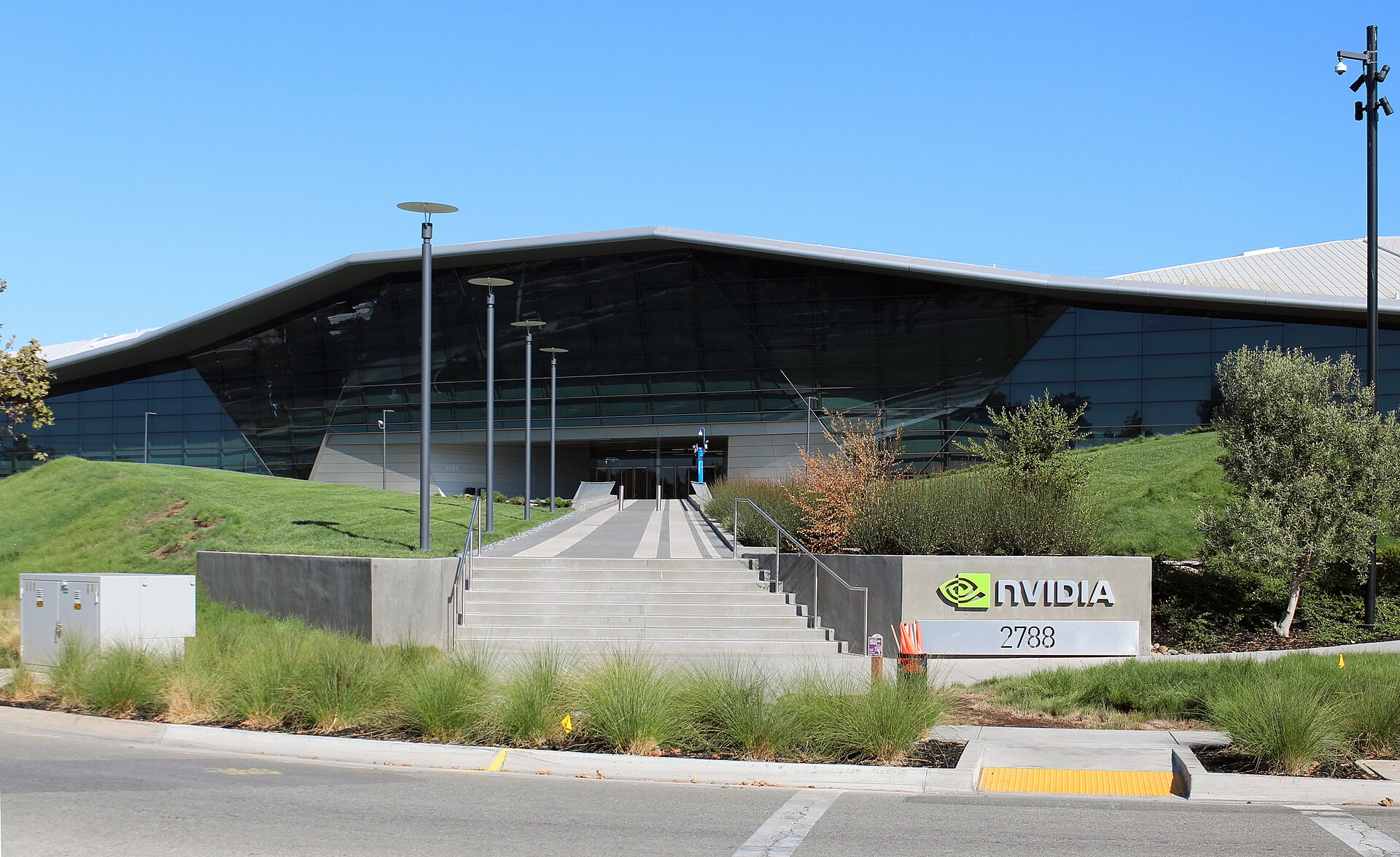
Nvidia Weighs Buying Reflection Days After Beam Shipped
The Financial Times reported the talks on Saturday 10 October 2026, citing people with direct knowledge; Reuters said it could not immediately verify them. Nvidia has already put $800 million into Reflection, which launched its first open-weight model, Beam, five days earlier.