Amazon Deforestation Halved Under Lula as Brazil Votes
Official INPE figures show annual clearance falling from 11,594 square kilometres in 2022 to 5,731 in 2025. A Carbon Brief analysis published on 28 September puts the avoided loss since then at a minimum of 20,000 square kilometres.
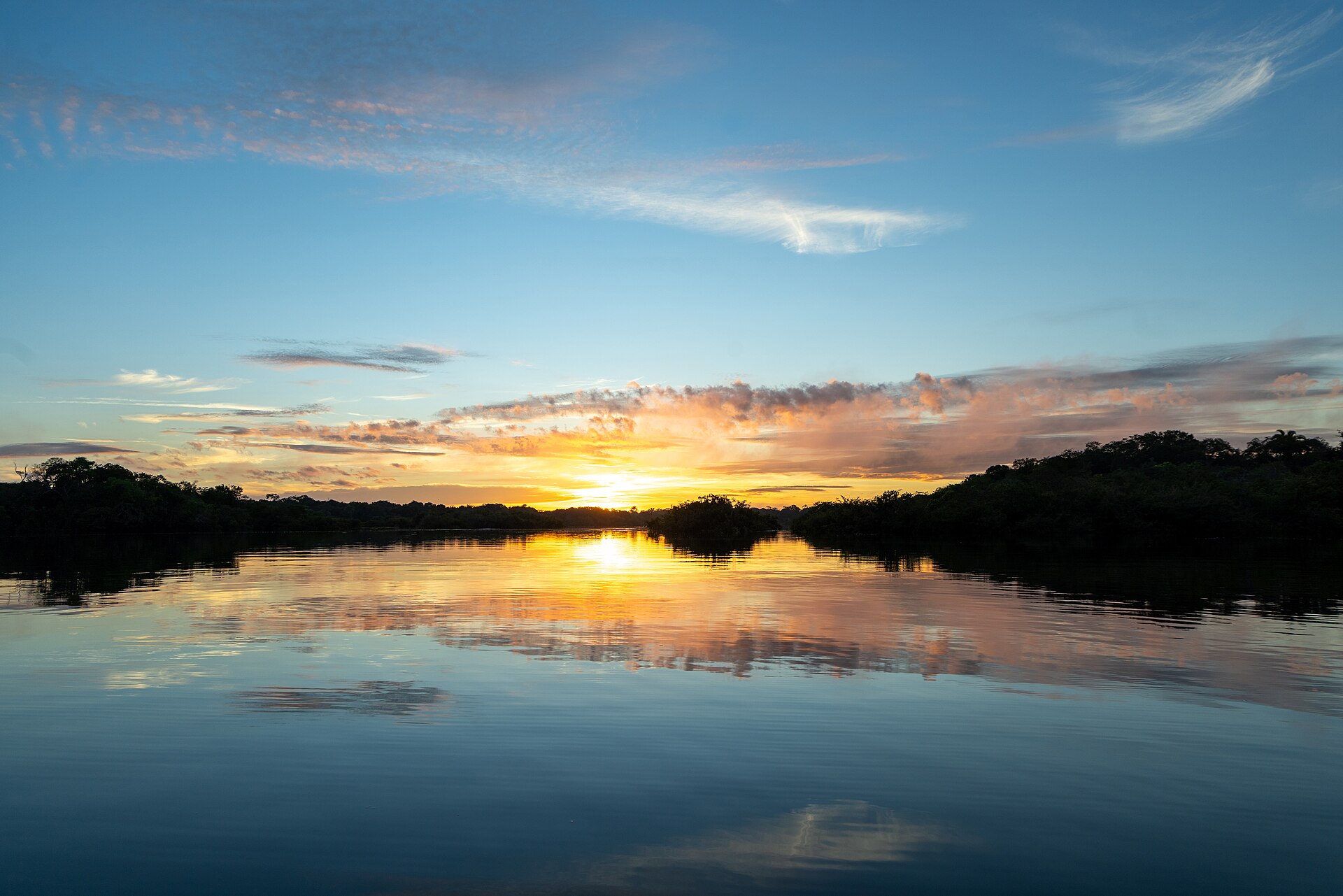
Brazilian Amazon deforestation has more than halved since Luiz Inácio Lula da Silva took office, falling from 11,594 square kilometres in the year to July 2022 to 5,731 square kilometres in the year to July 2025 on INPE's PRODES record. Brazil votes on 4 October.
Carbon Brief published an analysis on 28 September 2026 that sets those observed figures against a counterfactual: what would have happened had Brazil's forest code, the law requiring landowners to keep and restore forest on their property, gone unenforced. The gap between the two comes to at least 20,000 square kilometres of forest still standing, an area close to the size of Wales or the US state of New Jersey.
What the numbers are and are not
The observed half of that comparison is official. PRODES is INPE's annual satellite mapping, measured over a year running from August to July. The figure for August 2025 to July 2026 has not been released yet; the preliminary count from DETER, INPE's near-real-time alert system, stands at 2,874 square kilometres. DETER is designed for enforcement rather than accounting and consistently reports less than PRODES eventually finds, so the final number will be higher. Even so, Brazil's Climate Observatory expects 2026 to come in below any year since the record began in 1988.
Brazilian Amazon deforestation has fallen by more than half. Deforestation: 2022 (PRODES) 11594square kilometres, 2025 (PRODES) 5731square kilometres, 2026 (DETER, preliminary) 2874square kilometres.
The counterfactual half is modelling, and it should be read as such. It comes from a 2023 study in Global Change Biology by researchers at the University of Oxford, the International Institute for Applied Systems Analysis and INPE, which used the GLOBIOM-Brazil model to compare forest code implementation against a baseline in which the code is not enforced. Carbon Brief uses that baseline as a stand-in for a Jair Bolsonaro election win in 2022. Nobody observed the alternative Brazil; a model produced it.
Dr Aline Soterroni of the University of Oxford, who led the 2023 work, told Carbon Brief that the reversal under Lula "shows how quickly deforestation can respond to political will", while stressing that her no-enforcement scenario is "relatively conservative", holding deforestation high rather than allowing it to climb. Claudio Angelo, international policy coordinator at Brazil's Climate Observatory, argued the opposite way, saying that had Bolsonaro won in 2022 there is reason to believe it would have produced "much higher rates than during his first term". Both readings point the same direction, which is the useful part: 20,000 square kilometres is a floor, not a central estimate.
The protections that are already gone
Presidential policy is not the only variable. The Amazon soy moratorium, the voluntary agreement under which traders refused soya beans grown on Amazon land cleared after 2008, effectively ended this year when major grain traders withdrew. Research in Nature Food credits it with preventing around 18,000 square kilometres of deforestation between 2005 and 2016, and a 2026 study in Science estimated its collapse could add 14,000 square kilometres by 2036. That is a private-sector commitment unwinding regardless of who wins in October, and it is the same pattern Parallax Nexus reported on 27 September, when a Harvard database of Russell 3000 climate targets found that about 42 per cent of revisions lowered ambition against 15 per cent that raised it.
Nor does the presidency settle the law. Right-leaning parties, including the Liberal Party linked to the Bolsonaro family, hold half the seats across Brazil's two congressional chambers, and in 2025 congress overrode Lula's veto of parts of an environmental licensing bill its critics call the devastation bill. Voters choose governors and members of congress on 4 October as well as a president, and a runoff follows on 25 October if nobody wins a majority.
What is genuinely unknown is how durable the enforcement gains are. Deforestation did not fall the moment Lula was elected; Soterroni describes restoring the law as a "gradual and imperfect process", and the drop took three years to reach half. A reversal would not be instant either, which cuts against the tidiest version of this analysis. The figure that will test it is the PRODES number for August 2025 to July 2026, and it lands after the votes are counted.
What happens next?
- Brazil votes on 4 October, with a runoff on 25 October if no candidate takes a majority.
- INPE is yet to publish the PRODES figure for August 2025 to July 2026, which will confirm or revise the preliminary 2,874 square kilometre alert count.
- The end of the soy moratorium takes effect regardless of the election result, with the modelled cost running to 2036.
Related topics
Sources & references
- 01Analysis: Lula presidency saved at least 20,000km2 of Brazilian Amazon since 2022 — Carbon BriefreportPublished 28 September 2026; source for the analysis, the deforestation figures and all quotations.
- 02PRODES deforestation rates, Legal Amazon — Instituto Nacional de Pesquisas Espaciais (INPE)dataOfficial annual Brazilian deforestation mapping, August to July measurement years.
- 03DETER near-real-time deforestation alerts — Instituto Nacional de Pesquisas Espaciais (INPE)dataSource of the preliminary 2,874 square kilometre figure for August 2025 to July 2026.
- 04Nature-based solutions are critical for putting Brazil on track towards net-zero emissions by 2050 — Global Change Biologyresearch2023 GLOBIOM-Brazil modelling led by Aline Soterroni that supplies the no-enforcement counterfactual.
- 05Brazil's Lula, Flavio Bolsonaro remain tied in runoff scenario, Atlas poll shows — Reutersnews23 September 2026.
More from Climate
Data Centres Took a Third of Climate Tech's Capital
Currence's H1 2026 report shows climate tech venture investment at $26.1 billion, 55 per cent up year on year, with low-carbon data centre developers taking 34 per cent of the total and two deals accounting for roughly a quarter of the half. Fuels and carbon equity funding went the other way.
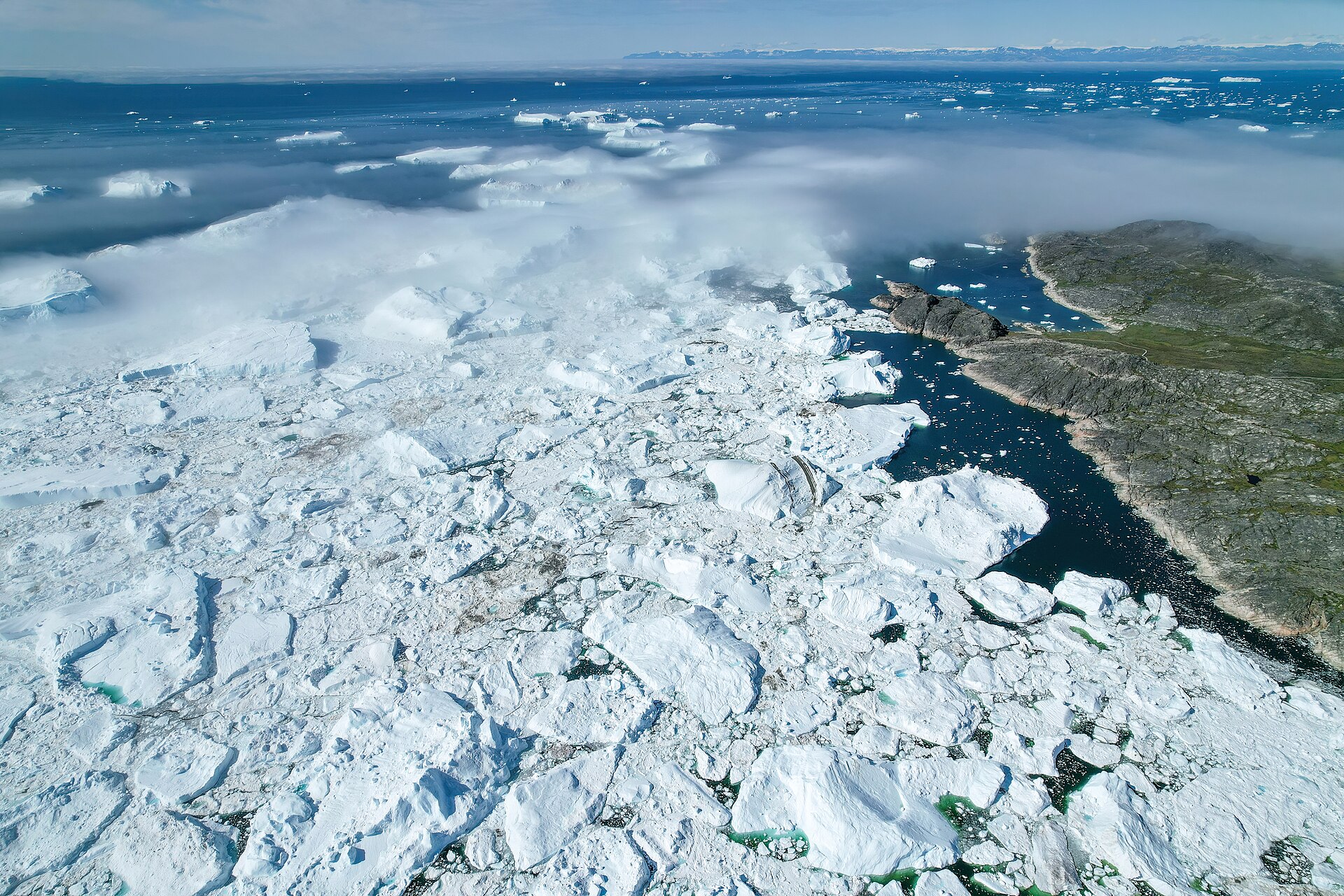
Oceans, Not Air, Drove 84% of Polar Ice Loss Since 1979
The IMBIE team’s dataset in Scientific Data, published on 16 September 2026, finds Greenland and Antarctica lost 11,309 billion tonnes of ice from 1979 to 2023, adding 31.4 mm to sea level, with 84% of the loss driven by faster glacier discharge into the ocean rather than surface melt.
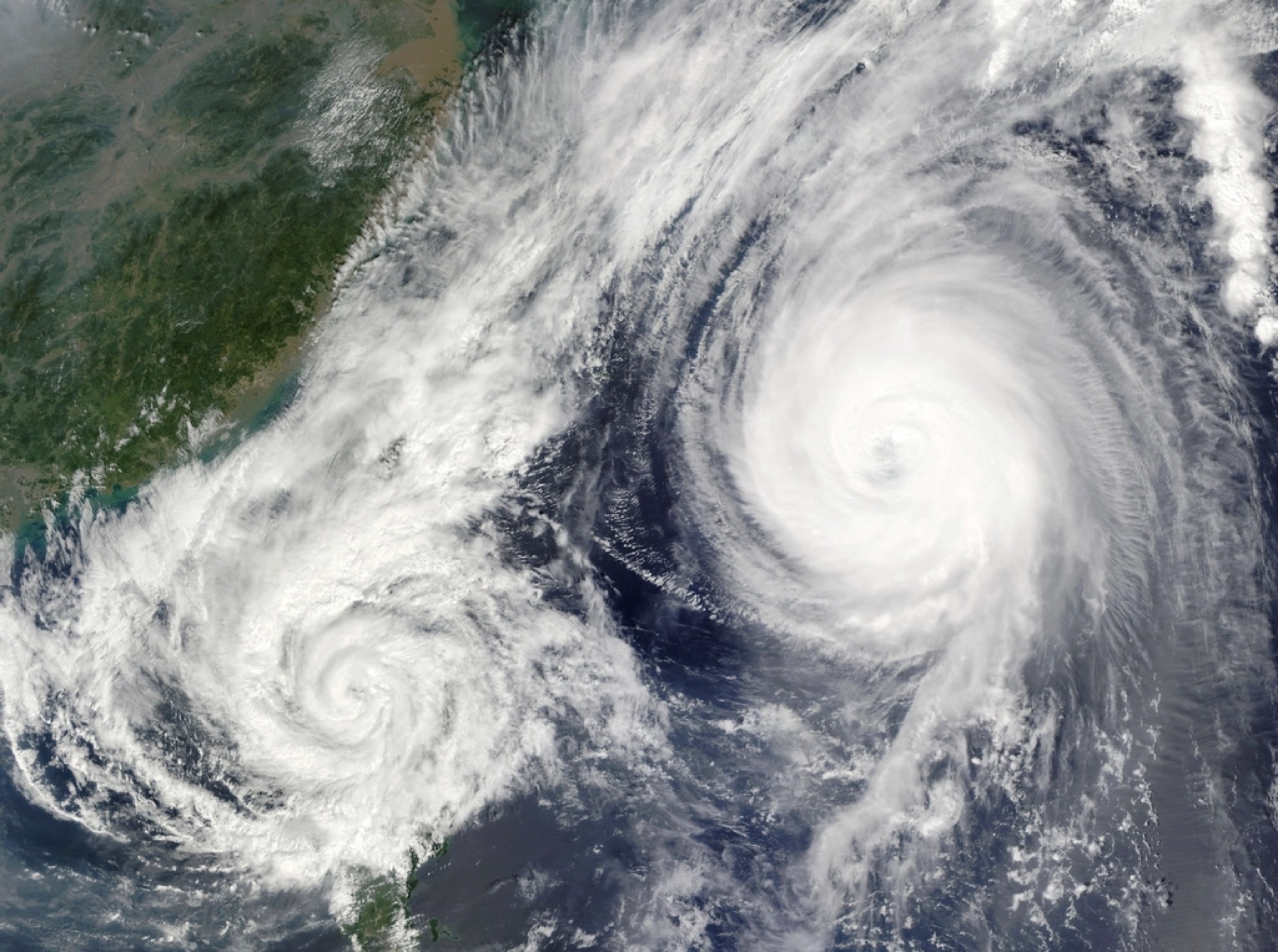
The Weather Forecast Is Now an AI Model
Released on 3 September 2026, WeatherNext 3 learns from live geostationary satellite feeds and station observations rather than physics-model output, forecasts at 5 km resolution hourly, and leads Brightband's Operational WeatherBench. Its new wind and solar variables target grid operators and renewables developers.

Google Buys Power Before It Builds Data Centres
Fervo Energy's 396 MW geothermal PPA with Google (1 September) and Google's 22-year deal for up to 50% of Fortum's Loviisa nuclear output (9 September) show hyperscalers paying to keep or build clean-firm capacity, with deals now deciding whether existing plants survive past 2030.