COP31 Draft Sets a $120bn Floor for Adaptation Finance
The first draft of the COP31 cover decision, published in Antalya on 16 November, also calls for the immediate transition away from fossil fuels and a 35 per cent electrification target for 2035.
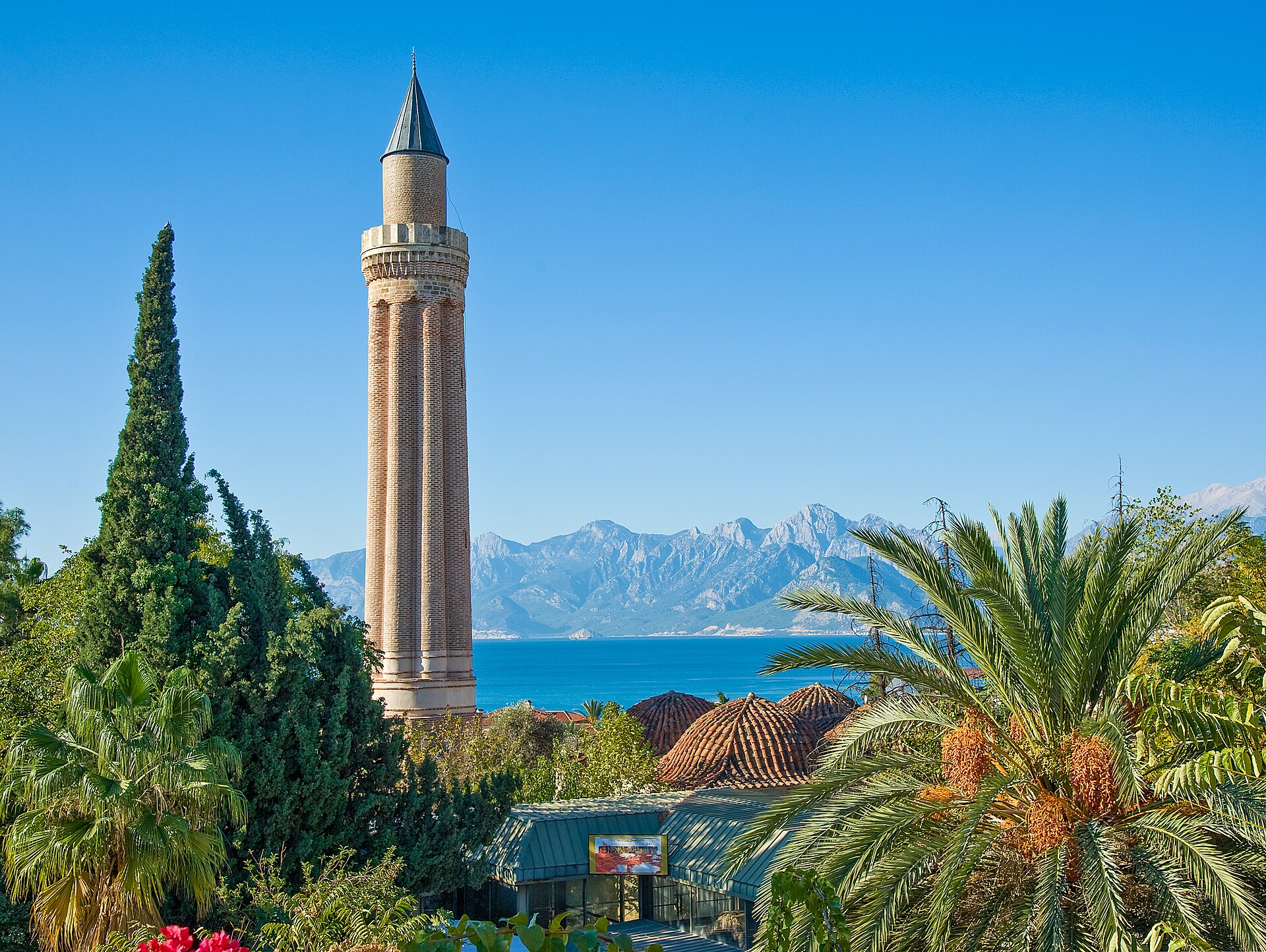
The COP31 presidencies published the first draft of the summit's cover decision in Antalya on 16 November 2026, and paragraph 73 of the text decides that the tripling of adaptation finance should reach at least $120 billion. The same paragraph asks developed countries to provide a roadmap, including what the draft calls enhanced clarity on the trajectory by which they will raise adaptation finance for developing countries.
The document is stamped as an unedited version issued at 12:40 and runs to 18 pages and 144 numbered paragraphs, by DW's count on 16 November. COP31 is scheduled to close on 20 November.
What paragraph 36 concedes
The most useful number in the draft is the one that undercuts its own headline figure. Paragraph 36 notes with deep concern the findings of the UN Environment Programme's Adaptation Gap Report 2026, which estimates adaptation finance needs in developing countries at approximately $305 billion a year by 2035 against international public adaptation finance of $28 billion to $32 billion in 2024. The report puts the 2024 figure at only $1 billion above the previous year. The same paragraph states that even tripling adaptation finance by 2035 would represent no more than 29 per cent of estimated needs.
That is an unusual admission to carry in a negotiated text. Paragraph 74 goes further on accounting, asking the Standing Committee on Finance to identify the baseline for the tripling using Oxfam's methodology for tracking grant-equivalent climate finance rather than the face value of loans. Whose baseline is used will decide how much of the $120 billion counts as new money.
The fossil fuel wording survived, the roadmap did not
Paragraph 65 reaffirms paragraph 28 of the first global stocktake decision and urges parties to accelerate transitioning away from fossil fuels in energy systems in a just, orderly and equitable manner. Paragraph 66 is sharper: it calls for accelerated action to phase out fossil fuels, including through the immediate transition away from fossil fuels in energy systems. As Parallax Nexus reported on 27 October, two UN reports published thirteen days before the summit opened had already set pledged cuts of about 6 per cent by 2035 against what the atmosphere is actually recording.
Campaigners reading the same text found the absence rather than the presence. "The draft puts COP31's defining battles squarely on the table: the energy transition and adaptation finance," said Andreas Sieber, head of political strategy at 350.org, in a statement on 16 November. The group's complaint is that the draft drops any reference to carrying forward the fossil fuel transition roadmaps that a group of countries pressed for at the Belem summit a year earlier.
A 35 per cent electrification target
Paragraph 50 invites parties to contribute, in a nationally determined manner, to global efforts to raise the share of electricity in total final energy consumption to 35 per cent by 2035, alongside the existing goals of tripling renewable capacity and doubling the annual rate of energy efficiency improvement by 2030. The draft adds that electrification can provide co-benefits regardless of the electricity mix, a qualifier that drops the requirement for the new electricity to be clean. The We Mean Business Coalition welcomed the target on 16 November while arguing that the dispute over the word clean risks becoming a false fight.
Chris Bowen, Australia's climate change and energy minister and the president of negotiations, told reporters that parties had "come in the spirit of cooperation, the spirit of respect and a spirit where parties have said to me that they want to help get an outcome". Reuters reported on 16 November that Australia's lead negotiator said some parts of the draft had already been rejected.
The honest reading is that the draft is a bid rather than a landing zone. Its two strongest elements, the $120 billion floor and the immediate transition language in paragraph 66, are also the two most likely to be traded away, because both impose obligations on parties that spent the first week resisting them. What is not known is which of the 144 paragraphs the presidencies regard as expendable: the text carries the standard caveat that it does not represent consensus or prejudge any outcome.
What happens next?
- Ministers continue presidency consultations in Antalya ahead of the scheduled 20 November close, with the cover decision expected to go through at least one further revision.
- The Standing Committee on Finance would have to identify a baseline for the adaptation finance tripling, using Oxfam's grant-equivalent methodology if paragraph 74 survives.
- If adopted, the Antalya-to-Addis Ababa Roadmap on Adaptation and Resilience Finance would report its conclusions to COP32 in 2027.
Related topics
Sources & references
- 01Draft text prepared under COP 31 Presidency consultations on Presidency-led Party-driven cover decision, unedited version 16/11/2026 12:40 — UNFCCCprimaryParagraphs 36, 50, 65, 66, 73, 74 and 98 cited.
- 02COP31 draft deal calls for 'immediate' shift away from fossil fuels — Deutsche WellenewsPublished 16 November 2026; source of the 18-page, 144-item count and the Bowen and Cassel quotes.
- 03First draft of COP31 deal signals tough negotiations to come — ReutersnewsPublished 16 November 2026; reports that parts of the draft were already rejected.
- 04First draft text of COP31 cover decision out: 350.org reacts — 350.orgprimaryStatement dated 16 November 2026, source of the Sieber quote.
- 05Business coalition welcomes COP31 electrification target in draft cover decision — We Mean Business CoalitioncompanyReaction published 16 November 2026.
- 06COP 31 presidencies outline mode of work for final stretch of talks — Third World NetworknewsReports the presidency's 15 November plenary and the caveat that the summary of reflections does not represent consensus.
More from Climate
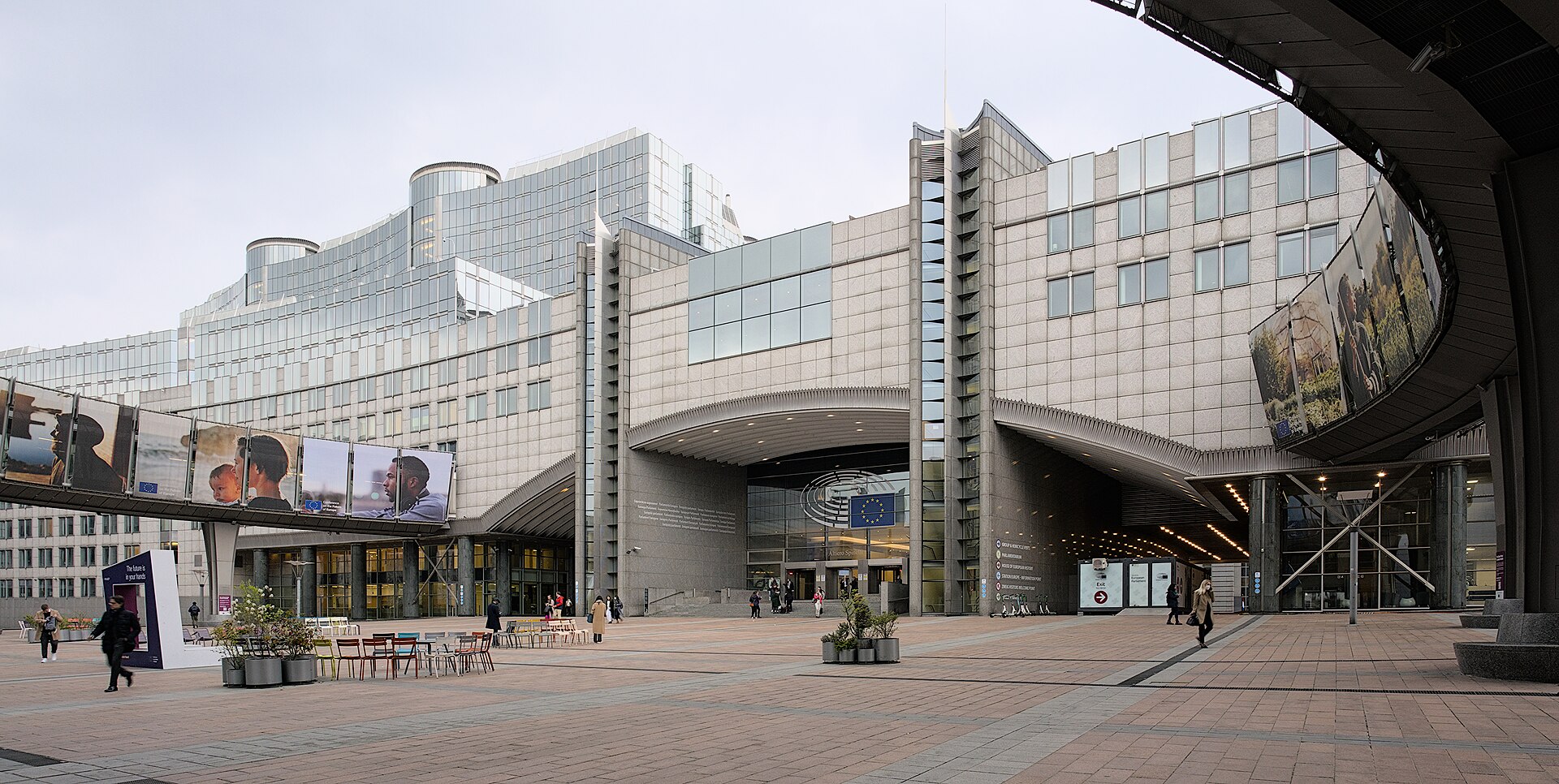
EU Lawmakers Cut the 2035 Car CO2 Target to 87.5 Per Cent
A committee vote in Brussels replaced the 100 per cent tailpipe CO2 cut that would have ended sales of new combustion cars in 2035 with an 87.5 per cent cut plus steel credits. The compromise was written by the centre-right, centre-left and centrist groups together.
COP17 Sets a $150m Trigger for a Fund Holding Under $9,000
The COP17 decision on digital sequence information reaffirms voluntary contribution rates of 1 per cent of profit or 0.1 per cent of revenue, defers the unresolved questions to a new working group reporting in 2028, and sets a $150 million capitalisation trigger for exceptional disbursements. Carbon Brief, reporting from Yerevan, put actual deposits at under $9,000.
Europe's Summer Heat Killed 50,391 in 854 Cities
Researchers at Imperial College London and the London School of Hygiene and Tropical Medicine modelled heat-related mortality across 854 European cities for June to August 2026 and found the highest total the method has produced for any European summer, with roughly two-thirds of the deaths attributed to fossil fuel warming.
The IPCC Has No Date for AR7 and No Budget for 2027
The IPCC ended a week in Addis Ababa without agreeing when the three Seventh Assessment Report volumes will appear or how to fund them. The split is between delivery in 2028, before the next Global Stocktake, and pushing two reports into 2029.