Eight Justices Hear Boulder's Climate Claim Against Exxon
The US Supreme Court opened its term on 5 October 2026 with Suncor Energy v County Commissioners of Boulder County. Samuel Alito recused himself, leaving eight justices and the possibility of a tie that would hand Boulder a win.
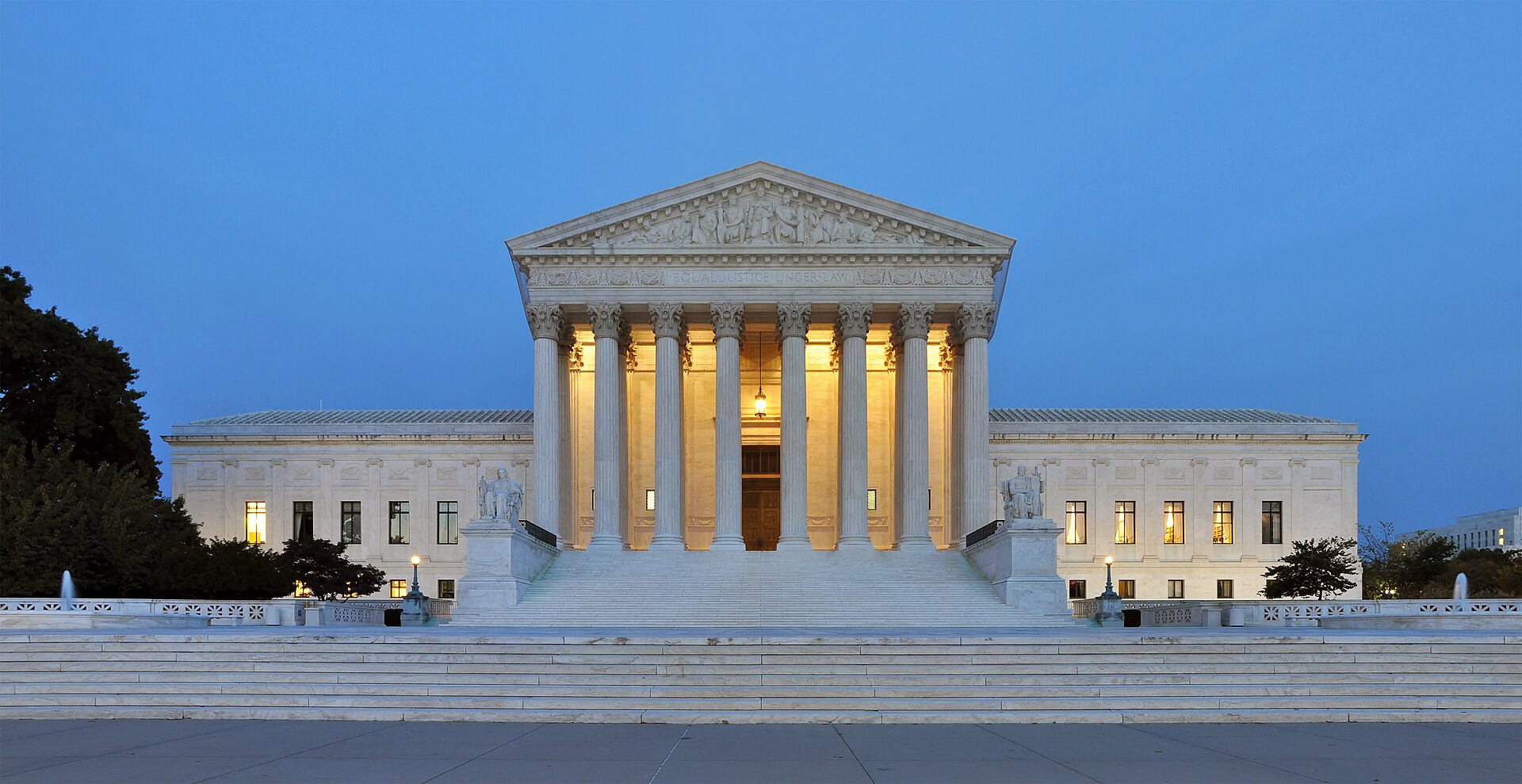
The US Supreme Court opened its new term at 10:06 a.m. on 5 October 2026 with argument in Suncor Energy versus County Commissioners of Boulder County, according to the official transcript published by the court. At issue is whether a Colorado city and county can pursue Exxon Mobil and Suncor Energy under state law for the local costs of a warming climate. Eight justices heard the case. Samuel Alito recused himself, and Reuters reported on 4 October that he owns stock in several oil and gas companies, though not in Exxon or Suncor.
The questions the court agreed to answer are narrow in form. Per the docket in No. 25-170, they are whether federal law precludes state-law claims seeking relief for injuries allegedly caused by the effects of interstate and international greenhouse-gas emissions on the global climate, and whether the court has statutory and Article III jurisdiction to hear the case at all. Boulder sued in 2018. The Colorado Supreme Court held on 12 May 2025 that federal law did not preempt the claims, and the companies appealed.
The 90,000-municipality argument
Kannon Shanmugam, arguing for Suncor and Exxon, opened by describing the suit as "an unprecedented effort to use state law to regulate global conduct", the transcript shows. He went further on the stakes: if Boulder's claims are allowed to go forward, he said, "some 90,000 municipalities across the country will have the ability to make national and international energy policy by asking juries to impose catastrophic damages on selected fossil-fuel producers". Nearly 60 state and local governments have already brought similar suits, Exxon and Suncor told the justices in their filing, Reuters reported on 4 October 2026.
The first question of the term went not to that argument but to the court's own power to decide.
Mr. Shanmugam, before we get to the merits, would you spend some time and explain why we have jurisdiction?
Shanmugam answered that the court has both statutory and constitutional jurisdiction, resting the statutory half on Atlantic Richfield and arguing that the Colorado proceeding was self-contained. On Article III, he said the companies had lost the right to be free from state regulation, the way the court characterised the loss of a preemption defence in NCAA versus Murphy.
Where the hypotheticals went
Chief Justice John Roberts pressed the companies' extraterritoriality theory with a physical example, asking whether someone who throws a rock over a state border and hits a person can be sued in the victim's state. Shanmugam conceded the point, and conceded more broadly that "the principle of no extraterritorial regulation that I articulated in my opening does admit of exceptions". He distinguished Boulder's case on three grounds: that none of the conduct was directed at Colorado, that the harm is diffused nationwide and worldwide, and that the causal chain is severely attenuated.
Justice Neil Gorsuch tested the symmetry, asking whether the companies would object if Colorado applied the law of a defendant's home state instead. Shanmugam said they would object to that too, while acknowledging that Congress can authorise state law to apply and has done so in a limited way through the Clean Air Act's saving clause.
Sarah Harris, Principal Deputy Solicitor General, argued for the United States in support of the companies. Kevin Russell argued for Boulder. The transcript runs to a rebuttal beginning on page 119, a long morning by the court's standards. The Washington Post reported that after more than two hours it remained unclear whether the justices would let the lawsuit proceed.
The honest reading of the morning is that the companies' sturdiest ground may be the one they did not choose. Their constitutional theory drew sceptical questions from both wings of the bench, but the jurisdictional question Thomas raised first could end the case without the court ever saying whether the Clean Air Act displaces Colorado tort law. What the argument does not reveal is how the eight will vote, and the arithmetic matters: with Alito out, Boulder needs four votes rather than five, because a 4-4 split leaves the Colorado judgment standing.
A decision is expected by the end of June 2027, according to Reuters.
What happens next?
- The court is expected to rule by the end of June 2027, according to Reuters.
- A 4-4 split would leave the Colorado Supreme Court's May 2025 decision in place and return Boulder's case to state court.
- A ruling on jurisdiction alone would leave the preemption question open for the roughly 60 other pending suits.
- Boulder's claims, filed in 2018, would still face trial on the merits even if the companies lose here.
Sources & references
- 01Oral argument transcript, Suncor Energy (U.S.A.) Inc. v. County Commissioners of Boulder County, No. 25-170 — Supreme Court of the United StatesprimaryOfficial transcript, argued 5 October 2026, marked subject to final review.
- 02Docket for 25-170, Suncor Energy (U.S.A.) Inc. v. County Commissioners of Boulder County — Supreme Court of the United StatesprimaryQuestions presented, lower court and 12 May 2025 Colorado Supreme Court decision date.
- 03US Supreme Court to kick off term with bid by Big Oil to toss climate suits — ReutersnewsPublished 4 October 2026. Source for the near-60 figure, Alito's recusal and the expected ruling date.
- 04Supreme Court grapples with case on holding Big Oil liable for climate change — The Washington PostnewsPublished 5 October 2026. Length and inconclusive tenor of the argument.
More from Climate
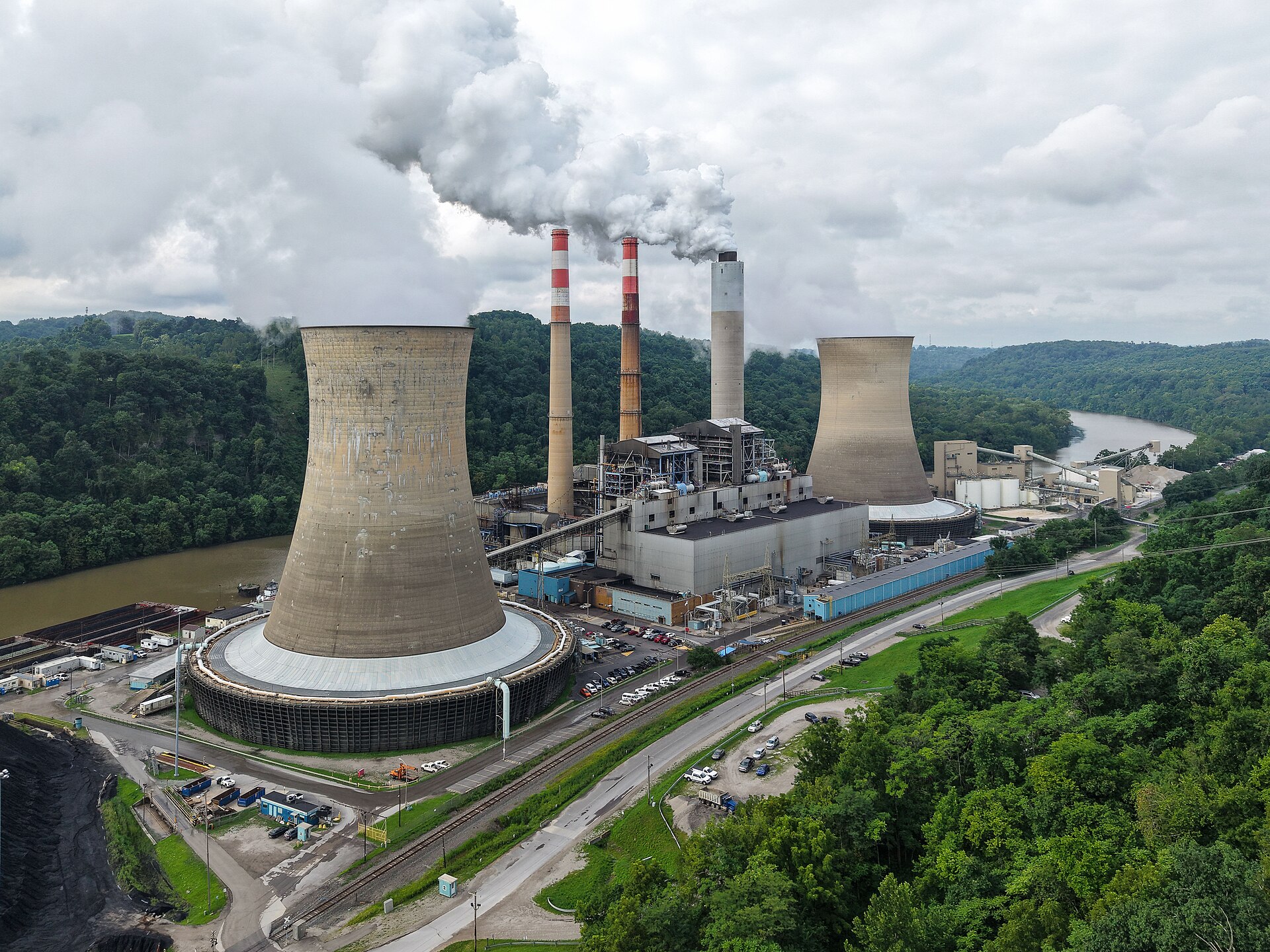
Twenty-One States Take EPA's Power Plant Repeal to the DC Circuit
Twenty-one states, the District of Columbia and three cities filed a petition for review on 1 October 2026 against the EPA's September repeal of greenhouse gas limits for coal- and gas-fired power plants, arguing the agency never calculated the full cost of the rescission.
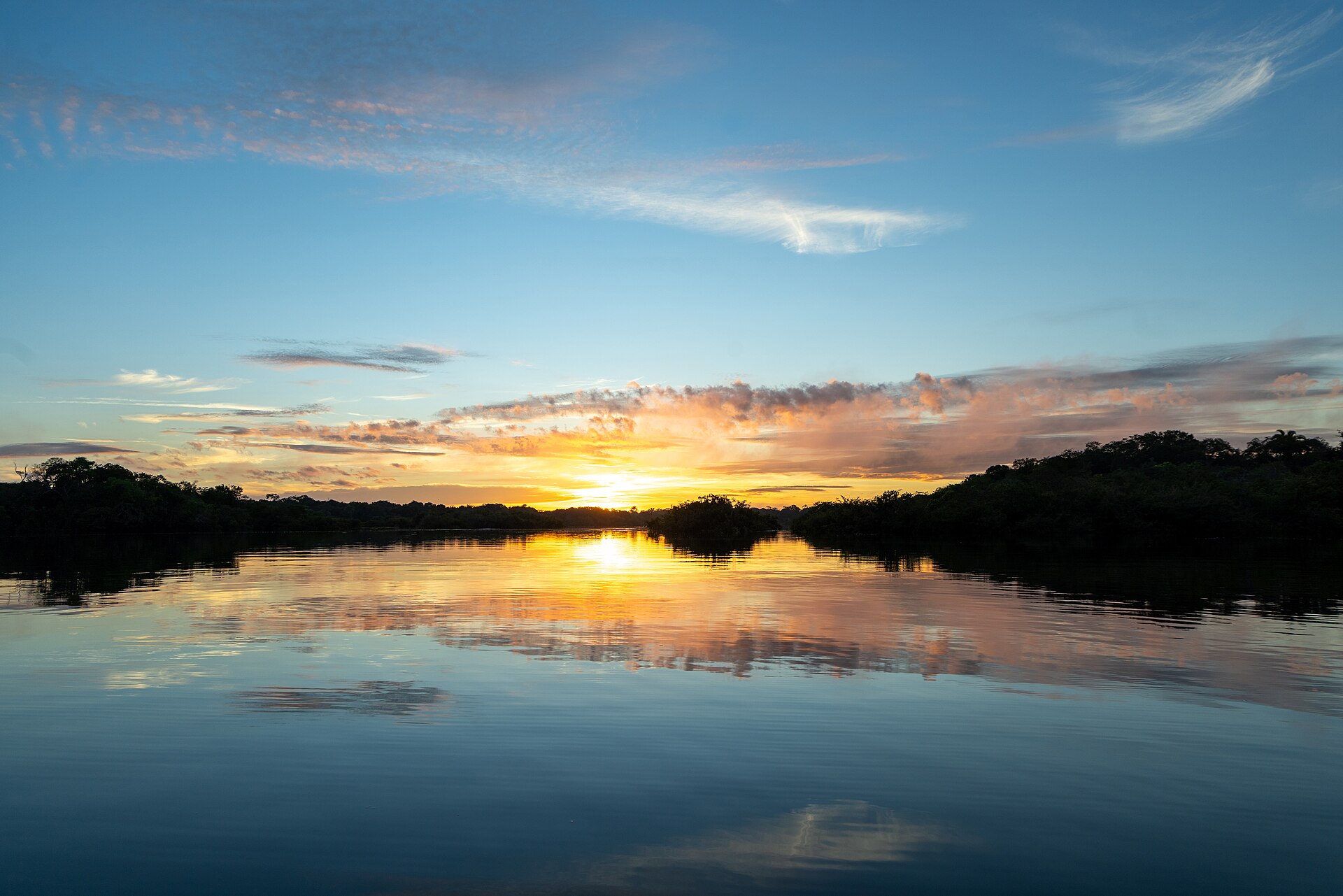
Amazon Deforestation Halved Under Lula as Brazil Votes
Brazilian Amazon deforestation more than halved between 2022 and 2025 according to INPE's PRODES record, and preliminary satellite alerts point to a further fall this year. Carbon Brief's 28 September analysis compares that against a modelled scenario without forest code enforcement and finds at least 20,000 square kilometres of forest still standing, days before Brazil's 4 October election.

Data Centres Took a Third of Climate Tech's Capital
Currence's H1 2026 report shows climate tech venture investment at $26.1 billion, 55 per cent up year on year, with low-carbon data centre developers taking 34 per cent of the total and two deals accounting for roughly a quarter of the half. Fuels and carbon equity funding went the other way.

Seven of Nine Planetary Boundaries Now at Record Breach
The Planetary Health Check 2026, released by the Potsdam Institute for Climate Impact Research on 21 September 2026, finds seven of nine planetary boundaries transgressed and all seven at their highest recorded levels. Only ozone and aerosols improved over the decade. This year's report focuses on carbon sinks and novel entities.