Qualcomm Licenses Huawei's LogicFolding Chip Patents
Huawei and Qualcomm announced a multi-year cross-licence on 5 October 2026 spanning 5G, compute, AI and networking, with Qualcomm also buying certain Huawei US patents. Terms were not disclosed and the deal needs regulatory clearance.
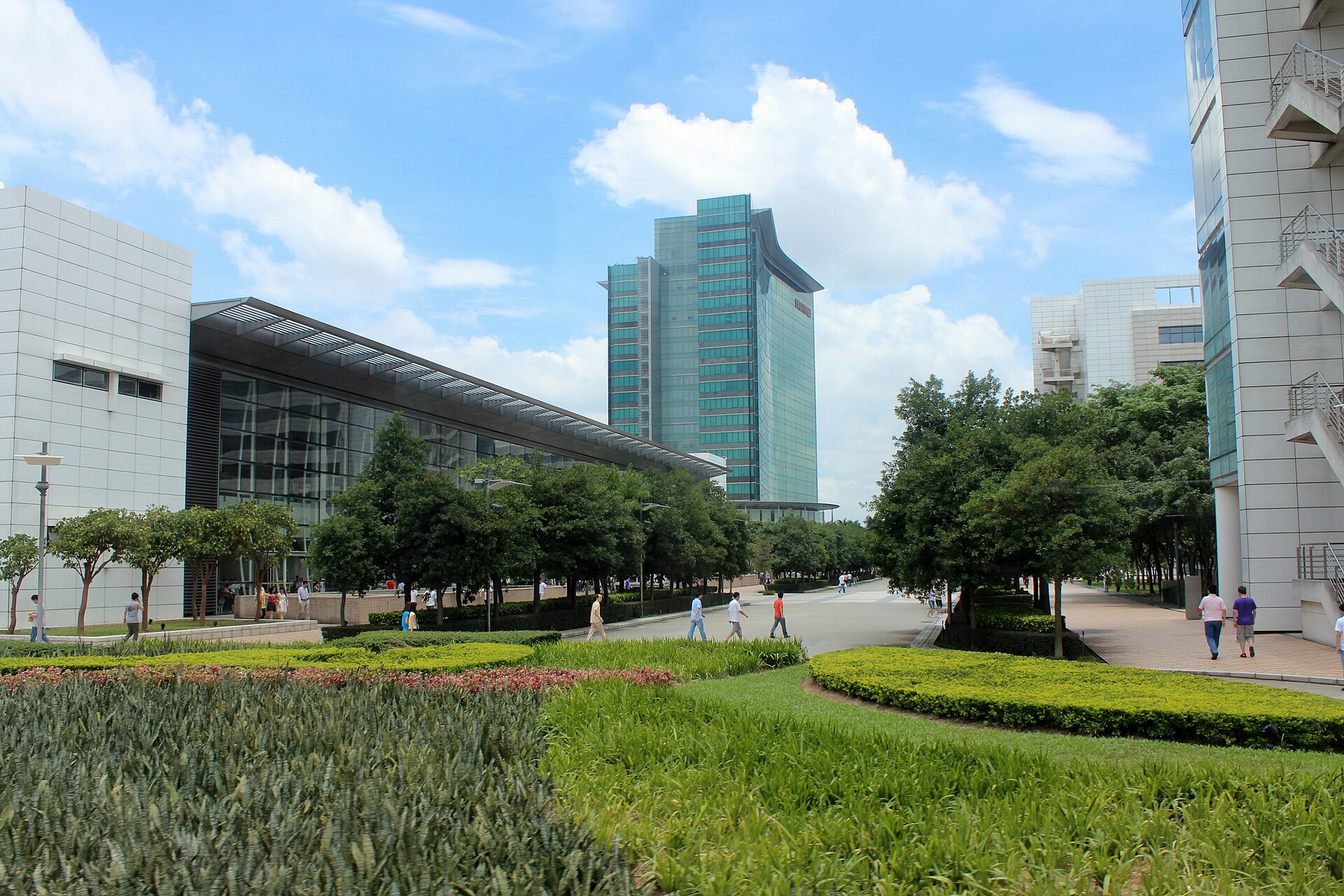
Qualcomm will pay Huawei to use its patents under a multi-year agreement the two companies announced on 5 October 2026, according to identical press releases issued by both firms. The deal includes cross licences to each company's portfolio across 5G, compute, AI and networking, together with Qualcomm's purchase of certain Huawei US patents in compute, AI, networking and other fields. The releases say the transaction will close after the necessary regulatory approvals and that the terms follow fair, reasonable and non-discriminatory principles. Neither company disclosed what Qualcomm is paying.
Bloomberg reported on 5 October that the agreement covers the patents underpinning LogicFolding, Huawei's chipmaking technique, and that it spans near- and co-packaged optics as well. Huawei expects the overall contract value of all its patent licensing agreements to exceed $6.9 billion once the Qualcomm deal is counted, a company spokesperson told Bloomberg. The deal is subject to review by the US Federal Trade Commission under the Hart-Scott-Rodino Antitrust Improvements Act, which applies to transactions valued above $133.9 million.
What LogicFolding is for
LogicFolding is Huawei's answer to a tool it cannot buy. US export controls keep ASML's extreme ultraviolet lithography machines out of China, and those machines are what the leading foundries use to print the smallest features. Rather than chase feature size, Huawei's approach concentrates on data transmission speed through stacking, which the company presents as a way to narrow the performance gap with Taiwan Semiconductor Manufacturing Company, according to Bloomberg's account. The technical parameters of the technique have not been independently measured in any publication reviewed for this article, and the companies' announcements do not describe it at all.
The direction of payment is the news. Nikkei Asia reported on 5 October that Huawei first paid to license Qualcomm patents in 2001 and that the new agreement, if approved, makes Qualcomm the net payer for the first time. That is an unusual reading in an industry where Qualcomm has been the dominant licensor for a quarter of a century, and it is the clearest signal yet that Huawei's portfolio is now valued on its own terms rather than treated as a liability to be settled.
This agreement not only demonstrates the value of Huawei's innovations, but also recognizes Qualcomm's foundational contributions to modern communication technologies.
Qualcomm framed it differently. John Han, executive vice president and general manager of Qualcomm Technology Licensing, said the company has invested in foundational wireless technologies that have enabled successive generations of mobile innovation and earned broad recognition across the global wireless industry. Both companies emphasised the FRAND basis of the licence, which is the standard language for standard-essential patents and says nothing about what changed hands.
The sanctions arithmetic
Export controls were designed to slow Huawei's access to advanced semiconductors. They did not stop the company from generating patentable architecture, and an American firm has now agreed to license it. That is a narrower outcome than it sounds: a cross-licence is not an endorsement of manufacturing capability, and Qualcomm taking rights to chipmaking patents does not mean it will build anything with them. As Parallax Nexus reported on 20 September, CXMT put a fifth-generation DRAM platform into mass production using quadruple patterning rather than EUV, and published no yield figure, which is the recurring pattern with Chinese process claims.
The honest judgment is that this deal tells us more about patent economics than about silicon. A licensing agreement establishes that Huawei's claims are worth paying to avoid litigating, not that LogicFolding performs as described. Huawei has signed more than 270 patent licensing agreements with companies in the United States, Japan, South Korea and Europe, and its licensing income has become a business line in its own right while its chip revenues sit under restriction.
What happens next sits with regulators in Washington. The FTC review is a procedural filing rather than a judgment on the merits, but it gives the US government a formal look at an American company transferring money and taking patent rights from a firm on the entity list.
What happens next?
- The transaction closes only after the companies receive the necessary regulatory approvals.
- The US Federal Trade Commission reviews the deal under the Hart-Scott-Rodino Antitrust Improvements Act.
- Neither company has said whether the price or the number of transferred patents will ever be disclosed.
- Huawei expects its total patent licensing contract value to pass $6.9 billion once the deal completes.
Related topics
Sources & references
- 01Huawei and Qualcomm Announce Broad Patent License Agreement — HuaweiprimaryIssued Shenzhen, 5 October 2026. Scope of the cross-licence, patent purchase, FRAND terms and Alan Fan's quote.
- 02Huawei and Qualcomm Announce Broad Patent License Agreement — QualcommprimaryQualcomm's release of 5 October 2026, matching the Huawei text.
- 03Qualcomm Licenses Patents on Huawei's LogicFolding Chip Tech — BloombergnewsPublished 5 October 2026. Source for the LogicFolding coverage, the $6.9 billion expectation and the Hart-Scott-Rodino threshold.
- 04Qualcomm to pay Huawei for first time in 5G, AI patent breakthrough — Nikkei AsianewsPublished 5 October 2026. Source for Huawei first licensing Qualcomm patents in 2001 and the net-payer reversal.
More from Technology

Chips Earned Half of Everything South Korea Sold Abroad
South Korea's trade ministry reported on 1 October 2026 that September exports rose 83.5% year on year to a record $120.94 billion, with semiconductors alone at $60.30 billion. Contract prices, not just volumes, are doing much of the work.
ASML's European Revenue Share Has Fallen to Zero
ASML's European revenue share is zero in 2026, down from 1 per cent in 2025 and 5 per cent in 2024, because every fab under construction in Europe targets mature nodes that need no EUV. The company is now asking Brussels to aggregate demand rather than subsidise supply.
Europe's First Exascale Machine Gets Its European Chip
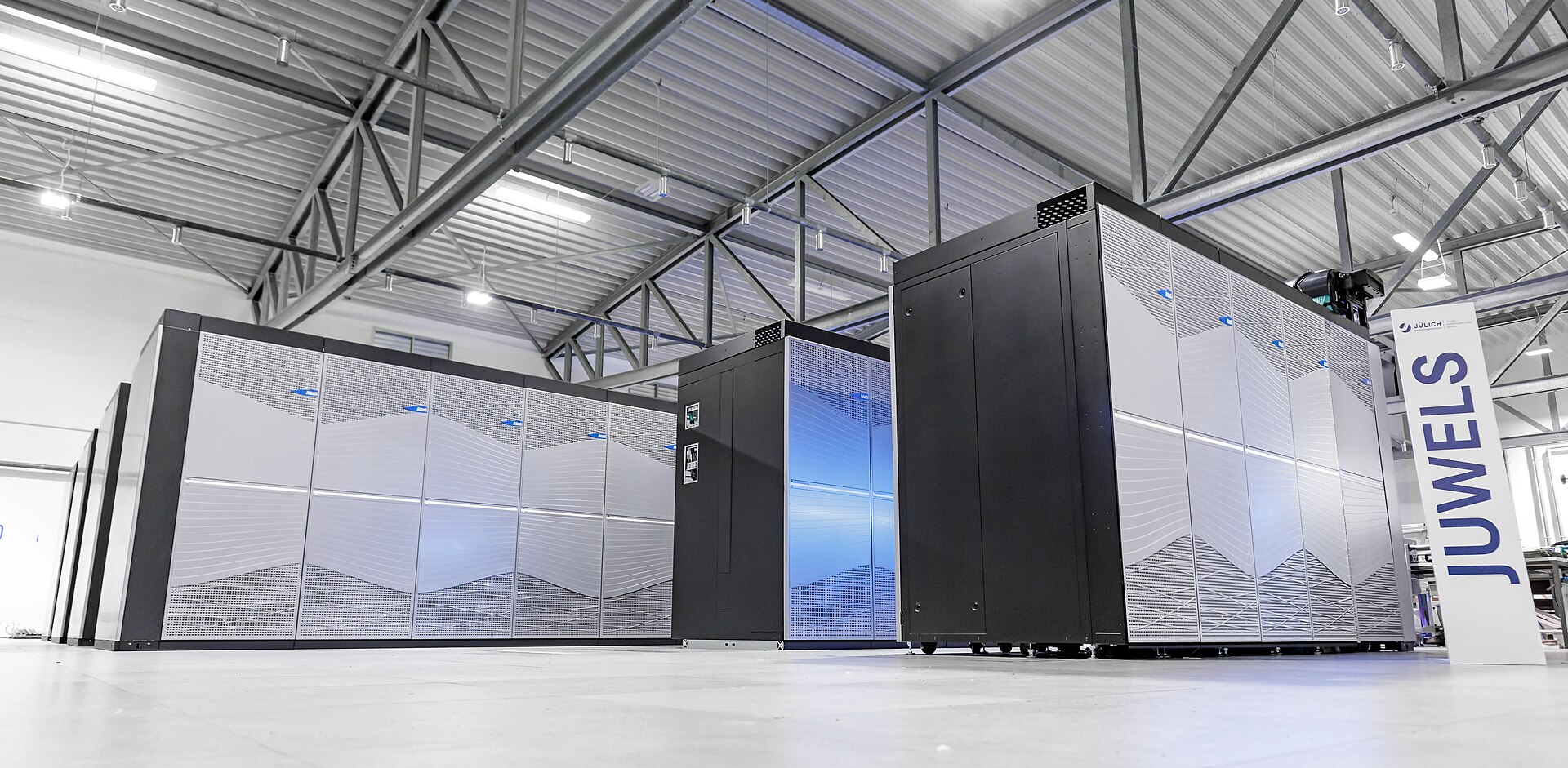
SiPearl said on 22 September 2026 that it has shipped the first Rhea1 CPU samples to Bull for integration into JUPITER at the Jülich Supercomputing Centre, the company's first Rhea1 order and its first significant revenue.
DARPA Gets Hands-On Access to Microsoft's Majorana Qubits
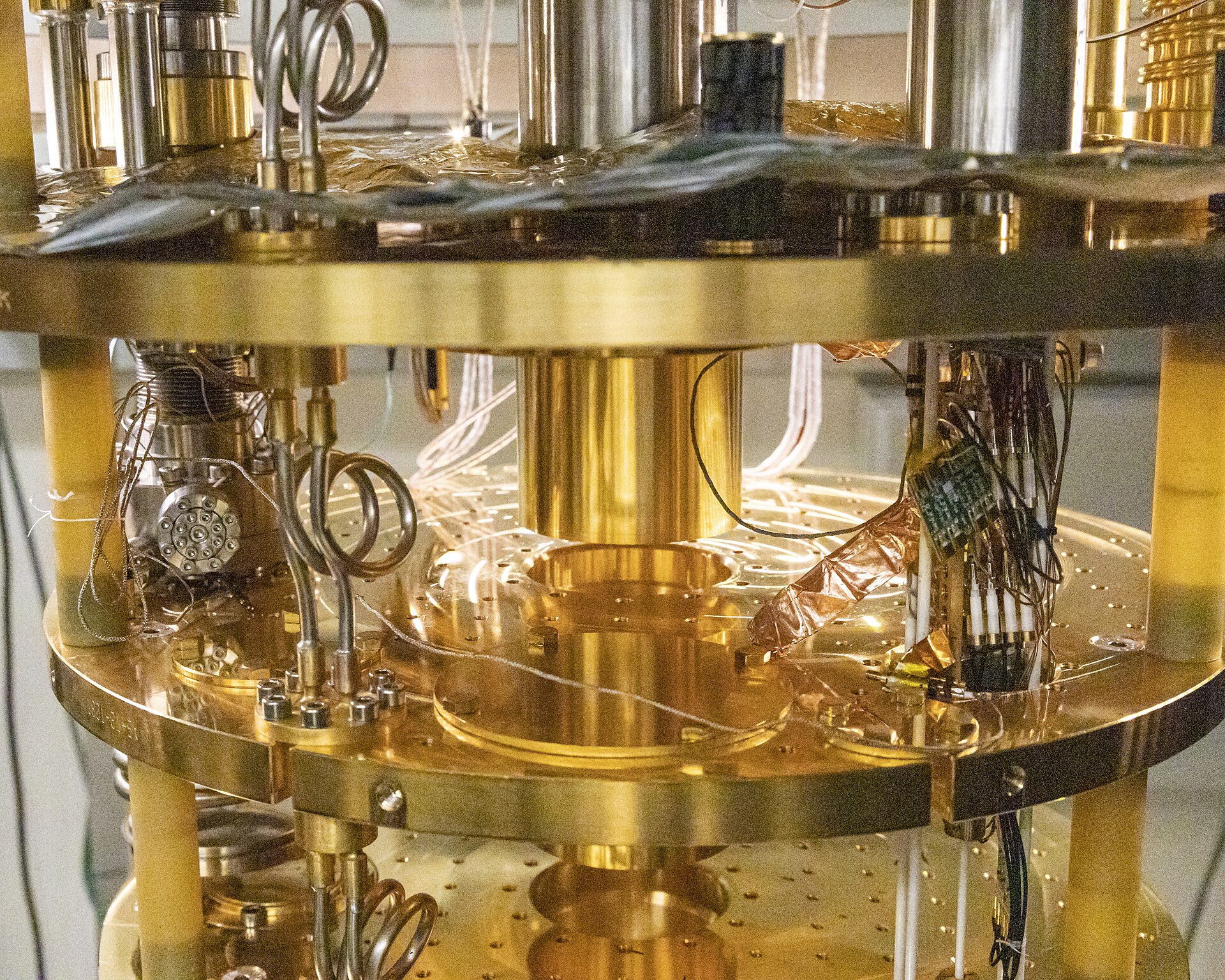
Microsoft has opened a quantum research centre at the University of Maryland and will give DARPA on-site access to its latest topological system, including qubits built on the Majorana 2 chip. The evaluation runs under DARPA's Underexplored Systems for Utility-Scale Quantum Computing programme, which asks whether any quantum approach can produce a commercially useful machine by 2033.