FERC Clears a 20m Tonne Sabine Pass Expansion in Louisiana
The Commission authorised three new liquefaction trains at Cheniere's Cameron Parish terminal, plus a 55.6-mile pipeline to feed them. A final investment decision on the first phase has still not been taken.
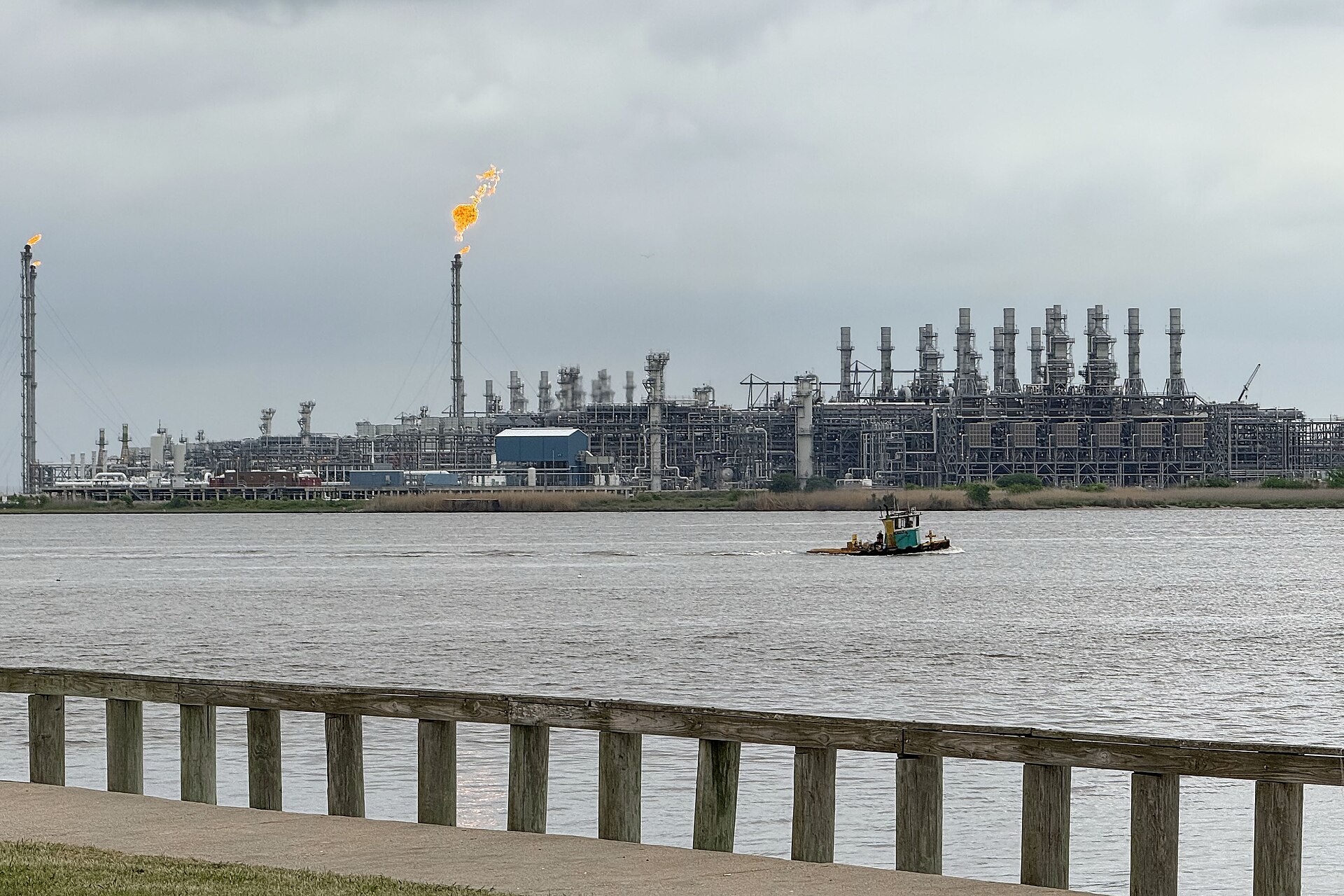
The Federal Energy Regulatory Commission approved Cheniere Energy's application to expand its Sabine Pass liquefied natural gas terminal in Cameron Parish, Louisiana by about 20 million tonnes a year, Reuters reported from Houston on 19 November 2026. The three-train expansion was item C-1 at the Commission's open meeting that morning, held at 10am in Room 2C at 888 First Street NE in Washington, under dockets CP24-75-000, CP24-75-001, CP25-505-000 and CP25-506-000.
The order does more than authorise the trains. Sabine Pass Liquefaction, Sabine Crossing and Cheniere Creole Trail Pipeline filed jointly under sections 3 and 7(c) of the Natural Gas Act, and the Commission also cleared the new 55.6-mile Sabine Crossing interstate pipeline and an expansion of the existing Creole Trail system through added compression and related facilities. Commission staff completed the final environmental impact statement for the project in September 2026. The original application dates to February 2024, amended and restated in June 2025 after Sabine Crossing withdrew its first pipeline filing to redraw the route.
What phase one actually builds
Only a fraction of the authorised capacity is close to construction. Phase one consists of Train 7, a boil-off gas re-liquefaction unit and supporting infrastructure tied into the existing terminal. Cheniere said in a statement on Thursday that the approval is "a critical milestone on the path toward a positive final investment decision" on that first phase, which it expects to add more than 6 million tonnes a year of liquefaction capacity by the early 2030s. The company has said phase one volumes are already sold under long-term contract, that it has secured financing for half of the phase, and that it has spent roughly $500 million on early works. Bechtel holds the engineering and construction contract. Cheniere Energy Partners has aimed for a phase one investment decision by the start of 2027.
The distance between an approval and a decision
A FERC authorisation is a permission, not a commitment, and Cheniere has been careful to say so. The company's own framing ties a positive decision to acceptable financing and the receipt of final regulatory approvals, which includes export authorisation from the Department of Energy. The honest reading is that Thursday removed the largest remaining regulatory obstacle to a project whose commercial case was already built, rather than creating one. Cheniere has self-financed half of its recent expansions and borrowed the rest from banks, a structure that works while long-term offtake contracts hold.
The headline capacity figure is less precise than it looks. Reuters reported 20 million metric tonnes per annum; Natural Gas Intelligence put the approved total at 19 million tonnes a year. Cheniere's own description of the project is up to three large-scale trains with expected peak production of approximately 20 million tonnes, a figure that includes debottlenecking of existing equipment rather than new liquefaction alone. Natural Gas Intelligence estimated Train 7 alone could add 0.8 to 0.9 billion cubic feet a day of feedgas demand, with the full build reaching 2.5 to 2.7 billion.
The approval lands four days after the COP31 presidencies circulated a draft cover decision naming the immediate transition away from fossil fuels, and in a week when the International Energy Agency is forecasting a fourth-quarter oil surplus. Neither changes the arithmetic at Cameron Parish. What is not known is how much of the remaining 14 million tonnes ever gets built, because phases two and three have no sanctioned financing, no announced contracts and no date.
What happens next?
- Cheniere Energy Partners has targeted a final investment decision on phase one by the start of 2027.
- The project still needs export authorisation from the Department of Energy before construction can be fully committed.
- Phase one, comprising Train 7 and a boil-off gas re-liquefaction unit, is expected to add more than 6 million tonnes a year by the early 2030s.
- No financing, contracts or schedule have been announced for the remaining trains in the authorised expansion.
Related topics
Sources & references
- 01US federal regulators approve Cheniere's Sabine Pass expansion project — ReutersnewsReported by Curtis Williams in Houston, 19 November 2026; source for the 20 million tonne figure, the Creole Trail and Sabine Crossing authorisations, the $500 million of early works and the Cheniere statement.
- 02FERC Sunshine Act Meeting Notice, 1141st meeting — Federal Register, Vol. 91, No. 220primaryPublished 17 November 2026; lists item C-1 and dockets CP24-75-000, CP24-75-001, CP25-505-000 and CP25-506-000 for the 19 November meeting at 10am, Room 2C, 888 First Street NE.
- 03Summary of FERC Meeting Agenda for November 2026 — White & Case LLPreportSource for the three liquefaction trains, the 55.6-mile Sabine Crossing Pipeline, the February 2024 original filing and the June 2025 amended joint application.
- 04FERC Approves 19 Mt/y Sabine Pass LNG Expansion, 2 Pipeline Projects — Natural Gas IntelligencenewsAlternative capacity figure and the Train 7 feedgas estimates of 0.8 to 0.9 Bcf/d, with 2.5 to 2.7 Bcf/d for the full build.
- 05FERC approves Cheniere's 20-MMtpy Sabine Pass LNG expansion, Sabine Crossing pipeline — Pipeline & Gas JournalnewsPublished November 2026, citing Reuters.
- 06Cheniere Awards EPC Contract to Bechtel for Sabine Pass Expansion — The Globe and MailcompanySource for the Bechtel contract, the up-to-three-train scope with approximately 20 MTPA peak capacity including debottlenecking, and the target of a phase one investment decision by the beginning of 2027.
More from Energy
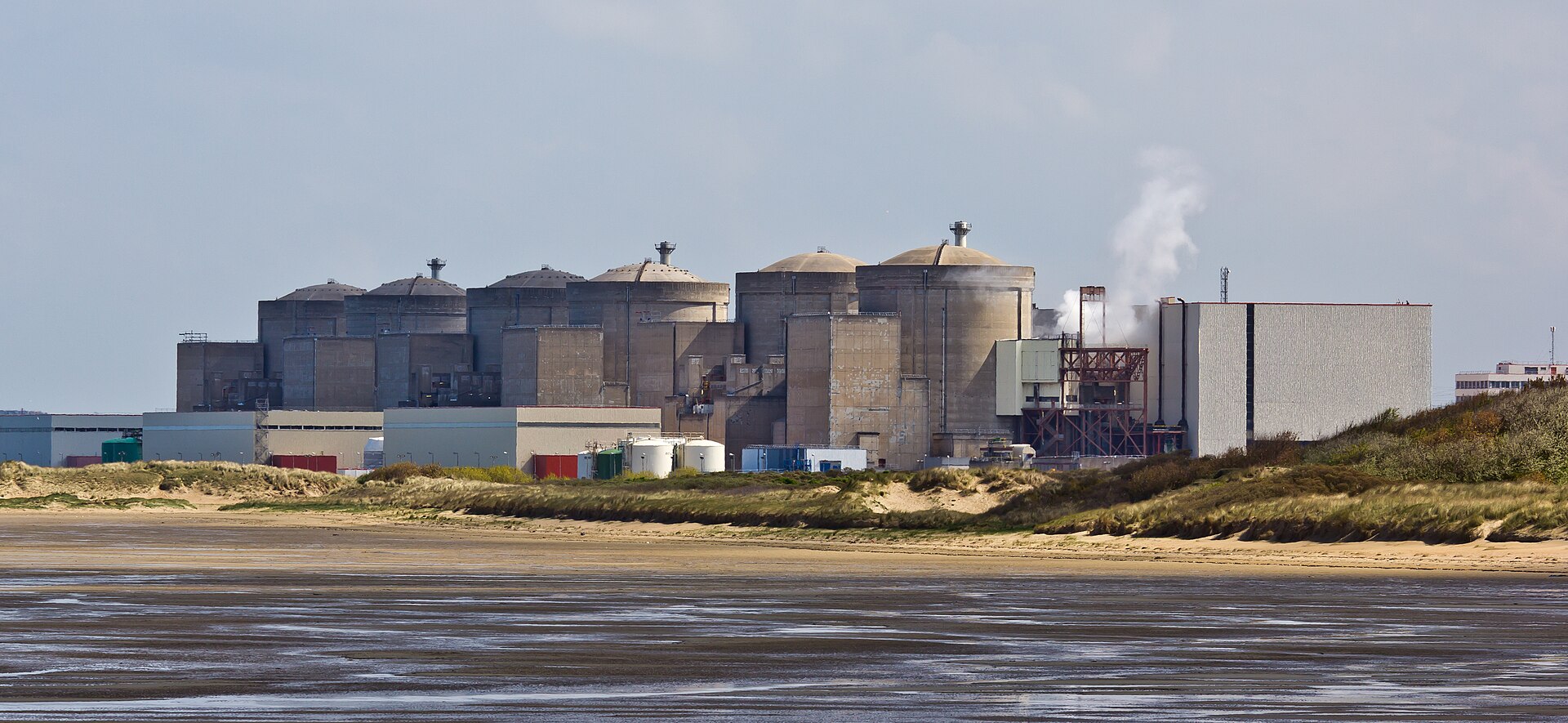
France May Forgo 65bn Euros of EDF Dividends for New Reactors
France's state audit office warned on 16 November 2026 that EDF may not be able to fund six new EPR2 reactors without further state money, and set out a scenario in which the government gives up all cash dividends, worth about 65 billion euros between 2026 and 2040.
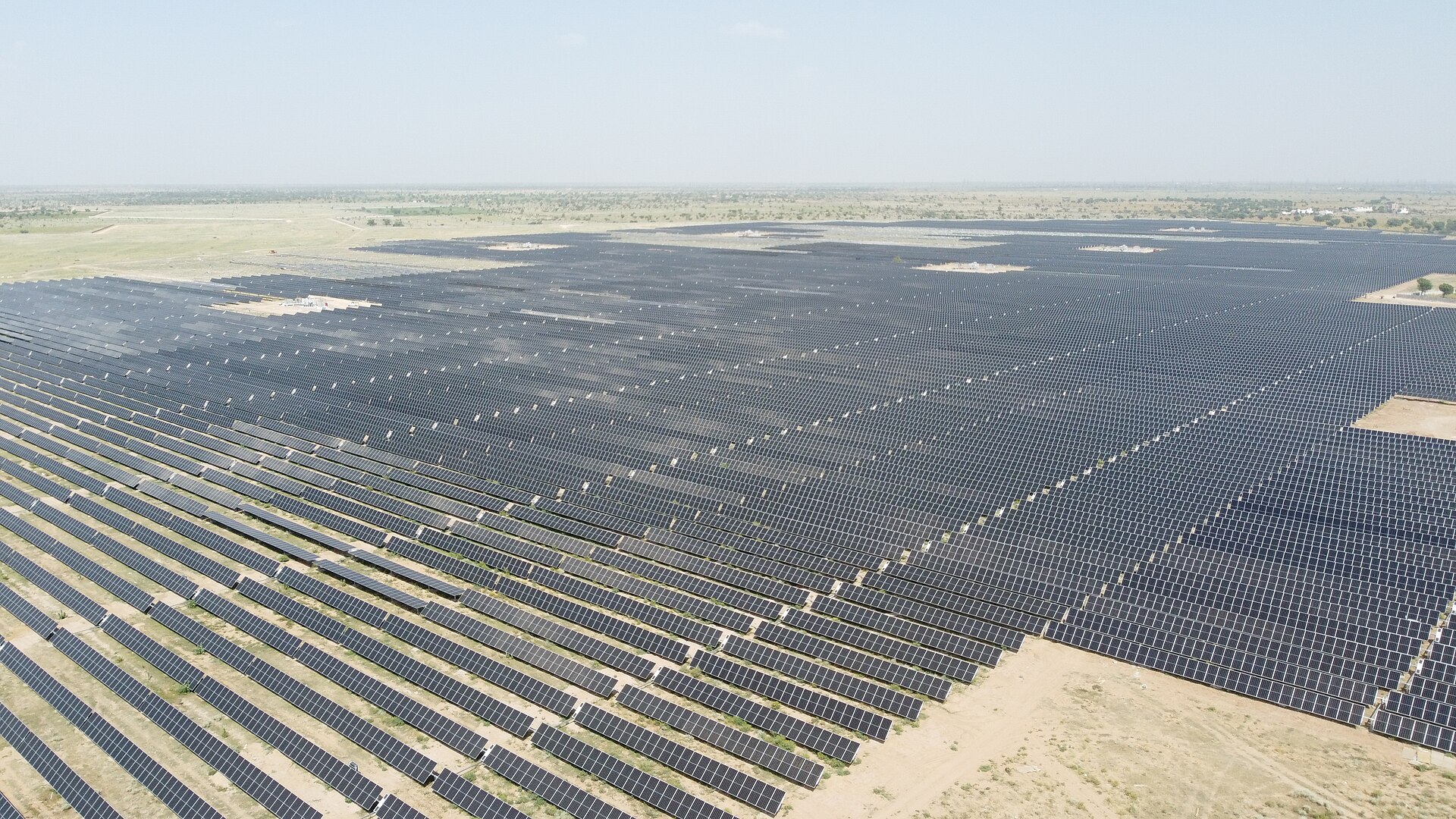
IEA Lifts Its Renewables Forecast to 4,800GW on Energy Security
The International Energy Agency's annual renewables report, published on 6 November 2026, forecasts almost 4,800GW of new renewable capacity between 2026 and 2031 and says renewables will supply almost 45 per cent of global electricity by 2031, up from 33 per cent in 2025.
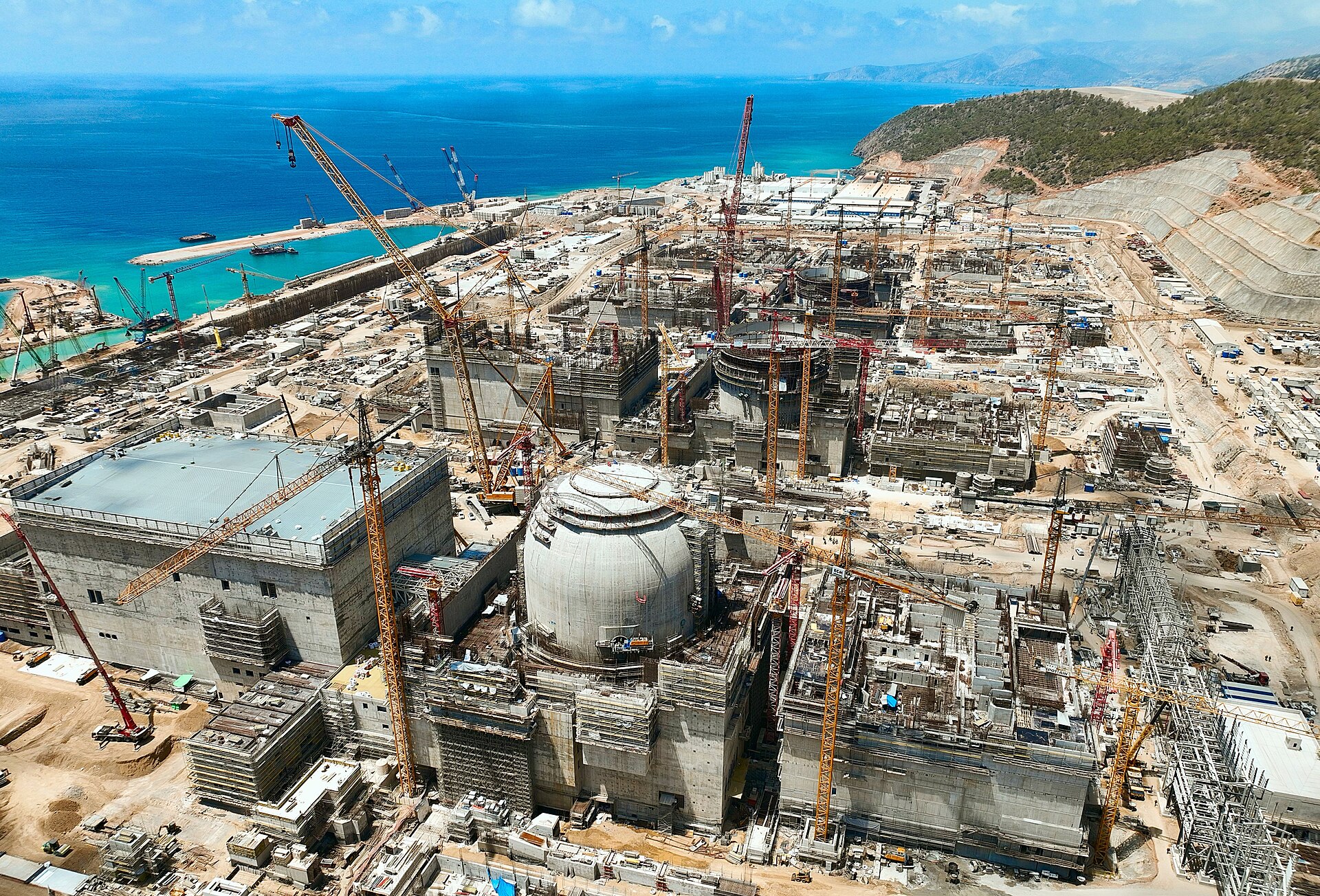
Turkey Puts $500bn Behind a 281GW Power System by 2040
Energy Minister Alparslan Bayraktar set out a $500bn investment plan taking Turkey from 123GW of installed capacity to 281GW by 2040, with $116bn of it going into transmission and distribution rather than generation. It lands four days before Turkey hosts COP31 in Antalya.
Dominion's Data Centre Queue Reached 54.9GW as Construction Fell
The three-tier disclosure in Dominion Energy's third-quarter slides, published 30 October 2026, shows the Virginia data centre pipeline growing 13 per cent in nine months while its construction-authorised slice shrank. Most of the increase sits in the least binding category.